
 Tap to zoom
Symptoms, Causes, and Treatment of Male Genital Fungal Infections
Male genital fungal infections can cause itching, redness, inflammation, rash, and discomfort. Learn about jock itch, fungal balanitis, tinea incognito, diagnosis, treatment, and prevention.
- نویسنده
- دکتر مهدی قاضی
- Published on
- June 26, 2026
- Reading time
- 5 min read
- Last updated
- Updated: June 27, 2026
Genital yeast infections in men can occur for various reasons and are usually accompanied by unpleasant symptoms such as itching, redness, and inflammation. These infections can lead to more serious problems if not diagnosed on time
In this article, we will examine the types of male genital fungal infections, focusing on their symptoms, how they are transmitted, and how to diagnose them:
Jock Itch or Tinea Cruris
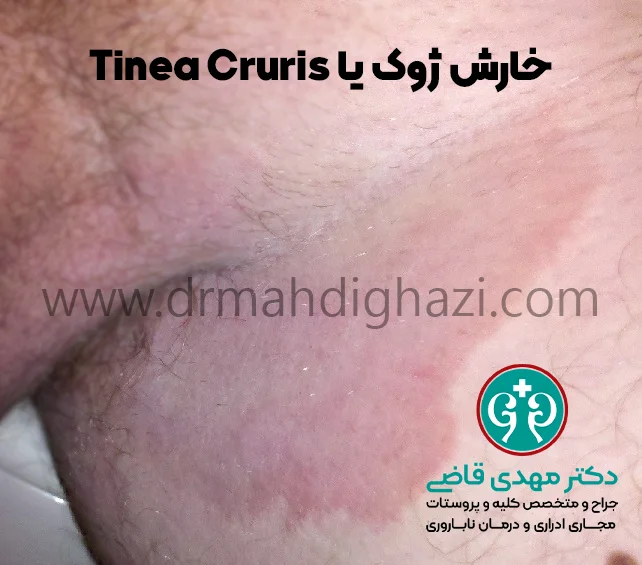
Tinea cruris is a fungal infection that affects the skin of the genital area, groin, and sometimes the area around the buttocks. This infection is caused by dermatophyte fungi that thrive in warm, moist environments, such as the groin.
Symptoms
This infection is usually accompanied by severe itching and a burning sensation in the genital area and groin. Also, red rashes appear in the affected area, which may turn brown and scaly over time. In some cases, the skin cracks and the affected area may become severely inflamed and painful.How to transfer
These fungi are usually transmitted through direct contact with infected skin or through sharing clothes and towels. Public environments such as gyms and swimming pools can also be a good place to transmit this infection.Diagnosis
Diagnosis of jock itch is usually based on clinical symptoms and physical examination. If needed, skin sampling and microscopic tests can help make a more accurate diagnosis.
Treatment of lice itch
Antifungal creams and ointments
Medicines such as clotrimazole, miconazole, terbinafine and butenafine are among the most common topical treatment options. These medicines are usually used twice daily for at least two to four weeks.Antifungal powders
In cases where the infection is accompanied by excessive sweating, the use of antifungal powders talc Mixing with antifungal medications can help keep the area dry and enhance the healing effect.
If there is no response to topical treatment or in severe cases, oral antifungal drugs such as fluconazole, itraconazole, or terbinafine may be needed. These drugs are usually prescribed for one to two weeks, but the length of treatment may vary depending on the severity of the infection.
Prevention of the recurrence of tick itching
Observance of personal hygiene
It is very important to keep the genital area and groin clean and dry. Also, avoiding wearing tight clothes and using cotton and breathable clothes can help prevent the recurrence of infection.Simultaneous treatment of sexual partners
If the patient's sexual partner also has symptoms, it is recommended to treat him at the same time to prevent the recurrence of the infection.
Fungal balanitis
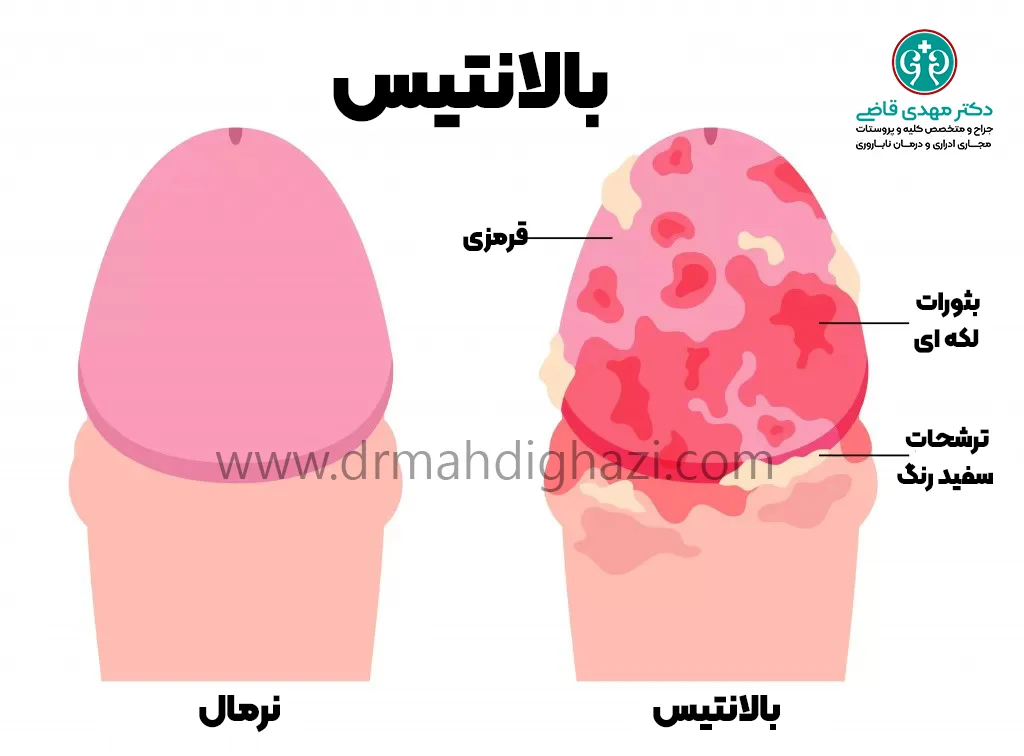
Balanitis refers to inflammation of the head of the penis (glans), often caused by fungal infections such as Candida albicans. This disease is more common in men who are not circumcised or have poor personal hygiene.
Symptoms
Balanitis is associated with redness and swelling of the head of the penis. The patient may complain of itching and burning in the affected area. Also, white and thick secretions from under the foreskin may be observed. In some cases, pain during urination or intercourse is also reported.How to transfer
This infection mainly occurs through the overgrowth of naturally occurring fungi in the body, but it can also be transmitted through sexual contact or due to insufficient hygiene.diagnosis
Diagnosis of balanitis is usually based on clinical examination and examination of symptoms. In cases where a more accurate diagnosis is needed, sampling of secretions and microscopic examination is useful to identify the fungal agent.
Treatment of fungal balanitis
Antifungal creams
Topical drugs such as Clotrimazole, Miconazole, or Ketoconazole They are usually used to treat candidal balanitis. These medications are usually used twice a day for one to two weeks.Low-dose steroid creams
In case of severe inflammation, it is possible to use low-dose steroid creams (eg Hydrocortisone(To be prescribed in combination with antifungal creams. This combination can help reduce inflammation faster.
In severe or recurrent cases, oral antifungal medications such as fluconazole may be prescribed. The usual dose of fluconazole is one 150 mg tablet, which may be administered as a single dose or periodically as needed.
Prevention of recurrence of fungal balanitis
Observance of personal hygiene
Regular and gentle washing of the genital area with mild soap and water and drying it completely after washing is necessary. Avoiding the use of irritating soaps and detergents is also recommended.circumcision
In cases where balanitis is recurrent, especially in uncircumcised men, circumcision is considered as a preventive measure.
Tinea Incognito
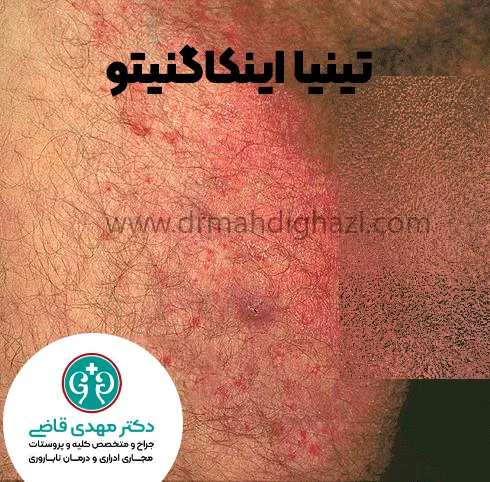
Tinea incognito is a type of fungal infection that changes shape due to the incorrect use of corticosteroids and causes less common fungal symptoms. This condition often occurs in the genital area or other areas of the body where steroid creams have been improperly applied.
Symptoms
Symptoms include mild redness and inflammation, itching and burning, and unusual changes in the appearance of the rash. Because of the use of steroids, the rash may be less visible and more difficult to detect.Mode of transmission
This infection usually develops when steroid creams are used on an existing fungal infection that has not been correctly diagnosed. These creams can hide the symptoms and lead to worsening infection.diagnosis
Diagnosing tinea incognito is usually challenging due to unusual symptoms and requires a thorough evaluation by a physician. Skin sampling and microscopic tests may be done to make a more accurate diagnosis.
Treatment of tinea incognito
The first step in treating tinea incognito is to stop using steroid creams. This action helps to return the fungal symptoms to the usual form and facilitate the diagnosis.
After steroid discontinuation, treatment with antifungal creams Terbinafine, Clotrimazole or Ketoconazole It begins. Treatment should be continued for at least two to four weeks.
In severe or resistant cases, oral treatment with drugs such as Fluconazole or Itraconazole be These drugs are prescribed for one to two weeks.
Prevention of recurrence of tinea incognito
After treatment is completed, re-evaluation of the affected area is necessary to ensure complete healing. If there is no complete improvement, it may be necessary to continue the treatment or change the drugs used.
Summary
Genital fungal infections in men are among the common problems associated with symptoms such as itching, inflammation and redness. These infections can be caused by various reasons, including lack of hygiene, excessive sweating, and the use of tight clothes.
With timely diagnosis and the use of appropriate drugs, these infections are usually curable. Also, observing personal hygiene and avoiding irritating factors can prevent their recurrence.
To maintain health, it is very important to know the symptoms and methods of prevention and treatment of these infections.
Frequently asked questions
Actions & related links
Doctors for this topic in Mashhad
See all doctors: Best Urologists in Mashhad




About the author

Urologic Surgeon
دکتر مهدی قاضی, Urologic Surgeon in Mashhad. Articles on this site are written and reviewed under the supervision of the Urology Building's physicians.
View profile & bookRelated articles
All articlesWhat Is Polycystic Kidney Disease? (Fetal and Adult PKD)
دکتر مهدی قاضی · June 26, 2026
What Is a Renal Cortical Cyst? Symptoms, Diagnosis, and Treatment
دکتر مهدی قاضی · June 26, 2026
Kidney Transplant: Cost, Blood Type Compatibility, and Surgical Method
دکتر مهدی قاضی · June 26, 2026
What Is Pyelonephritis? Kidney Infection Symptoms, Diagnosis, and Treatment
دکتر مهدی قاضی · June 26, 2026
Comments
3 comments