
 Tap to zoom
What Are genital warts? Types, Symptoms, Treatment, and Real Images
- نویسنده
- دکتر مهدی قاضی
- Published on
- June 26, 2026
- Reading time
- 5 min read
- Last updated
- Updated: June 27, 2026
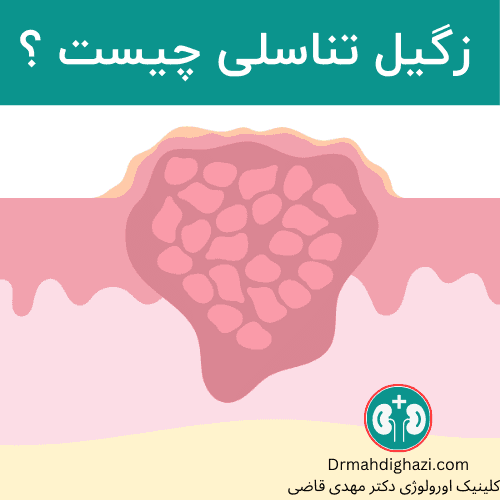
genital warts are a skin condition caused by human papillomavirus (HPV). This virus, which has more than 200 different types, can cause skin lesions called genital warts and other problems in the genital area. Two specific types, HPV-6 and HPV-11, cause more than 90% of genital warts cases.
genital warts are one of the most common sexually transmitted diseases in the world. According to statistics, more than 290 million women around the world are infected with some form of HPV, and this disease has also widely affected men. It is estimated that the rates of HPV infection in men and women are about the same. Although men are at lower risk than women for serious complications such as HPV-related cancers, they can still experience genital warts and carry the virus.
This disease is more prevalent especially in young people between 15 and 25 years old. Since the 1970s, the prevalence of this disease has gradually increased due to changes in sexual behaviors as well as improvements in diagnostic methods.
Since the 2000s, with the introduction of HPV vaccines, some countries have succeeded in reducing the prevalence of the virus, although this reduction has occurred mainly in countries with extensive vaccination programs. In developed countries such as America, Australia and most European countries, due to better access to health services, more accurate tests and extensive vaccination programs, the detection rate of genital warts is high. This means that more people visit doctors in these countries and more patients are identified and registered.
In contrast, in developing countries, the actual prevalence of HPV and genital warts is probably higher, but the detection rate of this disease is lower due to limited access to health services, lack of facilities and lack of regular vaccination programs.
Therefore, while HPV is more prevalent in developing countries, it may not be fully recognized and documented. Overall, genital warts are a global health challenge affecting both men and women, but prevalence and recognition vary widely depending on geographic location and access to health services.
Types of genital warts
genital warts caused by the human papillomavirus (HPV) are divided into low-risk and high-risk categories. Low-risk types of this virus usually only cause skin or genital warts and rarely cause serious complications. The most common low-risk types of HPV include types 6 and 11, which account for more than 90% of genital warts. These warts may appear as small bumps or clusters in the genital area or around the anus and are usually not a threat to general health or carcinogenicity.
On the other hand, high-risk types of HPV include types 16, 18, 31, 33, and several others, which cause more concern due to their direct association with the incidence of cervical, anal, penile, and throat cancers. Types 16 and 18 alone are responsible for more than 70% of cervical cancers. These viruses usually do not cause obvious symptoms and may go undiagnosed, but if the infection persists, they can lead to precancerous changes in the tissues.
Low risk genital warts
Low-risk types of HPV, such as types 6 and 11, are usually limited to causing benign lesions in the genital area or around the anus and do not pose a serious threat to public health due to their lack of carcinogenic potential.Symptoms of low-risk genital warts Psychologically, they may be annoying for a person; But these warts do not have dangerous physical effects. Warts caused by low-risk strains remain biologically limited to the superficial layer of the skin and mucous membranes and do not lead to deep tissues or malignant changes.
The treatment of genital warts caused by low-risk types of HPV virus is done with the aim of removing lesions and reducing the appearance of symptoms, because these viruses are not considered a threat to cause cancer or serious damage. The main goal of treatment is to reduce the viral load in the infected area, prevent transmission to others, and improve the quality of life of a person physically and mentally. Treatments such as cryotherapy, lasers, and topical medications such as podophyllin focus on removing the lesions and usually do not have a direct effect on eradicating the virus, as HPV may remain dormant in the tissue. However, continued treatment and adherence to sexual hygiene can reduce the likelihood of recurrence of lesions.
genital warts type 6 (HPV-6)
HPV-6 is one of the most common low-risk types of human papillomavirus that is directly linked to the development of genital warts. These warts usually appear as small, fleshy bumps in or around the genital area, anus. Warts caused by HPV-6 can be single or multiple and sometimes cluster or contiguous. Although these warts may be uncomfortable, they generally do not pose a serious health risk and do not turn into cancer.
genital warts type 11 (HPV-11)
HPV-11, like HPV-6, is another low-risk type of HPV that mainly causes genital warts. This type of virus can also cause genital warts Recurrent Respiratory Papillomatosis also be This rare disease is caused by the abnormal growth of warts in the airways (such as the larynx and trachea) that can lead to breathing problems. However, HPV-11, like HPV-6, is rarely associated with cancer.
genital warts type 42, 43, and 44
These three types are considered low-risk types of HPV that can cause genital warts. These warts may look similar to warts caused by HPV-6 and HPV-11, but these types are relatively less common. HPV-42, HPV-43, and HPV-44, like other low-risk HPV types, usually do not pose a cancer threat and mostly cause benign warts without serious complications.
Dangerous genital warts
High-risk types of HPV are mainly associated with genital-related cancers in both men and women, especially cervical cancer. Cervical cancer is almost always associated with HPV infections, and HPV-16 and HPV-18 are responsible for more than 70% of cases of this type of cancer. Other HPV-related cancers include anal, penile, vaginal, vulva, and some head and neck cancers. It is important to note that infection with a high-risk type of HPV does not always lead to cancer, but having these infections significantly increases the risk of developing precancerous changes.
In general, high-risk types of HPV are of great importance due to their ability to cause cell changes and to be associated with various cancers. Prevention of these infections through vaccination and regular screenings can help reduce the incidence of HPV-related cancers.
More than 14 types of HPV are classified as high-risk types, but some of these types are more important than others. The most important high-risk types of HPV, which are mainly associated with various cancers, are:
HPV-16
HPV-18
HPV-31
HPV-33
HPV-35
HPV-39
HPV-45
HPV-51
HPV-52
HPV-56
HPV-58
HPV-59
HPV-66
HPV-68
Among the mentioned viruses, two types of HPV 16 and HPV 18 are the most important and dangerous types and can cause cervical cancer.
genital warts type 16 (HPV-16)
HPV-16 is the most important and dangerous type of genital warts and is most associated with cancer. This type of virus alone is responsible for about 50% of all cervical cancer cases worldwide. In addition to cervical cancer, HPV-16 is significantly associated with other HPV-related cancers such as cancers of the vagina, vulva, anus, penis, and head and neck cancers (such as pharyngeal and tonsil cancers).
genital warts type 18 (HPV-18)
HPV-18 is the second most dangerous type of genital warts and after HPV-16, it is most associated with cervical cancers. This type of virus alone is responsible for about 20% of all cervical cancer cases. HPV-18 is also associated with other genital and anal cancers, although its prevalence in these cancers is lower than HPV-16.
HPV-31 and HPV-33
HPV-31 and HPV-33 are other high-risk types of HPV that contribute to cervical cancer. Although these two types are less common than HPV-16 and HPV-18, they are still seen significantly in cases of cervical cancer. HPV-31 and HPV-33 are responsible for about 4-5% of all cervical cancer cases.
HPV-45
HPV-45 is also a high-risk type that is associated with cervical cancer. This type of virus is involved in about 5% of cervical cancer cases.
HPV-52 and HPV-58
HPV-52 and HPV-58 are other high-risk types that are relatively related to cervical cancer. These two types are more common in East and Southeast Asia and account for 10-12% of all cervical cancer cases.
Types of HPV-35, HPV-39, HPV-51, HPV-56, HPV-59, HPV-66 and HPV-68 are also in the category of high-risk types, but their prevalence in causing cancer is lower than the mentioned types. These types may, together with other high-risk types, cause precancerous cell changes that can lead to cancer if left untreated.
How to transmit the HPV virus and get genital warts
Human papillomavirus (HPV) is one of the double-stranded DNA viruses without lipid coating that is transmitted through direct contact of infected skin or mucus with healthy skin.
Unlike many viruses, HPV does not need to be transmitted through body fluids and is easily transmitted through direct skin-to-skin contact.
Genital, oral and anal areas are the most susceptible places for transmission due to moisture and the possibility of small scratches.
The transmission mechanism of this virus includes several key steps that are described below:
1. Primary contact and transmission of the HPV virus
HPV virus is transmitted through direct contact of infected skin or mucus with healthy skin. This contact usually takes place in the genital, oral or anal areas. The virus cannot pass through the healthy and undamaged layers of the skin, but the presence of small cracks or microdamages on the surface of the epidermis is necessary for the virus to enter.
2. Entry of the HPV virus into the epidermis and mucous membrane
Through these microdamages, the virus enters the basal layer of the epidermis, which is the deepest part of the skin and the place where new skin cells are produced. The virus identifies specific receptors on the surface of keratinocyte cells and binds to them. Possible receptors include heparin sulfate proteoglycans (HSPGs) and other cell surface molecules.
3. Connecting the HPV virus to the host cell
Initially, the virus binds to cell surface receptors using its capsid proteins (such as the L1 protein). This stage is called initial connection. Then, it enters the cell through receptor-dependent endocytosis and the viral capsid is broken and the viral DNA is released.
4. Transmission of the HPV virus to the nucleus of the host cell
Viral DNA is transported to the cell nucleus through the intracellular transport system. In most cases, the viral genome remains episomal (outside the host chromosome) and replicates. In some special cases, such as cervical cancer, the viral genome may integrate into the host's DNA.
5. The cycle of infection and proliferation of the HPV virus
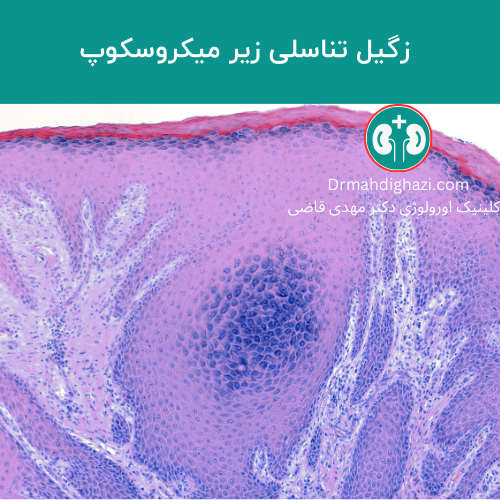
HPV depends on the keratinocyte cells of the superficial layers of the epidermis. When the infected cells move from the basal layer to the upper layers of the epidermis, the virus also replicates with these cells. In the upper layers of the epidermis, virus capsid proteins are produced and new viral particles are formed. These viruses are then released without destroying the host cells and are ready to infect other cells or be transmitted to other people.
The HPV virus is present on the surface of the skin or mucous membrane of the affected person, especially in the genital or oral areas. When these areas come into contact with the skin or mucous membrane of another person, the virus is transmitted to another person. HPV can also survive for a short time on moist surfaces (such as towels, toiletries, or bathroom surfaces) and be transmitted this way, although this route is less common.
genital warts transmission methods
The most important point in preventing genital warts is knowing the methods of transmission of the HPV virus.
genital warts transmission methods are divided into two general categories: sexual and non-sexual
How genital warts are transmitted through sexual intercourse
The main method of transmission of genital warts sex (vaginal, anal or oral) with a person infected with HPV. The virus is transmitted through direct contact with infected skin or mucous membranes. Contrary to popular belief, transmission of genital warts is not limited to visible warts, and people infected with HPV can transmit the virus to their sexual partners even in the absence of symptoms or visible warts.
Types of methods of sexual transmission of genital warts:
Transmission through relationship Vaginal and anal
The most common way of HPV transmission is vaginal and anal sex. This type of contact can lead to external or internal genital warts around the genital area and anus. Also, some high-risk types of HPV that are transmitted in this way can cause cancers of the cervix, anus, and other areas.
Transmission through oral communication
HPV virus can be transmitted through oral contact with the genital area of an infected person. This type of transmission can lead to Symptoms of genital warts in the mouth or swallow Also, some high-risk types of the virus are associated with head and neck cancers, including pharynx and tonsil cancer.
Transmission through sexual contact without penetration
Even sexual contact without penetration can lead to HPV transmission. This virus can be transmitted through skin-to-skin contact in the genital area. Research has shown that transmission can even occur through contact with nearby areas (such as the groin), especially if the virus is active. For this reason, the use of condoms or other protective methods, although they can reduce the risk of transmission, do not completely prevent transmission, since not all areas of the skin are covered during sexual contact.
Methods of asexual transmission of genital warts
In some cases, it is possible HPV through Non-sexual contact also be transferred. Although this type of transmission is less common, some possible ways include:
Direct contact with skin infected with genital warts
If a person has genital warts and his infected skin comes into contact with the skin of another person, there is a possibility of transmission of the virus. This method occurs mostly in the genital or anal areas.
Shared use of personal equipment
Although the possibility of HPV virus transmission through Inanimate objects Such as towels, underwear, or razors are rare, but the virus may survive temporarily on surfaces. Therefore, sharing personal items, especially in humid areas, can increase the risk of virus transmission.
Transmission of genital warts from mother to baby
In normal delivery, the baby may come into contact with the virus in the birth canal and it can lead to recurrent respiratory papillomatosis (RRP), which is associated with laryngeal and airway warts. Fortunately, this complication is rare (1 in 1,000 births) and mostly associated with low-risk strains of HPV 6 and 11.
Transmission of genital warts through indirect contact
Transmission of HPV through Indirect calls Like touching the genital warts and then touching other parts of the body or others is also possible. This type of transmission is commonly known as autotransmission, where the virus is transferred from one area of the body to another (such as from the genital area to the hand or from the hand to the face).
Transmission of genital warts through small wounds or skin scratches
Even very small scratches or superficial skin injuries that are difficult to see can be the way for the HPV virus to enter the body. This issue is especially important in the genital and anal areas, because these areas are usually exposed to friction and minor injuries during sexual contact.
One of the characteristics of HPV is that a person is infected without any symptoms. In some people, there may be no traces of genital warts or visible symptoms, but the person is still able to transmit the virus to others. This feature causes many people to be carriers of the virus without knowing their status and transmit it to their sexual partners.
Factors that increase the risk of transmission of genital warts
The transmission of human papillomavirus (HPV) is influenced by several factors that can increase the chance of contracting and transmitting this virus. The following are the most important factors:
Multiple sexual partners
The more sexual partners a person has, the more likely they are to be exposed to the HPV virus. This factor plays an effective role in increasing the risk of transmission, especially in people who have multiple sexual partners and do not use prevention methods.Weakness of the immune system
People whose immune system is weakened due to diseases such as HIV or taking immunosuppressive drugs are more at risk of contracting and transmitting HPV. A weak immune system reduces the body's ability to fight infections and provides the basis for the virus to spread.Sex at a young age
Starting sex at a young age can increase the risk of HPV transmission. At this age, genital tissues are growing and may be more vulnerable, making it more likely that you will get the virus.Failure to use prevention methods
Not using protective methods, especially condoms, significantly increases the risk of HPV transmission. Although condoms do not completely prevent the transmission of the virus, using them correctly and consistently can reduce the risk.The presence of other sexually transmitted diseases
Having other sexually transmitted diseases, such as genital herpes or chlamydia, can increase the risk of HPV transmission. These diseases usually cause damage to the genital tissues and increase the possibility of the virus entering the body.
Complications of genital warts in men and women
genital warts are often harmless and in many cases appear without causing serious complications. However, the presence of genital warts can have significant consequences on people's physical, mental and social health.
Common complications of genital warts in women and men
genital warts caused by human papillomavirus (HPV) infection can affect men and women differently. These differences exist due to the differences in the anatomical and physiological structures of each sex. At the same time, some complications of genital warts are common between men and women due to the nature of infection and transmission of the virus and psychological and social conditions.
Social problems and interpersonal relationships
The presence of genital warts, due to their contagious nature, may lead to problems in social and sexual relationships. Worrying about social labels or feeling rejected by a sexual partner can have a detrimental effect on a person's mental health.
The possibility of transmitting the virus to a sexual partner
genital warts are one of the most contagious diseases caused by HPV, which are mainly transmitted through direct skin-to-skin contact during sex. This transmission can lead to the spread of the infection to the sexual partner and create new warts in the genital, oral or anal areas. This issue, especially in close relationships, causes psychological concerns, feelings of guilt, and problems in mutual trust between couples.
Association with other HPV infections
genital warts are usually caused by low-risk types of HPV (such as types 6 and 11), but their presence may indicate co-infection with high-risk types of HPV (such as types 16 and 18). These high-risk types can increase the risk of precancerous or cancerous changes in various areas, including the cervix, anus, or mouth and throat. Therefore, the presence of genital warts can lead to the need for more detailed investigations to identify high-risk infections.
Impact on quality of life
genital warts can have many negative psychological effects on people. Feeling embarrassed about having warts, worrying about passing the virus to a sexual partner, and the stress of repeated treatments can all reduce a person's quality of life. These concerns often lead to problems such as anxiety, depression, and low self-esteem.
The need for frequent and expensive treatments
genital warts may require repeated treatments, as they may reappear even after physical removal. This can lead to high medical costs and cause stress and frustration.
Complications of genital warts in women
Complications of genital warts in women It is more serious. We will review these risks below.
1.Cervical cancer
High-risk types of HPV through Integration of viral DNA with DNA of cervical cells cause abnormal changes in these cells. E Changes include precancerous lesions (CIN - Cervical Intraepithelial Neoplasia).) is that if they are not diagnosed and treated in time, they can turn into invasive cancer and can be associated with symptoms such as abnormal bleeding, pelvic pain and weight loss.
2.Discomfort and pain
genital warts in women may appear in different areas of the genital system, such as the vagina, vulva, cervix, and anus. These warts can be uncomfortable, itchy, or painful. Warts inside the vagina or cervix may cause bleeding or pain during intercourse.
3.Risk of secondary infections
Having genital warts in women can change the surface of the skin and make it more vulnerable to secondary bacterial and fungal infections. These infections can aggravate the symptoms of warts and complicate the treatment.
4.Effect on pregnancy and childbirth
Women's genital warts may grow and become larger during pregnancy. These changes may occur due to hormonal changes or changes in the body's immune system. Large warts or warts that are located near the birth canal may cause problems during natural childbirth and in some cases a cesarean delivery is required. from the other Complications of genital warts in pregnancy, the possibility of HPV transmission to the baby.
Complications of genital warts in men
Although Complications of genital warts in men It is less dangerous than women; But it is not safe either. Ignoring these appendages in dying can also cause important problems. Next, we will review this entry.
1. Discomfort and pain
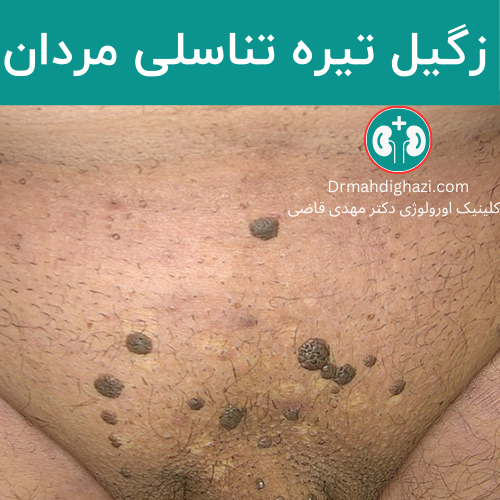
genital warts in men usually appear in areas such as the penis, scrotum, and anus. These warts can be uncomfortable, itchy, and sometimes painful. Large warts or warts located in sensitive areas such as under the skin of the foreskin may cause problems during sex.
2.Secondary infections
Similar to women, genital warts in men can change the surface of the skin and make it vulnerable to secondary bacterial and fungal infections. These infections may cause swelling, redness, and increased discomfort.
3.Urethral obstruction
In rare cases, genital warts may grow inside the urethra and cause partial or complete blockage of the urethra. This condition can lead to urinary problems, including pain and difficulty passing urine. This condition requires immediate medical intervention.
4.Effect on fertility
Although genital warts do not directly affect male fertility, the presence of large or widespread warts may indirectly cause sexual problems that can affect fertility. Also, psychological concerns associated with these warts may affect the desire for sexual activity.
How to diagnose genital warts
Diagnosis of genital warts requires a multifaceted approach that includes clinical examination, laboratory tests, and specialized techniques such as colposcopy and biopsy. Choosing the right method depends on the clinical situation, the patient's symptoms, and the purpose of the diagnosis. Using multiple methods can help in more accurate diagnosis and better management of this disease.
Examination of genital warts
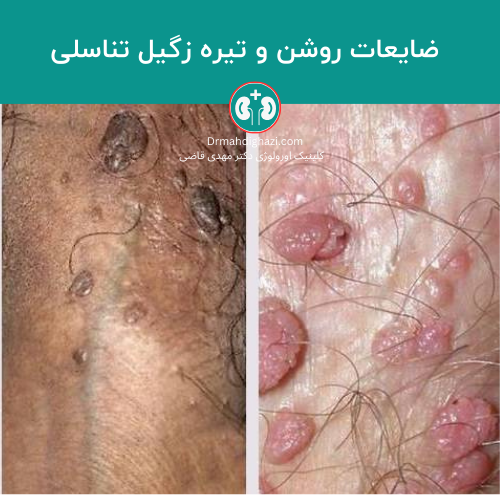
Clinical examination is the first and most common method to diagnose genital warts. In this method, the doctor examines the genital area, anus, and other suspicious areas using the naked eye or magnifying devices such as a colposcope.
In the clinical examination, the doctor looks for the presence of fleshy lesions, small bumps and sometimes interconnected warts that can be skin-colored, pink or brown. Warts may be flat, raised, or pedunculated. Clinical examination usually helps to detect large and visible genital warts.
This method is fast, non-invasive and cost-effective. It is easily done for large or visible warts.
In clinical examination Small, subsurface warts or those located in more internal areas such as inside the vagina or anus may be missed.
Also, it is not possible to accurately diagnose the type of HPV by examination.
Pap Smear test to detect genital warts
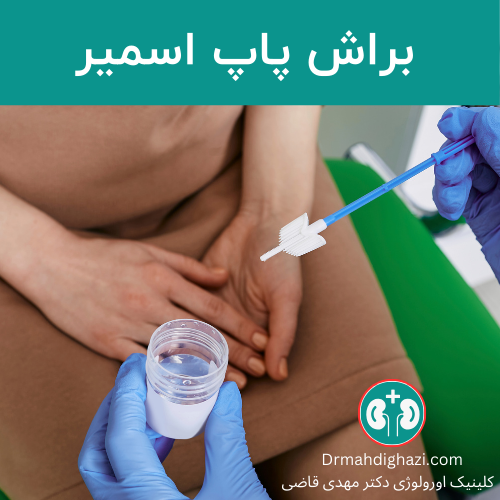
Pap smear test is one of the standard and effective methods for identifying abnormal cell changes in the cervix that can indicate precancerous or cancerous changes caused by human papillomavirus (HPV) infection. This method is mainly used as a screening tool for cervical cancer and plays an important role in preventing this disease.
In cases where a person is infected with HPV type 16 or 18, pap smear becomes doubly important. Early detection of cellular changes caused by these viruses can play a vital role in preventing progression to cervical cancer and save many women's lives.
Therefore it is necessary Symptoms of malignant genital warts Get to know or perform a Pap smear test regularly. In the following, we will get to know the process of this set.
Pap smear process
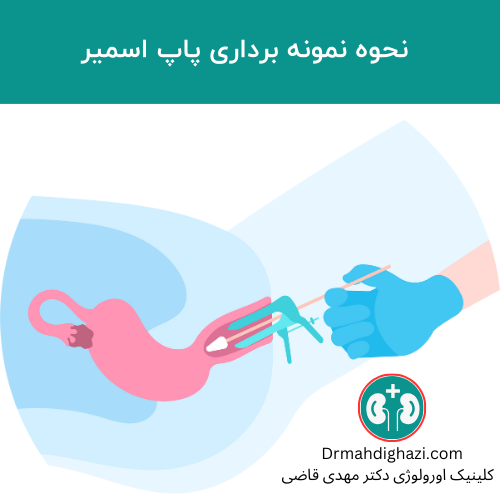
Patient preparation
Before performing a Pap smear, the doctor will gather information about the patient's medical history, including the time of the last menstrual period and any related symptoms or complaints. The patient is placed on the examination bed and places the feet on special stirrups.
Using a speculum
The doctor uses a plastic or metal instrument called a speculum to open the walls of the vagina and expose the cervix.
Cell sample collection
The doctor uses a small brush or a special spatula (cytobrush and spatula) to collect a sample of cervical surface cells. This tool is gently moved over the cervix to collect the required cells. Cell sample is done by two traditional smear methods or liquid-based sample
Traditional smear method: Cells are spread directly on a glass slide and covered with fixative.
Liquid-based cytology method: Cells are kept in a special liquid solution that allows for more precise processing.
Sending the sample to the laboratory
The collected sample is sent to a laboratory, where it is evaluated by pathologists to check for abnormal cell changes.
1. It is recommended that women from the age of 21 do this test regularly (once every three years). 2. From the age of 30 onwards, it is recommended to perform pap smear along with HPV test every five years (in case of negative results). 3. In case of genital warts, especially high-risk types such as 16 and 18, Pap smear becomes doubly important.
HPV PCR Test (HPV DNA Test)
HPV DNA test is one of the most advanced methods to detect the presence of human papillomavirus (HPV) in samples taken from genital areas.
HPV DNA testing is specifically used to identify high-risk types of the virus, including types 16 and 18, which are most associated with cervical cancer.
This test can also be used as a complementary tool in cases where Pap smear results show abnormal cell changes, to confirm the presence or absence of a high-risk infection. In addition, in women over 30 years of age, HPV DNA testing is often performed along with a Pap smear to increase screening accuracy.
The advantages of this test include the early detection of HPV infection even before cell changes occur, determining the type of virus and assessing the risk of disease progression, and its high accuracy, which has made it one of the standard screening tools in modern medicine.
However, this test also has limitations, including the inability to detect external genital warts and a higher cost than a Pap smear, although it provides more accurate information in some cases.
این مسیر از دادههای عمومی نوبتدهی و محتوای سایت ساخته شده است.
Pap smear centerTesting process HPV PCR
In the laboratory, methods such as PCR (polymerase chain reaction) are used to detect HPV DNA. This method can provide a high level of accuracy in determining the presence of the virus and identifying its type (low-risk or high-risk).
Sample collection
A sample of cells is collected from the cervix (usually during a Pap smear or independently) or other suspicious areas. This sample contains epithelial cells that may contain viral DNA.
Transfer to the laboratory
The sample is sent to a specialized laboratory where advanced molecular techniques are used to check for the presence of viral DNA.
Virus detection
In the laboratory, methods such as PCR (polymerase chain reaction) are used to detect HPV DNA. This method can provide a high level of accuracy in determining the presence of the virus and identifying its type (low-risk or high-risk).
HPV DNA testing is a valuable tool for early detection and management of HPV infections. Combining this test with a Pap smear can minimize the risk of overlooking precancerous changes or high-risk infections and help improve treatment outcomes.
genital warts biopsy
A biopsy is a diagnostic procedure in which a small sample of tissue from a wart or suspicious area is removed to be examined under a microscope. This method is used when a wart or a lesion looks unusual in clinical examination and needs a more detailed examination. After collection, the sample is sent to a laboratory to be evaluated for abnormal or cancerous cells.
Biopsy has several advantages, including providing an accurate diagnosis for the type of lesion and differentiating benign genital warts from precancerous or cancerous lesions. However, this method is more invasive than other methods and may require local anesthesia. Also, in some cases it can cause discomfort or pain.
Colposcopy to detect genital warts (Colposcopy)
Colposcopy It is a specialized diagnostic method that is used for a more detailed examination of the cervix and internal genital areas. In this method, the doctor uses a device called a colposcope, which has a high magnification capability, to evaluate the cervical and vaginal areas more accurately. For a better diagnosis, sometimes special solutions such as acetic acid solution or Lugel's iodine are used on the target area, which makes suspicious lesions more prominent.
Colposcopy allows the detection of small lesions or abnormal changes that are not visible during a normal examination. This method is especially useful for detecting precancerous lesions of the cervix.
However, colposcopy requires special expertise and equipment and may be uncomfortable for some patients. Also, this method is mostly used to examine the cervix and internal genital areas and is less useful in detecting external genital warts.
Diagnosis of genital warts with white vinegar (acetic acid)
Acetic acid solution, also known as white vinegar, is one of the simple and non-invasive methods for evaluating areas suspected of having genital warts. In this method, acetic acid solution with a concentration of 3 to 5% is applied to the desired area. After a few minutes, if an area turns white, this change can indicate the presence of genital warts. This color change is caused by the reaction of the solution with the proteins present in the wart lesions or damaged cells.
Using this method can be useful as a primary screening tool in clinical examinations due to its speed and simplicity. This technique is especially useful in detecting small, hidden warts or lesions located in hidden areas. But despite these advantages, the method of using acetic acid solution does not have high sensitivity and specificity and may provide false positive or negative results. Some other areas, such as inflammation or non-wart lesions, may also react to this solution and turn white.
This method also has other limitations; Among other things, it is not able to determine the type of HPV virus or to detect its carcinogenic risk. Therefore, the use of acetic acid solution cannot replace more accurate diagnostic methods such as pap smear test, HPV DNA or colposcopy, but as an auxiliary tool next to these methods, it can help in the early identification of suspicious areas.
Due to these limitations, the interpretation of the results of this test should be done carefully and if suspicious changes are observed, more advanced methods should be used to confirm the diagnosis. This multi-step approach can help improve diagnosis accuracy and prevent unnecessary or inadequate treatments.
Anoscopy test for anal warts (Anoscopy)
Anoscopy is a diagnostic method used to evaluate lesions and warts inside the anus. This method is especially used in people who are at high risk of rectal HPV infection, such as people with HIV or those who have high-risk sexual behaviors. In this method, the doctor uses a device called an anoscope, which is specifically designed to examine the internal areas of the anus.
An anoscope allows the doctor to carefully examine the inside of the anal canal and identify suspicious areas. To increase the accuracy of diagnosis, acetic acid solution is sometimes used so that small or hidden lesions can be seen better. This method makes it possible to identify warts or lesions that cannot be seen by external examination.
Despite the high accuracy and efficiency of anoscopy in identifying internal lesions of the anus, this method is invasive in nature and may cause discomfort to the patient. In some cases, the doctor uses local anesthesia to reduce pain and increase patient comfort. In addition, performing anoscopy requires specialized equipment and high physician experience, which may limit access to this procedure.
In general, endoscopy is a valuable tool in the diagnosis of warts and internal lesions of the anus, but it is usually combined with other methods such as biopsy or colposcopy to ensure accurate diagnosis and appropriate treatment.
Advanced molecular tests for the diagnosis of genital warts
Molecular and genetic tests, as the most accurate diagnostic methods, allow the identification of different genotypes of the human papillomavirus (HPV) and the assessment of the risks associated with it. In addition to detecting the type of virus, these methods also determine the viral load in some cases and provide important information about the severity of the infection.
These tests are especially important in identifying high-risk types of HPV, including types 16 and 18, which are directly linked to cervical cancer. Due to their high sensitivity, molecular methods are able to detect the virus even in the early stages of infection, before cellular changes occur.
The most important and common test to determine the type of genital warts virus is the HPV PCR test, which we discussed above, there are also other types of tests that we briefly mention below.
Advanced molecular tests for HPV detection
Cobas HPV Test
This test is one of the standard methods in cervical cancer screening that can identify high-risk types of HPV, especially types 16 and 18. Cobas HPV Test is highly accurate and is used in many reputable laboratories to check the status of HPV infection.Testing Hybrid Capture 2 (HC2)
This method is based on DNA and RNA hybridization and is able to identify a group of high-risk and low-risk HPV genotypes. Hybrid Capture 2 is used as one of the approved methods in HPV screening and can provide accurate information about the presence of the virus.Aptima HPV Assay
Unlike DNA-based methods, this test examines the messenger RNA (mRNA) of the virus, which indicates the activity of the virus and the likelihood of progression to more serious disease. Aptima is particularly effective in detecting active and high-risk HPV infections.HPV Genotyping Test
This test is specifically performed to determine the genotype of the HPV virus and determines which type of virus (low-risk or high-risk) a person has. This information is important for assessing the risk of developing HPV-related diseases.E6/E7 mRNA Expression Test
This method examines the expression of E6 and E7 genes of HPV virus. These two genes are associated with an increased risk of developing cervical cancer, and examining their activity can provide valuable information about the possibility of the virus causing cancer.
These tests are usually recommended in the following situations:
Screening in women with abnormal pap smear results which need to be examined more closely.
Investigating the risk of infection in high-risk individuals such as patients with HIV or those with a family history of cancer.
Assessment of infection severity and viral load To determine appropriate treatment strategies.
Treatment of genital warts
HPV treatment includes methods such as topical drugs, cold therapy (cryotherapy), laser therapy and, in certain cases, surgery to remove lesions. Also, in some cases, drugs that strengthen the immune system are also prescribed. In the following, each of the methods will be described.
Cryotherapy of genital warts
Cryotherapy or cold therapy is one of the effective methods for treating genital warts, which destroys infected tissues by using direct freezing. In this method, liquid nitrogen, which has a temperature close to minus 196 degrees Celsius, is used to quickly freeze the wart cells. This sudden freezing causes tearing and destruction of the cell structure of the wart, and as a result, the wart gradually disappears. After this treatment, the body removes the damaged tissues and heals the damaged area by repairing it.
Cryotherapy treatment begins with the complete preparation of the area and its disinfection. Then, the doctor applies liquid nitrogen to the wart using an applicator, and the wart freezes within seconds. This process usually takes between 10 and 20 seconds and may be repeated in several sessions if needed for larger warts.
The advantages of cryotherapy include the rapid destruction of the wart, reducing the possibility of spreading the virus, and having few side effects. Because of the topical application of nitrogen, this procedure does not require surgery or incisions and may only cause a slight burning sensation or pain. After the treatment, small blisters may appear in the area, which gradually dry up. A temporary change in skin color is also possible, but this change usually disappears over time.
Finally, cryotherapy is an effective and quick method for genital warts, which, following the doctor's recommendations after treatment, will lead to good results and reduce the risk of virus transmission.
Laser genital warts
Treatment of genital warts with laser One of the advanced and effective methods to remove resistant warts is in which concentrated laser energy is used to destroy the wart tissue. By creating high heat, the laser burns the infected cells and destroys them quickly. This method is especially suitable for large, resistant warts or warts located in difficult areas.
Laser treatment is usually performed under local anesthesia and in some cases, depending on the extent of the warts, general anesthesia may be required. After cleaning and anesthetizing the area, the doctor shines the laser device on the wart tissue. The laser's focused energy rapidly destroys the wart tissue while closing the blood vessels feeding the wart, which reduces bleeding and accelerates healing. Once done, the warts are completely gone and results are usually visible in the same session.
One of the advantages of laser treatment of genital warts is its speed and accuracy. This method causes minimal damage to the surrounding healthy tissues and due to the high power of the laser, reduces the possibility of warts returning. Also, laser is an ideal option for people whose warts have not responded to other methods or are located in deep and difficult to reach areas.
However, there is a need for post-treatment care to prevent infection and speed recovery. Patients should keep the area clean and avoid external irritation. Laser treatment is an effective and advanced method to remove genital warts, which provides very favorable results, especially for complicated or resistant cases, and also reduces the risk of virus transmission.
genital warts surgery
Surgical treatment of genital warts is one of the effective ways to remove large warts that are resistant to other treatment methods. This method involves the complete removal of the wart tissue using surgical instruments and is usually performed in the doctor's office under local anesthesia. Wart surgery is particularly suitable for people whose warts have not responded to topical treatments or cryotherapy, and this procedure also reduces the chance of warts returning due to the complete destruction of the infected tissue.
genital warts surgery begins with cleaning and numbing the area so that the patient does not feel pain. Then, using special tools, the doctor completely removes the wart tissue and stitches the wound. This surgery may take some time depending on the number and size of the warts. In some cases, electrocautery (burning with electric heat) or laser is also used as a supplement to close blood vessels and reduce bleeding.
One of the advantages of genital warts surgery is its quick and definitive result, because the warts are removed in the same session. Also, this method allows accurate and complete destruction of warts and is very effective in advanced cases. Of course, this method requires post-surgical care to reduce infection and discomfort. Patients should usually keep the area clean and refrain from vigorous activities for a few days.
Finally, genital warts surgery is recommended as one of the definitive and effective treatment options for resistant and severe cases, which may be the only effective solution to eliminate genital warts, depending on the type and extent of the wart.
Medical treatment of genital warts
Medical treatment of genital warts is done with the aim of eliminating the lesions, reducing the possibility of recurrence and reducing the viral load at the site of infection. Although no drug can completely eradicate the HPV virus from the body, some drug treatments can play an effective role in reducing the severity of the disease and controlling warts.
Modern drug therapies mainly focus on modulating the immune response and inhibiting viral replication. Immune-modulating drugs help fight HPV by strengthening the body's immune system, and in some cases, remove warts and reduce the possibility of their return. On the other hand, some antiviral compounds, by directly affecting the infected cells, inhibit the process of virus reproduction and lead to a reduction in the number and size of warts.
In addition to common drug treatments, the use of herbal and natural treatments has also been investigated in some studies. Some plant compounds have antiviral and anti-inflammatory effects that can help reduce symptoms and heal lesions. Of course, the effectiveness and safety of these treatments still need more scientific research.
In general, choosing the right treatment method depends on various factors, including the severity of the lesions, the condition of the patient's immune system, and the response to previous treatments. The combination of pharmaceutical methods and other treatment methods can be effective in improving treatment results and reducing the possibility of recurrence of genital warts.
Acyclovir
Acyclovir is an antiviral drug commonly used to treat infections caused by herpes simplex virus (HSV) and varicella zoster virus (VZV). However, its use in the treatment of genital warts, which are caused by the HPV virus, is generally more limited and is not considered a primary treatment option.
Acyclovir works by preventing the replication of the DNA of viruses. This drug is effective for viruses that use similar mechanisms for replication. Because HPV and HSV are different viruses, acyclovir does not have a significant direct effect on HPV.
Studies have shown that acyclovir is not effective in directly controlling genital warts caused by HPV. Therefore, this drug is not recommended as an alternative treatment for genital warts except in certain cases where other viral infections are also present.
Valacyclovir and Famciclovir
Like acyclovir, valacyclovir and famciclovir are drugs that are used to treat herpes viruses and do not have a direct effect on HPV. These drugs are not prescribed for HPV infections and may be used only if herpes infections are present at the same time.
Herbal medicines and traditional medicine
In recent years, research has been focused on the use of herbal treatments to deal with genital warts. Some of these treatments are based on the anti-viral and anti-inflammatory properties of plants and are known as complementary medical treatments. Be careful that these methods are never enough on their own and relying on them takes away the chance of early treatment. Even in cases like using Apple cider vinegar to treat genital warts, skin damage and the spread of warts may occur in that area.
Green tea extract (Sinecatechins)
One of the herbal remedies that are prescribed directly for genital warts is green tea extract or Syncachin is This extract contains plant catechins that have antiviral properties and prevent the proliferation of HPV. Green tea extract is applied topically on warts.
Catechins, especially epigallocatechin gallate (EGCG), have antiviral properties and can inhibit the proliferation of various viruses, including HPV. Also, these compounds strengthen the local immune system and help heal wounds faster.
Studies have shown that using green tea extract can help reduce the size and number of genital warts. Syncatechin has been approved by the US Food and Drug Administration (FDA) as a topical herbal remedy for the treatment of genital warts.
Tea Tree Oil
Tea tree oil is another herbal remedy known for its antiviral and antibacterial properties. This oil is widely used in the treatment of various skin infections, including warts.
The compounds in tea tree oil, especially terpinen-4-ol, have antiviral properties and can help prevent the proliferation of the HPV virus.
Tea tree oil has been used experimentally in the treatment of genital warts, but there is no strong scientific evidence to prove its effectiveness. Some patients have reported that topical application of tea tree oil can reduce the size of warts and improve symptoms.
Propolis
Propolis is a resinous substance produced by honey bees and has antiviral and anti-inflammatory properties. This substance has been investigated as a natural treatment in some studies, especially in the treatment of warts.
Propolis contains flavonoids and anti-inflammatory compounds that can help strengthen the body's immune system and inhibit the proliferation of various viruses, including HPV.
Early research suggests that using creams containing propolis can help reduce genital warts, but more studies are needed to confirm its effectiveness and safety.
Ganoderma
It is known as a medicinal mushroom with antiviral and immune system strengthening properties. Its active ingredients such as Polysaccharides and Triterpenoids They can help inhibit the proliferation of viruses and strengthen the immune system. While there are no detailed studies on the effect of ganoderma on genital warts (HPV), its mechanisms include Enhance immune response and Reduce inflammation May help heal genital warts. However, this mushroom is used as a supplement and should not replace standard treatments.
Prevention and control of genital warts
People with genital warts should pay special attention to health precautions to prevent the spread of the virus and facilitate recovery. Following these health principles, along with the prescribed treatments, can help to better control the disease and reduce the possibility of transmission to others.
Following are some health tips and important recommendations for Prevent the transmission of genital warts It is mentioned.
Use a condom
Although condoms cannot completely prevent HPV transmission because they may not cover the entire genital area, regular use of condoms during any type of sex (vaginal, anal, or oral) can help reduce the risk of transmitting the virus.The role of condoms in preventing genital warts, especially important if there are visible warts.
Avoiding sexual activity during the period of active infection
People with genital warts should refrain from sexual intercourse during wart treatment and when the warts are active. Active warts are the most likely to transmit the virus, so it is recommended to avoid sexual activity or, if necessary, use a condom until complete recovery.
Avoid irritating or touching the warts
Avoiding itching, touching or irritating the warts is very important. Touching or scratching warts can spread the virus to other parts of the body or to others. Also, it may cause secondary bacterial infection. If it is necessary to clean the area of warts, it is better to use disposable gloves and wash hands thoroughly after touching the wart.
Observance of personal hygiene
Daily washing of the genital area with lukewarm water and mild soaps can help prevent secondary infections. It is better to avoid strong soaps or perfumes that may irritate the skin.
After bathing or washing, dry the affected area with a clean towel. Avoid sharing towels with others, as the HPV virus can be transmitted through contaminated objects.
Avoid sharing personal items such as towels, underwear, and hygiene items such as razors. These devices can be places where the virus accumulates and cause the virus to be transmitted to others or spread in the infected person's body.
Follow up on prescribed treatments
It is very important to strictly follow the doctor's instructions regarding the use of topical medications or other treatment methods. Improper or irregular use of drugs may prolong the treatment period or recur warts.
Patients should follow their treatment plans completely, even if the symptoms of warts are reduced. Stopping treatment early may cause the warts to return.
HPV vaccination
Although the HPV vaccine is designed to prevent some types of HPV,HPV vaccine injection after infection The virus can also prevent other types of HPV and reduce the risk of genital warts in the future. This vaccine is especially recommended for people who are in their early sexual life and is the most effective way to prevent genital warts.
Notify the sexual partner
People who have genital warts should inform their sexual partner or partners so that they can perform the necessary examinations in time and prevent possible transmission. This action is very important from the point of view of ethics and health.
Strengthen the immune system
A strong immune system can help fight the HPV virus. Some simple actions such as:
to have Healthy and balanced diet Include fruits, vegetables, and proteins.
regular exercise To strengthen the body.
enough sleep.
Quit smoking
Avoid long-term stress. These things can help improve the functioning of the immune system and better fight the virus.
Regular examinations
People with genital warts should see a doctor regularly to monitor and evaluate their condition. These examinations help to prevent possible complications, identify the recurrence of the disease and follow the treatment process. In cases where warts reappear after treatment, it may be necessary to change the treatment method or strengthen the treatment.
Follow-up after treatment of genital warts
genital warts can even after treatment relapse, because the HPV virus may remain latent in the body. A person's immune system can control the virus, but warts can still come back. Therefore, continuous and regular follow-up by patients and doctors is very important to prevent the recurrence of warts.
Reasons for follow-up
The possibility of return of warts: Even after physical removal of warts, the HPV virus remains in the skin and mucous membranes, and new warts may reappear after a few weeks or months.
Identification of possible complications: Regular follow-up can help identify complications such as inflammation, secondary infections or precancerous changes in genital tissues.
Evaluation of response to treatment: Some treatments may need more time and the doctor must ensure the body's response to the treatment and control the virus.
Time intervals to follow up
Appropriate time intervals for follow-up treatment of genital warts vary depending on the type of treatment and the patient's response. In general, the following recommendations are usually made:
A few weeks after the initial treatment: After initial treatment (either through medical or physical methods), patients should 2 to 4 weeks Then go to the doctor for re-evaluation. In this examination, the doctor checks whether the warts are completely gone and whether there are any side effects.
Periodic examinations in the first 6 months: In the first 6 months after treatment, the probability of recurrence of warts is higher. Therefore, it is recommended that every patient 1 to 3 months See a doctor for an examination.
Annual examinations: Even after the treatment is completed and the warts are healed, patients should visit the doctor annually for HPV status evaluation and early detection of any recurrence or complications. This advice is especially important for people with weakened immune systems, such as those with HIV.
genital warts vaccine
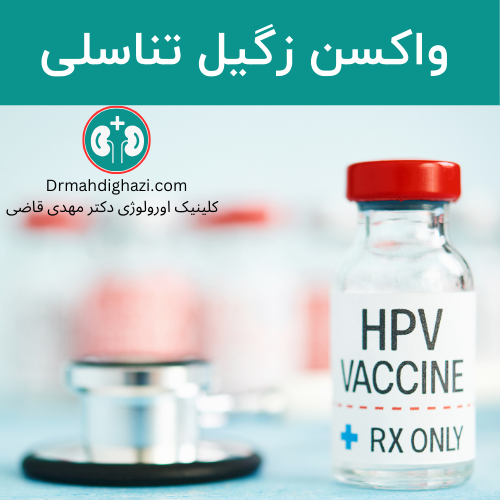
HPV vaccination It is considered one of the most effective ways to prevent contracting this virus and reduce the risk of related diseases.
Almost all sexually active people who are not vaccinated will be exposed to HPV in their lifetime. Every year, thousands of people around the world are diagnosed with HPV-related cancers, even though these diseases are preventable with vaccination. Therefore, it is recommended to inject the HPV vaccine, especially before starting sexual activity, so that a person can gain the necessary immunity before being exposed to the virus.
The Centers for Disease Control and Prevention (CDC) and the World Health Organization (WHO) recommend that HPV vaccination be given between ages 11 and 12 and before the onset of sexual activity, but it can also be started as early as age 9. At this age, the vaccine is most effective, because people are less exposed to the virus and the body's immune response against it will be stronger. The HPV vaccine can also be given at the same time as other vaccines in the immunization schedule.
This vaccine is prescribed in two schedules, two doses and three doses, which are determined based on the age and immune status of the person:
For 9 to 14 year olds:The vaccine is injected in two doses. The first dose is prescribed at the specified time and the second dose is administered 6 to 12 months later. The minimum interval between two doses should be 5 months to achieve complete safety.
For people aged 15 to 45 and people with immune deficiencies:The vaccine is injected in three doses. The second dose is prescribed 1 to 2 months after the first dose and the third dose 6 months after the first dose. In this schedule, the intervals between doses are as follows: at least 4 weeks between the first and second doses, at least 12 weeks between the second and third doses, and at least 5 months between the first and third doses.
Although the main recommendation is to get the vaccine before becoming sexually active, people up to age 45 can still benefit from the vaccine, especially if they are at risk of new HPV infections. In addition, immunocompromised individuals, including those with HIV, patients undergoing immunosuppressive treatments, and organ transplant recipients, need to receive three doses of the vaccine to develop sufficient immunity to fight the virus due to a weak immune response.
Papillogard vaccine
Papillogard It is an Iranian vaccine produced by Niwad Pharmed Salamat company. This bivalent vaccine is designed to prevent HPV strains 16 and 18, which are the most dangerous types of this virus. Papillogard contains auxiliary substances MPL and aluminum salt, which help to increase the intensity and duration of the immune response in the body. This vaccine is effective in preventing cancers related to these two strains.
Gardasil vaccine
Gardasil It is one of the most widely used HPV vaccines in the world. This vaccine is available in two types:
4-valent Gardasil (Gardasil 4):This vaccine protects against four types of HPV (strains 6, 11, 16 and 18). Strains 6 and 11 are responsible for most cases of genital warts, while strains 16 and 18 are associated with many HPV-related cancers.
9-valent Gardasil (Gardasil 9):In addition to the above four strains, this more advanced version protects against five other strains (31, 33, 45, 52 and 58) that are also associated with some HPV-related cancers.
Summary
genital warts, known as one of the most common sexually transmitted infections, are caused by the human papillomavirus (HPV). This virus includes more than 200 different types, some of which are harmless and only lead to benign genital warts, while some high-risk types can be associated with precancerous and cancerous changes in the genital area, cervix, anus, and even the mouth and throat.
Diagnosis of genital warts It requires careful medical examination and methods such as clinical examination, HPV DNA test, and in some cases biopsy and colposcopy are used. Because of HPV's ability to remain hidden in the body and cause no symptoms in many people, there is a risk of transmission of the virus even without obvious symptoms, which highlights the importance of screening and early detection.
For the treatment of genital warts, various methods such as cryotherapy, laser therapy, local drugs and surgery are used. Although these methods can eliminate the warts, the HPV virus may still remain latent in the body, and as a result, there is a possibility of warts returning. For this reason, treatment methods usually focus on removing lesions and reducing symptoms, emphasizing the importance of regular follow-up.
Prevention of HPV through vaccination is very effective and can significantly reduce the risk of contracting high-risk types of this virus and genital warts. The HPV vaccine is recommended especially for adolescents and young people before starting sexual activity and is highly effective in reducing the spread of cancers related to this virus. Also, using condoms, limiting sexual partners, and maintaining a healthy immune system can be effective in reducing the risk of infection.
Finally, awareness of the HPV virus, ways of transmission and methods of prevention and treatment, along with regular medical care, can help manage and control this disease and prevent its serious complications. Paying attention to the importance of vaccination, observing health tips and periodic screening can play an important role in reducing the prevalence of genital warts and improving public health.
Sources of this article
Sites
Books
Sexually Transmitted Diseases" by King K. Holmes et al
"Human Papillomavirus: A Practical Guide for Urologists" by Margit Fisch
"HPV and Cervical Cancer" by Franco Borruto and Marc De Ridder
Common questions of patients about genital warts
In this section, we have collected the common questions of patients in the field of genital warts, transfer and treatment methods for you along with the answers. If you do not find the answer to your question, be sure to ask your question in the comments of this article so that we will answer you as soon as possible.
Actions & related links
Doctors for this topic in Mashhad
See all doctors: Best Male Genital Warts Doctors in Mashhad




About the author

Urologic Surgeon
دکتر مهدی قاضی, Urologic Surgeon in Mashhad. Articles on this site are written and reviewed under the supervision of the Urology Building's physicians.
View profile & bookRelated articles
All articlesWhat Is Polycystic Kidney Disease? (Fetal and Adult PKD)
دکتر مهدی قاضی · June 26, 2026
What Is a Renal Cortical Cyst? Symptoms, Diagnosis, and Treatment
دکتر مهدی قاضی · June 26, 2026
Kidney Transplant: Cost, Blood Type Compatibility, and Surgical Method
دکتر مهدی قاضی · June 26, 2026
What Is Pyelonephritis? Kidney Infection Symptoms, Diagnosis, and Treatment
دکتر مهدی قاضی · June 26, 2026
Comments
19 comments