
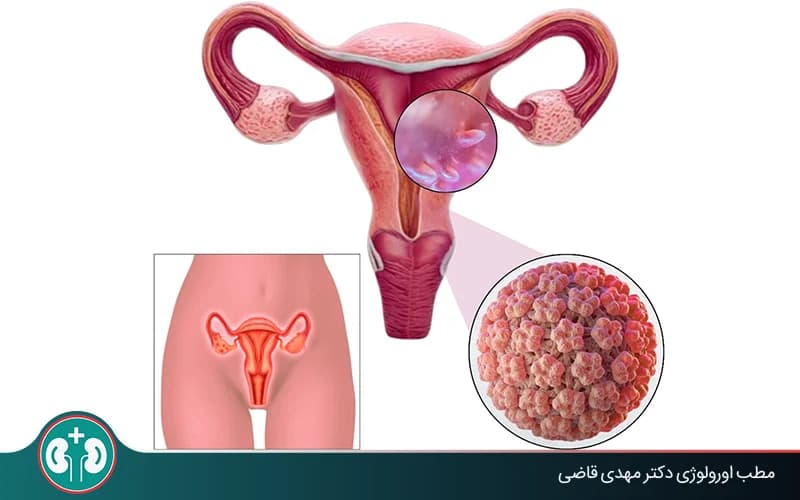
 Tap to zoom
High-Risk or “Malignant” genital warts: Symptoms, Diagnosis, and Treatment
The phrase “malignant genital warts” usually refers to genital warts or suspicious lesions in the setting of high-risk HPV. The wart itself is not automatically cancerous, but persistent high-risk HPV can increase the risk of precancerous changes and certain cancers.
- نویسنده
- دکتر مهدی قاضی
- Published on
- June 26, 2026
- Reading time
- 5 min read
- Last updated
- Updated: September 4, 2026
The phrase “malignant genital warts” is usually used to refer to warts or wart-like lesions associated with high-risk types of human papillomavirus (HPV). genital warts caused by low-risk and high-risk HPV do not have a reliable visible difference.
What matters clinically is persistent activity of high-risk HPV types such as 16 and 18, which can increase the risk of precancerous changes and cancers such as cervical, anal, penile, and throat cancers.
In this article, we discuss the warning signs linked to high-risk HPV, along with methods of diagnosis and treatment. We also review the possible risks and complications of these infections and ways to help prevent them. If you want to understand this group of genital warts-related concerns better, read on.


First and Most Important Question: What Are “Malignant” genital warts?
“Malignant genital warts” is a nontechnical phrase often used for genital warts or suspicious lesions associated with infection by high-risk HPV types. These types, especially HPV 16 and 18, are linked to a higher chance of precancerous changes and some cancers. However, a genital warts itself is not considered malignant.
Clinically, genital warts caused by low-risk and high-risk HPV do not have a clear difference in appearance or symptoms. Serious complications such as cervical, anal, penile, or throat cancer result from long-term activity of high-risk HPV in tissues.
Symptoms such as abnormal bleeding, changes in tissue shape or color, and persistent sores are not typical signs of genital warts; instead, they may point to precancerous or cancerous changes related to high-risk HPV.
The Main Difference Between High-Risk and Low-Risk genital warts
The difference between high-risk and low-risk genital warts is not their appearance; it depends on the HPV type and its possible complications. A genital warts is only one sign of HPV infection, and the shape, size, or color of a wart cannot show whether the virus is high-risk or low-risk.
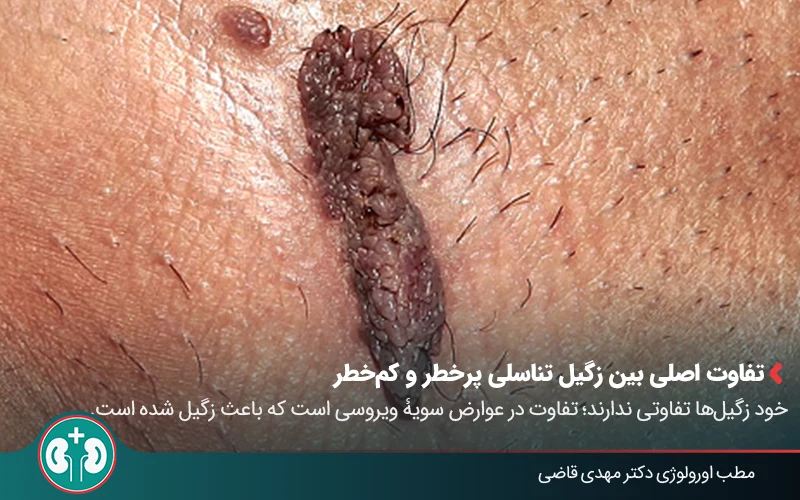
Comparing the Visible Symptoms of Warts
As noted, genital warts associated with low-risk and high-risk HPV do not have a clear visible difference. These lesions usually appear as small, soft, skin-colored or pink bumps. They may be painless or cause only itching and mild discomfort.
The appearance of a wart is not a reliable way to determine the viral type. Whether HPV is high-risk or low-risk can only be assessed through medical evaluation.
Comparing Complications Caused by HPV Types
The main complication of low-risk HPV types is genital warts, which can be cleared with current treatments, although recurrence is possible.
By contrast, high-risk HPV types can cause precancerous and cancerous cellular changes in areas such as the cervix, anus, penis, and throat, even when there are no warts or after visible warts have been treated and removed. Therefore, the main risk comes from the high-risk virus itself, not from the wart as a skin lesion.
Ultimately, identifying the HPV type and assessing its possible risks requires a medical examination and specialist tests such as HPV testing, Pap smears in women, and biopsy when needed. Regular screening plays an important role in finding cellular changes early and preventing serious complications from high-risk HPV types.
Warning Signs of High-Risk HPV
genital warts symptoms related to high-risk HPV may, in the early stages, resemble benign warts, be very mild, or be almost unnoticeable.
If high-risk HPV remains active, some people may gradually develop precancerous changes in the affected tissues. However, many people with high-risk HPV never develop cancer. If abnormal or suspicious symptoms appear, it is important to see a urologist for specialist evaluation and early diagnosis.
Below, we review warning signs in men and women separately and in detail:
Warning Signs of High-Risk HPV in Men
In this section, we review warning signs in men with high-risk HPV. Keep in mind that these warning signs may be related to precancerous changes caused by HPV activity in the body:
Persistent lesions or sores: Sores or lesions on the penis, scrotum, around the anus, or in the groin that do not gradually heal or that become larger.
Changes in skin color or texture: Areas of skin that look firm, thickened, red, or darker than the surrounding skin.
Unusual bleeding: Bleeding from a skin lesion, especially after intercourse or without a clear reason, is another warning sign that needs medical evaluation.
Chronic pain or itching: Ongoing pain, burning, or itching in the genital area or around the anus that does not improve with usual treatments.
If you notice any of the symptoms described in this section, you should see a doctor promptly so the necessary examinations and treatment steps can be performed.

Warning Signs After High-Risk HPV Infection in Women
genital warts inside the vagina or on the cervix are often not visible to the naked eye and are identified only through specialist evaluation such as a Pap smear or colposcopy. Cellular changes caused by high-risk HPV in the cervix usually do not cause obvious visible symptoms until they reach more advanced stages.
Because high-risk HPV types such as 16 and 18 are among the main causes of cervical cancer, paying attention to symptoms that may suggest precancerous change or cancer can help you seek timely diagnosis and care. We review these symptoms below:
Abnormal vaginal bleeding: Bleeding between menstrual periods, after intercourse, or after menopause;
Unusual vaginal discharge: Vaginal discharge with an unpleasant odor, a change in color, especially brown or bloody discharge, or an increased amount of discharge;
Pelvic pain or pain during intercourse: Persistent pelvic pain or pain and discomfort during sex;
Unusual lesions: Any sore, lump, color change, or firm bump on the vulva, perineum (the area between the vagina and anus), or around the anus.
Regular screening, including Pap smears and HPV testing, is very important for women because internal high-risk HPV-related changes may not cause any clear signs or symptoms.
How genital warts or Lesions Related to High-Risk HPV Are Diagnosed
One of the most important steps in managing suspected high-risk HPV-related genital lesions and preventing cancer progression is accurate specialist diagnosis. In this section, we review diagnostic methods for genital warts or lesions related to high-risk HPV in men and women.
1. Clinical Examination: The First Step in Assessing High-Risk genital warts in Men and Women
A genital warts examination is the first step in assessing the condition. The doctor checks the genital area, anus, and mouth for any suspicious lesion, color change, abnormal texture, or sore. However, clinical examination alone is not enough to determine whether genital warts are linked to low-risk or high-risk HPV, especially for internal lesions or findings that cannot be seen with the naked eye.
2. Pap Smear
The Pap smear is a common test for detecting suspicious cellular changes in the cervix that may show the beginning of a precancerous process. It is especially recommended for women. With this test, the specialist checks for precancerous or cancerous changes related to HPV.
3. HPV Test
Another useful test for identifying high-risk HPV is the HPV test. This test looks directly for HPV DNA in samples collected from the cervix in women or, when clinically appropriate, from suspicious lesions.
More important than simply detecting HPV is HPV typing, which determines which viral type the person has. This information is essential for assessing cancer risk.
4. Colposcopy
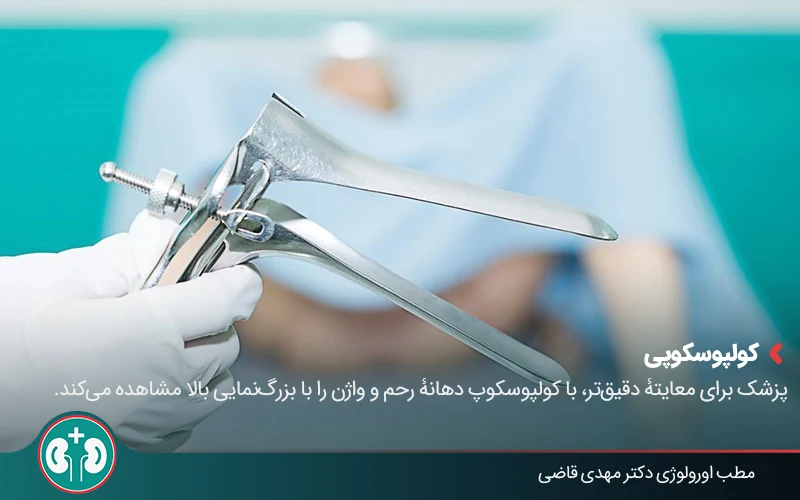
If the Pap smear or HPV test results are abnormal, the doctor may recommend colposcopy. In this procedure, a special device called a colposcope is used to view the cervix and vagina under high magnification so any abnormal area can be identified.
5. Biopsy
If the doctor notices a suspicious area during clinical examination, Pap smear follow-up, or colposcopy, a small tissue sample may be taken and sent to the laboratory for pathologic examination.
Biopsy is the most accurate way to confirm precancerous or cancerous change in a suspicious genital, anal, oral, or throat lesion, and it also determines the exact type of lesion.
Together, these diagnostic methods help the doctor distinguish low-risk genital warts from high-risk HPV-related disease with greater accuracy and plan appropriate treatment. Regular medical visits and screening are key to early diagnosis and successful management.
Risks and Complications of High-Risk HPV-Related genital warts
High-risk HPV infection associated with genital lesions can be linked to serious and sometimes irreversible health complications.
Cancer
One of the most important consequences of persistent high-risk HPV infection is cervical cancer in women. This cancer usually has no specific signs or symptoms in its early stages, and without timely screening it may progress to advanced, dangerous stages. Anal and penile cancers are also among the cancers linked to high-risk HPV types.
Transmission to a Sexual Partner
Apart from cancer risk, HPV can also be transmitted to a sexual partner. Other people may therefore become exposed to high-risk HPV and its possible complications.
Anxiety, Reduced Self-Confidence, and Lower Sexual Desire
When someone has genital warts, their confidence during sex may decrease. Anxiety may also reduce sexual desire, which can negatively affect intimate relationships.
Treatment Methods for High-Risk HPV-Related genital warts
In general, treatment and removal methods for visible genital warts do not differ between low-risk and high-risk HPV types; the main goal is to clear visible lesions.
The important difference is the need for medical follow-up and periodic examinations after treatment, especially in people with high-risk HPV, because the main risk comes from viral activity in the tissues, not from the wart itself.
1. Clearing genital warts
To remove genital warts, the doctor chooses among different methods depending on the location, number, and condition of the lesions, including:
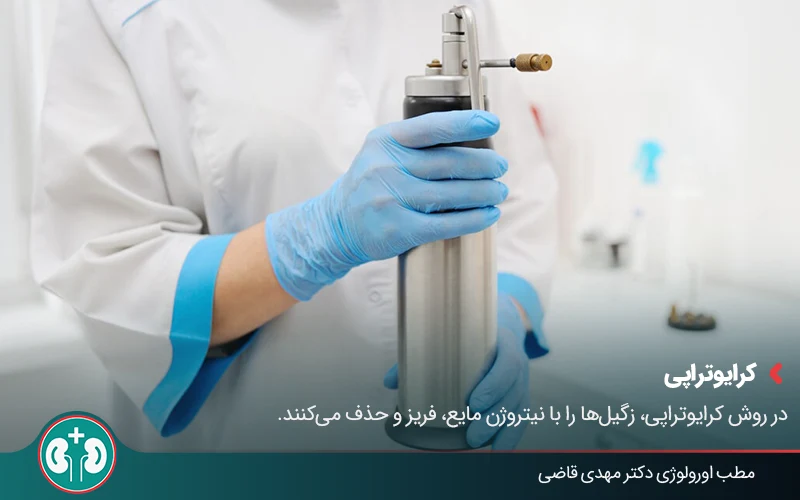
Cryotherapy (freezing the wart with liquid nitrogen);
Laser treatment for deep or resistant lesions;
Surgery to remove warts;
Topical medications in selected cases.
These methods can remove the wart, but they do not mean that HPV has been completely eliminated from the body.
2. Follow-Up and Periodic Examinations
People with high-risk HPV need regular medical follow-up even if they have no visible warts or after all visible lesions have been cleared.
Periodic examinations and screening tests such as Pap smears in women help identify precancerous changes or abnormal cells early, when treatment is more effective. Many people with high-risk HPV never develop cancer, but regular monitoring plays a key role in preventing serious complications.
Ways to Prevent Transmission of High-Risk HPV
HPV prevention is an important part of protecting sexual and public health. Fortunately, there are currently strategies that can help prevent transmission of the virus or reduce the risk.
1. Gardasil Vaccine
The most important and effective strategy is vaccination. HPV vaccines such as Gardasil can protect against the most common high-risk types, especially HPV 16 and 18, as well as some low-risk types.
Vaccination in adolescents and young adults before sexual activity begins is the best time to achieve maximum protection. Adults may also receive the vaccine after discussing it with a doctor.
2. Avoiding High-Risk Sexual Behaviors
Correct and consistent condom use during every sexual encounter can reduce the risk of HPV transmission, but it cannot eliminate it completely because HPV can be present on skin not covered by a condom. Reducing the number of sexual partners and avoiding high-risk sexual behaviors are also preventive strategies.
3. Sexual Health Education
One of the most important steps for preventing transmission of low-risk and high-risk HPV is sexual health education. Awareness of how HPV is transmitted, the symptoms of low-risk and high-risk genital warts, and the importance of regular screening, especially Pap smears for women, can play an important role in improving sexual health.
Summary
In this article, we used a scientific approach to review high-risk HPV infection and its relationship with genital warts, and to clarify the difference between the wart itself and complications caused by high-risk viral types.
As explained, a genital warts by itself is not a specific sign that shows whether HPV is high-risk or low-risk, and often there is no clear visible or symptomatic difference.
Warning signs usually appear when high-risk HPV types cause precancerous or cancerous changes in tissues. Therefore, if you notice any abnormal change in the genital area, around the anus, or in the groin, it is best to see a urologist so the necessary specialist examinations and screenings can be performed. Timely diagnosis and regular medical follow-up play an important role in preventing serious complications of high-risk HPV.
Frequently Asked Questions
Actions & related links
Doctors for this topic in Mashhad
See all doctors: Best Male Genital Warts Doctors in Mashhad


About the author

Urologic Surgeon
دکتر مهدی قاضی, Urologic Surgeon in Mashhad. Articles on this site are written and reviewed under the supervision of the Urology Building's physicians.
View profile & bookRelated articles
All articlesWhat Is Polycystic Kidney Disease? (Fetal and Adult PKD)
دکتر مهدی قاضی · June 26, 2026
What Is a Renal Cortical Cyst? Symptoms, Diagnosis, and Treatment
دکتر مهدی قاضی · June 26, 2026
Kidney Transplant: Cost, Blood Type Compatibility, and Surgical Method
دکتر مهدی قاضی · June 26, 2026
What Is Pyelonephritis? Kidney Infection Symptoms, Diagnosis, and Treatment
دکتر مهدی قاضی · June 26, 2026
Comments
0 comments
No comments yet. Be the first to share your thoughts.