 Tap to zoom
Are genital warts Dangerous During Pregnancy?
genital warts during pregnancy usually do not seriously harm the mother or baby, but growth, delivery planning, and safe treatment need medical follow-up.
- نویسنده
- دکتر مهدی قاضی
- Published on
- June 26, 2026
- Reading time
- 5 min read
- Last updated
- Updated: June 27, 2026
genital warts during pregnancy usually do not create a serious risk to the health of the mother, fetus, or newborn, and they are not by themselves a barrier to vaginal delivery.
However, hormonal changes during this period may cause warts to grow faster and create problems for the mother or for the delivery process.
Also, although the chance of transmitting the virus to the fetus or newborn is very low, in rare cases the fetus or newborn may become infected with the virus during pregnancy or during delivery.
In the rest of this article, we fully examine whether genital warts during pregnancy are dangerous. We also explain why warts grow faster in pregnancy, what risks they may carry for the mother and child, and which treatment methods are completely safe for you.
Stay with us until the end of this article so you can reduce possible risks as much as possible and experience a safe pregnancy and delivery for yourself and your baby with greater peace of mind.
Why do genital warts grow faster during pregnancy?
Some changes during pregnancy cause warts to grow faster, become larger, or increase in number. Even women who carry the HPV virus but have no visible warts may develop wart growth during pregnancy.
The following are among the reasons this happens:
Reduced immune-system strength, creating suitable conditions for viral growth and multiplication;
Increased vaginal discharge and a more moist environment;
Increased steroid hormones such as progesterone, which can speed wart growth;
Increased blood flow in the pelvic area and better blood supply to genital warts.
Complications for the mother, child, and delivery | Are genital warts dangerous during pregnancy?
genital warts during pregnancy usually do not cause irreversible complications. Rapid wart growth or self-treatment with medicines may create problems for the mother or fetus, but these issues can be controlled and prevented with timely medical care. Below, we review the complications of genital warts during pregnancy separately for the mother, child, and delivery.
A) Complications of genital warts during pregnancy | For the mother
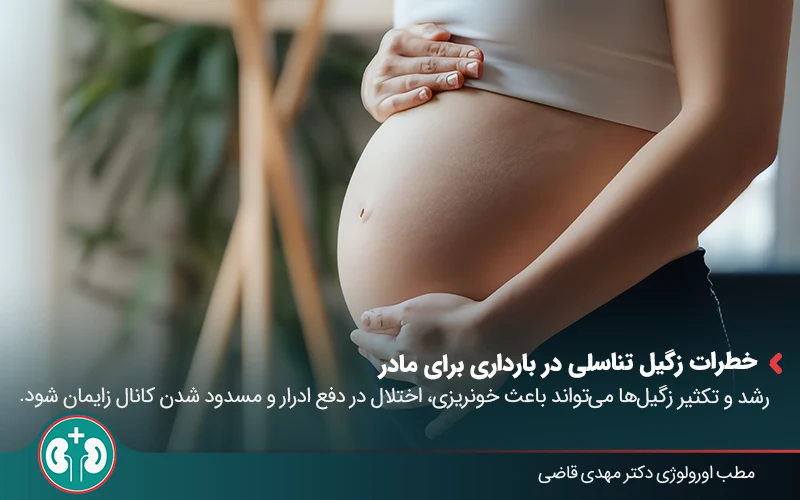
genital warts during pregnancy usually do not endanger the mother’s health. With timely treatment and clearance, complications of genital warts in women who are pregnant can be managed, and the mother can pass through pregnancy and delivery well.
Below, we explain when genital warts during pregnancy can be dangerous for mothers.
1. Pain and difficulty urinating
If warts become numerous or large, they can put pressure on the urinary tract and make urination painful and difficult for the mother.
2. Itching and bleeding in the genital area
Warts that develop during pregnancy have a very fragile and sensitive structure. This fragility means that even minimal friction, such as scratching, or passage of the baby through the birth canal can cause bleeding in the mother.
3. Blockage of the birth canal
If warts on the vaginal wall become very large and numerous, they can reduce the elasticity and stretch of the vagina and prevent it from opening normally. This can make vaginal delivery difficult or impossible.
B) Complications and risks of genital warts | For the fetus and newborn
In rare cases, the newborn or fetus may become infected with HPV. Below, we examine whether genital warts during pregnancy are dangerous for the baby.
1. Neonatal respiratory papillomatosis (warts in the larynx)
If warts are present in the birth canal during vaginal delivery, the virus may enter the baby’s throat through the mouth or nose. This is rare, but it can lead to a condition called respiratory papillomatosis.
In respiratory papillomatosis, warts develop in the baby’s throat or vocal cords a few weeks after birth. This is the main cause of laryngeal warts in children under 10 years old.
2. Transmission of HPV from mother to fetus
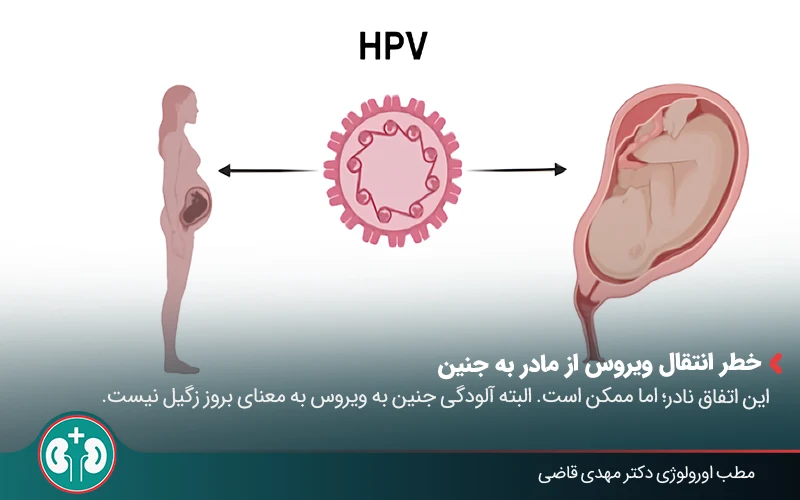
The risk of transmitting the virus to the fetus during pregnancy and delivery is very low. According to a study published in the PLOS ONE journal, the estimated chance of HPV transmission from mother to fetus is only about 1 to 5 percent.
According to this study, in rare cases, the virus may be transmitted to the fetus during pregnancy through the following routes:
Placenta and blood;
Ascending infection into the uterus;
Passing through the amniotic sac and entering the amniotic fluid in which the fetus floats.
Do genital warts cause miscarriage or preterm birth?
So far, no direct link has been reported between genital warts and miscarriage or preterm birth. For this reason, most affected women can have a normal, healthy pregnancy.
Transmission of genital warts during breastfeeding
Concern about viral transmission through breastfeeding is unnecessary, because HPV is not transmitted to the baby through breast milk. Transmission is possible only in rare situations when the baby passes through the vaginal birth canal.
The presence of the virus in the body of the fetus or newborn does not necessarily mean warts will develop. In many newborns, the virus is present temporarily and clears after a few months without causing a specific risk.
C) Effects of genital warts on delivery | Is vaginal delivery possible?
Yes. Having genital warts alone does not prevent vaginal delivery. Many mothers have successful vaginal deliveries. However, in the final months, the doctor checks wart growth to make sure the birth canal remains open.
Why is cesarean delivery not recommended even when genital warts are present in the birth canal?
The chance of HPV transmission during vaginal delivery is very low. For this reason, even when small warts are present in the birth canal, cesarean delivery is not required. However, clearing genital warts can reduce this risk.
When is cesarean delivery definitely required?
If warts become so large and dense that they block the birth canal, the vaginal wall, or eliminate vaginal elasticity, vaginal delivery becomes impossible or very high risk. In this situation, and also to prevent severe maternal bleeding, cesarean delivery must be performed.
4. Is treatment of genital warts during pregnancy dangerous?
No. There are safe and effective methods for clearing genital warts in pregnant women; however, some topical medicines endanger fetal health. Below, we review these medicines and their risks.
Medicines that are dangerous during pregnancy
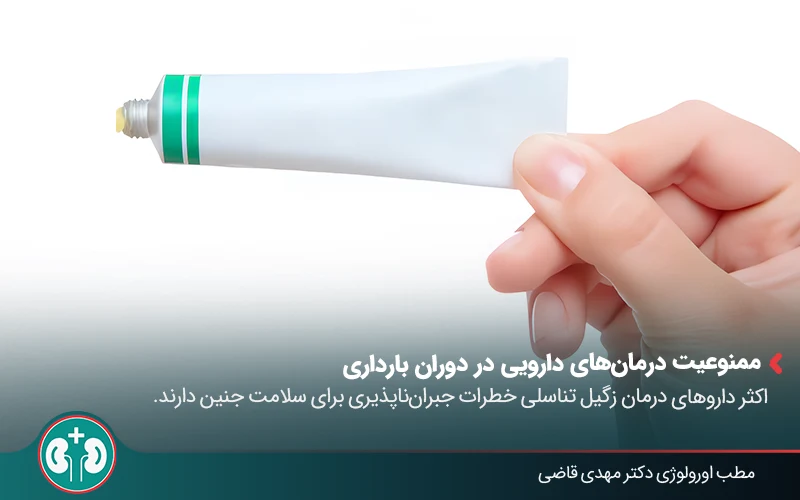
These medicines are completely forbidden. If you were using them before pregnancy, you must stop them immediately.
Podophyllin: This medicine stops cell division and is toxic to fetal development.
Fluorouracil (5-Fluorouracil): By interfering with DNA production and cell division, it can cause fetal death or congenital abnormalities.
Retinoids: They cause skeletal and bone abnormalities in the fetus.
Imiquimod cream: There is not enough scientific evidence proving its safety for the fetus.
If you were taking oral or topical medicines before pregnancy, you must consult your doctor before continuing them during pregnancy.
Safe treatment methods for genital warts during pregnancy
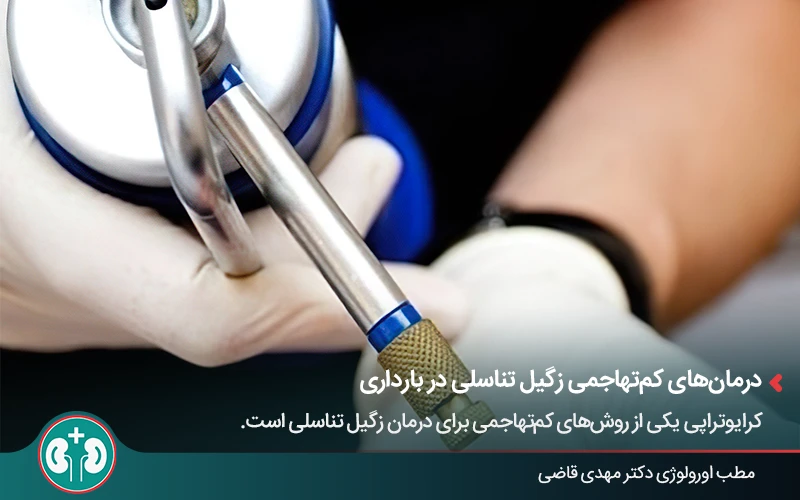
Treatment of genital warts is usually delayed until after delivery because in most cases they do not cause complications for the mother or fetus. However, if the lesions cause bleeding or block the birth canal, the doctor uses safe methods such as cryotherapy, laser therapy, or wart removal.
These methods are usually performed in the third trimester of pregnancy to reduce the risk that lesions will recur before the baby is born. The table below introduces safe methods for treating genital warts during pregnancy.
Method | Process | Benefit |
|---|---|---|
Cryotherapy | Freezing the warts with liquid nitrogen | A safe, simple, fast method with no need for open surgery |
Laser therapy | Precise destruction of lesions with a laser beam | Lower risk of bleeding by sealing vessels and minimal damage to healthy tissue |
Wart removal (surgery or electrocautery) | Using a surgical blade or burning wart tissue | Removal of all lesions in one session |
The final choice of method depends completely on the mother’s condition, wart size, and the stage of pregnancy.
Gardasil or Papilloguard vaccination can prevent genital warts. However, vaccination during pregnancy must be done only after consultation with a doctor. If a person received only one vaccine dose before pregnancy, it is better to determine the timing of later doses with the doctor’s advice.
Ways to prevent spread of genital warts during pregnancy
Prevention during pregnancy is very important, because hygienic and behavioral precautions can prevent spread of genital warts and make pregnancy safer. Although this disease does not always create a serious risk for the mother or fetus, neglecting preventive care can make treatment or delivery more difficult. Below are several important steps to reduce risk:
Regular medical examinations: Periodic examinations help the doctor identify any change in the warts on time and recommend the appropriate treatment if needed. This helps prevent problems during delivery.
Avoid unprotected sexual contact: Using condoms during vaginal, anal, and even oral sex can reduce the risk of HPV transmission as much as possible.
Do not use other people’s personal items: Items such as towels or underwear may come into contact with the genital area. Sharing these items can increase the chance of viral transmission.
Important steps before pregnancy for women with genital warts
Treatment of genital warts during pregnancy sometimes has limitations, because some methods are not suitable for the fetus. For this reason, women infected with human papillomavirus (HPV) are advised to see a doctor before pregnancy so their condition can be managed.
At present, there is no definitive cure for HPV. Even after treatment, skin lesions may reappear during pregnancy. Therefore, women who were infected with the virus before pregnancy should take two important steps:
Consult a doctor and have a Pap smear:
Based on age, site of infection, and number of warts, whether single or clustered, the doctor recommends noninvasive or surgical treatments.Strengthen the immune system:
Regular physical activity, a suitable diet, and stress management help the body produce a better immune response against the virus.
HPV vaccination before pregnancy
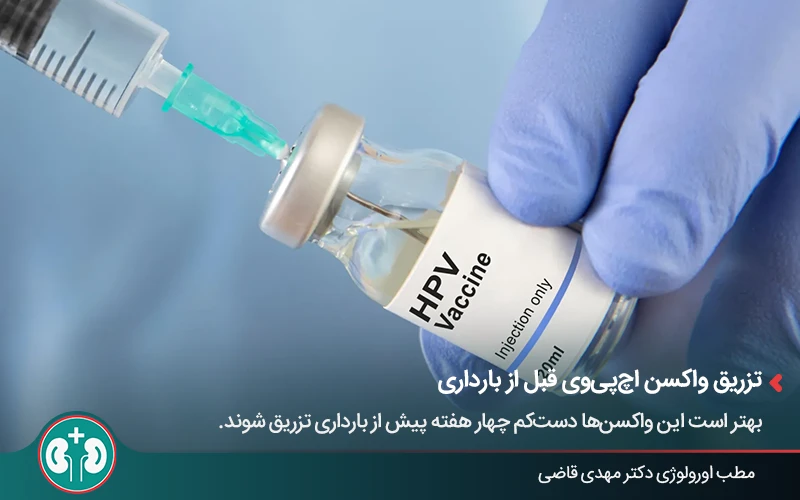
One important step for HPV prevention is vaccination with vaccines such as Gardasil 9, Gardasil 4, and Papilloguard. It is better for HPV vaccines to be given at least four weeks before pregnancy.
Temporary side effects after vaccination may include:
Pain or redness at the injection site;
Mild fever;
Headache;
Feeling tired.
These symptoms are usually short-lived and resolve within a few days.
Does HPV affect women’s pregnancy?
Many women worry that infection with human papillomavirus (HPV), or genital warts, will prevent pregnancy. This belief is not correct. Many women have had healthy pregnancies despite being infected with this virus.
However, HPV infection can be associated with an increased risk of infertility, but this virus alone is not considered a direct cause of infertility. In other words, HPV does not directly affect the ability to fertilize and form an embryo.
Final word: are genital warts dangerous during pregnancy?
In this article, we comprehensively discussed the complications genital warts may have during pregnancy for the mother, fetus, and newborn, to answer whether genital warts during pregnancy are dangerous. This disease usually does not create a serious risk for the mother or baby, and most pregnant women with HPV can experience a healthy pregnancy.
However, during this period, warts may grow more because of hormonal changes and cause problems for the mother and the process of vaginal delivery. Also, in rare cases, the virus may be transmitted to the fetus or newborn during pregnancy or delivery.
In addition to the virus and warts themselves, treatment measures may also carry risks for the fetus. Topical medicines can cause serious complications for the fetus, but when needed, several safe methods are available to clear warts.
Therefore, regular medical follow-up and following hygiene recommendations are the best ways to manage the condition. With enough awareness and care, mothers can go through pregnancy with greater calm and feel confident about their own health and their child’s health.
Frequently asked questions
Actions & related links
Doctors for this topic in Mashhad
See all doctors: Best Male Genital Warts Doctors in Mashhad




About the author

Urologic Surgeon
دکتر مهدی قاضی, Urologic Surgeon in Mashhad. Articles on this site are written and reviewed under the supervision of the Urology Building's physicians.
View profile & bookRelated articles
All articlesWhat Is Polycystic Kidney Disease? (Fetal and Adult PKD)
دکتر مهدی قاضی · June 26, 2026
What Is a Renal Cortical Cyst? Symptoms, Diagnosis, and Treatment
دکتر مهدی قاضی · June 26, 2026
Kidney Transplant: Cost, Blood Type Compatibility, and Surgical Method
دکتر مهدی قاضی · June 26, 2026
What Is Pyelonephritis? Kidney Infection Symptoms, Diagnosis, and Treatment
دکتر مهدی قاضی · June 26, 2026
Comments
0 comments
No comments yet. Be the first to share your thoughts.