 Tap to zoom
Urodynamic Bladder Testing
Urodynamic testing evaluates how the bladder and urethra store and release urine, when it is needed, and what to expect before and after the test.
- Published on
- June 26, 2026
- Last updated
- Updated: September 4, 2026
Urodynamic Bladder Testing
What Is Urodynamic Bladder Testing?
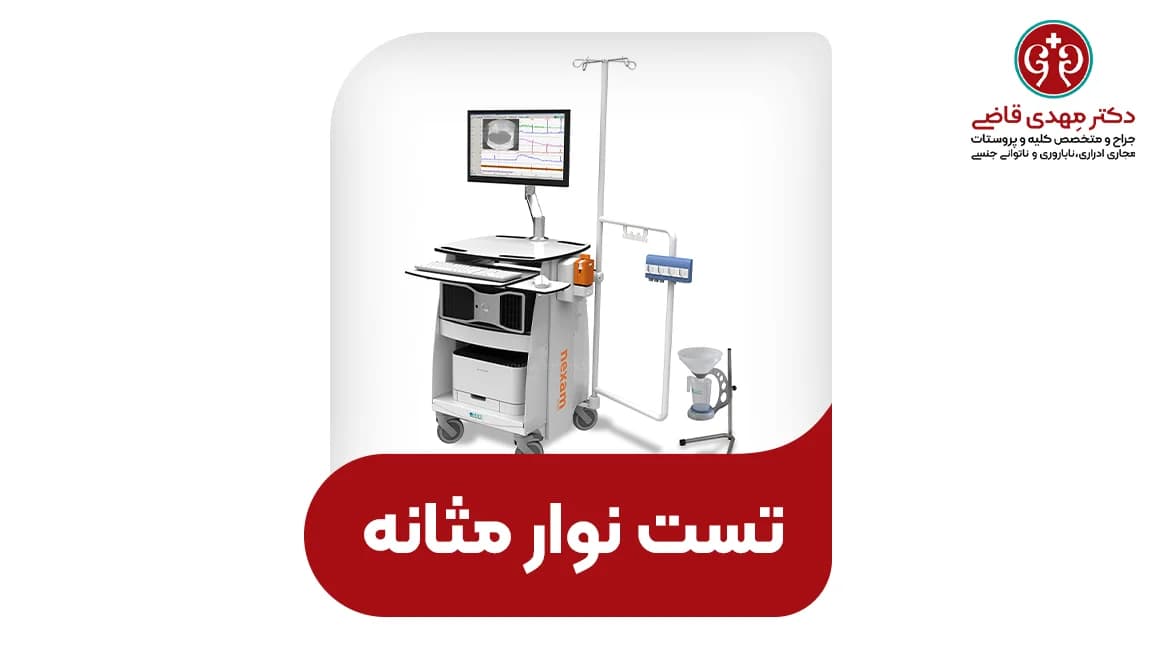
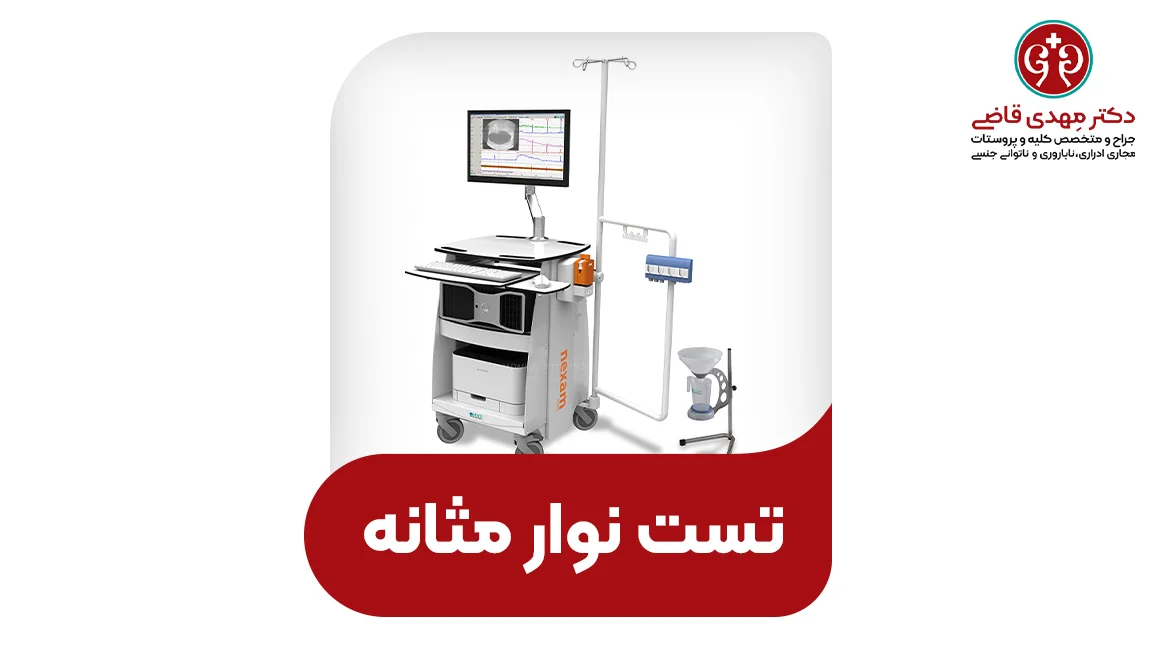
Urodynamic bladder testing is used to evaluate the storage and emptying function of the bladder and urethra from both muscular and neurologic perspectives. The full test cycle usually takes about 30 to 45 minutes. It is also used to diagnose patients with urinary incontinence or other lower urinary tract problems.
Urodynamic bladder testing can be performed for both women and men.
When Is Urodynamic Bladder Testing Needed?
Urodynamic testing is prescribed when the physician needs to evaluate how the bladder, sphincters, and urinary tract store and release urine. It also provides additional information about the urination cycle and how the bladder muscles work. The main indications for urodynamic bladder testing include:
Injury to the urinary control centers in the spinal cord or brain (neurogenic bladder)
Examples include tumors, stroke, spinal cord transection, spinal cord injury, cerebral palsy, multiple sclerosis, and similar conditions.
Urinary incontinence
Urine leakage during sneezing, coughing, or straining; severe frequent urination; delayed start of urination; a strong urgent need to urinate; or a feeling of incomplete bladder emptying.
Recurrent urinary tract infections
Primary bedwetting that continues after age 15, or secondary bedwetting that was not present in childhood and appears after puberty.
In the situations listed above, if symptoms are bothersome and suitable medication has not helped, urodynamic testing, also called bladder testing, may be prescribed for the patient.

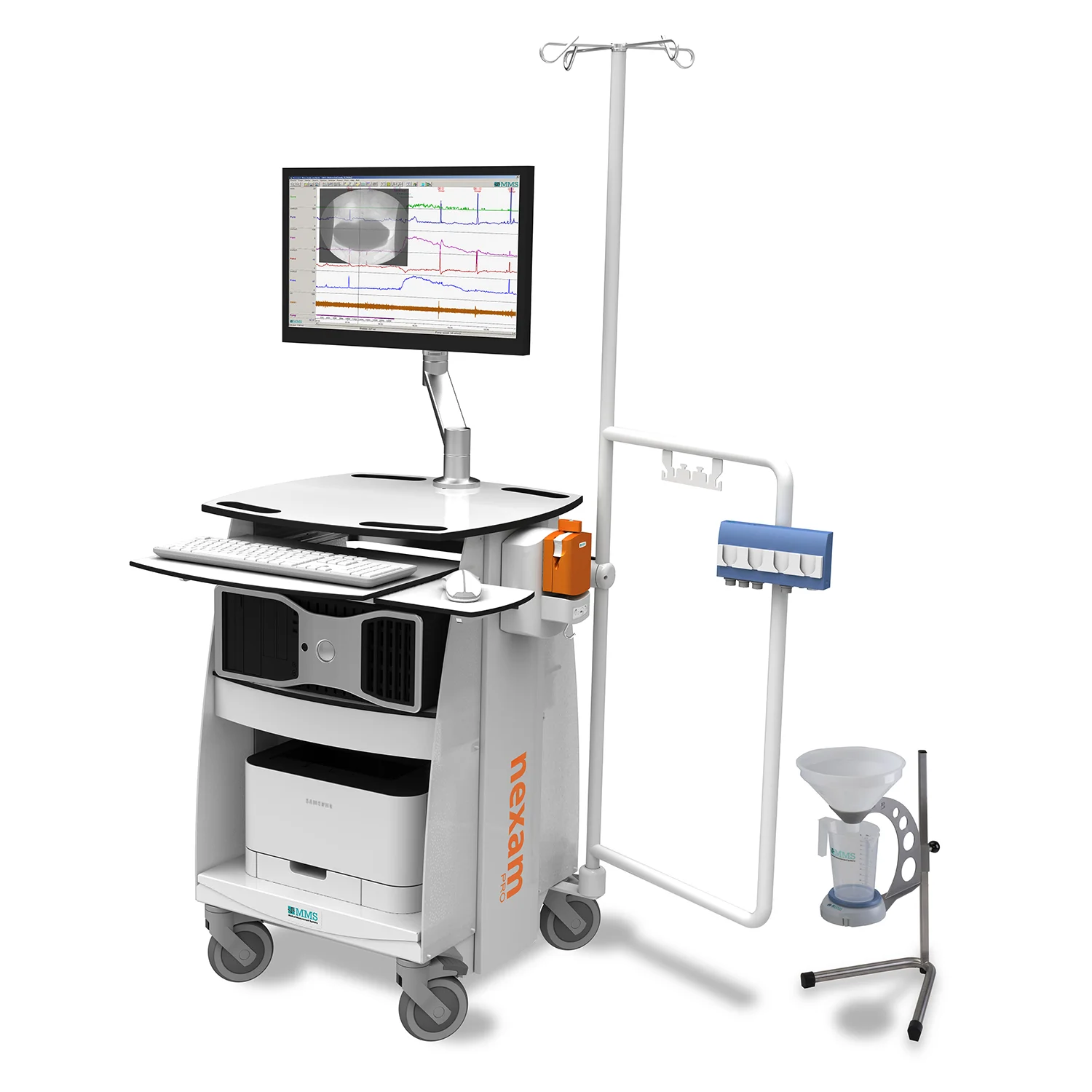
How Urodynamic Bladder Testing Is Performed
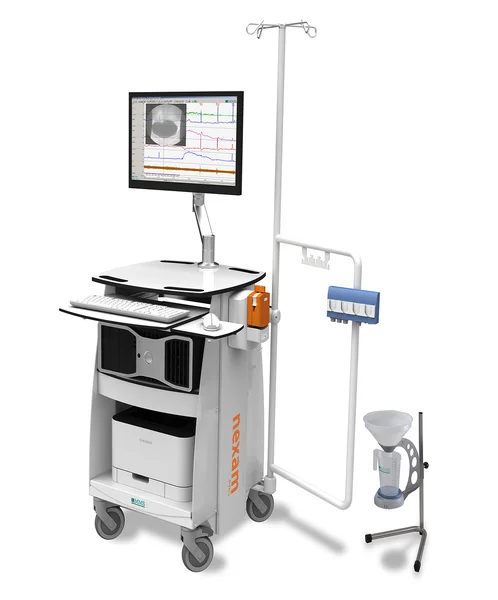
To complete urodynamic bladder testing, the patient is usually advised to drink plenty of fluids 2 hours before the test. The patient is then asked to urinate into a device called a uroflowmeter. At this stage, urine flow rate, voided urine volume, and the duration of urination are assessed.
In the next stage, called cystometry, the urine remaining in the bladder is drained and measured with a very thin Nelaton catheter.
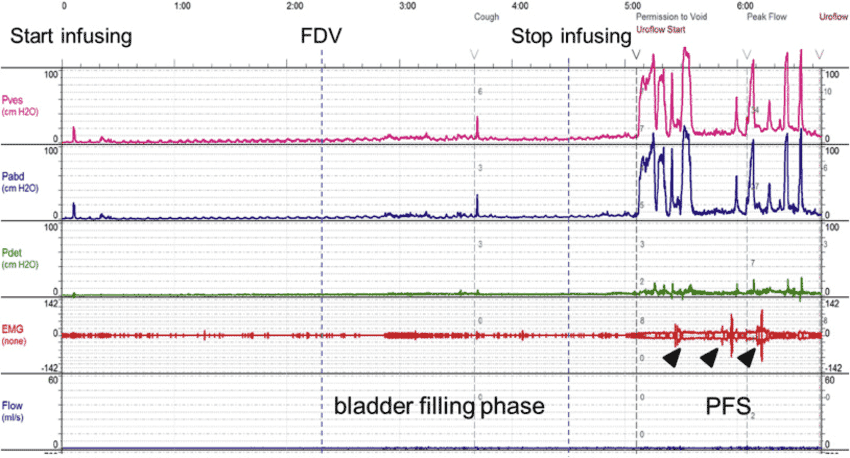
A thin catheter is then inserted into the bladder and another into the rectum so the sensors in them can measure bladder and bowel pressure. The bladder is then filled slowly and gradually with warm normal saline, and the patient is asked about the sensation of bladder filling. The patient is also asked to cough at regular intervals. At this stage, the following factors are evaluated:
Sensation of bladder filling
Bladder pressure
Involuntary bladder contractions
Bladder compliance
Possibility of urine leakage with coughing or sneezing
Assessment of urinary sphincter strength and support
In some cases, based on the physician's judgment, the bladder filling and emptying phases are recorded by video or imaging. This type of bladder test is called video urodynamics. Finally, after all evaluations are completed, the urologist diagnoses the type of disorder and plans the treatment steps accordingly.

Required Preparation Before Urodynamic Bladder Testing
Before urodynamic bladder testing, a urinalysis is performed a few days in advance. This test helps confirm that there is no infection. If the patient has an indwelling catheter, they should take an antibiotic 24 hours before the test.
For people with chronic constipation, bowel emptying with medication is recommended before urodynamic testing. Pressure from a full bowel should not interfere with the test.
Medicines such as tolterodine, oxybutynin, bethanechol, and tamsulosin should be stopped one day before the test. To help prevent urinary tract infection, one ciprofloxacin tablet is taken before the test and another 12 hours after the test. Lidocaine gel may be used to reduce discomfort.
Is Special Care Needed After Urodynamic Testing?
After the bladder test, the patient may feel some burning with urination, which is normal. This usually resolves on its own within the first 24 hours. In some cases, a small amount of blood may be seen because of the catheter. Drinking about 16 ounces of water every hour may help reduce symptoms. For hygiene care, taking a warm bath or exposing the urethral opening to warm water can also help.
Patients are advised to drink plenty of warm fluids. Taking one ciprofloxacin tablet 12 hours after the test is also recommended. To prevent infection, the physician may prescribe other antibiotics, but this is not always necessary. Contact your physician promptly only if you develop symptoms such as fever, chills, or significant pain.
When Will Urodynamic Test Results Be Available?
Results from bladder testing, including cystometry and uroflowmetry, are provided immediately. Results from other tests, such as electromyography and video urodynamic testing, may take a few days.
Your healthcare provider will discuss the test results and next steps with you and provide the information you need.
Actions & related links
Related articles
All articlesWhat Is Polycystic Kidney Disease? (Fetal and Adult PKD)
دکتر مهدی قاضی · June 26, 2026
What Is a Renal Cortical Cyst? Symptoms, Diagnosis, and Treatment
دکتر مهدی قاضی · June 26, 2026
Kidney Transplant: Cost, Blood Type Compatibility, and Surgical Method
دکتر مهدی قاضی · June 26, 2026
What Is Pyelonephritis? Kidney Infection Symptoms, Diagnosis, and Treatment
دکتر مهدی قاضی · June 26, 2026