
 Tap to zoom
What Is HPV? Transmission, Prevention, and Treatment
HPV is a very common virus that often causes no symptoms, but some types can cause genital warts, precancerous changes, and cancers such as cervical cancer. Learn how HPV spreads, how vaccination and screening help, and when to see a doctor.
- نویسنده
- دکتر مهدی قاضی
- Published on
- June 26, 2026
- Reading time
- 5 min read
- Last updated
- Updated: September 4, 2026
If you have heard of HPV, or human papillomavirus, you may have wondered:
What is HPV?
Who is at risk?
Can this virus lead to serious disease?
This virus has many different types. Some are low risk and only cause growths called genital warts, while other types are dangerous and, in addition to warts, can cause diseases such as cervical cancer.
In this article, using reputable international sources such as the World Health Organization (WHO) and the Centers for Disease Control and Prevention (CDC), we answer what HPV is and why it is important to understand the nature and symptoms of this infection. If this topic is on your mind, read on.
What is HPV, and why should you know about it?
HPV, or human papillomavirus, is a virus that can affect different parts of the body. More than 200 different types of this virus exist, and about 40 types can affect the genital area, cervix, vagina, penis, anus, and even the throat.
Most people do not realize they have an HPV infection, because in most cases it causes no symptoms, and the immune system clears many low-risk infections.
The nature of HPV and how it affects the body
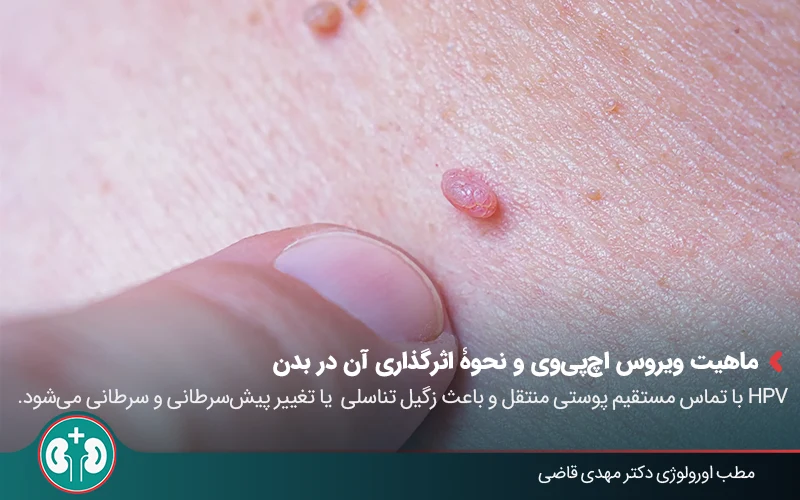
HPV (human papillomavirus) is a very common virus that infects the skin and mucous membranes and is transmitted through close contact, especially sexual contact. Its genetic material is DNA inside a protein shell without a fatty envelope, which helps the virus remain relatively resistant in the environment.
When HPV enters the body through tiny breaks in the skin or mucosa, it reaches surface cells and then multiplies as those cells grow normally. In most people, the body clears the virus within several months to two years. In some cases, however, the virus persists and may appear as warts or even as precancerous or cancerous lesions.
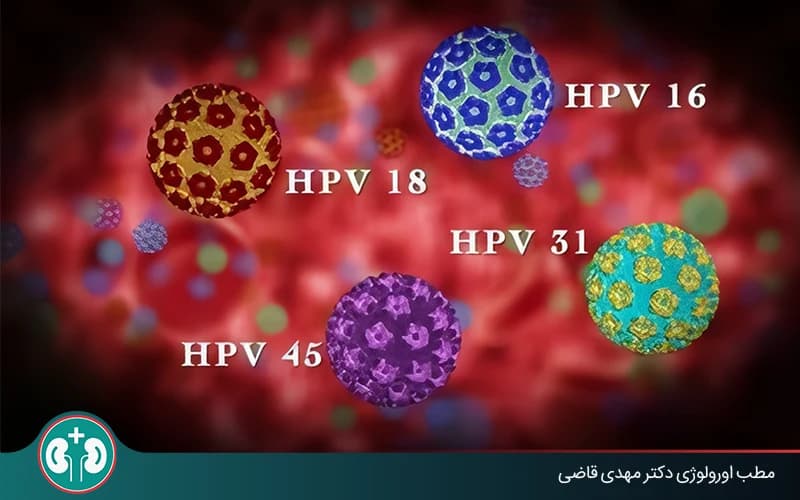
High-risk HPV types, such as types 16 and 18, are dangerous because they can disrupt normal cell function. One way they do this is by disabling tumor-suppressor proteins that help prevent cancer, such as p53 and pRb. Under these conditions, cells may grow abnormally and create a pathway toward cancers such as cervical, anal, penile, or oral cancer.
HPV infection statistics
According to a report published by the HPV Information Centre in 2023 on HPV statistics in Iran, about 2.8% of Iranian women with normal cytology results and no lesions had HPV. The most common types identified in this group were type 16 (2.2%) followed by type 18 (0.6%), both of which are high-risk types.
For men, the report states that no data are available on the prevalence of genital HPV in Iran. However, one study of oral mucosal samples from asymptomatic people reported an HPV prevalence of 6.1%.
Types of HPV
This virus has more than 200 different strains, each of which can cause smaller or larger health problems. In general, HPV types can be divided into the following two groups:
Possible diseases | Features | HPV type |
|---|---|---|
genital warts, skin warts | Usually no serious symptoms; genital warts | Low risk |
genital warts and a risk pathway for cancers such as cervical, vaginal, anal, and throat cancers | May cause no symptoms, but can change cells | High risk |
How is HPV transmitted?
The most important route of HPV transmission is direct skin-to-skin contact during sex. Transmission through shared personal items or from mother to baby is also possible. We review each of these below.
1. Skin-to-skin contact
HPV, or human papillomavirus, is most often transmitted through skin contact. When skin from an area such as the vagina, penis, or anus comes into contact with the skin of someone who carries the virus, transmission is possible.
Note:
1. HPV can be transmitted during oral, vaginal, or anal sex.
2. HPV transmission does not require full penetration. Any sexual activity that leads to skin-to-skin contact can increase the chance of infection.
2. Sharing personal items
Another possible route of transmission is sharing personal items such as towels, underwear, or razors. The important point is that transmission this way is very unlikely, but even this small possibility should not be ignored.
3. Transmission from mother to baby
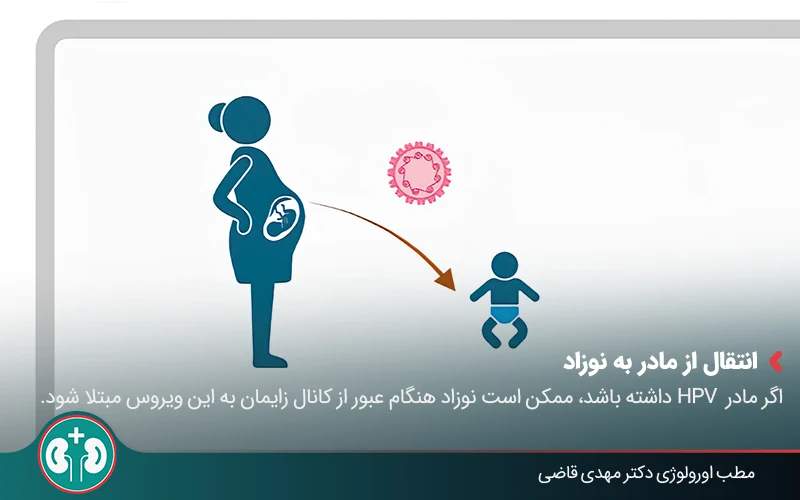
Another possible route is transmission from mother to baby during vaginal birth. If the mother has HPV, the baby may acquire the viral infection while passing through the birth canal.
What role does the immune system play in controlling HPV?
The immune system plays a very important role in controlling and clearing HPV. For this reason, many people never realize they carry the virus, and only a small percentage develop serious problems or complications related to it.
About 90% of HPV infections are cleared by the immune system and generally cause no symptoms. (source)
On this basis, only a small percentage of HPV infections become chronic because the immune system does not clear them, or lead to precancerous and cancerous lesions.
What are the symptoms and signs of HPV?
HPV usually affects the genital area and is often asymptomatic, especially in the early stages of infection.
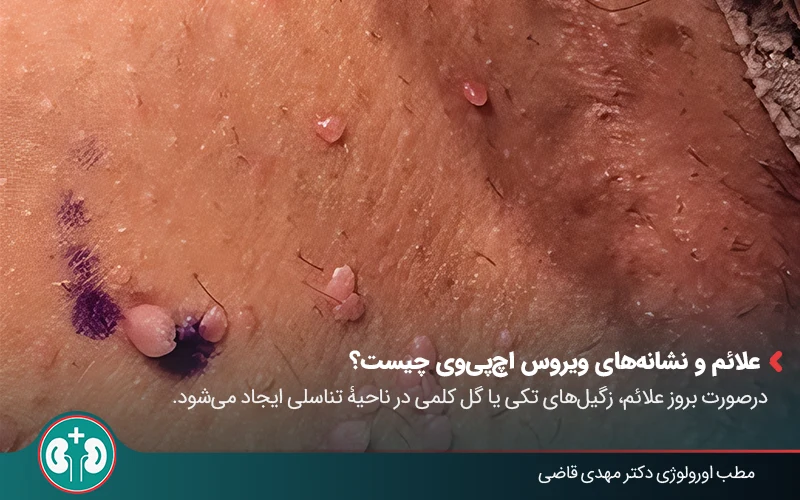
However, the most common visible sign of HPV involvement is genital warts. These warts grow on the skin as raised, scaly, cauliflower-like bumps. genital warts usually appear after infection with low-risk HPV types and may cause itching or discomfort in the genital area.
HPV infection can sometimes affect the throat and mouth as well. In that situation, a person may experience symptoms such as cough, hoarseness, pain with swallowing, or swollen lymph nodes. These symptoms are more likely to appear in advanced stages, when an HPV-related lesion has progressed to cancer.
Differences in HPV symptoms in men and women
HPV symptoms differ somewhat between men and women. In women, this virus can cause genital warts and, in some cases, can change cervical cells and lead to cancerous growths in that area. The second problem may cause no symptoms and may only be found through screening tests.
In men, HPV infection is also usually asymptomatic and is cleared by the immune system. However, some HPV types may cause genital warts around the penis, scrotum, or anus. These warts are usually painless. In rare cases, HPV infection can also cause cancer of the penis, anus, or oropharynx (the throat and tonsil area) in men, and these cancers may have no early symptoms.
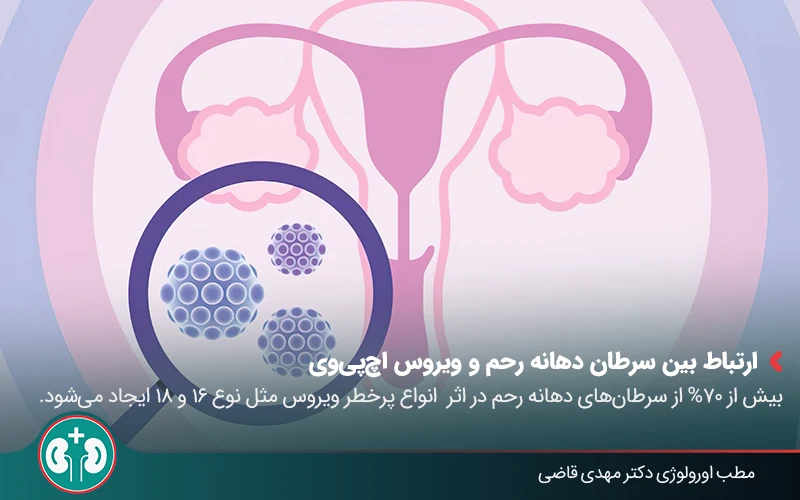
What is the link between cervical cancer and HPV?
More than 70% of cervical cancers are linked to high-risk HPV types, especially types 16 and 18. For this reason, regular screening, such as a Pap smear, is very important for women who are sexually active. Remember that recognizing HPV symptoms, including genital warts and precancerous changes, has a special role in preventing and controlling this infection.
How is HPV diagnosed?
Because genital warts are one of the most important visible signs of HPV involvement, the main diagnostic method is examination and direct assessment of the genital area.
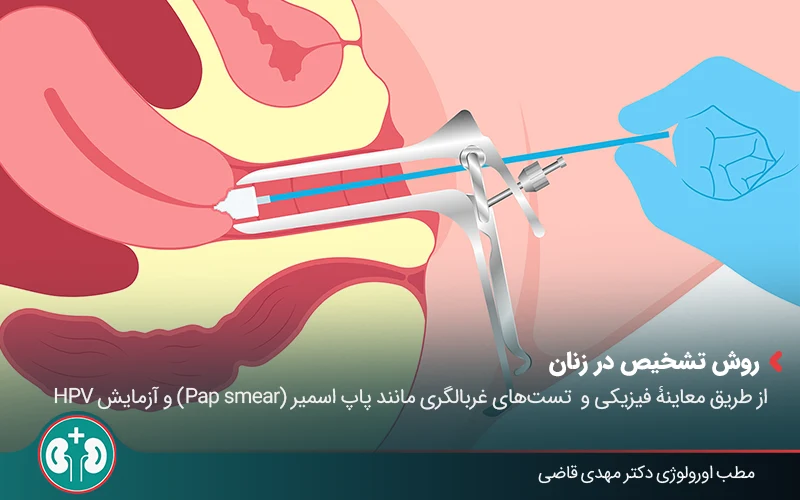
As noted earlier, however, high-risk types of this virus may cause no symptoms and are usually detected through screening tests such as the Pap smear and HPV testing:
Diagnosis in women: According to CDC screening recommendations, women ages 21 to 65 should have regular cervical cancer screening, which may include HPV DNA testing and combined tests such as Pap smear plus HPV testing or PCR, depending on age and clinical guidance.
Diagnosis in men: In selected cases, HPV PCR testing may be used to evaluate men. If anal or throat cancer is suspected, biopsy or molecular tests may also be used for diagnosis.
The HPV vaccine and why it matters
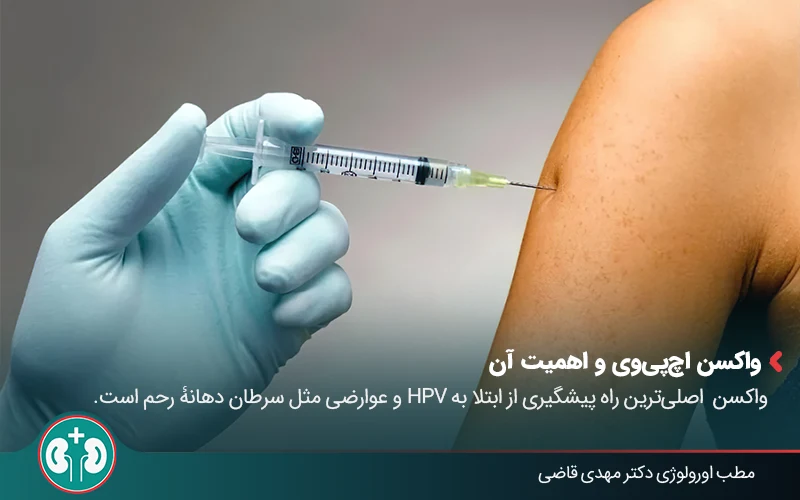
HPV vaccination is one of the most important ways to prevent human papillomavirus infection and the diseases linked to it, especially cervical cancer. The best-known vaccines used to prevent HPV infection include Gardasil and Gardisan.
The HPV vaccine, especially Gardasil, is highly effective. It prevents about 90% or more of infections caused by the vaccine-targeted types, especially HPV 16 and 18, and the related precancerous lesions.
Note: The HPV vaccine does not provide 100% protection, so cervical cancer screening should still not be neglected after vaccination.
Side effects of the HPV vaccine
Like other vaccines, this vaccine may cause mild and temporary symptoms, such as pain or swelling at the injection site, fever, and flu-like symptoms including fatigue and muscle aches. In very rare cases, the body may have a severe allergic reaction; if this happens, seek medical care immediately.
The right age for HPV vaccination
Based on recommendations from the World Health Organization (WHO) and the Centers for Disease Control and Prevention (CDC), the best time to receive the HPV vaccine for prevention is before sexual activity begins, at ages 11 to 12. HPV vaccination can be given up to age 45, but effectiveness is lower at older ages and depends on individual circumstances.
The HPV vaccine is also available in Iran, and you can receive these vaccines after consulting a physician.
Effective treatments for HPV
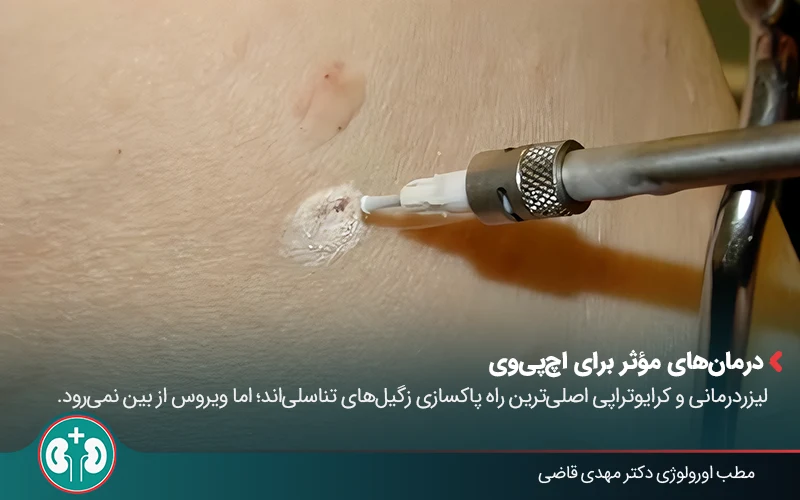
There is no definitive cure that eliminates HPV itself. In other words, treatment aims to control complications caused by HPV infection, such as genital warts and abnormal precancerous cell growth. Several methods are available to remove genital warts:
Medication treatment: Some medicines stimulate the immune system, while others, such as podophyllin, act directly on the warts and help destroy them.
Clinic-based procedures: If medication is not effective, physical treatments such as cryotherapy (freezing with liquid nitrogen), laser therapy, electrocautery (burning with an electric current), and surgery may be used.
Do not use home or herbal remedies to remove genital warts. These methods have no scientific basis and are ineffective for wart removal. They can also irritate and damage the skin and spread infection. For HPV treatment in Iran, it is better to visit specialized medical centers.
All the treatments described are used only to remove the lesions (warts). They do not eliminate the virus from the body.
What is the link between cancer and HPV?
HPV plays an important role in cervical cancer, especially high-risk types 16 and 18, which cause precancerous changes in cervical cells. If these changes are not identified in time, they may gradually lead to cervical cancer. In addition to cervical cancer, HPV can also cause anal and throat cancers.
Vaccination is the best way to prevent HPV and the more serious diseases caused by this virus.
Preventing HPV infection
HPV spreads easily from one person to another through skin-to-skin contact, which makes prevention challenging. Still, the following measures can greatly reduce the risk of acquiring the virus and the infection it causes:
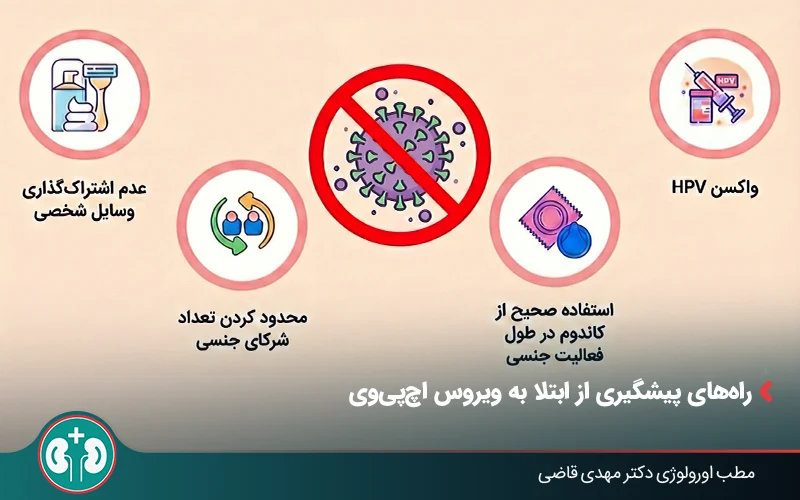
Vaccination
One of the most important prevention methods is receiving the HPV vaccine. It can still be beneficial for people vaccinated after sexual activity has begun, especially by protecting against high-risk types they have not yet acquired.
Condoms
Condom use also reduces the risk of HPV transmission, but it does not completely prevent transmission because the virus can spread through contact between an infected person's skin and skin that is not covered by the condom. For this reason, condoms work better when used along with other prevention methods.
A healthy lifestyle
Finally, maintaining a healthy lifestyle and limiting the number of sexual partners can play an important role in lowering the chance of HPV infection.
Final word
HPV is one of the most common viral infections. It often causes no symptoms, but in some cases it can lead to problems such as genital warts or even cervical cancer.
Fortunately, vaccination, regular screening tests, and simple measures such as condom use and a healthy lifestyle can greatly reduce the risk of HPV infection and more serious diseases such as cancer.
Education and reliable information also play an important role in preventing HPV and controlling the infection. If you have any questions or concerns about this issue, it is best to consult a physician.
Frequently Asked Questions
Actions & related links
Doctors for this topic in Mashhad
See all doctors: Best Male Genital Warts Doctors in Mashhad




About the author

Urologic Surgeon
دکتر مهدی قاضی, Urologic Surgeon in Mashhad. Articles on this site are written and reviewed under the supervision of the Urology Building's physicians.
View profile & bookRelated articles
All articlesWhat Is Polycystic Kidney Disease? (Fetal and Adult PKD)
دکتر مهدی قاضی · June 26, 2026
What Is a Renal Cortical Cyst? Symptoms, Diagnosis, and Treatment
دکتر مهدی قاضی · June 26, 2026
Kidney Transplant: Cost, Blood Type Compatibility, and Surgical Method
دکتر مهدی قاضی · June 26, 2026
What Is Pyelonephritis? Kidney Infection Symptoms, Diagnosis, and Treatment
دکتر مهدی قاضی · June 26, 2026
Comments
0 comments
No comments yet. Be the first to share your thoughts.