 Tap to zoom
Complete Guide to Vasectomy Complications: Aftercare and Solutions
- نویسنده
- دکتر مهدی قاضی
- Published on
- June 26, 2026
- Reading time
- 5 min read
- Last updated
- Updated: September 4, 2026
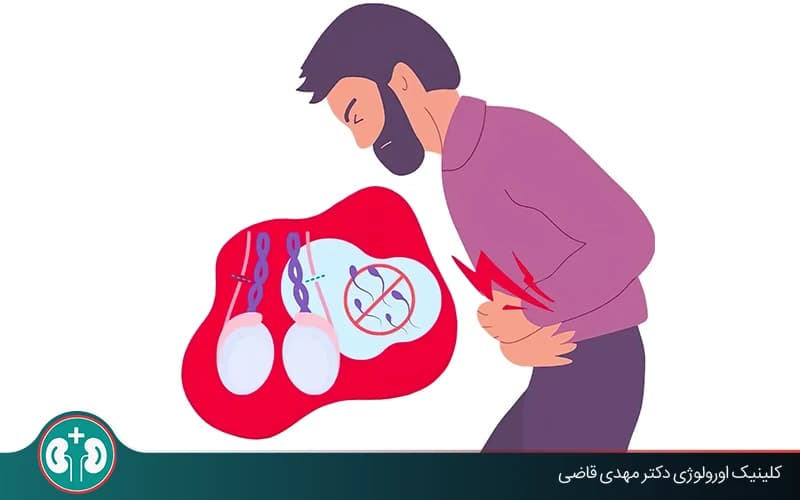
Vasectomy complications are usually mild, but in some cases they can be difficult for a person to deal with. Vasectomy, or male sterilization by sealing the sperm-carrying tubes, is one of the most effective surgical methods of birth control. By keeping sperm out of the semen, it prevents pregnancy. In most men, vasectomy does not have a meaningful effect on quality of life. However, some people may feel regret or low mood after the procedure. Another rare complication is post-vasectomy pain syndrome, in which ongoing pain is felt in the testicular area.
In this article, you will learn about the short-term and long-term complications of vasectomy, the techniques used to perform it, care before and after surgery, and answers to common questions. If you are unsure about having this procedure, the information below can help you make a more informed decision.
Vasectomy: a low-complication surgical method of contraception
When people talk about contraception, condoms or birth control pills are often the first options that come to mind. Vasectomy is also a low-complication method of permanent contraception. According to statistics from School of Medicine Urology, its success rate in preventing pregnancy is reported to be 99.95%.
Outpatient no-scalpel vasectomy Vasectomy in Mashhad
Note: To improve care quality and patient satisfaction, appointments are triaged by reason for visit. Each physician sees patients within the relevant urology subspecialty.

Book appointment
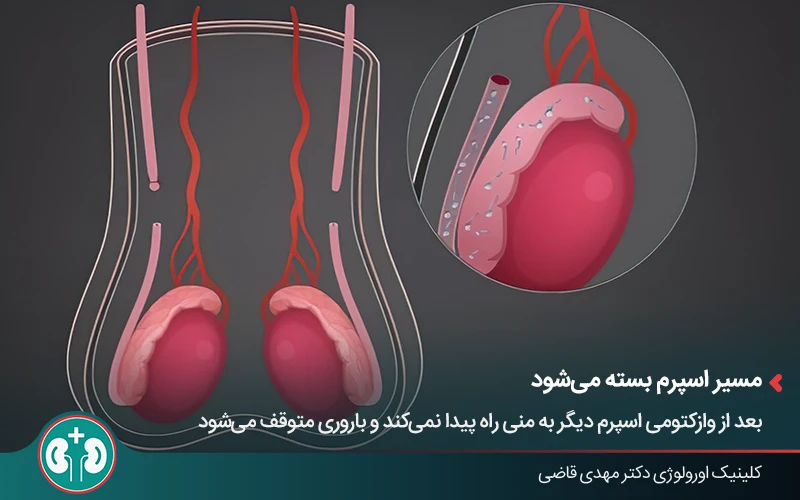
In this surgical procedure, the vas deferens, the tube that carries sperm from the epididymis toward the urethra, is cut or sealed so that sperm cannot enter the semen.
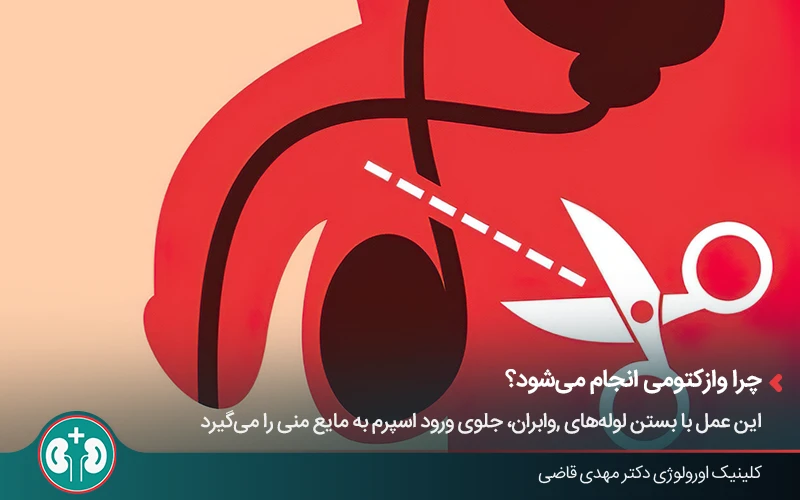
Vasectomy surgery only prevents pregnancy; it does not protect against sexually transmitted infections (STIs). It is a suitable choice when a person is certain they do not want children in the future and has discussed and agreed on the decision with their sexual partner.
One of the main advantages of vasectomy is that it is simple and quick; the procedure takes about 15 minutes. After surgery, the testicles still produce sperm, but the sperm do not enter the semen and are absorbed by the body. This surgery does not affect sex drive or the ability to have an erection. Even so, some people may experience mild side effects after the procedure.
Vasectomy is considered a permanent form of contraception. In some cases, fertility may be restored through vasovasostomy, a reversal procedure. In that operation, the vas deferens is reconnected to the reproductive tract, but success is not always guaranteed.
Two vasectomy techniques: conventional and no-scalpel
Vasectomy is a surgical method of male sterilization that can be performed with a conventional technique or a no-scalpel technique. It is usually done under local anesthesia: the doctor numbs the scrotal skin with a fine needle so the patient does not feel pain during the procedure.
Vasectomy is usually performed in a doctor's office or outpatient surgical center and takes about 15 to 30 minutes. Depending on the technique used, pain level, bleeding risk, and recovery speed can differ.
Conventional surgical technique
In this technique, one or two small incisions are made in the scrotum so the doctor can access the vas deferens. A short segment of the vas deferens is then cut and removed or sealed. At the end, the surgical site is closed with absorbable sutures.
No-scalpel technique
In the no-scalpel technique, the doctor creates a tiny opening in the skin with a special instrument rather than using a scalpel. A MadaJet device, a needle-free injection system, may be used to deliver local anesthetic. By reducing the size of the opening and tissue trauma, this technique can lower bleeding risk and support faster recovery.
Vasectomy technique | Procedure time | Recovery period | Effectiveness | Possible complications |
|---|---|---|---|---|
Conventional vasectomy | About 30 minutes | Up to one week | About 99% | Bleeding, infection risk |
No-scalpel vasectomy | About 10 minutes | 2 to 3 days | About 99% | Minor bleeding |
What are the complications of vasectomy surgery?
Vasectomy is an effective and relatively low-complication method of contraception for men. However, like any surgical procedure, some vasectomy complications may occur in the short term or long term.
Short-term complications include pain, swelling, or bleeding, which usually resolve within a short time. In rare cases, long-term problems such as chronic pain or recurrent inflammation may occur. In these situations, seeing a doctor and using anti-inflammatory medicines or pain relievers under a urologist's supervision is recommended.
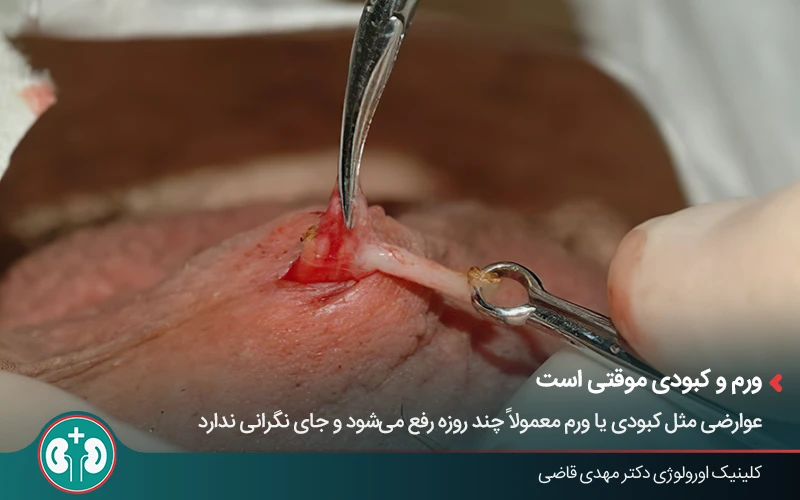
Short-term complications of vasectomy
Vasectomy surgery is usually associated with mild side effects. These effects are often temporary and improve within a few days with proper care. The most common short-term vasectomy complications include:
Pain
After vasectomy, some men may feel pain or discomfort. This pain is usually related to inflammation, local pressure on tissues, or irritation of superficial nerves in the scrotum. In rare cases, mild nerve irritation or post-vasectomy pain syndrome may occur.
Sperm granuloma
A possible complication of vasectomy is sperm granuloma, which can form when sperm leaks from the cut end of the vas deferens. It usually appears as a firm lump that may sometimes be painful, but it is often reabsorbed by the body. Supportive underwear and pain relievers prescribed by a doctor can help reduce discomfort.
Swelling and bruising
Swelling and bruising in the scrotal area are common, temporary effects after vasectomy. These reactions are usually part of the body's normal inflammatory response to surgery and resolve within a short time.
Hematoma
In some people, blood can collect at the surgical site after the procedure; this is called a hematoma. Supportive underwear and adequate rest can help control it.
Inflammation
Local inflammation after surgery is another mild and temporary vasectomy side effect. It usually improves within a few days with anti-inflammatory medicines and local hygiene.
Long-term complications of vasectomy
In most cases, vasectomy causes only mild and temporary side effects. Rarely, however, some long-term complications can develop and may require specialist evaluation and treatment.
Post-Vasectomy Pain Syndrome
In some men, persistent pain in the testicle or scrotum can continue for months or even years after surgery. The exact cause of this syndrome is not fully understood, but it is usually managed with medication or, in severe cases, more invasive treatments. If you experience this kind of pain, you should see a urologist.
Psychological effects and dissatisfaction
Some people experience mixed feelings after vasectomy, including regret, anxiety, or worry about the decision. These feelings may be influenced by a person's views about masculinity or by cultural and personal beliefs. If these problems occur, talking with a partner and, when needed, consulting a psychologist is recommended.

Effect of vasectomy on the prostate
A common question about long-term vasectomy complications is whether it may increase the risk of prostate cancer. According to an article published in JAMA Intern Med in 2017, a small statistical association between vasectomy and prostate cancer was reported, but the study did not show an association between vasectomy and advanced prostate cancer.
Effect of vasectomy on erections
Vasectomy does not affect the ability to have an erection or orgasm. The procedure blocks the sperm transport pathway, but it does not disrupt hormone function, blood flow, or sexual nerves. Local swelling or discomfort may occur after the procedure, but it is usually temporary.
Effect of vasectomy on sex drive
Male sex drive is influenced mainly by testosterone, which does not change after vasectomy. Although some men may notice lower sex drive or changes in their sexual relationship after surgery, these issues are often related to psychological factors such as anxiety, misconceptions, or concern about the decision to have the procedure, rather than true physical changes.
Key care instructions before and after vasectomy
Following care instructions before and after vasectomy plays an important role in reducing complications and speeding recovery. These steps help with physical and mental preparation and reduce the risk of infection or pain.
Before vasectomy
About one week before surgery, avoid blood-thinning medicines such as aspirin unless your doctor gives different instructions. You may also be asked to shave excess hair from the scrotal area and keep the area clean and dry before surgery. This reduces the risk of infection after the procedure.
After vasectomy
During the first three days after surgery, it is best to support the scrotum with a bandage or snug supportive underwear. Applying an ice pack to the scrotum, with a thin cloth between the skin and the ice, can help reduce pain and swelling.
For two to three weeks after surgery, avoid strenuous activity, exercise, and heavy lifting so pressure is not placed on the surgical area.
Importance of semen analysis after vasectomy
About four months after vasectomy, a semen analysis is needed. Even though the sperm transport pathway has been blocked during surgery, some sperm may remain in the semen during this period.
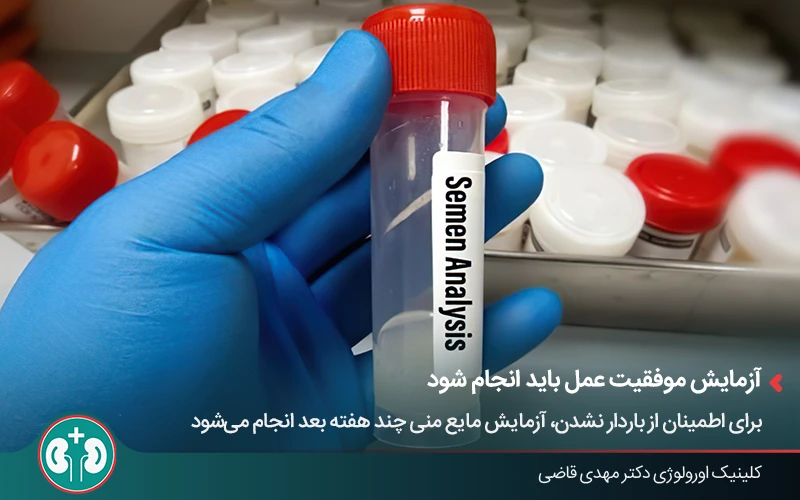
Usually, at least 15 to 20 ejaculations after surgery are needed to clear sperm from the semen. Until you receive a definitive test result confirming that no sperm are present, you should continue using another contraceptive method. This helps prevent unintended pregnancy and unexpected outcomes after vasectomy.
Recovery after vasectomy
Usually, 2 to 3 days after vasectomy, light daily activities can be restarted gradually. These activities help improve circulation and support healing.
In the first few days, mild pain during ejaculation or a small amount of blood in the semen may occur. These effects are temporary and usually resolve within a few days without specific treatment. If symptoms persist or pain increases, it is best to consult a specialist.
Comparing vasectomy complications with other contraceptive methods
The table below compares the possible side effects and outcomes of vasectomy with other common methods such as birth control pills, condoms, and contraceptive injections. This comparison can help clarify differences in effectiveness, side effects, and how long each method's effects last.
Type of side effect | Vasectomy | Birth control pills | Condom | Contraceptive injection |
|---|---|---|---|---|
Pain and discomfort | Testicular pain and inflammation after surgery | Headache, nausea | If allergic to latex: itching and sensitivity | Pain at the injection site |
Infection risk | Possible infection at the surgical site | Possible increased risk of yeast infection | No | Possible inflammation at the injection site |
Effect on fertility | Permanent; reversal is uncertain | Reversible after stopping the medication | Reversible when not used | May persist for up to 6 months after stopping |
Effect on sex drive | No | Possible decrease in sex drive | No | Possible decrease in sex drive |
Long-term side effects | Rarely: testicular pain | Increased risk of blood clots | No | Possible decrease in bone density |
Final thoughts
Vasectomy is one of the most effective permanent methods of contraception for men and can be performed with two techniques: conventional surgery and the no-scalpel technique. Although newer techniques may reduce complications, some people may still develop short-term or even long-term side effects after surgery. In this article, we reviewed vasectomy complications, recovery, and aftercare tips. The decision to have a vasectomy should be made consciously and after careful consultation with a urologist.
Frequently Asked Questions
Actions & related links
Doctors for this topic in Mashhad
See all doctors: Best Urologists in Mashhad




About the author

Urologic Surgeon
دکتر مهدی قاضی, Urologic Surgeon in Mashhad. Articles on this site are written and reviewed under the supervision of the Urology Building's physicians.
View profile & bookRelated articles
All articlesWhat Is Polycystic Kidney Disease? (Fetal and Adult PKD)
دکتر مهدی قاضی · June 26, 2026
What Is a Renal Cortical Cyst? Symptoms, Diagnosis, and Treatment
دکتر مهدی قاضی · June 26, 2026
Kidney Transplant: Cost, Blood Type Compatibility, and Surgical Method
دکتر مهدی قاضی · June 26, 2026
What Is Pyelonephritis? Kidney Infection Symptoms, Diagnosis, and Treatment
دکتر مهدی قاضی · June 26, 2026
Comments
0 comments
No comments yet. Be the first to share your thoughts.