 Tap to zoom
Vasectomy Aftercare: A Complete Guide to Faster Recovery
Learn what to expect after vasectomy, how to reduce pain and swelling, when to call your doctor, when to resume sex, and why semen analysis and contraception remain important until your doctor confirms the result.
- نویسنده
- دکتر مهدی قاضی
- Published on
- June 26, 2026
- Reading time
- 5 min read
- Last updated
- Updated: September 4, 2026
Vasectomy is a method of contraception performed in men, and aftercare plays a very important role in faster recovery. Although vasectomy is considered a simple outpatient procedure, it is still surgery, so following postoperative care instructions is important. Because of this, you should learn enough before the procedure about the do's and don'ts of vasectomy aftercare so you can get through recovery with the least pain, without infection, and in the shortest possible time, and return to normal life as soon as possible. In this vasectomy aftercare guide, we will give you all the essential information.
Physical condition after vasectomy surgery
After a vasectomy, you may experience symptoms that are mostly normal and temporary and usually are not a cause for concern. Knowing these symptoms can help you go through recovery with greater peace of mind.
1. Mild pain and discomfort
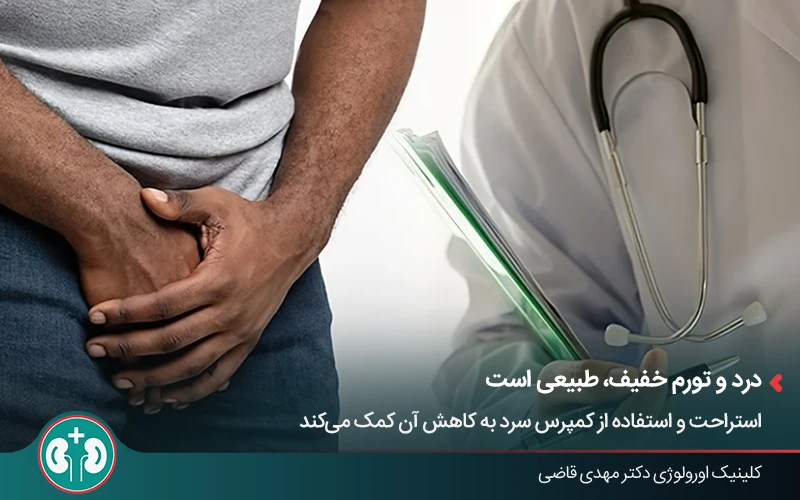
One of the most common symptoms after the procedure is pain or discomfort at the vasectomy site. This pain usually lasts 7 to 10 days and gradually decreases.
Outpatient no-scalpel vasectomy Vasectomy in Mashhad
Note: To improve care quality and patient satisfaction, appointments are triaged by reason for visit. Each physician sees patients within the relevant urology subspecialty.

Book appointment
2. Swelling and bruising
After vasectomy, the area around the testicles, or even parts of the abdomen or thighs, may become slightly swollen. This swelling usually goes away within a few days.
3. Mild discharge and bleeding
If you notice a small amount of discharge or spots of blood at the incision site, do not worry. This is completely normal. It is best to place a small bandage over the incision to prevent your clothing from becoming soiled.
4. A feeling of heaviness or pressure
Some people may feel heaviness or pressure in the testicular area. This is usually due to the body's normal response to surgery and resolves within a short time.
Symptoms that require medical attention
Most symptoms you experience after vasectomy will be mild and normal. However, in some more serious cases, you must see a doctor and take the necessary steps so that you do not develop a specific complication. We discuss these symptoms below.
1. Signs of infection
Sometimes, the surgical site may become infected after vasectomy. To know when you should see a doctor, you need to recognize the signs of infection:
Fever higher than 38 degrees Celsius;
Excessive redness or a strong feeling of warmth in the surgical area;
Thick yellow or green discharge, or discharge with a bad odor.
2. Unusual pain and swelling
Although some pain and swelling in the testicular area is normal after vasectomy, you should see a doctor if you notice any of the following symptoms:
Severe or persistent pain that is not controlled with usual pain relievers;
A sudden increase in swelling or swelling that does not improve after a few days;
The feeling of a hard or large lump in the scrotum;
Difficulty urinating or burning during urination.
Do's and don'ts after vasectomy surgery
As we noted earlier, vasectomy aftercare helps prevent postoperative complications and speeds your recovery. Because following vasectomy aftercare instructions is very important, below we discuss the most important do's and don'ts after this surgery in detail:
Do's after vasectomy surgery
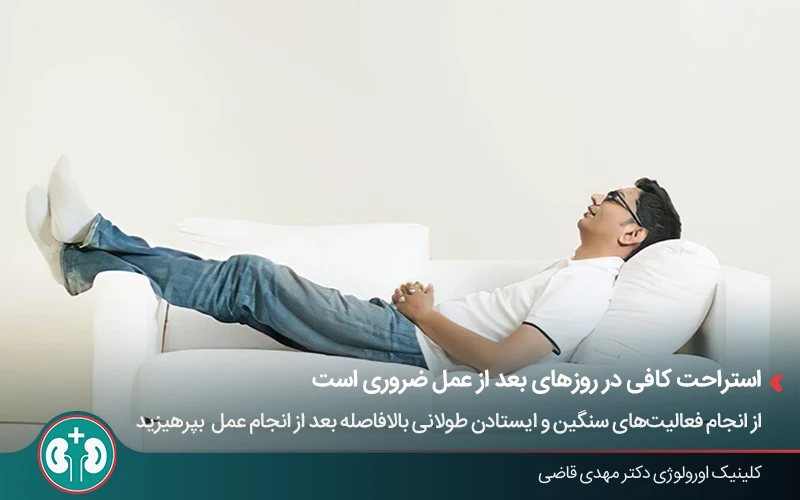
Get enough rest: On the day of the procedure, you should rest completely. Try to keep walking to a minimum and avoid standing. It is best to avoid strenuous activity for up to one week and return to your normal routine gradually.
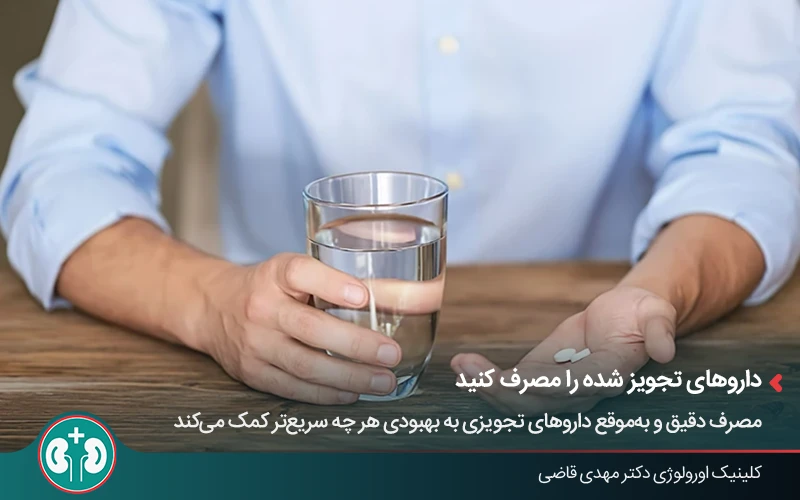
Take prescribed medicines: In some cases, your doctor may prescribe medicines such as acetaminophen, ibuprofen, or an antibiotic to reduce pain and inflammation and prevent infection. Take these medicines regularly and exactly as directed by your doctor to keep pain and discomfort as low as possible.
Use a cold compress: During the first 24 to 48 hours after the procedure, it is best to place an ice pack on the surgical area for 20 minutes at a time to reduce swelling and pain.
Wear supportive underwear: Wearing snug supportive underwear keeps movement of the scrotum to a minimum. In addition to reducing pain, this also helps prevent swelling.
Keep the surgical site clean and dry: You can shower or bathe 24 hours after the procedure, but you should dry the surgical site immediately afterward.
Use contraception: After vasectomy, sperm may still be present in the semen for up to 4 months. It is best to use other contraceptive methods until your doctor confirms that there is no sperm in the semen.
Don'ts after vasectomy surgery
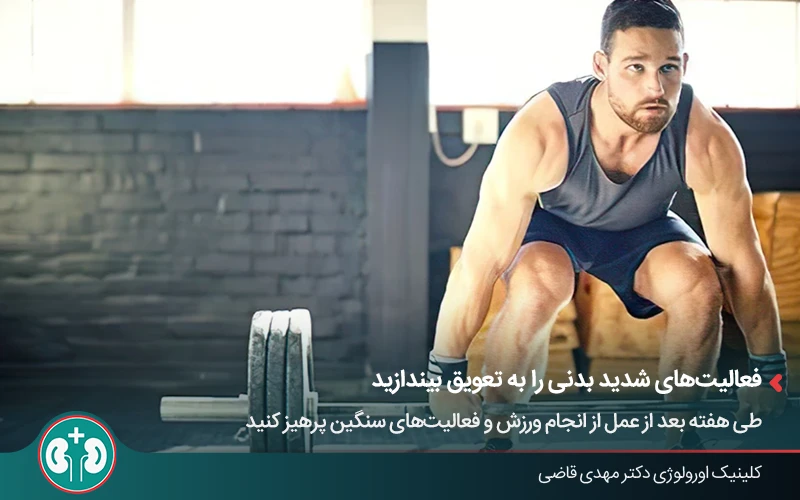
Avoid strenuous physical activity: Do not exercise during the first week; do not lift heavy objects; do not run; and do not do strenuous physical activity. These activities, especially in the first week, can cause pain, swelling, and bleeding.
Do not have sex for 10 days: Sexual intercourse or ejaculation during the first week after the procedure may cause pain and complications. It is best to consult your doctor before resuming sexual activity.
Do not go swimming: Avoid soaking in water until you have fully recovered. This may cause infection at the surgical site.
Do not ignore warning signs: Take any severe pain, significant swelling, unusual discharge, or fever seriously and see a doctor promptly.
Pain relief after vasectomy surgery
One concern patients have after surgery is pain after vasectomy. Fortunately, by following a few simple recommendations, you can control this pain well. Below, we discuss recovery methods and tips after vasectomy that can help relieve your pain.
Taking pain relievers
One way to reduce pain after vasectomy is to use over-the-counter pain relievers. Medicines such as ibuprofen, acetaminophen, or Novafen are among the common medicines you may use for pain relief.
It is best to take these medicines regularly during the first three days after surgery, at the amount of one dose per day; however, it is also best to take a pain reliever when you feel pain.
Some of these pain relievers also have anti-inflammatory effects, which is why they can help reduce swelling. Stronger pain relievers usually are not needed unless your doctor determines that they are necessary in special circumstances.
Using an ice compress
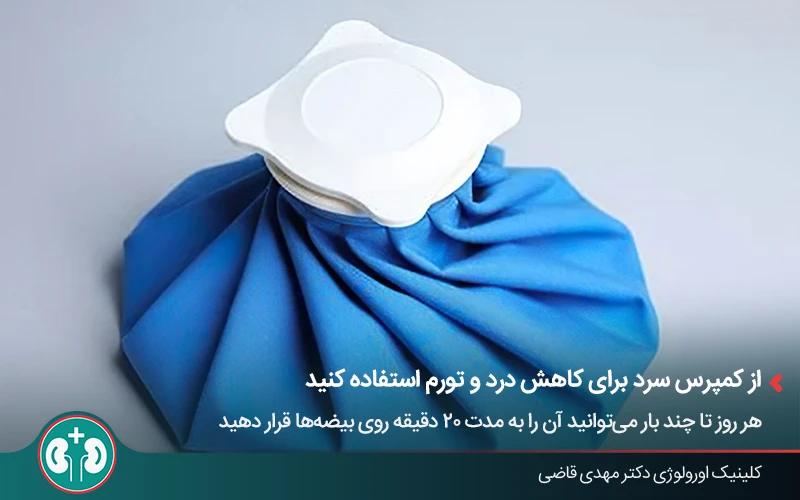
Along with pain relievers, an ice compress is one of the best methods for relieving pain after vasectomy surgery because it reduces swelling and inflammation in the testicular area. To use an ice pack, pay attention to the following points:
It is best to use an ice pack or a standard cold compress.
Wrap the compress in a thin towel before placing it on the surgical area so it does not touch the skin directly.
Place the ice compress on the testicles for 20 minutes each time.
Leave at least 60 minutes between ice-pack applications so the temperature of the surgical area can return to normal.
As long as you feel discomfort, you may use an ice compress several times a day.
Because a cold compress should not stay in contact with the skin for a long time, never use it while sleeping.
Caring for the incision and stitches
One thing you should do to care for the incision and stitches is follow hygiene instructions to prevent infection. Below, we explain how to do this.
How to clean the surgical site
One day after the procedure, the surgeon usually allows you to shower. You should gently wash the surgical area with water and mild soap, then dry it gently. To dry this area, you can use a soft towel or a hair dryer on a low-heat setting.
To wash the surgical site, it is best not to use soap, or preferably to use fragrance-free soap, to avoid irritating the wound.
Changing the dressing
Another thing you should do during vasectomy aftercare is to change the wound dressing regularly every day. Changing the dressing helps keep the surgical site clean and prevents contamination. Usually, during the first 1 or 2 weeks, you may see spots on the dressing when you change it. These spots are usually due to normal wound discharge and are not a cause for concern. After this period, the wound dries and will no longer have discharge; in that situation, daily dressing changes are no longer needed. If the wound still has discharge after this period, you should see a doctor.
Recovery time and care after vasectomy surgery
Vasectomy is an outpatient surgery that takes about 20 to 30 minutes and does not require general anesthesia. Therefore, the recovery period after vasectomy is relatively short, but following aftercare instructions helps speed recovery after vasectomy. You should know that no-scalpel vasectomy has a very short recovery period.
The importance of rest after vasectomy
Recovery after vasectomy depends largely on getting enough rest after surgery. On the day of the procedure, you are advised to rest completely and avoid strenuous physical activity. It is even better to avoid walking and standing as much as possible.
Duration of rest
You should have complete rest for at least 24 hours after surgery. In the following days, you can gradually resume light activities, but you should avoid strenuous activities and exercise for at least one week.
How to rest
The most suitable resting position after vasectomy is to lie on your back and keep your legs slightly elevated. When sitting, it is also best to lean back, stretch out your legs, and keep them slightly elevated (you can place a pillow under your legs).
Returning to work and daily activities
Most people can resume daily activities within 2 to 3 days after vasectomy, as long as those activities are not intense or strenuous. People whose jobs are not physical can usually return to work in less than one week. However, if your job requires a lot of physical activity or lifting heavy objects, it is recommended that you rest for at least one full week.
In general, you usually get through the recovery period within 8 to 9 days after the procedure, but this requires following the points we mentioned.
Resuming driving
Most people can resume driving 24 to 48 hours after the procedure, although it is best to avoid long drives. However, if you still feel significant pain in the testicular area after this time, it is best to consult your doctor before you start driving.
Medical follow-up after vasectomy
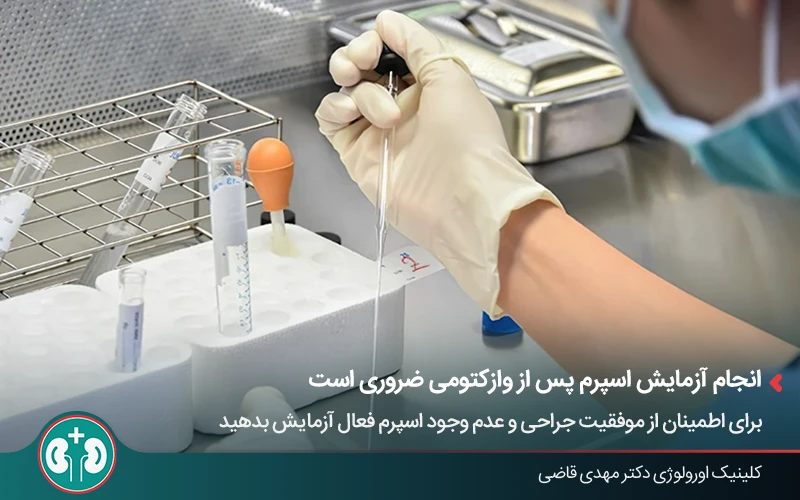
Because vasectomy is performed for contraception, one medical recommendation after vasectomy is to have a semen analysis, also called a spermogram. The purpose of this test is to determine whether the semen contains sperm. With this test, the surgeon can tell whether the vasectomy was successful. This test is usually performed 4 months after surgery.
Having a semen analysis
To have a semen analysis, you should pay attention to the following points:
Avoid intercourse or ejaculation for at least 72 hours before collecting the sample;
The sample should be collected 4 months after surgery;
The sample should be collected at the laboratory. If this is not possible, you should deliver it to the laboratory within less than 30 minutes.
To be fully sure that there is no sperm in the semen, this test may need to be repeated several times until the final result is confirmed by your doctor.
The right time to resume sexual activity
If your question is how many days after vasectomy you can have sex, the answer is that you can usually have sexual intercourse after 7 to 10 days without any particular problem. However, sex should be gentle, without pressure or vigorous movements. Still, before resuming sex, it is best to make sure the initial swelling and pain have completely resolved.
Using contraceptive methods
As we said earlier, after the procedure there is still some sperm in the vas deferens that could cause pregnancy. For this reason, it is recommended that you use other contraceptive methods, such as condoms or your partner's birth control pills, until your doctor confirms that there is no sperm in the semen.
What to expect during the first sexual encounters after surgery
During your first sexual intercourse after vasectomy, you may feel mild pain in the testicles or around the surgical area. This pain is temporary and goes away over time as the internal tissues heal. You may also see a small amount of blood in the semen during the first ejaculations, which is normal in the first few ejaculations.
Nutrition recommendations after vasectomy
Eating nourishing foods after surgery is another factor that plays an important role in speeding recovery and reducing complications after vasectomy. In general, after any surgery such as vasectomy, you should try to eat a healthy diet. However, paying attention to the following points can help you return to normal life more quickly:
Fluids and nutrients
One of the most important things to follow after surgery is eating protein-rich foods. Because protein contains essential amino acids, it helps rebuild tissue, repair wounds, and prevent infection. Important sources of protein include fish, eggs, chicken, low-fat dairy products, soy, lean meats, beans, lentils, and nuts. During the first few days, choose foods that are easy to digest and also rich in nutrients.
Another nutrition point is drinking enough fluids to maintain hydration and speed wound healing. You should drink several glasses of water each day and, if you wish, use unsweetened fruit juices.
In addition, it is recommended that you eat foods rich in vitamins and minerals, especially vitamin C (such as citrus fruits, bell peppers, and kiwi), vitamin A (such as carrots and spinach), and zinc (such as nuts and legumes), because these nutrients help strengthen the immune system and promote faster wound healing.
Avoiding alcohol and smoking
One of the most important points in vasectomy aftercare is not drinking alcohol and not smoking during the recovery period. Alcohol causes dehydration and interferes with tissue repair, and most importantly, it can interact with some medicines such as pain relievers. On the other hand, smoking reduces oxygen levels in the tissues, slows wound healing, and increases the risk of infection and inflammation.
Summary
Vasectomy aftercare plays a very important role in speeding recovery and preventing possible complications. In this article, we reviewed physical condition after surgery, normal and warning symptoms, do's and don'ts after the procedure, pain-relief methods, care of the incision and stitches, recovery time, nutrition recommendations, and the importance of medical follow-up. Carefully following postoperative vasectomy instructions helps you get through recovery with the least pain and fewest problems and return to normal life as soon as possible.
Frequently asked questions
Actions & related links
Doctors for this topic in Mashhad
See all doctors: Best Urologists in Mashhad




About the author

Urologic Surgeon
دکتر مهدی قاضی, Urologic Surgeon in Mashhad. Articles on this site are written and reviewed under the supervision of the Urology Building's physicians.
View profile & bookRelated articles
All articlesWhat Is Polycystic Kidney Disease? (Fetal and Adult PKD)
دکتر مهدی قاضی · June 26, 2026
What Is a Renal Cortical Cyst? Symptoms, Diagnosis, and Treatment
دکتر مهدی قاضی · June 26, 2026
Kidney Transplant: Cost, Blood Type Compatibility, and Surgical Method
دکتر مهدی قاضی · June 26, 2026
What Is Pyelonephritis? Kidney Infection Symptoms, Diagnosis, and Treatment
دکتر مهدی قاضی · June 26, 2026
Comments
0 comments
No comments yet. Be the first to share your thoughts.