 Tap to zoom
Urinary Tract Infection (UTI)
A urinary tract infection can affect the kidneys, bladder, or urethra. Learn the symptoms, warning signs, treatment options, and ways to reduce recurrence.
- نویسنده
- دکتر مهدی قاضی
- Published on
- June 26, 2026
- Reading time
- 5 min read
- Last updated
- Updated: June 27, 2026
Urinary tract infection is an infection of various parts of the urinary system, including the kidneys, bladder, and urethra. Urinary tract infection may be treated with antibiotics, but antibiotics are not always needed. If this disease is not treated on time, it may damage the kidneys.
This disease is very common among different people, including children, the elderly, and patients with diabetes.
Symptoms of urinary tract infection
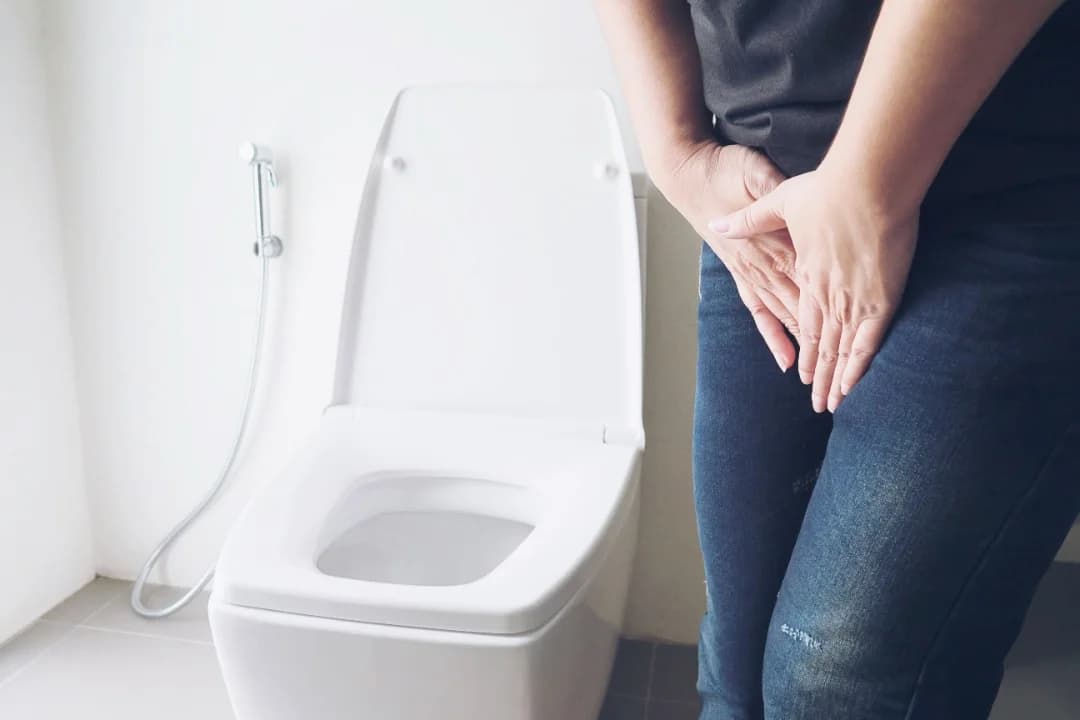
Symptoms of urinary tract infection include the following:
Pain or burning sensation when urinating
Frequent visits to the bathroom
Cloudy urine
Urgency to urinate
The presence of blood in the urine
Pain in the lower abdomen and lower back, especially under the ribs
Fever and chills
Body temperature below 36 degrees
Symptoms of urinary tract infection in children
Have a high fever
They look unhappy and restless and do not eat well
Urinary incontinence (incontinence)
Nausea and vomiting

Symptoms of infection in the elderly
In elderly people and people with urinary catheters and disabled, the symptoms can include:
Changes in behavior including feelings of confusion and restlessness
Lack of urinary control, urinary incontinence, which is generally more than normal
A new shivering sensation
When should we see a doctor?
You must see a doctor in the following cases:
If a person has symptoms of a urinary tract infection for the first time.
The child has symptoms of urinary tract infection.
Men who have symptoms of urinary tract infection.
pregnant women
Disabled and elderly people
Symptoms after surgery
Urinary tract infection symptoms that have not resolved within 2 days.
Urinary tract infection symptoms that have recurred after treatment.
If any of the following are evident, the patient should go to the emergency room immediately:
Very high fever with chills
Body temperature below 36 degrees
Confusion and sleepiness and difficulty speaking
Failure to urinate throughout the day
Back pain under the ribs with fever
The presence of blood in the urine
The above cases indicate a kidney infection that needs to be treated as soon as possible
Treatment of urinary tract infection
In cases where antibiotic treatment is started, it is necessary for the patient to complete the course in our hospital
Treatment for recurrent infections
If a person gets a urinary tract infection again after treating a urinary tract infection, it is recommended to do a urine test so that a new and different antibiotic is prescribed.
In postmenopausal women, vaginal creams containing estrogen will also help.
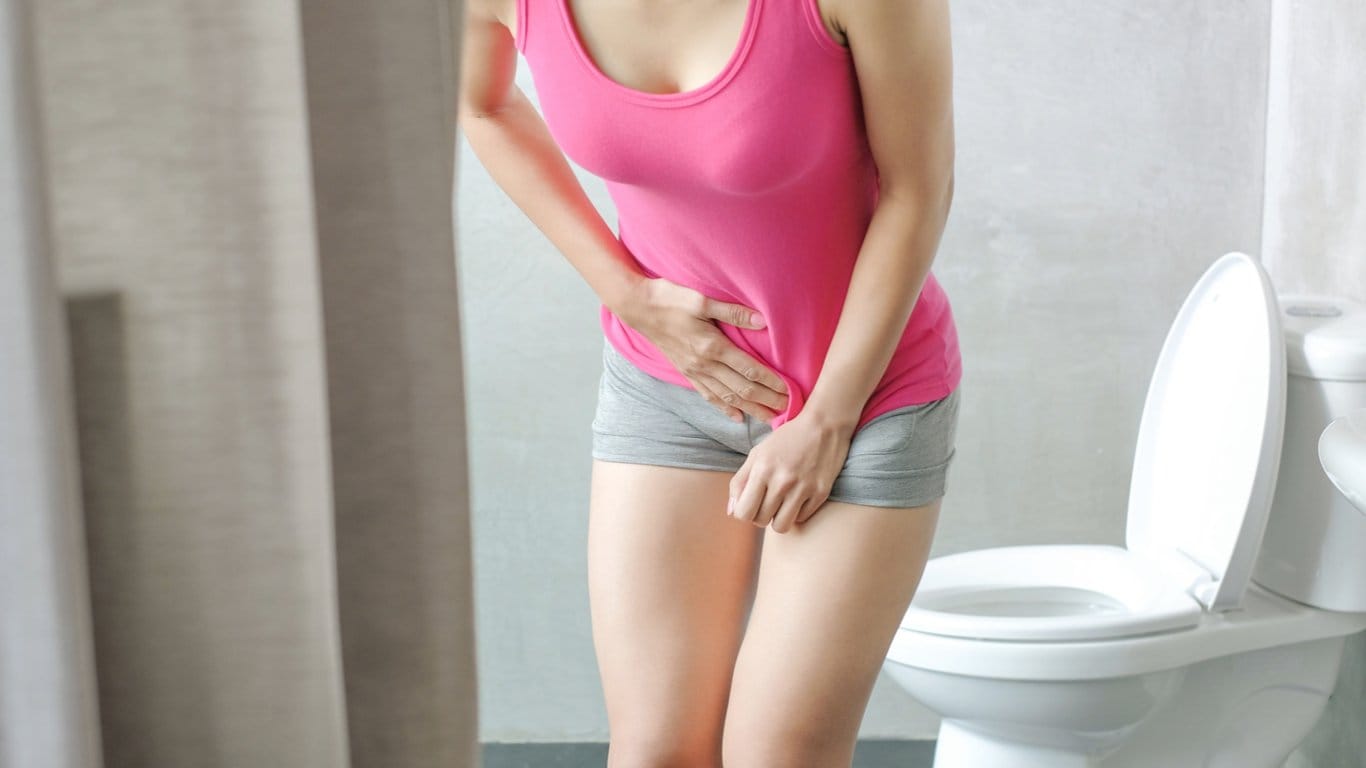
Self-healing measures to help relieve pain
Use acetaminophen 4 times a day to reduce fever and pain, generally acetaminophen is recommended instead of ibuprofen and aspirin.
Children can be given acetaminophen syrup
take a rest
Drink enough fluids so that the color of your urine is completely clear, especially in hot weather
Do not have sex until the symptoms are completely cured. UTI is not transmitted to your sexual partner, but having sex can be annoying.
Keep in mind that research has shown that taking medications containing cranberry does not help improve urinary symptoms
If the symptoms become severe and you do not have access to a doctor, you can go to the pharmacy and consult the pharmacist
Using a suitable diet such as blueberries, orange juice, lime juice,
Common causes of urinary tract infection
Urinary tract infection is usually manifested by the entry of bacteria into the urinary system through feces, the infection has entered the urinary tract, women generally have a shorter urethra than men, so the risk of infection and the chance of germs entering the kidneys and bladder are higher.
Things that increase the chance of getting a urinary tract infection include:
sex
Being pregnant and pregnancy
Obstruction in the urinary system such as kidney stones
Conditions that make emptying the bladder more difficult, such as an enlarged prostate in men and constipation in children
Urinary catheters
Defects in the immune system: diabetics, people undergoing chemotherapy
Inadequate fluid intake
Not keeping the genital area clean and dry

Methods to prevent urinary tract infection
There are different ways to prevent urinary tract infections, which include:
Cleaning the genital area from front to back when washing after urination
Keeping the genital area clean and dry
Drinking enough fluids during the day, especially in hot weather
Washing the area around the vagina before and after sex
Urinating at the first opportunity after sexual intercourse
Changing sanitary pads in case of incontinence or incontinence in adults
Changing diapers in children
Dos and don'ts in urinary tract infections
Do not use scented soaps
Do not hold urine for a long time and use the bathroom if necessary.
Not spending enough time in the bathroom, which leads to not emptying the bladder completely.
Not wearing tight clothes
Not wearing clothes with synthetic fibers such as nylon
Avoiding alcoholic beverages that irritate the bladder
Not consuming sugary drinks and foods to be effective in accelerating and growing bacteria
Not using condoms or lubricant gels
Other ways to prevent recurrent urinary tract infections
If a person gets urinary tract infection more than 3 times a year, it is necessary to do other things to prevent recurrence of the infection, so research has shown that women under the age of 65 who frequently get urinary tract infections should do the following:
Use di monose supplements, which of course are not recommended for pregnant women
Use cranberry products.
It is important to note that di-monose and cranberries contain large amounts of sugar.
Actions & related links
Doctors for this topic in Mashhad
See all doctors: Best Pediatric Urologists in Mashhad




About the author

Urologic Surgeon
دکتر مهدی قاضی, Urologic Surgeon in Mashhad. Articles on this site are written and reviewed under the supervision of the Urology Building's physicians.
View profile & bookRelated articles
All articlesWhat Is Polycystic Kidney Disease? (Fetal and Adult PKD)
دکتر مهدی قاضی · June 26, 2026
What Is a Renal Cortical Cyst? Symptoms, Diagnosis, and Treatment
دکتر مهدی قاضی · June 26, 2026
Kidney Transplant: Cost, Blood Type Compatibility, and Surgical Method
دکتر مهدی قاضی · June 26, 2026
What Is Pyelonephritis? Kidney Infection Symptoms, Diagnosis, and Treatment
دکتر مهدی قاضی · June 26, 2026
Comments
1 comments