
 Tap to zoom
Urethral Stricture: Causes, Symptoms, Diagnosis, and Treatment
Urethral stricture is abnormal narrowing of the urethra, usually from scar tissue. Learn the symptoms, causes, tests, treatment options, and follow-up care.
- نویسنده
- دکتر مهدی قاضی
- Published on
- June 26, 2026
- Reading time
- 5 min read
- Last updated
- Updated: June 27, 2026
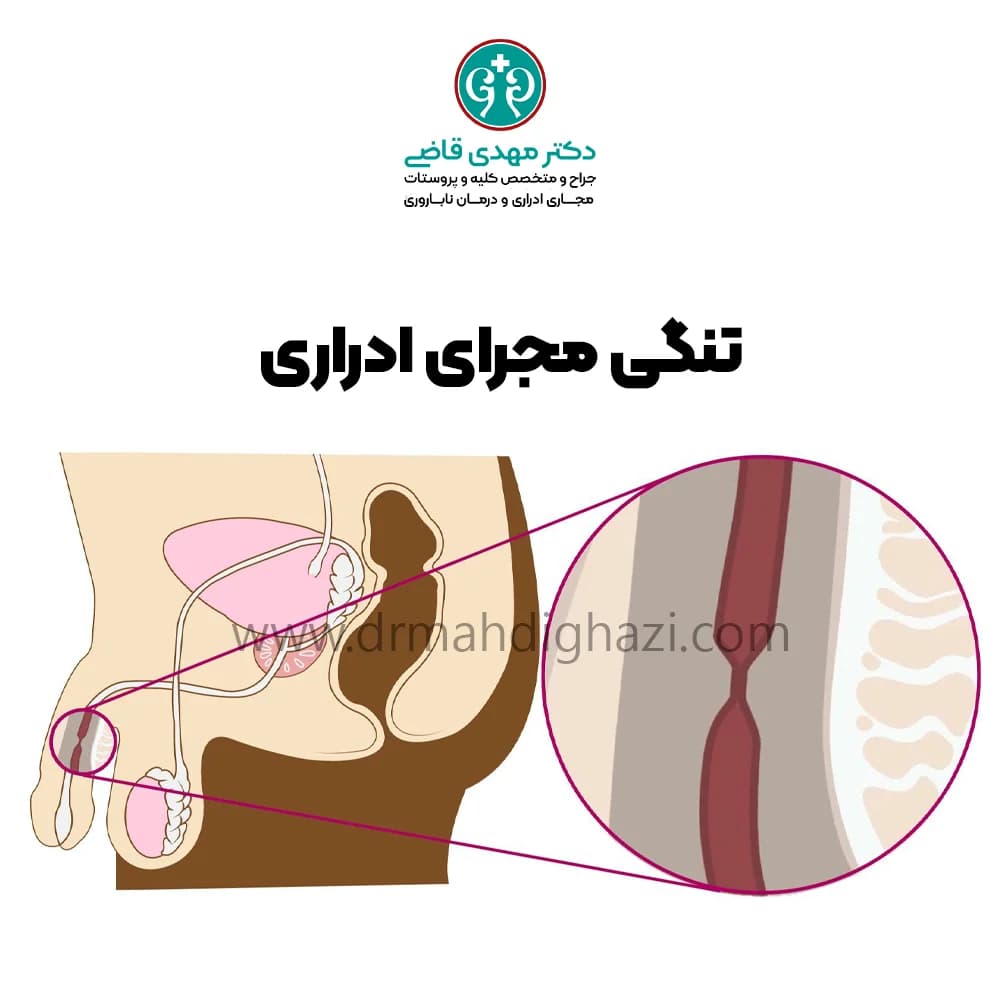
Urethral stricture means abnormal narrowing of the urethra due to scar tissue formation. This problem can severely affect a person’s quality of life and lead to serious problems with urination, pain, and recurrent urinary tract infections.
The urethra is the tube that carries urine from the bladder out of the body, and any narrowing along this pathway can disrupt normal urine flow.
Urethral stricture occurs more often in men because the male urethra is longer, making it more likely to be injured.
Causes of Urethral Stricture
Urethral stricture can result from several factors, each of which can damage urethral tissue and lead to scar formation. Understanding these causes can help with prevention and effective treatment.
1. Physical injuries:
Physical injuries to the pelvis or genital tract can lead to urethral stricture. Direct trauma to this area, such as injuries from car accidents or intense sports activities, can damage the urethra and create scar tissue. Pelvic fractures can also injure the urethra because of its proximity.
2. Infections:
Recurrent urinary tract infections and sexually transmitted diseases can cause inflammation and ultimately urethral stricture. Infections caused by bacteria such as gonorrhea and chlamydia can lead to chronic urethral inflammation. This chronic inflammation may create scar tissue that narrows the urethra.
3. Surgeries and medical instruments:
Long-term catheter use and urinary tract surgeries can irritate and injure the urethra. Having a catheter placed for a long time or repeatedly can increase the risk of urethral stricture. In addition, prostate or bladder surgeries may unintentionally injure the urethra and lead to scar tissue formation.
4. Congenital conditions:
Some people are born with urethral stricture. These strictures are usually diagnosed in childhood and may require surgical treatment.
5. Inflammation and specific diseases:
Some inflammatory diseases, such as lichen sclerosus, can cause urethral stricture. These diseases narrow the urethra by causing chronic inflammation and scar tissue formation.
Symptoms of Urethral Stricture
Urethral stricture can cause a range of symptoms that vary depending on the severity and location of the narrowing. Recognizing these symptoms can help with earlier diagnosis and more effective treatment.
1. Reduced urine flow:
One of the most common symptoms of urethral stricture is reduced speed and volume of urine flow. The patient may feel that the urine stream is weak or intermittent.
2. Pain during urination:
Pain or burning during urination can be a sign of urethral stricture. This pain may occur because greater pressure is needed to pass urine through the narrowed urethra.
3. Recurrent urinary tract infections:
Urethral stricture can lead to recurrent urinary tract infections because bacteria remain in residual urine and multiply at the site of narrowing.
4. Urinary retention:
In severe cases, urethral stricture can cause urinary retention, meaning the person cannot empty the bladder completely and urine remains in the bladder.
5. Frequent need to urinate:
People with urethral stricture may feel a frequent need to urinate, even if only a small amount of urine is passed each time.
6. Blood in the urine:
In some cases, urethral stricture can cause visible blood in the urine. This may be due to injury to the urethral walls or infection.
Diagnostic Process for Urethral Stricture
Diagnosis of urethral stricture usually includes a combination of medical history review, physical examination, and specialized tests.
This process helps physicians identify the location and severity of the stricture and choose the best treatment method.
1. Physical examination:
The physician performs a physical examination and asks the patient about symptoms and medical history to collect initial information. This information may include a history of urinary infections, previous surgeries, and any injury to the pelvic area.
2. Urine tests:
Testing a urine sample helps identify infections and check for blood in the urine. These tests can help diagnose concurrent infections and determine the possible cause of the stricture.
3. Urine flow test (uroflowmetry):
In this test, the speed and volume of urine flow are measured. Reduced urine flow speed can be a sign of stricture.
4. Imaging:
Different imaging methods such as ultrasound, cystoscopy, and MRI are used to view the urethra more precisely and diagnose stricture. Ultrasound can provide images from inside the tract, and cystoscopy allows the physician to see the inside of the urethra directly.
5. Urography:
Urography is a type of imaging performed with contrast material so the urethra can be seen clearly. This method can help identify the location and severity of the stricture.
Treatment Methods for Urethral Stricture
Several methods are available to treat urethral stricture, and the choice depends on the severity and location of the narrowing.
The treatment method is selected based on each patient’s specific condition.
1. Dilation
In this method, special instruments are used to open the urethra. These instruments gradually increase in size to gently widen the urethra. This method may need to be repeated because the stricture can return.
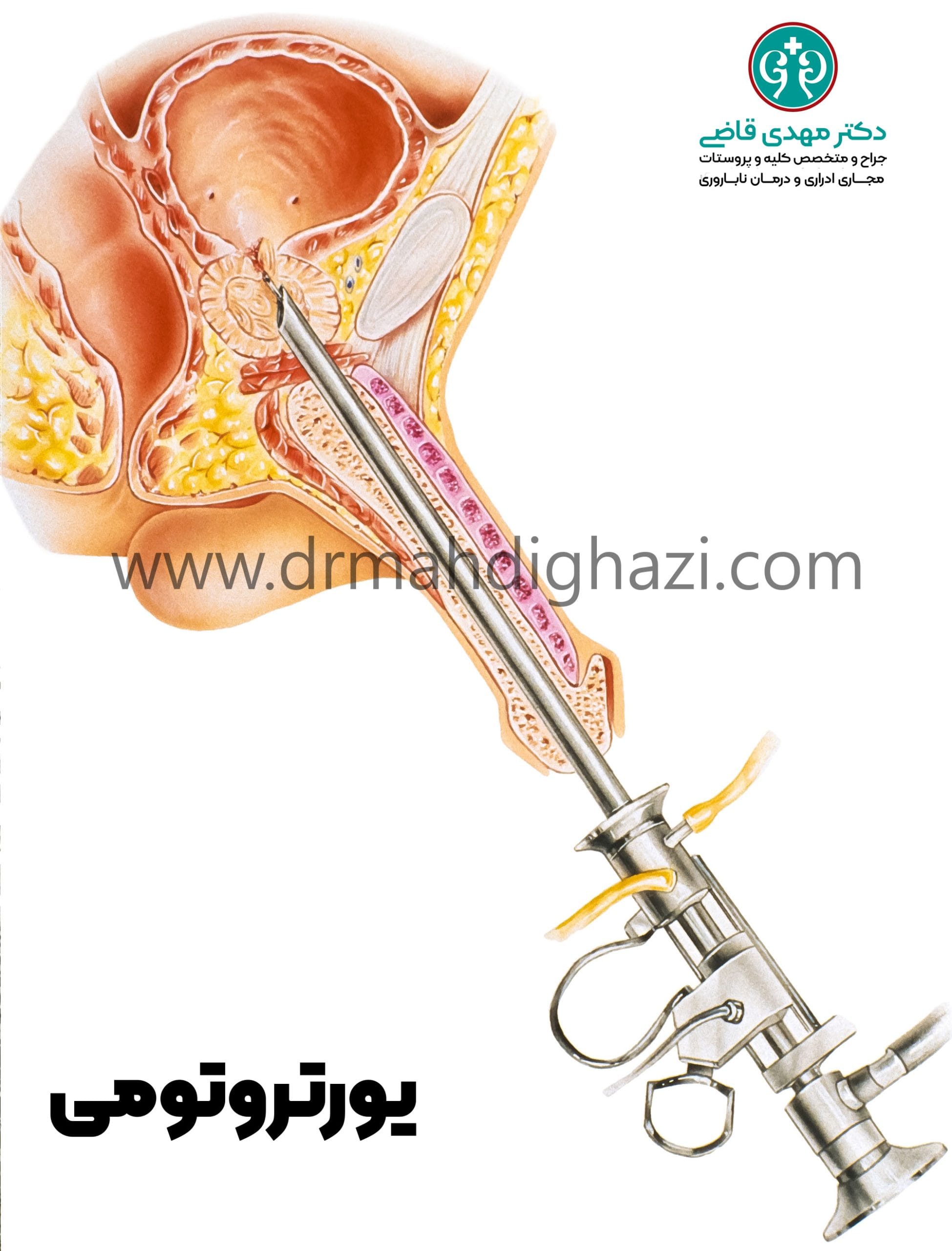
2. Internal urethrotomy (Urethrotomy)
In this method, scar tissue is cut with a sharp instrument inserted into the urethra through a cystoscope. This method may also need to be repeated and is suitable for short, narrow strictures.
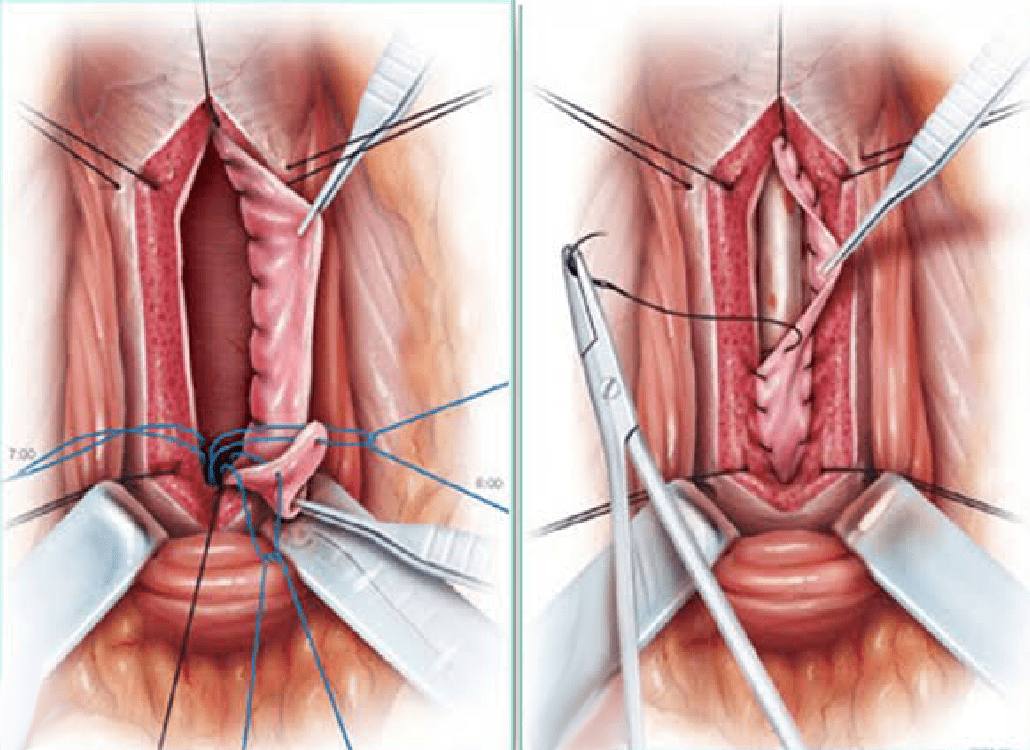
3. Graft urethroplasty (Urethroplasty)
Graft urethroplasty is an advanced surgical method for treating urethral stricture. It involves removing the narrowed segment and replacing it with healthy tissue from another part of the patient’s body, usually the mouth or skin. This surgery is performed under general or local anesthesia and requires an incision and removal of the narrowed segment. The healthy tissue, or graft, is then moved to the stricture site and joined to the urethra to open the urine pathway. This method has better long-term results than other non-surgical methods and is usually used for complex and severe strictures.
4. Stent placement (Stent Placement)
In this method, a stent, or small tube, is placed at the site of narrowing to keep the urethra open. Stents are usually used in selected cases with close supervision. This method may be used temporarily or permanently.
5. Laser therapy
Laser is used to treat the area of scar tissue. This method may also need to be repeated and is usually used for small, narrow strictures.
Post-treatment Care
After treatment of urethral stricture, post-treatment care is very important. This care includes:
Regular follow-up
Seeing the physician to check the urethra and make sure the stricture has not returned. These follow-ups help detect recurrent stricture early and allow necessary measures to be taken.
Taking prescribed medicines
Taking antibiotic medicines to prevent infection and other medicines prescribed by the physician.
Maintaining personal hygiene
Maintaining personal hygiene and preventing urinary tract infections. Wearing appropriate clothing and keeping the genital area clean can help reduce infection risk.
Adequate water intake
Drinking enough water to reduce infection risk and help the urethra heal. Adequate water intake can help flush the urinary tract and reduce infection risk.
Possible Complications
Possible complications of urethral stricture and its treatments may include:
Stricture recurrence
This is one of the most common complications and may require repeated treatments. The likelihood of recurrence depends on the original cause and the treatment method used.
Infections
Urinary tract infections may occur either because of the stricture or because of treatment procedures. Antibiotic use and hygiene can help reduce infection risk.
Bleeding
Bleeding may occur after treatments such as urethrotomy. This bleeding is usually mild and improves over time.
Injury to the urethra
Treatment methods can injure the urethra and require care. In some cases, new injuries can lead to new strictures.
Conclusion
Urethral stricture is a challenging medical condition that can affect a person’s quality of life. Timely diagnosis and appropriate treatment can improve symptoms and reduce the risk of serious complications.
Given the different causes and treatment methods, seeing a urologist for counseling and treatment is the best approach.
Post-treatment care and regular follow-up are also essential to prevent recurrence and manage complications.
By following medical advice and completing the necessary care, patients can improve quality of life and reduce problems caused by urethral stricture.
Frequently Asked Questions
Actions & related links
Doctors for this topic in Mashhad
See all doctors: Best Doctors for UTI & Urinary Incontinence in Mashhad




About the author

Urologic Surgeon
دکتر مهدی قاضی, Urologic Surgeon in Mashhad. Articles on this site are written and reviewed under the supervision of the Urology Building's physicians.
View profile & bookRelated articles
All articlesWhat Is Polycystic Kidney Disease? (Fetal and Adult PKD)
دکتر مهدی قاضی · June 26, 2026
What Is a Renal Cortical Cyst? Symptoms, Diagnosis, and Treatment
دکتر مهدی قاضی · June 26, 2026
Kidney Transplant: Cost, Blood Type Compatibility, and Surgical Method
دکتر مهدی قاضی · June 26, 2026
What Is Pyelonephritis? Kidney Infection Symptoms, Diagnosis, and Treatment
دکتر مهدی قاضی · June 26, 2026
Comments
10 comments