 Tap to zoom
Can a Blow to the Testicle Cause Infertility?
Most testicular injuries do not cause permanent infertility, but severe trauma can damage tissue, cause bleeding, torsion, or affect sperm production.
- نویسنده
- دکتر مهدی قاضی
- Published on
- June 26, 2026
- Reading time
- 2 min read
- Last updated
- Updated: June 27, 2026
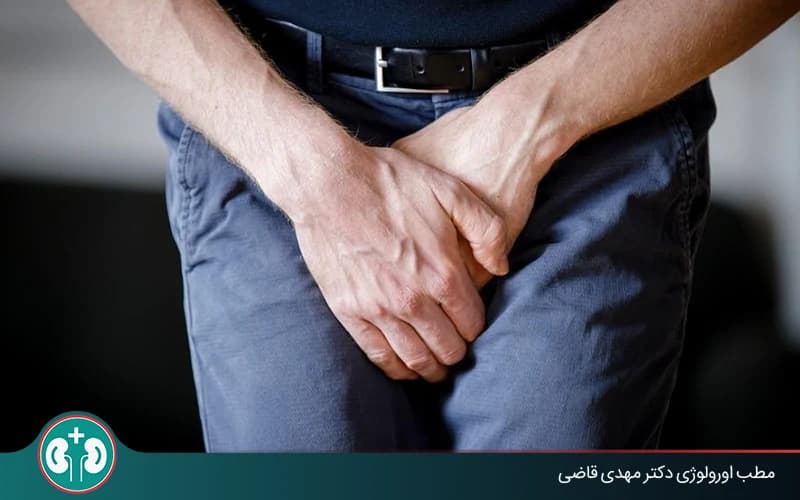
In most cases, a blow to the testicle does not cause permanent infertility; however, severe trauma can lead to tissue injury, internal bleeding, or, in rare cases, lower sperm quality or sperm count in the future. In these situations fertility may be affected, so take any severe blow to the testicle seriously and see a urologist.
The testicles are sensitive organs whose main job is to produce sperm and the male hormone testosterone. They are enclosed in a layer called the tunica albuginea. This is a thick membrane that surrounds the sensitive testicular tissue and protects its internal structures, including the sperm-producing tubules. Even so, the testicles remain vulnerable to strong blows.
Severe trauma can tear this layer and cause internal bleeding, marked swelling, or even testicular torsion, which is called testicular torsion. If these injuries are not diagnosed and treated promptly and accurately, permanent damage may occur in the testicular tissue and eventually the process of sperm production may be impaired.
The extent of injury can be diagnosed only with specialist examination and ultrasound, and delay in seeking care can increase the risk of permanent fertility damage. Therefore, the best step after a severe blow to the testicle is immediate evaluation by a urologist.
Especially if symptoms such as severe and persistent pain, significant swelling, extensive bruising, change in testicular shape, nausea, vomiting, or even loss of consciousness occur after the injury, you should see a urologist immediately.
Actions & related links
Doctors for this topic in Mashhad
See all doctors: Best Male Infertility Doctors in Mashhad




About the author

Urologic Surgeon
دکتر مهدی قاضی, Urologic Surgeon in Mashhad. Articles on this site are written and reviewed under the supervision of the Urology Building's physicians.
View profile & bookRelated articles
All articlesWhat Is Polycystic Kidney Disease? (Fetal and Adult PKD)
دکتر مهدی قاضی · June 26, 2026
What Is a Renal Cortical Cyst? Symptoms, Diagnosis, and Treatment
دکتر مهدی قاضی · June 26, 2026
Kidney Transplant: Cost, Blood Type Compatibility, and Surgical Method
دکتر مهدی قاضی · June 26, 2026
What Is Pyelonephritis? Kidney Infection Symptoms, Diagnosis, and Treatment
دکتر مهدی قاضی · June 26, 2026
Comments
0 comments
No comments yet. Be the first to share your thoughts.