 Tap to zoom
Is Testicle Pain After Varicocele Surgery Normal?
Mild to moderate testicle or groin pain after varicocele surgery is usually part of normal recovery, but worsening pain, fever, swelling, or discharge needs medical review.
- نویسنده
- دکتر مهدی قاضی
- Published on
- June 26, 2026
- Reading time
- 2 min read
- Last updated
- Updated: June 26, 2026
Yes. Mild to moderate pain or discomfort in the testicle after varicocele surgery is usually normal, is not a cause for concern, and does not require urgent action. This pain is often felt in the testicle or groin and is usually more noticeable during the first few days after surgery.
In general, pain after this procedure is one of the most common concerns during recovery and, in most cases, is part of the body's normal healing process.
The cause is usually temporary irritation and inflammation of the tissues around the testicle, including the body's reaction to sutures, absorption of small bruises, and stretching of tissues in the area where the enlarged veins were tied off.
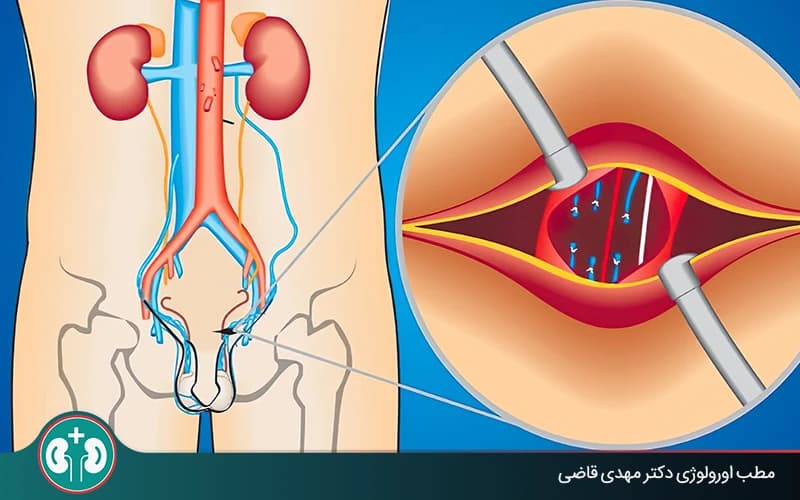
The type of surgery can also affect the intensity and duration of pain. For example, when the operation is performed with greater precision and through a lower groin approach, the risk of injury to surrounding tissues is lower.
As a result, the patient usually has less pain and returns to daily activities sooner. This technique is known as subinguinal microsurgical varicocelectomy.
However, if you have the following symptoms, testicular pain after varicocele surgery may indicate a complication such as infection, recurrence of the varicocele, or fluid collection around the testicle (hydrocele):
The pain is persistent, shooting, or accompanied by numbness or tingling.
It does not usually improve after a few weeks, or it becomes more severe.
It is accompanied by symptoms such as marked swelling, fever, skin redness, or discharge from the suture site.
It may feel like unusual tenderness to touch (hyperalgesia) or nerve-related pain (Neuropathic Pain).
In rare cases, persistent pain may be due to involvement of nerves in the surgical area. In this situation, you should see your doctor. Timely follow-up helps prevent more serious problems and supports a faster recovery.



Appointments related to Best Varicocele Doctors & Surgeons in Mashhad
1 doctors available to book
Actions & related links
Doctors for this topic in Mashhad
See all doctors: Best Varicocele Doctors & Surgeons in Mashhad




About the author
Urologic Surgeon
دکتر مهدی قاضی, Urologic Surgeon in Mashhad. Articles on this site are written and reviewed under the supervision of the Urology Building's physicians.
View profile & bookRelated articles
All articlesWhat Is Polycystic Kidney Disease? (Fetal and Adult PKD)
دکتر مهدی قاضی · June 26, 2026
What Is a Renal Cortical Cyst? Symptoms, Diagnosis, and Treatment
دکتر مهدی قاضی · June 26, 2026
Kidney Transplant: Cost, Blood Type Compatibility, and Surgical Method
دکتر مهدی قاضی · June 26, 2026
What Is Pyelonephritis? Kidney Infection Symptoms, Diagnosis, and Treatment
دکتر مهدی قاضی · June 26, 2026
Comments
13 comments