
 Tap to zoom
Sperm Disorders and Their Treatment
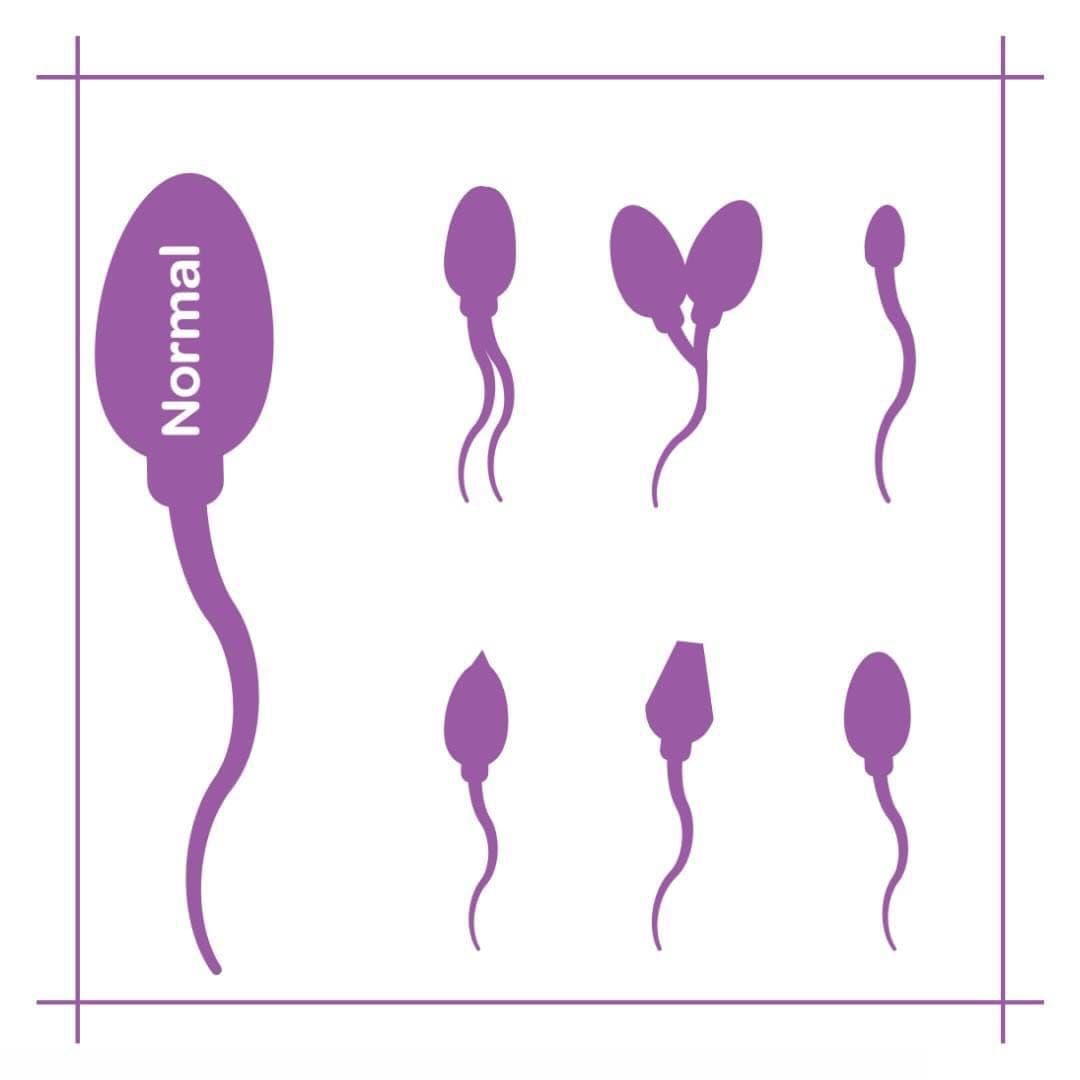
Sperm disorders include low sperm count and reduced sperm quality. Semen analysis and evaluation of both partners help guide treatment and fertility options.
- نویسنده
- دکتر مهدی قاضی
- Published on
- June 26, 2026
- Reading time
- 5 min read
- Last updated
- Updated: June 27, 2026
Sperm disorders include a sperm count below 15 million sperm per milliliter of semen, which is called oligospermia. A low sperm count reduces the chance of pregnancy, but pregnancy may still be possible.
Sperm disorders include low sperm count and reduced sperm quality and quantity. These problems are relatively common; about 1 in every 3 couples has difficulty achieving pregnancy.
In general, if a couple does not become pregnant after one year of trying, they should see a doctor. Both partners should be examined after the visit, and diagnostic tests and evaluations should be performed for each partner; in men, this includes a semen analysis.
Semen analysis
This is an analysis used to assess male fertility. It evaluates specific features of semen and sperm. If the result is reported as normal, the test should be repeated once more, 3 months later, to make sure the result is reliable.
Causes of low sperm count
In many cases, no clear cause for a low sperm count is found. However, several diseases and problems can contribute to sperm disorders, including:
• Hormonal disorders such as hypogonadism or sex hormone deficiency
• Genetic problems such as Klinefelter syndrome
• History of undescended testicles in childhood
• Structural problems such as blockage, injury, or absence of the testicular tubes
• Sexually transmitted infections such as chlamydia, gonorrhea and prostatitis
• varicocele (enlargement of the veins in the testicle)
• History of previous testicular surgery or repair of hernia (inguinal hernia)
• Excessive heating of the testicles
• Heavy use of alcohol, cigarettes, and psychoactive drugs
• Use of certain medicines, such as excessive testosterone, anabolic steroids, chemotherapy drugs, some antibiotics, and antidepressants
• Overweight and obesity
• Occupation: jobs that require prolonged sitting
• Frequent intercourse: ejaculation 2 to 3 times per day
Treatment of low sperm count and sperm disorders
First, the doctor may recommend that you continue trying to conceive despite a low sperm count, because many couples achieve pregnancy during the second year. The following steps can help increase the chance of pregnancy:
• Having sex once every 2 to 3 days
• Moderating alcohol use
• Stopping smoking
• Following a healthy diet
• Exercising regularly

IVF (in vitro fertilization)
This is one option for couples who have difficulty achieving pregnancy. It is generally used for couples who have not become pregnant after 2 years of trying. In this process, an egg is taken from the woman's ovary and sperm is obtained from the man. The egg is fertilized in the laboratory, and the fertilized egg is then transferred into the woman's uterus so it can grow.
Stages of IVF
One IVF cycle takes about 4 to 6 weeks and includes the following steps in order:
• Ovarian stimulation
• Follicle growth
• Injection to mature the eggs
• Egg retrieval procedure
• Fertilization
• Embryo growth
• Transfer procedure
Chance of success with IVF
The chance of success differs completely from one couple to another depending on the cause of infertility and their age. Younger women have a higher chance of pregnancy because they usually have healthier eggs. About 40 percent of IVF cycles performed in women younger than 34 years lead to the birth of healthy babies.
Disadvantages of IVF
Although this method is very useful for treating infertility, it still has its own disadvantages and problems, including:
• High cost
• Time-consuming process
• Possibility of multiple pregnancy
• Possibility of ectopic pregnancy
• Risk of ovarian hyperstimulation syndrome
• Possibility that IVF may not be completed
Intracytoplasmic sperm injection
This is a type of IVF technique in which a single sperm is injected microscopically into the egg. After fertilization and formation of embryonic cells, the embryo is transferred into the mother's uterus.
This method is generally used for couples who have not been able to have a child after at least 2 years of trying and who have one of the following problems:
• No sperm or low sperm count in the semen
• Poor sperm quality
* Before this treatment is performed, both partners must be evaluated to make sure this treatment is appropriate for them.
Gonadotropin medications
If gonadotropin hormone levels, which stimulate sperm production, are low, gonadotropin medications are prescribed to speed and improve fertility. However, if no cause is found for the sperm disorder, these hormones are not prescribed, because it is not clear that they increase fertility in these individuals.
Donor insemination
This means using donated sperm from an anonymous man. If needed, this method may be used as part of IVF.
Actions & related links
Doctors for this topic in Mashhad
See all doctors: Best Male Infertility Doctors in Mashhad




About the author

Urologic Surgeon
دکتر مهدی قاضی, Urologic Surgeon in Mashhad. Articles on this site are written and reviewed under the supervision of the Urology Building's physicians.
View profile & bookRelated articles
All articlesWhat Is Polycystic Kidney Disease? (Fetal and Adult PKD)
دکتر مهدی قاضی · June 26, 2026
What Is a Renal Cortical Cyst? Symptoms, Diagnosis, and Treatment
دکتر مهدی قاضی · June 26, 2026
Kidney Transplant: Cost, Blood Type Compatibility, and Surgical Method
دکتر مهدی قاضی · June 26, 2026
What Is Pyelonephritis? Kidney Infection Symptoms, Diagnosis, and Treatment
دکتر مهدی قاضی · June 26, 2026
Comments
2 comments