 Tap to zoom
Signs genital warts (HPV) Are Healing: What to Expect and Medical Advice
Learn the main signs that genital warts are responding to treatment, what changes are normal after HPV treatment, and when follow-up with a doctor is needed.
- نویسنده
- دکتر مهدی قاضی
- Published on
- June 26, 2026
- Reading time
- 5 min read
- Last updated
- Updated: September 4, 2026
genital warts are one of the most common sexually transmitted infections and are caused by the human papillomavirus. Many people encounter this virus at least once during their lifetime. genital warts can be treated with medications, cryotherapy, laser treatment, or surgery.
Signs that genital warts are healing usually include changes such as shrinking, color change, or the lesion falling off. These changes do not mean the virus has been completely cleared from the body, but they do show that treatment is taking effect. Anxiety and worry before treatment are common, and seeing signs of improvement can help reduce stress.
In the rest of this article, we review the most important visible signs that genital warts are improving and the key care points after treatment.
What Are genital warts and How Are They Transmitted?
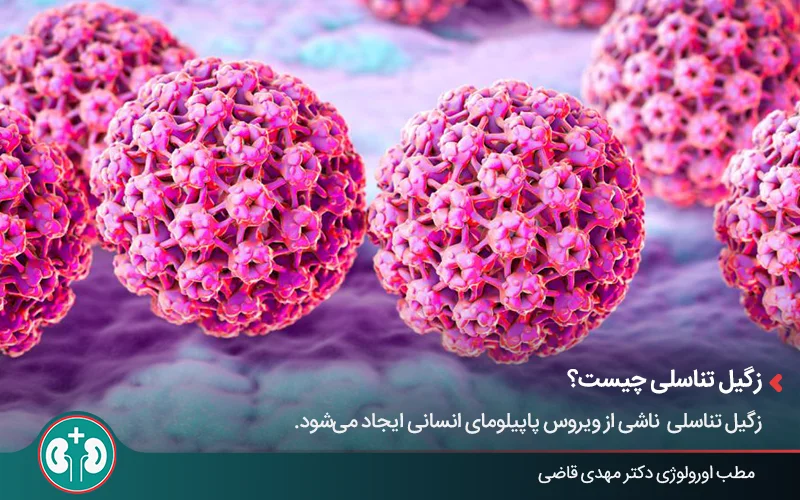
genital warts are one of the most common sexually transmitted infections and are caused by human papillomavirus (HPV). According to the Centers for Disease Control and Prevention (CDC), more than 90% of these lesions are caused by the low-risk HPV-6 and HPV-11 strains.
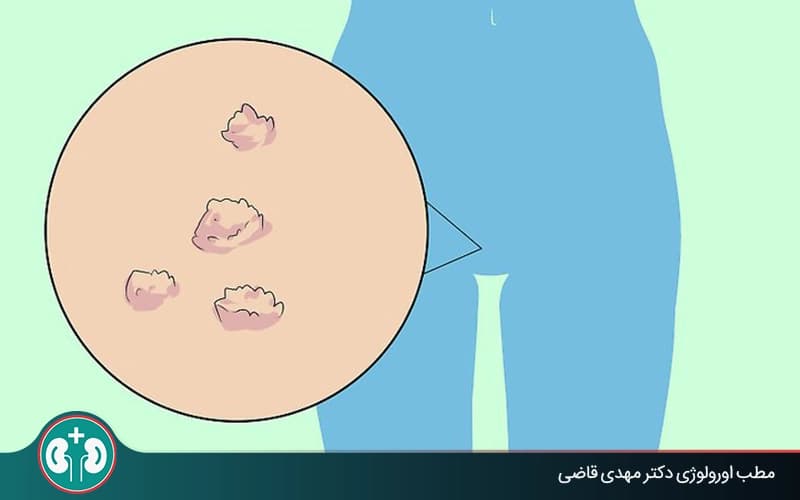
HPV warts appear as small, soft bumps that may be white, pink, red, or skin-colored. Some lesions look like cauliflower, but most are very small and may not be visible to the naked eye. In women and men, they can grow in different areas, including the penis, vulva, vaginal walls, cervix, around the anus, or scrotum.
The main route of transmission is unprotected sexual contact (vaginal, anal, or oral) with an infected person. However, close skin-to-skin contact and, less commonly, sharing personal items such as towels or underwear may also be associated with transmission. Many people with HPV have no symptoms, but lesions can sometimes cause discomfort or pain during sex.
Can genital warts Go Away on Their Own?
According to the World Health Organization (WHO), more than 90% of HPV infections clear naturally through the immune system within two years. This clearance is especially common with low-risk viral strains.
When infection persists, there is a risk of skin lesions and a higher risk of some cancers, including cancers of the cervix, vulva, penis, and throat. For this reason, supporting immune health is important in the management of genital warts. A healthy lifestyle, including a balanced diet, regular physical activity, and adequate sleep, can provide supportive help.
Evidence-Based Treatments for genital warts
genital warts can cause discomfort, itching, or pain. Lesions inside the vagina or on the cervix may also cause pain or bleeding during sex. If a person has had unprotected sexual contact, or if there is concern about other possible routes such as close skin contact or shared personal items, evaluation by a urologist or the relevant specialist is important.
Evidence-based treatments for genital warts aim to remove skin lesions and reduce the risk of transmission or recurrence. Depending on the number of warts, the affected area, and the person's condition, the doctor may use topical medications, minimally invasive methods such as cryotherapy, or more invasive methods such as laser treatment and surgery. Below, we review each method in more detail.
Topical Medications and Immune Support for HPV
One treatment option for genital warts is topical medication. In this method, a cream or solution is applied directly to the lesion. A medication such as imiquimod stimulates the body's immune response and helps limit the infection, while podophyllin directly destroys wart tissue.
The duration and dose of medication must be determined exactly by a doctor, because excessive use can cause itching, inflammation, or skin redness. Unprotected sex is also not recommended while using these medications.
Medication Name | Dosage | Form | Side Effects |
|---|---|---|---|
Imiquimod | Three times a week | Topical cream | Itching, redness |
Podophyllin | Once a week | Topical solution | Local irritation, inflammation, and pain |
Cryotherapy
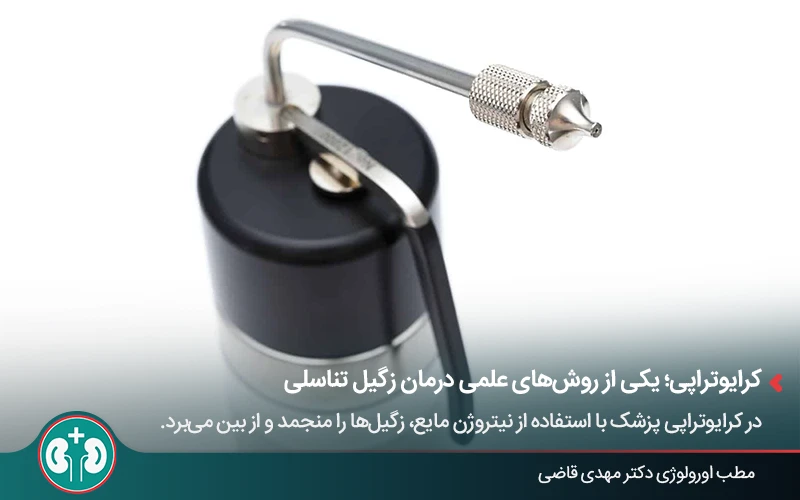
Cryotherapy is a minimally invasive method in which the doctor freezes and destroys the warts using liquid nitrogen. It is usually quick and less expensive, but after treatment the wart site may blister, become red, or feel painful.
These symptoms are normal and usually improve within a few days. Keeping the area clean and dry and using simple pain relievers if needed can make recovery more comfortable.
Laser Treatment
Laser treatment is used to remove resistant lesions or warts in sensitive areas such as the vagina and anus. In this method, CO2 laser equipment destroys the wart tissue. Laser treatment is highly precise and has a lower recurrence rate than some other methods, but there is also a risk of scarring or mild bleeding.
Before laser treatment, the treatment area should be clean and aggressive shaving should be avoided. After laser treatment, daily washing with lukewarm water, avoiding scratching the skin, and avoiding unprotected sex until full healing are recommended.
Surgery
If the warts are extensive or resistant, the doctor may recommend surgery. In this method, the lesion is removed with a surgical blade, and local anesthesia or general anesthesia may be used depending on the wart's location and size.
Surgery is usually used for widespread or bleeding warts. Although it is effective, it causes more pain and has a longer recovery period than other methods. After surgery, the treated area must be kept clean and dry. Pain or itching during the first few days is normal, and pain medication may be used if prescribed by the doctor.
Comparison of genital warts Treatment Methods
To make choosing a treatment easier, the table below compares the most common genital warts treatments and their main features. This table helps patients understand the advantages and limitations of each method, but the final choice should be based on a specialist's recommendation.
Treatment Method | Advantages | Disadvantages | Success Rate |
|---|---|---|---|
Immune-supporting medications | Can be used at home | Local inflammatory reactions | Low |
Cryotherapy | Fast and lower cost | Blistering, pain, and discomfort | High |
Laser | Lowest wart recurrence rate | Scarring, mild bleeding | High |
Surgery | Effective for widespread warts | Bleeding, significant pain | Very high |
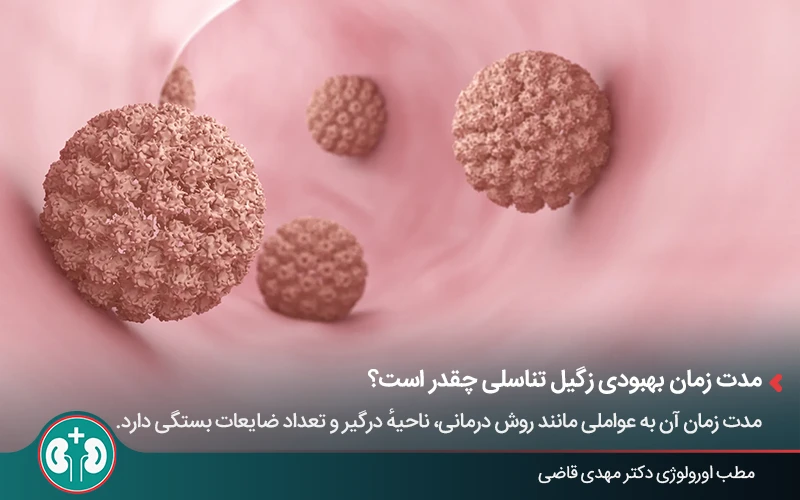
How Long Does It Take genital warts to Heal?
The healing time for genital warts depends on factors such as the treatment method, the affected area, and the number of lesions. In many patients, response to treatment can be seen within 10 days to one month, but healing may happen sooner or later depending on individual factors.
In people with a weakened immune system (such as people living with HIV or those taking immunosuppressive medications), healing usually takes longer and the chance of genital warts symptoms recurring is higher.
How the Immune System and Nutrition Affect genital warts Healing
The immune system plays an important role in HPV recovery. The stronger the immune response, the greater the chance of natural viral clearance and reduction in genital warts symptoms. One of the main recommendations after treatment is to focus on a healthy lifestyle and balanced diet, because these support immune function.
The Role of Immunity in Reducing genital warts Symptoms
When the immune system is weak, HPV warts are more likely to persist and spread. In healthy people, the immune system can help clear lesions over time, and in some cases warts may shrink or disappear without specific treatment.
However, in patients with low immunity (such as those who take immunosuppressive drugs or are living with HIV), lesions are usually more resistant and require more effective and longer treatment.
The Role of Nutrition in genital warts Healing
Healthy nutrition and adequate intake of nutrients can indirectly help treat genital warts by supporting the immune system. Although there is no conclusive scientific evidence that any specific food can clear HPV, a balanced diet can support the healing process.
For this reason, doctors usually recommend that after genital warts treatment, patients make fruit, vegetables, adequate protein, and avoidance of unhealthy habits such as smoking a priority.
What Are the Signs That genital warts Are Healing?
During treatment, genital warts go through changes that show the lesion is improving. These changes vary depending on the treatment method, the number of warts, and immune status. Below, we review the most important visible and clinical signs that genital warts are healing.
1. Decrease in Wart Size and Number
One of the first signs of improvement is shrinkage or a reduction in the number of lesions. With minimally invasive methods such as cryotherapy or laser treatment, these changes are usually seen within 7 to 14 days. With medication treatment using creams such as imiquimod, size reduction may take several weeks and is usually noticeable from the fourth week onward.
2. Change in Wart Color
genital warts may be white, pink, red, or skin-colored. During healing, color change is normal and may appear as lightening or temporary whitening. For example, after using podophyllin, the lesion may turn white in the first few hours. After cryotherapy, the treated area may look lighter than the surrounding skin during the first 4 to 7 days, which is usually temporary.
3. Flattening of the Wart Surface
Over time, the wart surface becomes more even and smooth. With cryotherapy, a small blister usually forms and improves within 2 to 3 days, after which the skin becomes smoother. With podophyllin treatment, complete surface healing often occurs within 4 to 6 weeks. Laser treatment and surgery also usually make the skin more even within 2 to 4 weeks, although final scar assessment is recommended after 6 to 8 weeks.
4. Drying and Falling Off of Warts
Gradual drying and shedding of warts is another sign of improvement. With cryotherapy, warts fall off within 7 to 14 days and new skin replaces them. With podophyllin, this process starts after about 72 hours. With imiquimod, gradual shedding may continue for up to 16 weeks.
With laser treatment, lesions usually resolve within 2 to 4 weeks. With surgery, the lesion is removed immediately and the skin shows initial healing within 2 to 4 weeks.
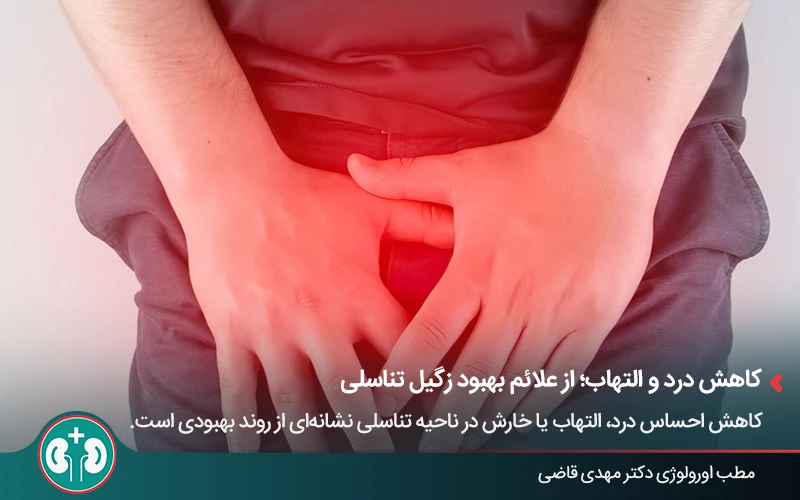
5. Reduction in Pain and Inflammation
After treatment begins, the patient may feel pain, inflammation, or itching in the area for a while. A decrease in these symptoms is a sign of healing. With cryotherapy, inflammation often settles within 1 to 3 weeks. With podophyllin, these symptoms improve sooner, within a few days.
With imiquimod, side effects such as pain or itching may occur during the first few days but usually lessen within 2 to 4 days. With laser treatment and surgery, inflammation usually resolves within 2 to 4 weeks.
Differences in genital warts Healing Between Women and Men
The locations where genital warts appear are not the same in women and men, and this affects treatment method and healing speed. In women, warts are more often seen on the vulva, vagina, around the anus, or on the cervix. In men, the penis, anus, and scrotum are most often affected.
Because some of these areas, especially in women, are not directly visible, diagnosis and follow-up of healing can be more difficult. In such cases, periodic examinations or tests such as a Pap smear may be needed.
In general, changes such as lesion shrinkage, color change, or smoothing of the skin surface are signs of healing in both sexes, but the speed and degree of response to treatment vary depending on wart location, treatment method, and immune status. A urologist or gynecologist is the best reference for accurately assessing this process.
Does Treating genital warts Mean the Virus Is Completely Gone?
Available treatments can remove the skin lesions caused by human papillomavirus (HPV), but they do not mean the virus has been completely eradicated. For this reason, even after warts clear, there is still a chance that lesions may return or that the virus may be transmitted to others. Medical and hygiene-related care after treatment plays an important role in controlling the condition and reducing the risk of recurrence.
Seeing a Doctor and Having Preventive Tests
After genital warts treatment, regular follow-up with a doctor is necessary to monitor healing. In women, a Pap smear is recommended especially if the cervix is involved. In this situation, the doctor may suggest repeating the test every six months until they are confident the condition has improved.
Testing for other sexually transmitted infections is also very important. These evaluations help identify possible complications or recurrence early.
Personal Hygiene After Treatment
Clearing the skin lesions does not mean the story is over. Personal hygiene after genital warts treatment is important for preventing recurrence and reducing transmission to a sexual partner.
Keeping the genital area clean and dry, avoiding shared use of items such as towels or underwear, and following daily care measures are basic principles that should be taken seriously. These simple steps, together with medical treatment, can play an important role in controlling the condition.
Practical Tips to Help Prevent Wart Recurrence
After treatment, genital warts can still return. Following a few simple, practical points can significantly reduce the risk of recurrence and help protect both the patient and their sexual partner.
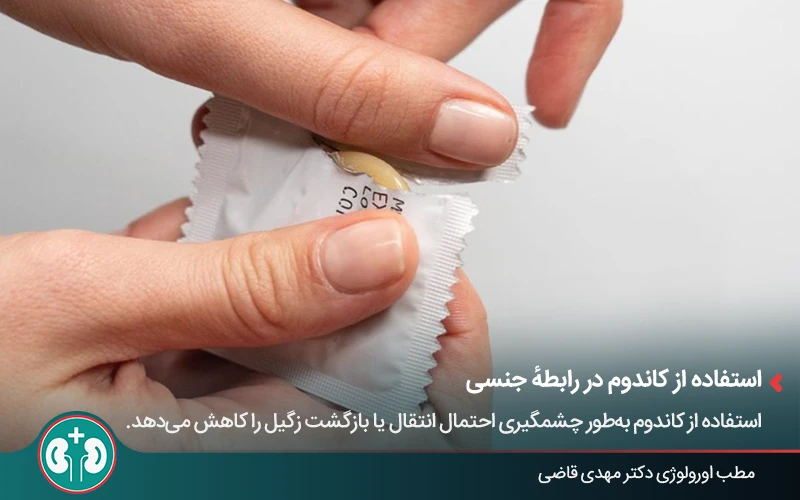
Use condoms during sex: The main route of HPV transmission is unprotected sexual contact. Using condoms for vaginal and anal sex and a dental dam for oral sex can greatly reduce the chance of transmission or wart recurrence.
Avoid smoking: A study in the journal EJGO showed that smoking increases the risk of HPV infection and precancerous lesions. In fact, smokers are almost twice as likely as nonsmokers to experience recurrence of genital warts. Therefore, quitting smoking is one of the most important steps that can help improve immune function and prevent lesions from returning.
HPV vaccination: HPV vaccination (such as Gardasil or Papilloguard) is one reliable way to help prevent infection with vaccine-covered HPV types and may reduce the risk of genital warts recurrence. The vaccine prepares the body against the virus by stimulating the immune system. The best time for vaccination is before sexual activity begins, but it can still be beneficial at older ages.
Warning Signs That genital warts Have Returned
Despite treatment, human papillomavirus (HPV) can remain in the body and cause skin lesions again. Recognizing signs of recurrence early helps a person see a doctor sooner and receive appropriate treatment. The most important signs that genital warts have returned include:
Seeing small or large skin growths that are white, pink, or skin-colored around the anal or genital area
Pain in the areas around the anus and penis
Bleeding during sexual contact
If any of these warning signs appear, prompt medical evaluation is necessary to prevent the lesions from spreading or the disease from being transmitted again.
Summary
genital warts are among the most common sexually transmitted infections worldwide. Different methods such as medication, cryotherapy, laser treatment, or surgery are used to treat them. Healing time can range from a few days to a few weeks depending on the treatment method, the number of lesions, and the condition of the immune system.
The main signs that these skin lesions are improving include shrinkage or reduction in the number of warts, gradual color change, smoothing of the skin surface, drying and separation of the lesions, and reduced pain and inflammation. Seeing these changes shows that treatment is taking effect, but it does not mean HPV has been completely eliminated.
For this reason, even after warts have cleared, lesions may return. Following medical advice after treatment, including HPV vaccination, immune system support, and avoiding smoking, plays an important role in lowering the risk of recurrence. Understanding these points helps patients follow treatment with less worry and a clearer view of the process.
Frequently Asked Questions
Actions & related links
Doctors for this topic in Mashhad
See all doctors: Best Male Genital Warts Doctors in Mashhad




About the author

Urologic Surgeon
دکتر مهدی قاضی, Urologic Surgeon in Mashhad. Articles on this site are written and reviewed under the supervision of the Urology Building's physicians.
View profile & bookRelated articles
All articlesWhat Is Polycystic Kidney Disease? (Fetal and Adult PKD)
دکتر مهدی قاضی · June 26, 2026
What Is a Renal Cortical Cyst? Symptoms, Diagnosis, and Treatment
دکتر مهدی قاضی · June 26, 2026
Kidney Transplant: Cost, Blood Type Compatibility, and Surgical Method
دکتر مهدی قاضی · June 26, 2026
What Is Pyelonephritis? Kidney Infection Symptoms, Diagnosis, and Treatment
دکتر مهدی قاضی · June 26, 2026
Comments
8 comments