 Tap to zoom
Sexually Transmitted Diseases: Symptoms, Treatment, and Prevention
- نویسنده
- دکتر مهدی قاضی
- Published on
- June 26, 2026
- Reading time
- 5 min read
- Last updated
- Updated: July 20, 2026
Sexually transmitted diseases, or STDs, are infections that pass from one person to another through sexual contact. People can transmit an STD to a sexual partner during unprotected vaginal, anal, or oral sex, or through skin-to-skin contact.
Sexually transmitted diseases may also be known by other terms, such as sexually transmitted infections (STIs). This does not mean that STDs are transmitted only through sex. An STI can also be transmitted through breastfeeding or by sharing needles.
Symptoms of STDs in men
It is possible to have an STD even without symptoms. However, some STDs have specific signs and symptoms. Symptoms of STDs in men include:


Pain or discomfort during urination or sexual intercourse
A rash, bumps, or sores on the penis, anus, testicles, mouth, thighs, or buttocks
Unusual bleeding or discharge from the penis
Swollen or painful testicles
These symptoms may vary from person to person.
Symptoms of STDs in women
In many cases, STDs in women do not cause specific symptoms. Symptoms of STDs in women include:
Pain or discomfort during urination or sexual intercourse
A rash, bumps, or sores in the vagina, mouth, thighs, buttocks, or anus
Unusual bleeding or discharge from the vagina
Itching in or around the vagina
Types of diseases transmitted through sexual contact
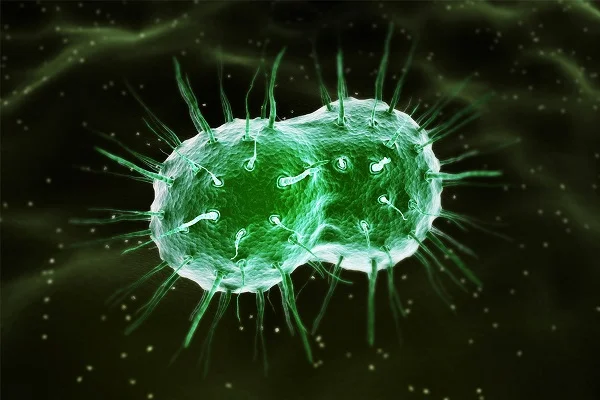
Different types of infections can be transmitted through sexual contact. The most important include:
genital warts
Chlamydia
Syphilis
AIDS or HIV
Gonorrhea
Pubic lice
Genital herpes (herpes simplex)
Trichomoniasis
1. AIDS or HIV
Most people are familiar with AIDS as a sexually transmitted disease and know its risks. This virus is transmitted from an infected person to an uninfected person through body fluids such as vaginal secretions, rectal mucus, semen, and blood. It can also be transmitted through contaminated needles.
When viruses attack different tissues in the body, the immune system protects the body and destroys them. Why is this virus dangerous? Because HIV attacks the immune system itself.
The immune system is made up of cells that protect the body from different infections. For this reason, when HIV enters the body, it gradually weakens the body's defenses, making the patient vulnerable to many infections and diseases, including some that would not normally cause illness.
HIV is present in the secretions of an infected person and can pass directly into the sexual partner's body. Over time, as immune defenses decline, the body becomes more susceptible to many diseases and infections.
This disease usually has no signs or complications for some time, and the person may not know that the virus is present in the body. After a latent phase, HIV infection (AIDS) enters a more apparent phase and symptoms gradually develop. In people with a weak immune system, other illnesses such as infections, cancers, or tumors may occur.
2. Chlamydia
Chlamydia is one of the most common bacterial infections, and if an infected person ignores it, serious problems may develop.
This disease may not cause specific signs or symptoms in the body. Chlamydia is an intracellular pathogen that behaves in some ways like bacteria and viruses in the body and affects the immune system. Chlamydia can involve the urinary tract, large intestine, and eyes.
In women, this disease usually causes cervical infection. In severe cases, chlamydia can also involve the liver, throat, and lungs. Other possible consequences include pelvic inflammatory disease (PID) and infertility. Timely detection of chlamydia is an important part of treatment, because delayed diagnosis or neglect can have dangerous consequences for the patient.
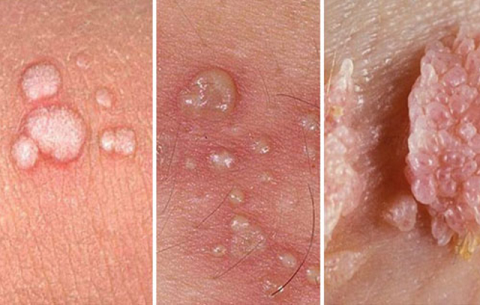
3. genital warts
HPV, or genital warts, may be visible or hidden. genital warts usually form inside the anus or vagina and on the penis. In some forms of this disease, genital warts are not visible. genital warts are usually painless, so the patient may not notice them. However, they can sometimes cause burning and itching, which makes the patient aware of the condition. For more information about this disease, see the article genital warts treatment.
4. Genital herpes
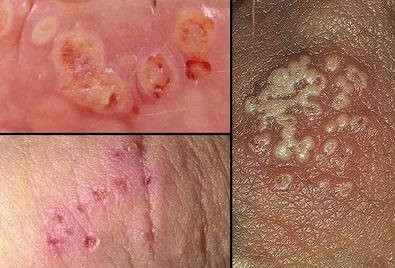
Genital herpes is caused by the herpes virus. At first, these lesions may appear as small blisters or shallow sores. Gradually, the blisters may become deeper and turn into ulcers.
Herpes blisters are contagious through the fluid inside them until they dry, crust over, and their appearance darkens. This means that skin contact between a healthy person and the fluid from the blisters can lead to infection. It is recommended to avoid any direct skin-to-skin contact until the blisters have dried completely, and even for one week after that.
Herpes lesions are usually very painful and may last up to 2 weeks. Specific care is needed if you have genital herpes. For more information about this disease, see the article genital herpes treatment.
5. Gonorrhea
Gonorrhea is another sexually transmitted infectious disease, and it is less common in women than in men. One cause of gonorrhea is the bacterium Neisseria gonorrhoeae. Bacteria are usually transmitted from one person to another through sexual contact (vaginal, anal, or oral). This disease may have no symptoms, but symptoms usually appear 1 to 14 days after infection.
If gonorrhea is not treated on time, it can cause complications such as infertility, increased risk of HIV infection, and spread of infection to other parts of the body.
One of the surest ways to prevent gonorrhea is to avoid sexual contact. If you do have sexual contact, a condom should be used for every type of vaginal, anal, and oral contact.
6. Syphilis
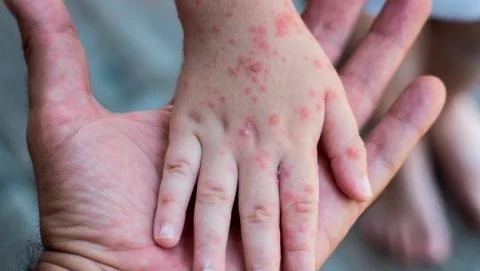
This disease is also spread through sexual contact. Syphilis is a bacterial infection transmitted through sex and, in its early stages, usually appears as a painless sore in the genital area.
This disease can also be transmitted from a pregnant mother to her baby. Syphilis has several stages; the first and second stages are the most infectious.
7. Pubic lice
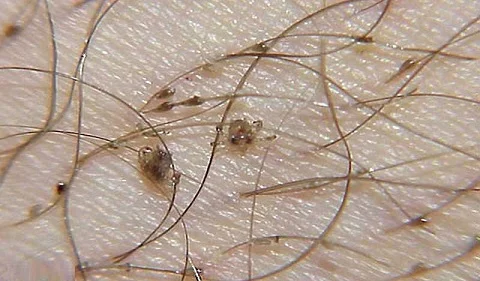
Pubic lice usually gather in the hair of the genital area, upper thighs, or armpits and feed on the patient's blood. At first, their eggs are about 1 millimeter long. These lice attach to hair shafts, and skin-to-skin contact can transmit pubic lice.
This condition is easily transmitted through sexual contact. Severe itching is one of its important symptoms. Although pubic lice are very bothersome, they usually do not cause a serious health problem and can be eliminated with medication.
Having this condition does not mean a person is dirty; anyone can become infected through close contact with an affected person.
8. Trichomoniasis
This infection may cause yellow-green discharge in women, often with a strong odor. Men may also have discharge similar to that seen in women, or they may have no symptoms.
Transmission of STDs through oral sex
Sexually transmitted diseases are not transmitted only through anal or vaginal sex; they may also be transmitted through oral sex. This means an STD can pass from one person's genital area to another person's mouth or throat, or the reverse.
Oral STDs usually have no symptoms, although they may cause a sore throat or sores around the mouth or throat.
STDs that are treatable
Many STDs are treatable. For example, the conditions listed below can improve with antibiotics and other treatments:
Syphilis
Chlamydia
Lice
Gonorrhea
Trichomoniasis
Other sexually transmitted diseases cannot be cured. The following conditions currently have no definitive cure:
Human papillomavirus (HPV)
Human immunodeficiency virus (HIV)
Herpes
Diagnosis of sexually transmitted diseases or infections
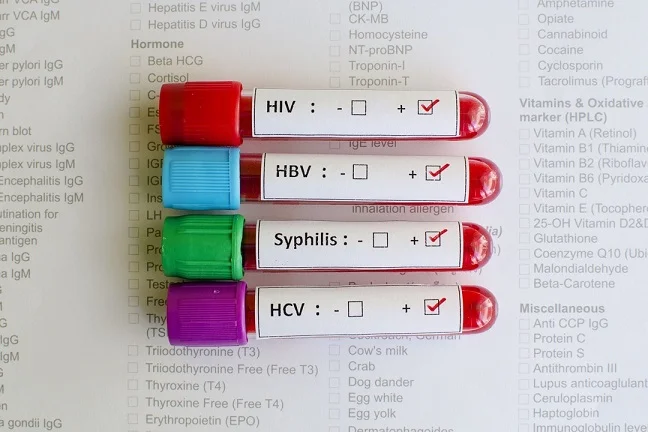
In most cases, doctors cannot diagnose an STD based only on symptoms. More tests, such as blood and urine tests, are needed. Home test kits are also available for diagnosing these infections, but they are not always reliable. Therefore, they should be used cautiously, and before use you should make sure they are approved by the relevant food and drug authority.
It is also useful to know that a Pap smear is not a test for diagnosing STDs. Instead, its result can check for precancerous cells on the cervix. Therefore, a negative Pap smear does not mean you do not have a sexually transmitted disease.
Treatment of sexually transmitted diseases
Depending on the type of STD, each disease has its own specific treatment. Keep in mind that until treatment is complete, you should completely avoid sexual intercourse, even if both partners are infected. Otherwise, transmission of the infection is very common.
Bacterial STDs
Bacterial infections can usually be treated with antibiotics. However, use only the antibiotic prescribed by your doctor and continue taking it until the end, so symptoms resolve and the disease does not recur.
Viral diseases
Viral STDs do not go away with antibiotics. There is no definitive cure for many viral infections, and some of these conditions may resolve on their own. In many cases, treatment options only reduce symptoms and the risk of transmission. Antiviral medicines can also reduce the risk of transmitting HIV to another person.
STDs and pregnancy
Pregnant women can develop STDs during pregnancy or at delivery and transmit them to the fetus or newborn. In newborns, STDs can cause complications. In some cases, these complications can be life-threatening. To help prevent STDs in newborns, doctors usually prescribe clinical screening tests for pregnant women.
If these tests are positive, the doctor may prescribe antiviral medicines, antibiotics, and other treatments during pregnancy. Sometimes pregnant mothers with STDs need to give birth by cesarean section, for example in severe skin diseases such as herpes or genital warts, because transmission to the baby can occur while passing through the birth canal.
Living with STDs
If a patient's test results are positive and the person has an STD, the first step is timely treatment. Having one type of STD can also increase the chance of acquiring other infections. Leaving some diseases untreated can have severe and serious consequences. In some cases, they can even be fatal.
Fortunately, most STDs are treatable and can be cured completely. Timely treatment can greatly help reduce complications, relieve symptoms, and protect the sexual partner.
In addition to prescribing appropriate medicines for a patient with an STD, the doctor will give advice about sexual habits to help the patient protect themselves and others. For example, until the patient has fully recovered, it is recommended to avoid sexual contact. When sexual activity is resumed, the patient will probably be advised to use condoms or other protective methods.

Prevention of STDs
To prevent STDs, safer practices should be used during vaginal, oral, and anal sex. One of the effective protections against STDs is condom use. Using condoms for vaginal, anal, and oral sex is very important.
Condom use not only helps prevent the spread of STDs, but also helps prevent unintended pregnancy.
Condoms are useful for preventing transmission of these infections through semen and blood. However, if a condom does not cover the infected person's affected skin, transmission can still occur through skin-to-skin contact.

Final word
Based on a doctor's diagnosis, people may also use the HPV vaccine and hepatitis B vaccine to help prevent these diseases. By following these recommendations, you can reduce the chance of acquiring STDs and transmitting them to others.
Following the treatment plan and preventive measures recommended by your treating doctor can also greatly improve your long-term outlook with STDs.
Frequently Asked Questions
1. What factors cause sexually transmitted infections to spread?
Depending on the type, sexually transmitted infections can be transmitted to a sexual partner through sexual contact involving the genitals, anus, mouth, or skin. In some cases, they may also be transmitted through an injection with a contaminated syringe or contaminated injectable product, or from mother to fetus.
2. What symptoms do sexually transmitted diseases cause?
Symptoms of sexually transmitted diseases may include genital discharge, skin lesions such as warts and herpes, genital sores, inflammation of the vagina and cervix, and burning in the genital tract. However, in some cases these diseases may have no symptoms.
3. Which diseases can occur through sexual intercourse?
Diseases that can occur through sexual intercourse include gonorrhea, chlamydia, genital herpes, syphilis, AIDS and hepatitis B, and genital warts.
4. When should we see a doctor for treatment of sexually transmitted infections?
It is best to see the appropriate doctor as soon as possible if you notice any unusual sign or symptom in the genital area, especially after a suspected sexual encounter, and to avoid self-treatment.
Actions & related links
Doctors for this topic in Mashhad
See all doctors: Best Urologists in Mashhad



About the author

Urologic Surgeon
دکتر مهدی قاضی, Urologic Surgeon in Mashhad. Articles on this site are written and reviewed under the supervision of the Urology Building's physicians.
View profile & bookRelated articles
All articlesWhat Is Polycystic Kidney Disease? (Fetal and Adult PKD)
دکتر مهدی قاضی · June 26, 2026
What Is a Renal Cortical Cyst? Symptoms, Diagnosis, and Treatment
دکتر مهدی قاضی · June 26, 2026
Kidney Transplant: Cost, Blood Type Compatibility, and Surgical Method
دکتر مهدی قاضی · June 26, 2026
What Is Pyelonephritis? Kidney Infection Symptoms, Diagnosis, and Treatment
دکتر مهدی قاضی · June 26, 2026
Comments
0 comments
No comments yet. Be the first to share your thoughts.