 Tap to zoom
Sex After Vasectomy: Timing, Safety, and Recovery Tips
Most people can resume sex about 5 days to 1 week after vasectomy if pain and swelling have improved, but contraception is needed until semen testing confirms no sperm.
- نویسنده
- دکتر مهدی قاضی
- Published on
- June 26, 2026
- Reading time
- 5 min read
- Last updated
- Updated: September 4, 2026
One of the most common questions men considering vasectomy ask a urologist is about sex after vasectomy. They want to know how long recovery takes and when they can safely have intercourse again. They also want reassurance that vasectomy will not affect the quality of their sex life. Vasectomy, or cutting and closing the vas deferens, does not have a negative effect on couples' sexual satisfaction. In some men, sexual satisfaction may improve after the procedure, and women generally do not report lower sexual satisfaction after their partner has a vasectomy.
In this article, we discuss sex after vasectomy and answer the most common questions people ask about how vasectomy affects sexual function. If you want a clearer understanding of vasectomy and its effect on libido, this article will be useful.
What is vasectomy? A brief, practical explanation
Vasectomy is a surgical procedure used as a permanent form of contraception for men. According to scientific studies, this method is 99.95% effective at preventing pregnancy, making it one of the most effective contraceptive methods.
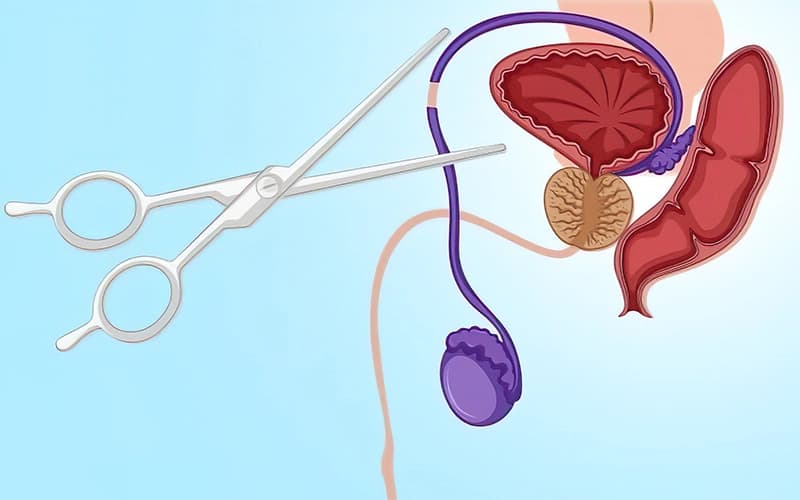
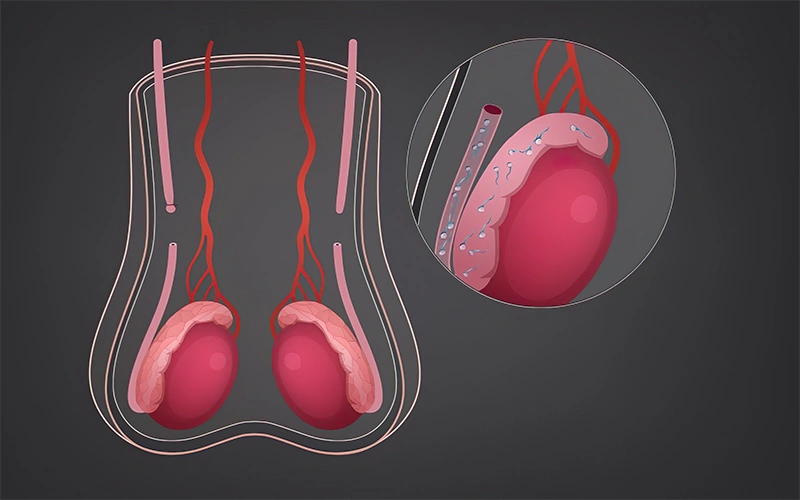
Vasectomy is also called cutting or closing the vas deferens. The vas deferens are the tubes that carry sperm from the testicles to the urethra. Sperm are produced in the testicles, then pass through the vas deferens toward the seminal vesicles and ejaculatory ducts and then into the urethra so they can leave the body during ejaculation.
During vasectomy, closing the vas deferens blocks the passage of sperm. This means sperm can no longer enter the semen. Semen is still produced and ejaculated during sexual activity as before, but it no longer contains sperm, so the man can no longer cause a pregnancy.
Keep in mind that this method should be considered only by men who have made a permanent decision not to have children and are confident they will not regret it. In general, urologists do not perform this surgery for unmarried men or men under age 30. In addition, under current local rules, this procedure requires approval from legal authorities.
How does a urologist perform a vasectomy?
First, the urologist injects local anesthetic into the front part of the scrotum so the patient does not feel pain during the procedure. In the modern no-scalpel vasectomy technique, the surgeon makes a small opening in the scrotal skin to reach the vas deferens.
Next, the vas deferens are brought out from both sides. The surgeon then cuts each tube, ties both ends, and finally returns the vas deferens to the scrotum. At this stage, the opening made in the scrotal skin is not sutured so fluid and blood from the procedure can drain out. A few days later, this small opening closes on its own. If you would like more complete information about this procedure, we recommend reading the article Vasectomy.
How long after vasectomy can I have sex?
A key question people ask about vasectomy and sex is the right timing for resuming sexual activity after the procedure. Many ask it this way: how many days after vasectomy can I have sex?
Doctors usually recommend avoiding sex for a few days, typically 5 days to 1 week, after vasectomy. After that, sexual activity can usually be resumed. This recommendation allows the wound, the scrotal skin opening, to heal, helps reduce pain, and lowers the risk of bleeding.
In the older vasectomy technique, the surgeon sutured the scrotal skin, and having sex before healing could increase the risk of the wound opening or becoming infected. For this reason, the patient had to wait until the wound healed completely. In modern vasectomy, it is still better to avoid sex until the small opening made in the scrotal skin has closed.
What are the risks of sex immediately after vasectomy?
Having sex immediately after vasectomy can lead to several complications. In this section, we review some of them:
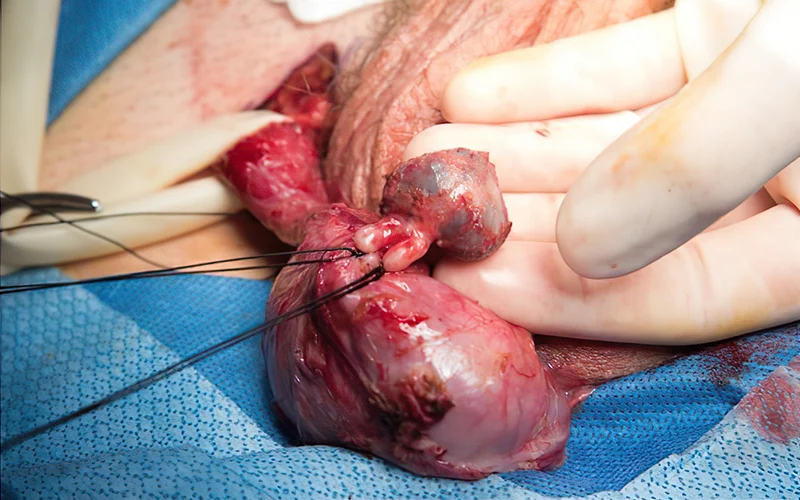
Wound opening, infection, and bleeding: Whether your vasectomy was performed with the older method or the newer method, sexual activity immediately after the procedure can cause bleeding. If sutures were placed in the scrotal skin, early sex may also cause the stitches to open. In addition, open wounds can allow bacteria to enter and cause infection.
Increased pain and swelling in the surgical area: If you have sex immediately after vasectomy, postoperative pain may increase, and the surgical area, including the scrotum, may swell. These problems can delay healing. Early sex may also lead to blood collecting in the scrotal tissues (hematoma), which can cause more pain and swelling.
Sperm granuloma formation: One rare complication that may follow sex immediately after vasectomy is formation of a sperm granuloma. After vasectomy, the testicles continue to produce sperm. Sometimes sperm leak from the cut end of the vas deferens into the surrounding tissue. The immune system reacts to the sperm, causing inflammatory cells to collect around the leaked sperm and eventually form a granuloma. A sperm granuloma is a small, soft lump of inflammatory tissue.
Because of the possible complications of sex after vasectomy, it is best to wait until the appropriate time, usually about 1 week after surgery. After that, you can resume sexual activity according to your doctor's instructions.
Short-term and long-term effects of vasectomy on sexual function
Now that we have discussed the timing of sex after vasectomy, it is time to discuss possible sexual effects of vasectomy. The effects of vasectomy on sexual function can be divided into short-term and long-term effects, which we review below:
Short-term effects of vasectomy on sexual function
Temporary pain and discomfort for a few days to 1 week after the procedure are usually felt in the testicles and around the incision site. During these days, a person may have less sexual desire because of temporary discomfort. After about 1 week, symptoms usually improve and sexual activity can be resumed.
Keep in mind that, in the short term, vasectomy does not affect erections or libido. An article in the journal Andrologia showed that semen volume decreases slightly after vasectomy, by about 0.14 mL.
Long-term effects of vasectomy on sexual function
In the long term, vasectomy itself does not affect sexual function. Some men say their libido decreased after vasectomy. Studies suggest that when someone has low acceptance of vasectomy or feels pressured into the procedure by a spouse or sexual partner, psychological distress can occur, which may reduce libido.
Vasectomy does not affect libido or sex hormones such as testosterone. These hormones continue to be produced in the testicles after vasectomy. The only change after vasectomy is that sperm no longer enter the semen and the man loses fertility.
Does intercourse after vasectomy hurt?
A common question about sex after vasectomy is whether intercourse is painful afterward. There may be mild discomfort during the first few ejaculations after vasectomy, but this is temporary and usually resolves over time.
Does vasectomy affect sexual ability, libido, or erections?
Overall, vasectomy does not affect libido or erections. Libido depends on a person's sex hormones, and hormones such as testosterone continue to be secreted normally after vasectomy. Vasectomy also does not affect erections, because it does not interfere with the nerves or blood vessels responsible for erections.
Vasectomy only prevents sperm from entering the semen, and the erection mechanism works independently of the sperm transport pathway. Vasectomy also does not affect pleasure during sex or orgasm because the nerves responsible for these sensations are not affected by the procedure.
Why can vasectomy help increase sexual satisfaction in men?
Vasectomy does not change male sexual physiology and does not directly increase sexual pleasure. However, it can relieve men and women of concern about pregnancy and reduce the need for contraceptive methods such as condoms or birth-control pills. After vasectomy, couples may experience more satisfying sex because they can focus on pleasure with less anxiety about pregnancy.

Does vasectomy prevent sexually transmitted infections?
No. Vasectomy is only a permanent method of male contraception. By cutting and closing the vas deferens, it prevents sperm from reaching the semen. This contraceptive method provides no protection against viruses, bacteria, or parasites that cause sexually transmitted infections. The effective way to reduce transmission of sexually transmitted infections is to use protective methods such as condoms every time you have sex.
Men who have had a vasectomy are still at risk for sexually transmitted infections and should use condoms to protect themselves and their sexual partners.
Can sex after vasectomy still lead to pregnancy? What is semen analysis after vasectomy?
Yes, pregnancy is still possible after vasectomy, because sperm may remain in the reproductive tract above the site where the vas deferens were cut. To reduce the risk of pregnancy to the lowest possible level, multiple ejaculations are needed to clear the remaining sperm.
Doctors recommend using contraception carefully for up to 4 months after vasectomy, or until after 15 to 20 ejaculations. To make sure there are no sperm in the semen, a semen analysis should be done at the time your doctor recommends.
For this test, a semen sample is collected by masturbation in a special container and examined. If the test result shows no sperm, this indicates that the vasectomy has been successful and the risk of pregnancy is extremely low.
Care and recommendations after vasectomy
In this section, we review several care recommendations after vasectomy. Following these points can help prevent short-term and long-term complications and support faster recovery:
About 15 minutes after vasectomy, you can go home. It is best to have an adult accompany you home.
It is best not to drive for 24 hours after the procedure and to rest.
After vasectomy, we recommend wearing snug supportive underwear, because it can help reduce bruising and bleeding.
One or two days after the procedure, you can usually do your daily activities yourself, but for 5 days you should avoid strenuous activity and heavy lifting.
If you exercise, it is better to resume sports activity 2 weeks after the procedure.
To resume sex, it is best to wait 5 days to 1 week.
After vasectomy, there is a small opening in the scrotal skin that is not sutured. You should change the dressing regularly for a few days until the wound closes completely.
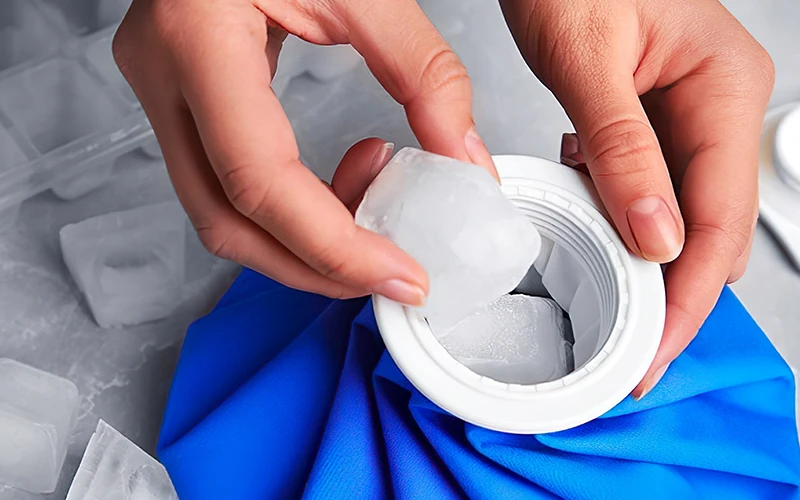
To reduce swelling and pain, use a cold compress on the scrotal area. Wrap an ice pack in a thin towel and place it on the vasectomy area for 15 minutes, several times a day. On the day of the procedure, apply the ice pack to the scrotum about once every hour.
Summary
In this article, we discussed the effects of vasectomy on men's sexual function and the possible sexual side effects of vasectomy. Based on reliable scientific research, we concluded that in most cases vasectomy does not affect men's libido or erections. The main difference after vasectomy is that sperm no longer enter the semen, so fertility is lost.
If you are planning to have a vasectomy, you should discuss the decision with your family and obtain your spouse's consent, then see an experienced, up-to-date urologist so you can have a satisfactory and effective procedure.
Frequently Asked Questions
In this section, we answer several common questions about vasectomy and sex:
Actions & related links
Doctors for this topic in Mashhad
See all doctors: Best Male Infertility Doctors in Mashhad




About the author

Urologic Surgeon
دکتر مهدی قاضی, Urologic Surgeon in Mashhad. Articles on this site are written and reviewed under the supervision of the Urology Building's physicians.
View profile & bookRelated articles
All articlesWhat Is Polycystic Kidney Disease? (Fetal and Adult PKD)
دکتر مهدی قاضی · June 26, 2026
What Is a Renal Cortical Cyst? Symptoms, Diagnosis, and Treatment
دکتر مهدی قاضی · June 26, 2026
Kidney Transplant: Cost, Blood Type Compatibility, and Surgical Method
دکتر مهدی قاضی · June 26, 2026
What Is Pyelonephritis? Kidney Infection Symptoms, Diagnosis, and Treatment
دکتر مهدی قاضی · June 26, 2026
Comments
0 comments
No comments yet. Be the first to share your thoughts.