
 Tap to zoom
Psychological Impact of genital warts on Mental Health
genital warts and HPV can affect emotional well-being, sexual confidence, relationships, and quality of life. Learn common psychological effects and ways to manage anxiety, stress, and stigma.
- نویسنده
- دکتر مهدی قاضی
- Published on
- June 26, 2026
- Reading time
- 5 min read
- Last updated
- Updated: September 4, 2026
A study conducted in China examined the dimensions of the psychological impact of genital warts. After several analyses, the researchers concluded that this condition affects patients' mental well-being across six areas: "worries and stress," "emotional impact," "sexual concerns," "self-image," "partner and transmission," and "interaction with physicians." The study, published in BMC Public Health, also reported that 85.3% of men with genital warts experienced a moderate psychological impact, and 88.5% of women with HPV experienced a moderate to high psychological impact.
In this article, we review the psychological impact of genital warts in a scientific and practical way, explain its mental health effects, and offer strategies for managing anxiety related to genital warts and improving quality of life. If you are dealing with this condition or are worried about how it may affect your mood and relationships, continue reading.
What Is HPV and What Symptoms Can It Cause? HPV Signs and Symptoms
One common question discussed often on social media is: What is HPV? According to the World Health Organization, human papillomavirus (HPV) is a small, non-enveloped DNA virus that infects cells of the skin or mucous membranes. In simpler terms, this infection is caused by a DNA virus from the papillomavirus family.


This common viral infection affects a significant proportion of women and men. It can cause abnormal growth of the skin or mucous membranes and may lead to warts. HPV is the most common sexually transmitted infection (STI) worldwide, and genital warts caused by HPV are considered a sexually transmitted infection or disease.
Signs and Possible Complications of HPV Infection
HPV may cause signs such as genital warts, which can appear as small, flesh-colored, or cauliflower-like growths on the male or female genital area, the groin, or around the anus. HPV has many types. Some types cause common skin warts on the hands, feet, or face. Some HPV types are low-risk, while others are high-risk.
The difference between low-risk and high-risk types is that high-risk types can be associated with cancers of the cervix, anus, penis, throat, and mouth.
The important point is that the complications and risks of genital warts and HPV are not limited to physical symptoms; they can also affect mental health. Stress related to skin conditions and depression associated with genital warts are among the psychological concerns linked with this condition. In the rest of this article, we list the psychological effects of genital warts and then discuss each one.
Psychological Impact of genital warts on Quality of Life
Different sources have discussed the psychological impact of genital warts, but to better examine the mental health challenges related to genital warts, we referred to an article in BMC Public Health so that the information can be presented on the basis of credible scientific research. According to that study, the psychological effects of genital warts can be considered from six perspectives. Below, we review these six dimensions and explain each one:
1. Stress Related to Skin Conditions: One of the Most Important Psychological Consequences of genital warts
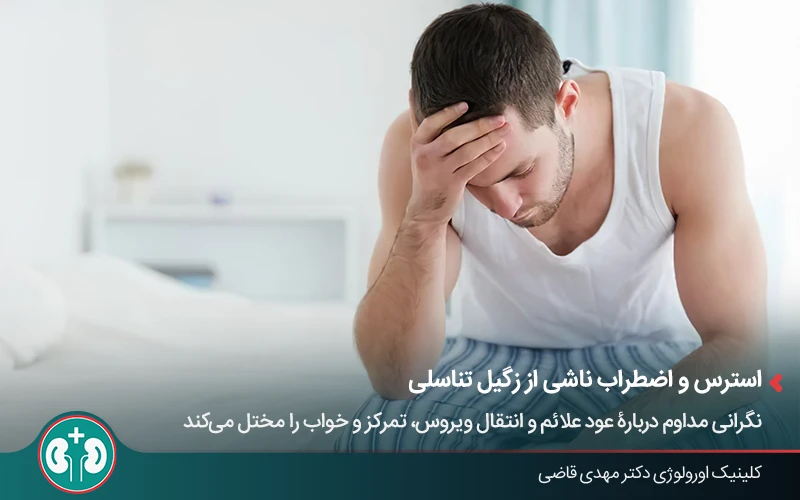
Stress and worry are among the most important psychological consequences of genital warts. When someone develops this condition, they may constantly worry that the infection could affect other areas or worsen. They may become highly focused on their body and want to regain their health as soon as possible. Some people become so tense and anxious that they may have trouble sleeping or concentrating.
Some people remain worried about recurrence even after seeing a specialist for genital warts treatment and symptom reduction. In addition, because some types of human papillomavirus can be linked with cervical cancer, the possibility of serious disease can increase their anxiety. Overall, worry and stress about future health and well-being are common concerns for people affected by warts.
According to a study published in BMJ Open, more than 85% of women with HPV-related diseases, including genital warts, experienced a moderate or severe psychological impact.
2. Depression Associated With genital warts: Understanding the Link Between genital warts and Depression
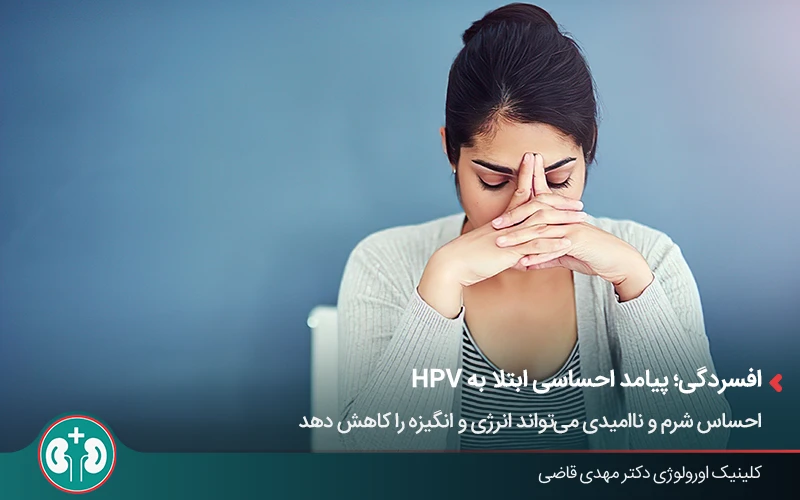
Emotional impact is one of the most important consequences to consider with genital warts. It refers to the negative and distressing feelings a person may experience because of genital warts. These feelings may include anxiety, depression, anger, hopelessness, shame and guilt, such as embarrassment about having a sexually transmitted infection, and fear, including fear of being judged, rejected, or affected by complications of the condition.
A question you may also have is: What is the link between genital warts and depression? How can this condition contribute to depression? When a person faces anxiety and worry about their health, they may lose self-esteem, struggle to have a satisfying romantic relationship, and eventually these emotional pressures may contribute to depression and psychological distress.
3. Sexual Impact: How genital warts Can Affect Sexual Relationships
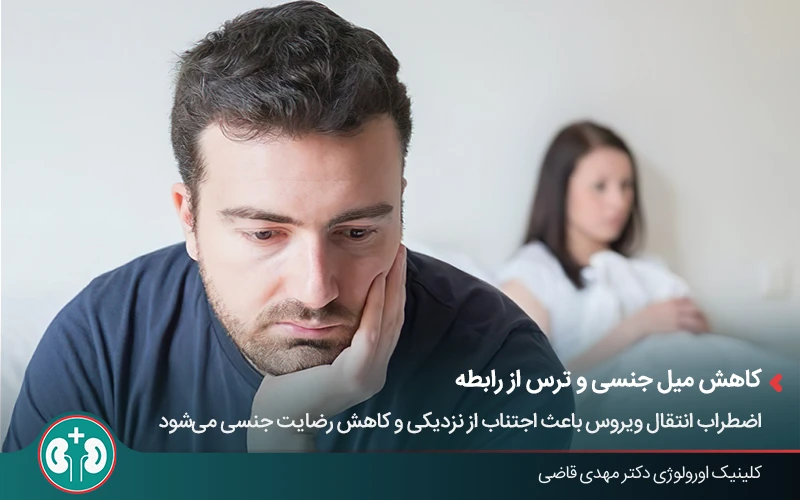
Sexual impact refers to problems related to sexual relationships, reduced sexual desire, fear of transmitting the infection to a sexual partner, and anxiety during sex. Some people with genital warts may avoid sex because they fear transmitting the virus or feel uncomfortable. A person with genital warts may also experience reduced sexual desire because of shame about the condition and concern about passing HPV to a partner.
4. genital warts and Emotional Relationships: The Link Between genital warts and Reduced Quality of Life
When discussing the psychological impact of genital warts, it is not possible to ignore the role it can play in emotional and social relationships. This condition may even affect a patient's relationships with friends and family. Many people with genital warts feel shame and guilt, fear social stigma, and may choose isolation and distance from friends and family as a way to cope with that stigma.
Patients with genital warts may fear judgment and rejection from others, which can make them avoid talking with friends and loved ones. At times, genital warts can create tension and conflict in family relationships and may destabilize or seriously damage a person's emotional relationship with a partner.
5. Self-Image and Self-Confidence: Another Area Affected by genital warts
One psychological consequence of genital warts is its effect on a person's self-image and self-confidence. genital warts can change the appearance of the genital area and create an unpleasant feeling, which may become a source of reduced self-confidence. Fear of rejection can also play a role. Because genital warts are a sexually transmitted infection, feelings such as shame, anxiety, or guilt can harm a person's view of themselves.
6. Interaction With Doctors and Counselors: A Concern for Patients With genital warts
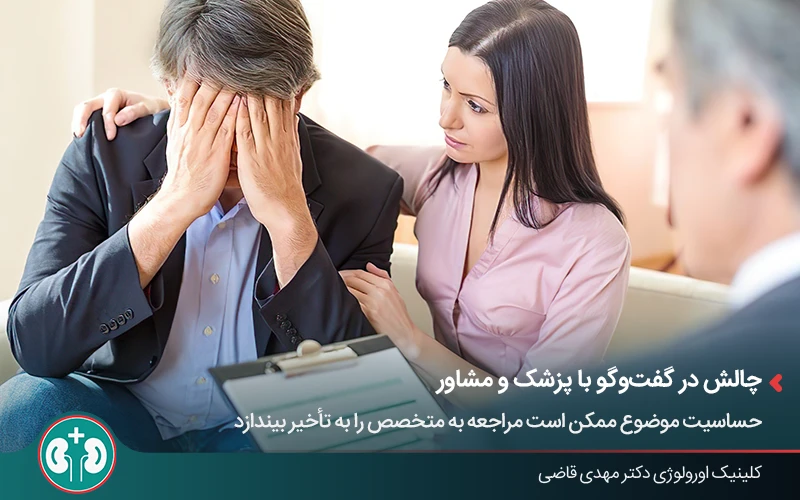
Interacting with specialist doctors for examination and treatment of genital warts can feel difficult and embarrassing for patients. Because genital warts are sexual in nature, many people feel ashamed or embarrassed to discuss them with a doctor or counselor. Some people are also worried about being judged when they seek help from a doctor or mental health professional for treatment or for coping with the psychological effects of genital warts.
Another challenge for patients is the inaccurate and contradictory information they may have received from non-specialist or unreliable sources. This information can sometimes cause confusion and hesitation about seeking medical care.
Ways to Cope With Anxiety and Stress Caused by genital warts
Now that we have reviewed the psychological impact of genital warts, it is time to discuss effective ways to reduce anxiety related to genital warts. Below are several strategies, with a brief explanation of each:
1. Treatment and Medical Follow-Up: How Treating genital warts May Improve Mental Well-Being
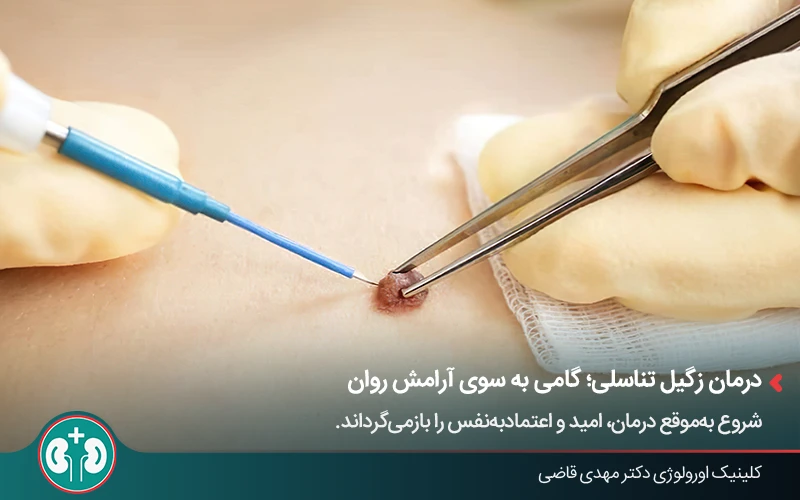
Perhaps the first step in dealing with the psychological impact of genital warts is to see a urologist, gynecologist, or other qualified clinician. A specialist can assess the condition and choose the most appropriate approach for treating genital warts. When symptoms decrease or disappear, hope for recovery and self-confidence may increase, while worry and anxiety may decrease.
2. Social and Family Support: A Key Pathway for Coping With Genital-Wart Stress
The role of social support in improving patients' emotional difficulties cannot be denied. This support can help reduce stress and anxiety and may help prevent depression. One of the first effects of support from family and those around the patient is that it gives the person a sense of safety, understanding, and acceptance; it can reduce shame, loneliness, and embarrassment and help rebuild self-confidence.
When the patient's community and family are informed, they can respond with empathy, understand the patient's feelings, and stay beside them without judgment.
3. Learning, Getting Accurate Information, and Understanding the Different Aspects of genital warts
Until patients know exactly what their condition is and what methods exist to prevent spread and treat it, they cannot cope with it properly. Unfortunately, some media outlets and websites provide users with incorrect information, causing unnecessary fear or false reassurance. It is better for patients to get the information they need about their condition from specialized sources such as Dr. Mahdi Ghazi's clinic website.
One common concern among people with genital warts is the possibility of transmitting the infection to a sexual partner. Seeing a urology specialist and receiving the necessary education can help the patient and their partner learn prevention methods and live together with greater peace of mind.
4. Self-Care and Stress-Management Practices
For many people, genital warts are accompanied by stress and anxiety and may contribute to depressive symptoms. Chronic stress can weaken immune function and make it harder for the body to respond to HPV. This is where stress management and self-care, along with supporting the immune system, become especially important.
Eating healthy, nutritious foods, avoiding fatty, sugary, or processed foods, exercising regularly every day, at least 30 minutes daily, getting enough sleep, and staying connected with loved ones and friends are important steps for supporting mental and physical health. Enjoyable activities such as reading, listening to music, painting, or gardening can also improve mood and reduce stress.
To feel calmer and reduce anxiety related to genital warts, you can try techniques such as meditation, yoga, deep breathing, and massage. These practices may also play a helpful role in reducing stress and supporting immune health.
5. Counseling and Psychotherapy: An Effective Way to Cope With the Psychological Effects of genital warts
Counseling and psychotherapy are among the most effective ways to cope with the psychological impact of genital warts. You may wonder when you should see a psychologist. If you continuously experience intense negative feelings such as shame, guilt, or anxiety, if you have thoughts of suicide, or if you are having problems in emotional or work relationships, it is time to seek professional mental health care and receive specialized therapeutic guidance and techniques.
Psychologists support patients emotionally, teach coping skills, help improve relationships, and work on managing anxiety and depression. In this way, they help patients acknowledge and cope with the psychological impact of genital warts.
Summary
In this article, we reviewed the different dimensions of the psychological impact of genital warts and offered strategies for reducing mental worries and improving the mental health of affected people. We hope the points in this article help you cope with your situation and reduce the psychological pressure caused by this condition.
If you are also dealing with this condition and would like to learn more practical ways to cope with it, consider psychological counseling so you can face the psychological difficulties of this condition with greater resilience. Education, awareness, and specialized counseling can play an important role in strengthening a person's resilience and emotional well-being against the psychological impact of genital warts.
Frequently Asked Questions
Actions & related links
Doctors for this topic in Mashhad
See all doctors: Best Urologists in Mashhad



About the author

Urologic Surgeon
دکتر مهدی قاضی, Urologic Surgeon in Mashhad. Articles on this site are written and reviewed under the supervision of the Urology Building's physicians.
View profile & bookRelated articles
All articlesWhat Is Polycystic Kidney Disease? (Fetal and Adult PKD)
دکتر مهدی قاضی · June 26, 2026
What Is a Renal Cortical Cyst? Symptoms, Diagnosis, and Treatment
دکتر مهدی قاضی · June 26, 2026
Kidney Transplant: Cost, Blood Type Compatibility, and Surgical Method
دکتر مهدی قاضی · June 26, 2026
What Is Pyelonephritis? Kidney Infection Symptoms, Diagnosis, and Treatment
دکتر مهدی قاضی · June 26, 2026
Comments
0 comments
No comments yet. Be the first to share your thoughts.