 Tap to zoom
Prostatitis: Symptoms, Diagnosis, and Treatment of Prostate Inflammation
- نویسنده
- دکتر مهدی قاضی
- Published on
- June 26, 2026
- Reading time
- 5 min read
- Last updated
- Updated: June 27, 2026
Prostatitis is one of the most common prostate-related diseases in men and has a significant impact on public health and quality of life.
The prevalence of this disease varies depending on its type.
In general, prostatitis in men under the age of 50 is the most common urological problem and is ranked third in men over 50 years after benign prostatic hyperplasia and prostate cancer.
The prevalence of prostatitis in the public population is estimated at about 5 to 10 percent. However, some studies suggest that this figure may reach up to 16%.
CHRONIC PROSTATITIS OR CHRONIC PELVIC PAIN SYNDROME (CP/CPPS) IS THE MOST COMMON TYPE OF prostatitis AND CONTAINS ABOUT 90 TO 95 PERCENT OF CASES.
The acute bacterial prostatitis is relatively rare and accounts for about 5 to 10 percent of the cases, while chronic bacterial prostatitis is less visible.
Several factors can affect prostate outbreaks, including age, geographical location, and disease detection methods.
Men in the age group are 30 to 50 years old, and the prevalence in different geographical regions may vary, which is due to diversity in lifestyle and access to health services.
Types of prostatitis
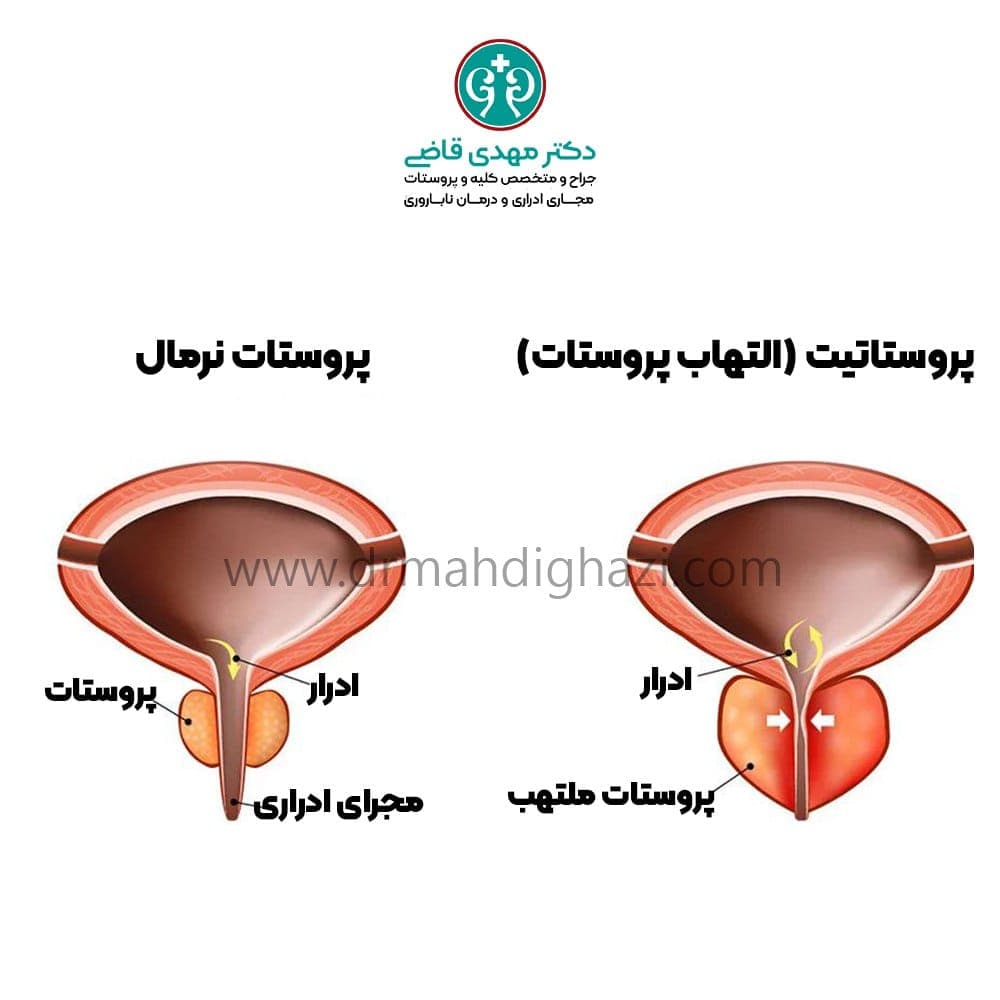
The prostate may be inflamed by different factors. Due to inflammation, a person may experience different complications and symptoms, in addition, diagnosis and treatment methods will differ. Due to these differences, prostatitis is classified in four groups. in the door Continued types of prostate We will examine.
acute bacterial prostatitis
This type of prostatitis is caused by acute bacterial infection of the prostate and appears suddenly and with severe symptoms and usually with fever, shiver, pain in the pelvic area, difficulty in urination, blood in semen Either the urine and pain are associated with ejaculation.
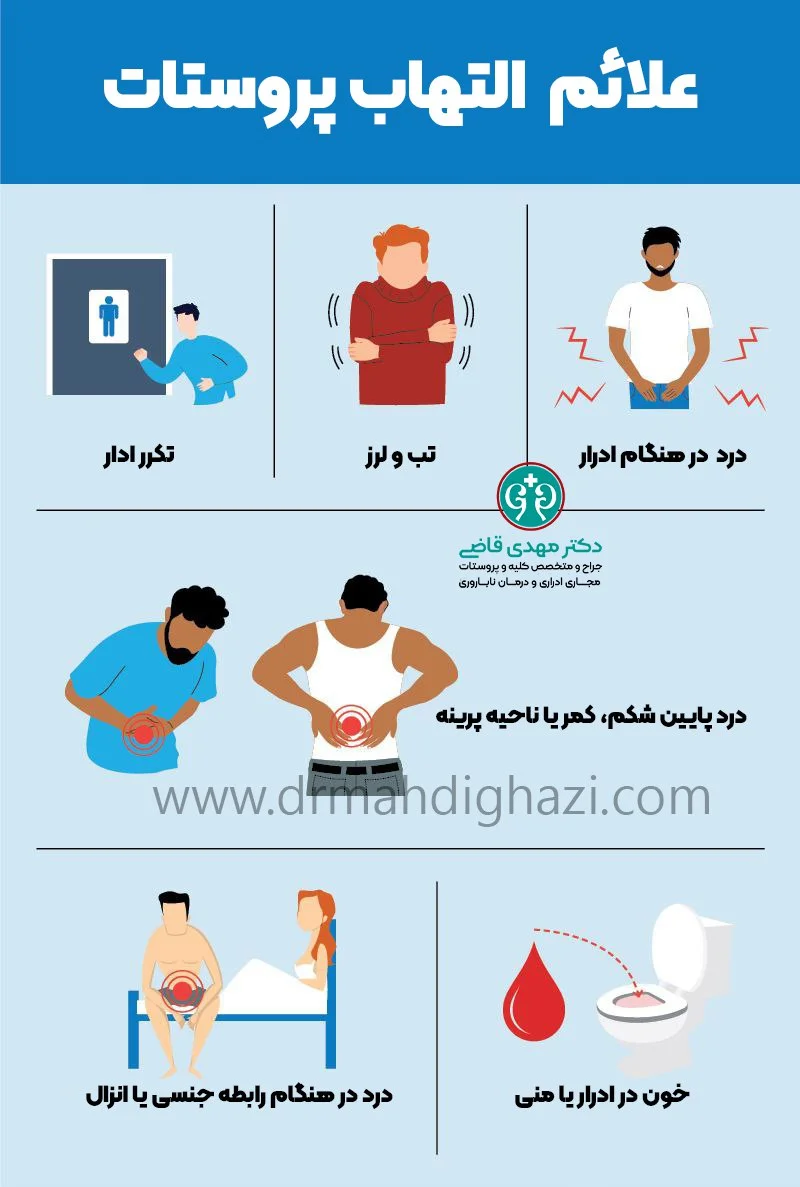
This type is usually treated with antibiotics and can lead to more serious problems if appropriate treatment is not treated.
Bacteria that are commonly involved in the creation of this disease from a group of negative warm bacteria, such as Escherichia coli (E. coli), Proteus, Klebsiella, and Pseudomonas They are. These bacteria usually enter the prostate through the urinary tract and cause infection.
Also, some positive warm bacteria such as Staphylococcus and Streptococcus They can also cause infection in rare cases.
The blockage of the urinary tract can lead to the accumulation of urine and increased risk of infection in the prostate.
factors such as Growing prostate ( benign prostatic hyperplasia) or bladder stones can cause blockage of the urinary tract.
Multiple sexual relationships or with different partners, especially if sexual protection is not used, can increase the risk of bacterial prostatitis.
In addition to infectious factors and risk factors Reducing body safety It can also make a person more at risk for acute bacterial prostatitis. People with poor immune systems, such as diabetes patients or those who take immune suppressants, are more likely to be exposed to this infection.
Chronic bacterial prostatitis
One type of prostatitis that is caused by chronic bacterial infections. The disease is one of the less common forms of prostatitis, but it can cause significant symptoms and usually requires long-term treatment.
This type of prostatitis is usually caused after an acute prostate infection that is not fully treated, and is characterized by frequent recurrences of infection.
The exact mechanism of causing this disease involves migration of bacteria through a urinary tract to the prostate and creating an infection tank inside the prostate gland.
Chronic bacterial prostatitis may cause pain in the pelvic area, back and genitals, urinary cler, burning urination, and even mild fever and fatigue.
Patients may also experience problems with sexual function, including interference and pain during or after ejaculation.
CHRONIC PROSTATITIS/CRECULAR PAIN SYNDROME (CP/CPPS)
chronic pelvic pain syndrome One of the most common urological disorders is often associated with chronic pain and discomfort in the hip, prostate, and adjacent organs. The syndrome, which is classified as one of the subtypes of prostatitis, occurs mostly in men between the year and can have a significant impact on the quality of patient life.
Chronic non-diabacterial prostatitis can cause chronic pain or discomfort in the pelvic area, pronoy (the area between the anal and the testicle), the genital area and the back (back and back). This pain may appear during urination, ejaculation or even chronicly and without any specific triggers. In addition to pain, patients may complain of urinary problems such as urination, burning urination, and feeling incomplete in the bladder.
Although the exact cause is not yet fully known, different theories have been proposed to explain the disease. These theories include infectious, inflammatory, neurological and psychological factors.
Although some patients may experience symptoms of prostate infection, most cases chronic pelvic pain syndrome Without clear evidence of infection, they are diagnosed.
One of the theories about this disease is the disorder in the function of the pelvic floor muscles that can lead to chronic pain. Also, changes in the central and environmental nervous system and excessive sensitivity of nerves in the pelvic area are also considered to be effective factors.
DUE TO THE COMPLEXITY OF THIS DISEASE AND THE LACK OF A SINGLE CAUSE, CP/CPPS IS KNOWN AS A MULTI-FACTOR DISEASE THAT MAY ARISE FROM A COMBINATION OF DIFFERENT FACTORS.
Prostate without an inflammatory sign
Another type of prostatitis that is accidentally diagnosed in patients without any clinical indication.
Unlike other types of prostatitis that are associated with urinary and pain problems, in this type of prostatitis, patients experience no pain in the pelvic area or urinary symptoms.
detection prostatitis WITHOUT AN INFLAMMATORY SIGN USUALLY OCCURS IN AN EVENT AND DURING TESTS RELATED TO OTHER UROLOGICAL PROBLEMS, SUCH AS FERTILITY SURVEYS OR THE EVALUATION OF THE SPECIFIC PROSTATE ANTIGEN (PSA), WHICH THE PRESENCE OF INFLAMMATORY CELLS IN PROSTATE TISSUE SAMPLES OR IN SEMEN AND URINE AFTER PROSTATE MASSAGE (EPS).
However, the patient has no clear indication of prostatitis or prostatitis.
Prostate without an inflammatory sign It is generally divided into two groups:
The first group includes patients who are tested for fertility problems, and in which inflammatory cells are detected in semen or other samples.
THE SECOND GROUP CONSISTS OF PATIENTS WHO ARE EXAMINED FOR INCREASED PSA LEVELS AND FOR THE POSSIBLE REJECTION OF PROSTATE CANCER AND ARE DIAGNOSED WITH prostatitis.
The exact cause of this type of prostatitis is also not well known, but some theories point to the role of inflammatory factors, microbial infections that are not completely eliminated, or immune system disorders.
HOWEVER, SINCE THE PATIENT HAS NO SYMPTOMS, THE ANTI-INFLAMMATORY PROSTATITIS IS USUALLY CONSIDERED A BENIGN CONDITION AND IS ONLY MORE ACTIVE IN CASES WHERE OTHER RISK FACTORS SUCH AS A PSA INCREASE.
The cause of prostatitis varies in its different types and can be bacterial infection, chemical or physical inflammation factors, combination and even uncertain.
How to diagnose prostatitis
Diagnosing prostatitis It requires a combination of physical examinations, detailed medical history, urine and semen tests, and sometimes imaging. It is also different for each type of prostatitis.
We also describe the detection methods of any type of prostatitis.
1. Identifying acute bacterial prostatitis
acute bacterial prostatitis is often based on clinical examination and laboratory findings. Patients usually refer to a doctor with severe symptoms such as fever, tremor, pain in the pelvic area, urinary cler, and urinary burning.
Clinical examination
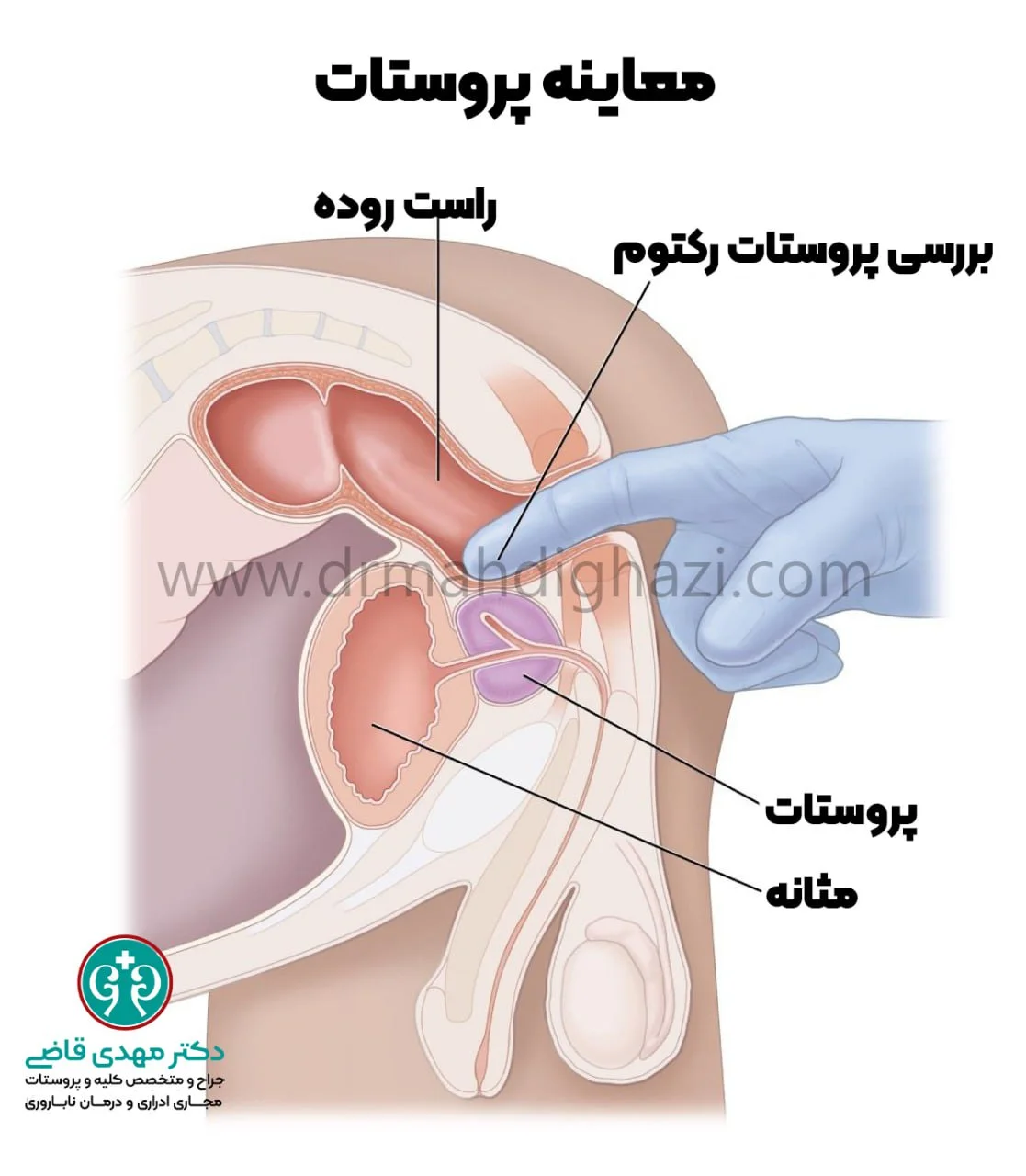
The doctor usually PROSPERIAL EXAMINATION (DRE) He does. In this examination, the prostate is usually painful and sensitive.
Urinalysis
The urine sample is taken for microscopic cultivation and analysis. In this type of prostatitis, urinary cultivation usually shows infection-agent bacteria.Blood tests
AS A RESULT OF PROSTATE TESTING, THE RISE IN WHITE BLOOD CELLS (WBC) AND THE HIGH PSA LEVEL MAY BE SEEN.
2. Diagnosing Chronic Bacteriaal Prostatitis
The process of diagnosing chronic bacterial prostatitis involves the following methods:
Clinical history and examination
Like the acute type, the prostate examination is performed, but the prostate is usually less sensitive and painful.Four glass tests (Meares-Stamey test)
One of the standard ways to diagnose this type of prostatitis. This test involves collecting urine samples before and after prostate massage, along with prototypes of my urine and semen. The presence of bacteria in the sample after prostate massage or semen represents chronic prostate infection.urine and blood tests
BREAST CULTIVATION MAY HELP IDENTIFY BACTERIA. PSA LEVELS MAY BE HIGH.
3. DIAGNOSING CHRONIC HIP/PROTITIS SYNDROME (CP/CPPS)
CP/CPPS DIAGNOSIS IS MORE COMPLEX DUE TO THE LACK OF BACTERIAL INFECTION AND THE PRESENCE OF CHRONIC SYMPTOMS. THIS TYPE OF prostatitis IS OFTEN DIAGNOSED WITH OTHER CAUSES OF PELVIC AND URINARY PAIN.
Clinical history
A detailed assessment of the history of the patient’s symptoms is very vital. Signs of this disease may include chronic pelvic pain, discomfort during urination or ejaculation.Exams and prostate massage
An anal examination and prostate massage may indicate the presence of sensitive or painful points, but there is often no noticeable change.urine and semen tests
In a four-glass test, no bacteria can be found, but there may be a large number of white blood cells in semen or urine after prostate massage, which represents inflammation.Evaluation questionnaires of symptoms
questionnaires such as “NIH Chronic Prostatitis Symptom Index” are used to evaluate the severity and impact of symptoms.
4. Diagnosis of prostatitis without an inflammatory sign
THIS TYPE OF prostatitis IS ACCIDENTALLY DIAGNOSED DURING OTHER STUDIES, SUCH AS FERTILITY TESTS OR PSA EVALUATION.
urine and semen tests
Inflaky cells (white parasites) are found in semen or urine after prostate massage.Prostate biopsy
In some cases, prostatitis is accidentally observed in biopsy samples taken for other studies such as prostate cancer evaluation.
5. Other diagnostic methods
In some cases, to reject other diseases or confirm diagnosis, from imaging tests such as imaging tests Trans-returnal prostate ultrasound OR MRI IS USED. THESE TESTS CAN HELP IDENTIFY STRUCTURAL ABNORMALITIES OR REJECT OTHER DISEASES.
treatment of prostatitis
Prostatitis treatment varies depending on its type and severity of symptoms.
The main goal of the treatment of prostatitisReducing symptoms, improving quality of life, and in cases of infection, eliminating the infectious factor. In addition, the treatment methods of each type of prostatitis are described.
1. Treatment of acute bacterial prostatitis
The acute bacterial prostatitis is considered an emergency and requires quick treatment.
Antibiotics
The main treatment of this type of prostatitis is the use of antibiotics. Antibiotics are prescribed for 4 to 6 weeks to ensure full elimination of bacteria and prevent disease from converting to chronic bacterial prostatitis. Antibiotics such as fluoroquinolones (cyprooxins or levoxins) are usually the first line of treatment.housing and anti-inflammatory
Non-inflammatory drugs (NSAIDs) such as ibuprofen are used to reduce pain and inflammation.hydration and rest
Patients are recommended to drink plenty of fluids and have enough rest. In more severe cases, it may require a hospitalization and injection of fluids and antibiotics through vein.
2. Treatment of chronic bacterial prostatitis
Chronic bacterial prostate therapy is usually longer and harder than the acute type.
Antibiotics
Early treatment is performed with antibiotics, which may be prescribed for 6 to 12 weeks. Although some patients may respond to shorter periods of treatment, long-term treatment is recommended to prevent recurrence.
In some cases, for preventing recurrence of infection, long or frequent periods of antibiotics are prescribed.Anti-inflammatory medicines and pain relievers
NSAIDs are used to reduce pain and inflammation. In severe pain cases, stronger housing medications may also be used.lifestyle changes
The recommendation to lifestyle changes, such as avoiding stimulating foods (coffee, alcohol) and performing regular exercise to improve symptoms, may be helpful.
3. TREATMENT OF CHRONIC PELVIC PAIN/PROTITIS SYNDROME (CP/CPPS)
CP/CPPS TREATMENT IS OFTEN MULTIFACETED DUE TO THE COMPLEXITY AND DIVERSITY OF SYMPTOMS.
Antibiotics
In some cases, antibiotics are used as experimental treatment, even if there is no evidence of bacterial infection. However, this approach is not effective in all patients.Anti-inflammatory medicines and pain relievers
NSAIDs are prescribed to reduce pain and inflammation. Three ring antidepressants such as amphiblin or anti- epilepsy such as gabapentin may also be used to control chronic pain.Alpha blockers
These medications, such as tamsulcin or alfuzocin, are used to reduce spasms of prostate and bladder muscles and improve urine flow.Physiotherapy
pelvic floor exercises and physiotherapy can help reduce muscle spasms and relieve pain. Biofeedback may also be useful.Psychotherapy Techniques and Stress Management
PSYCHOLOGICAL COUNSELING, COGNITIVE-BEHAVIORAL THERAPY (CBT), AND STRESS MANAGEMENT TECHNIQUES CAN HELP BETTER MANAGE SYMPTOMS IN PATIENTS WHO SUFFER FROM STRESS OR ANXIETY.Additional treatments
Treatments such as acupuncture, prostate massage, and herbal supplements (such as sapo Palmto or coertin) are also used as complementary therapeutic options, although scientific evidence is limited to their effectiveness.
4. Treatment of prostatitis without an inflammatory sign
Since prostatitis without an inflammatory sign, there is no specific treatment necessary.
monitoring and tracking
THIS CONDITION USUALLY DOES NOT REQUIRE TREATMENT, AND ONLY IF THE PROBLEM OCCURS, SUCH AS INCREASED PSA OR REPRODUCTIVE PROBLEMS, IT MAY REQUIRE FURTHER INTERVENTIONS.
IN CERTAIN CASES, SUCH AS BEFORE A PROSTATE BIOPSY DUE TO AN INCREASE IN PSA, A DOCTOR MAY SUGGEST ANTIBIOTICS OR ANTI-INFLAMMATORY SUBSTANCES TO REDUCE INFLAMMATION, BUT THESE TREATMENTS ARE NOT PERFORMED ON A REGULAR BASIS.
5. Tests and subsequent follow-up
IN ALL TYPES OF prostatitis, REGULAR FOLLOW-UP WITH THE DOCTOR IS IMPORTANT TO ASSESS THE EFFECTIVENESS OF THE TREATMENT AND THE NECESSARY ADJUSTMENTS DURING TREATMENT. REPEATED PSA TESTS, THE REVIEW OF SYMPTOMS AND, IF NECESSARY, RE-EXPECTED IMAGING MAY BE PART OF THIS PROCESS.
Effects of prostatitis
Prostatitis, especially if not properly treated, can lead to different complications or complications. These complications may affect the quality of the patient’s life and in some cases become more serious problems. continuingprostate complications They are examined depending on the type.
1. High bacterial prostatitis
The prostate
One of the most serious complications of acute bacterial prostatitis is the formation of abscess in the prostate. This condition occurs because of the accumulation of pus inside the prostate and may require surgical discharge. Prostate abscess can lead to severe pain, persistent fever and exacerbate urinary problems.And then, after all
In the absence of inadequate treatment or treatment, bacteria may spread from the prostate to the bloodstream and create sepsis. Lateris is a life-threatening condition that requires immediate treatment with intravenous antibiotics and special care.Infections of urinary tracts (UTI)
Acute bacterial prostatitis can increase the risk of frequent urinary infections, as infection may spread to other parts of the urinary tract such as bladder and urinary tracts.acute urination
Through the inflammation of this gland prostate savings It gets bigger; this may cause urinary tracts and acute urination. This condition requires immediate evacuation using catheters.
2. Chronic bacterial prostatitis
frequent recurrence of infections
Chronic bacterial prostatitis due to bacterial resistance or incomplete treatment may lead to recurrent and recurrent infections that can require long-term treatment with antibiotics.forming prostate stones
recurrent and chronic infections may lead to the formation of prostate stones. These stones can function as a focal for frequent infections and remove them may require surgery.Changes in tissue and prostate fibrosis
Chronic infections can cause scar tissue or fibrosis in the prostate. These changes can affect prostate function and, in some cases, cause urinary blockage.Sexual disability
Chronic bacterial prostatitis may cause sexual disorders such as reduced sexual desire, painful ejaculation, and sexual disability (disturbed in erection). These problems can significantly affect the quality of patient life.
3. EFFECTS OF CHRONIC HIP/PROTITIS SYNDROME (CP/CPPS)
Chronic pain
ONE OF THE MOST PROMINENT CP/CPPS COMPLICATIONS IS CHRONIC PELVIC PAIN THAT MAY AFFECT THE PATIENT’S ABILITY TO PERFORM DAILY ACTIVITIES. THIS CHRONIC PAIN CAN LEAD TO DEPRESSION, ANXIETY AND REDUCED QUALITY OF LIFE.Continuous urinary disorders
PATIENTS WITH CP/CPPS MAY DEVELOP CHRONIC URINARY DISORDERS SUCH AS URINARY MONOMERS, URINARY URGENCY AND URINATION PAIN. THESE CAN LEAD TO SLEEP PROBLEMS AND SOCIAL DISCOMFORT.Sexual problems
LIKE CHRONIC BACTERIAL PROSTATITIS, CP/CPPS CAN ALSO CAUSE SEXUAL DISABILITY. PAINFUL EJACULATION, DECREASED SEXUAL DESIRE, AND ERECTILE DYSFUNCTION ARE AMONG COMMON PROBLEMS IN THESE PATIENTS.Anxiety and depression
Chronic pain and sexual and urinary problems may lead to psychological disorders such as anxiety and depression. These conditions require combined medical and psychological management.
4. Prostate effects without an inflammatory sign
Misdiagnosis of prostate cancer
ONE OF THE CONCERNS OF AN INFLAMMATORY SYMPTOM IS THE RISE IN PSA LEVELS THAT MAY BE MISINTERPRETED AS A SYMPTOM OF PROSTATE CANCER. THIS CAN LEAD TO UNNECESSARY PROSTATE BIOPSY AND UNNECESSARY ANXIETY IN THE PATIENT.adverse effects on fertility
Inflammation without a prostate sign may affect semen quality and lead to reduced fertility. Although this isn’t common, in some cases, it may require further evaluations to be needed Fertility problems There exists.
Prostatitis and prostate cancer are not fully linked. prostatitis does not directly cause cancer, but in some cases it can play an indirect role in creating prostate cancer.
Risk factors (risk factors) of prostatitis
The risk of prostate factors involves a set of factors that can increase the risk of this disease. These factors can directly or indirectly affect inflammation and prostate infection.
In addition, the most important risk factors associated with prostatitis are examined:
1. Age
More prostatitis is observed in young men up to midlife (20 to 50 years). The age group is more at risk for acute and chronic prostatitis.
2. History of urinary tract infections (UTIs)
The history of previous urinary infections, especially if treatment is incomplete, can increase the risk of acute and chronic bacterial prostatitis. Bacteria that are present in urinary tracts can be transferred to the prostate and cause infection and inflammation.
3. Previous prostate history
Men who have previously been diagnosed with prostatitis, especially chronic bacterial prostatitis, are at greater risk for recurrence. This may be due to bacteria remaining in the prostate or the creation of medicinal resistance.
4. Sexual activity
High-risk sexual activity, such as having multiple sexual partners or not using sexual protections (such as condoms), can increase the risk of sexual infections such as verbal and GNU, which can cause prostatitis.
Some studies have shown that irregular sexual activity or rare ejaculation may increase prostate risk, although this is not conclusively confirmed.
5. Physical damage or prostate stimulation
DIRECT INJURIES TO THE PELVIC AREA, SUCH AS INJURIES CAUSED BY STRESSFUL SPORTS OR ACCIDENTS, CAN LEAD TO prostatitis. THIS CAN INCREASE THE RISK OF CHRONIC HIP PAIN SYNDROME (CP/CPPS).
Physical activities that cause pressure or blow to the pelvic area, such as cycling or riding, may increase the risk of prostate irritation and inflammation.
6. Stress and Mental Factors
Long-term stress and anxiety can play an important role in exacerbating prostate symptoms, especially in chronic hip pain/proset syndrome. Stress can lead to muscle tension and increased pain sensitivity.
7. Factors related to lifestyle
People who are forced to sit for a long time due to their job or lifestyle (such as truck drivers), may be at greater risk for prostatitis.
Consuming too much alcohol and caffeine can cause bladder stimulation and urinary tracts and exacerbate prostate symptoms.
8. Poor immune system
Men who have poor immune systems due to chronic diseases such as diabetes or taking immunodefinatory medications (such as immune system suppressants) are more at risk for prostate infections.
9. Family history
Although prostatitis is not known as a genetic disease, having a family history of prostate-related diseases may increase the risk of prostatitis.
10. Use catheter or medical tools
Long-term use of urinary catheters or conducting medical procedures that need to import tools to urinary tracts can increase the risk of prostate and prostate infections.
Prevention of prostatitis
Due to the diversity of prostate causes and sometimes uncertain, methods Preventing prostatitis For different types of this disease is different and in uncertain cases. We will continue to review prevention methods for different types of the disease.
1. Preventing acute bacterial prostatitis
acute bacterial prostatitis is mainly caused by direct arrival of urinary tract bacteria or sexually transmitted infections to prostate. For this reason, the main method of prevention focuses on preventing infectious factors from climbing into prostate ducts and timely treatment of primary infections:
Full and frequent bladder drain and avoid prolonged urination
Full and early treatment of urinary infections and sexually transmitted infections
Use condoms and limit risky sexual partners
If you need a urine, be sure of your health.
2. Preventing chronic bacterial prostatitis
This type of prostatitis often recurs due to the incomplete root of bacteria from prostate tissue or the presence of underlying factors such as urinary blockage. Preventing it to accurately complete antibiotic treatments is to remove underlying factors:
Complete completion of the prescribed antibiotic course for acute prostatitis or any urinary infection to prevent recurrence
TREATMENT FOR URINARY BLOCKAGE FACTORS SUCH AS A BENIGN PROSTATE (BPH) OR SHORTNESS OF THE MAGRA
Regular medical follow-up after initial treatment to confirm the complete elimination of infection (discrimination of urine and prostate secretion)
Identifying and treating secret infections in a sexual partner to prevent infection.
3. Preventing Chronic Prostatitis (Remic Pain Syndrome)
This syndrome is not a clear and definite cause to prevent the disease. Preventing chronic pelvic pain syndrome is mainly focused on lifestyle reform and maintaining general health of pelvic floor muscles:
Avoid sitting or cycling for a long time
Regular physical therapy of pelvic floor muscles
Stress management and mental health
Regular and gentle physical activity for pelvic blood (walking, swimming)
Early visits to the doctor.
Summary
Prostatitis is an inflammation in the prostate gland that can occur at any age of men and have a significant impact on the quality of their lives. The disease is associated with symptoms such as pain and discomfort in the pelvic area, urinary problems and sexual disorders, and can develop acute or chronically.
Several factors such as bacterial infections, stress, physical injuries and even unknown factors can cause prostatitis. The exact diagnosis of this disease is done through physical examination, urine and blood tests, and in some cases medical imaging to determine the type and severity of it correctly.
Prostatitis treatments vary depending on its type and severity, and can include taking antibiotics, anti-inflammatory medications, alpha-blockers and physiotherapy. In addition, lifestyle changes such as following a healthy diet, reducing alcohol and caffeine intake, stress management and regular exercise activities can help improve symptoms and prevent the recurrence of the disease.
Paying attention to prostate health and taking periodic examinations can play an important role in early detection and effective management of the disease.
Information and education about prostatitis can also help reduce concerns and increase public awareness about the problem of male health.
Frequently Asked Questions
Actions & related links
Doctors for this topic in Mashhad
See all doctors: Best Prostate Specialists in Mashhad




About the author

Urologic Surgeon
دکتر مهدی قاضی, Urologic Surgeon in Mashhad. Articles on this site are written and reviewed under the supervision of the Urology Building's physicians.
View profile & bookRelated articles
All articlesWhat Is Polycystic Kidney Disease? (Fetal and Adult PKD)
دکتر مهدی قاضی · June 26, 2026
What Is a Renal Cortical Cyst? Symptoms, Diagnosis, and Treatment
دکتر مهدی قاضی · June 26, 2026
Kidney Transplant: Cost, Blood Type Compatibility, and Surgical Method
دکتر مهدی قاضی · June 26, 2026
What Is Pyelonephritis? Kidney Infection Symptoms, Diagnosis, and Treatment
دکتر مهدی قاضی · June 26, 2026
Comments
1 comments