
 Tap to zoom
Can Premature Ejaculation Cause Male Infertility?
Premature ejaculation usually does not cause infertility, but it can reduce the chance of pregnancy if ejaculation occurs before or outside penetration.
- نویسنده
- دکتر مهدی قاضی
- Published on
- June 26, 2026
- Reading time
- 2 min read
- Last updated
- Updated: June 26, 2026
Premature ejaculation by itself usually does not cause infertility, but in some situations it can reduce the chance of pregnancy. This is important because many men become very worried about their fertility when they notice symptoms of premature ejaculation, even though the two issues are not always directly related.
Premature ejaculation is a condition in which ejaculation occurs repeatedly and persistently before the person wants it to, or within a short time after penetration (usually less than 2 minutes), and is associated with negative psychological effects such as anxiety, personal distress, or interpersonal distress.
Although this condition can reduce sexual satisfaction for both partners, it usually does not affect sperm function in terms of quality, count, or fertility potential. In other words, a man with premature ejaculation can still produce healthy, fertile sperm.
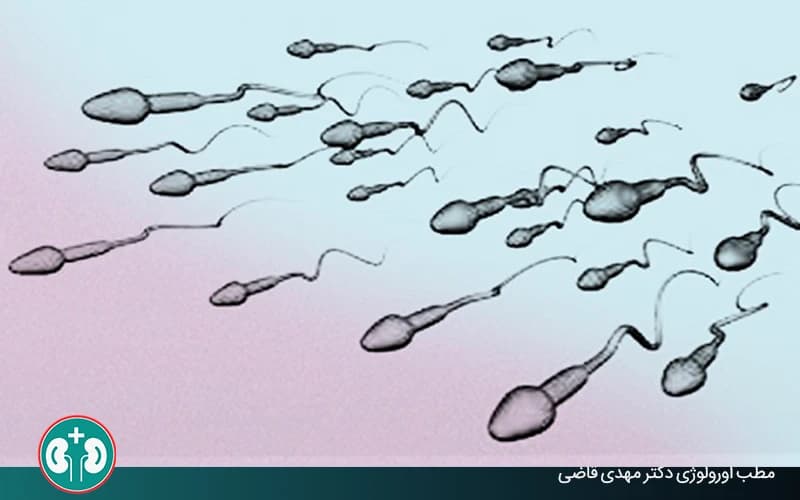
However, as noted in the definition, a problem can arise when ejaculation occurs before complete penetration or even before the penis enters the vagina. In that situation, sperm do not enter the female reproductive tract, so the chance of fertilization decreases. This can make it difficult for a couple to achieve pregnancy despite healthy sperm.
Although it is very unlikely for premature ejaculation to cause infertility, if you and your spouse have been trying to conceive for more than one year and premature ejaculation is part of your sexual difficulty, we recommend consulting a sex therapist as soon as possible.
Effective treatments are available, including medication, psychotherapy, and ejaculation-control exercises. These can improve sexual quality and increase the chance of successful pregnancy. Remember that premature ejaculation is common and treatable; with timely care, it can be well controlled.
Actions & related links
Doctors for this topic in Mashhad
See all doctors: Best Male Infertility Doctors in Mashhad




About the author

Urologic Surgeon
دکتر مهدی قاضی, Urologic Surgeon in Mashhad. Articles on this site are written and reviewed under the supervision of the Urology Building's physicians.
View profile & bookRelated articles
All articlesWhat Is Polycystic Kidney Disease? (Fetal and Adult PKD)
دکتر مهدی قاضی · June 26, 2026
What Is a Renal Cortical Cyst? Symptoms, Diagnosis, and Treatment
دکتر مهدی قاضی · June 26, 2026
Kidney Transplant: Cost, Blood Type Compatibility, and Surgical Method
دکتر مهدی قاضی · June 26, 2026
What Is Pyelonephritis? Kidney Infection Symptoms, Diagnosis, and Treatment
دکتر مهدی قاضی · June 26, 2026
Comments
0 comments
No comments yet. Be the first to share your thoughts.