
 Tap to zoom
Penile Suspensory Ligament Release Surgery: What to Know Before and After
Penile suspensory ligament release, or ligamentotomy, may make more of the penis visible in the flaccid state, but it has limited effect on erect length and requires careful aftercare.
- نویسنده
- دکتر مهدی قاضی
- Published on
- June 26, 2026
- Reading time
- 5 min read
- Last updated
- Updated: September 4, 2026
Penile suspensory ligament release is one of the more controversial approaches to making the penis appear longer. In medicine, this operation is known as ligamentotomy, and there are many uncertainties around it. Can the penis really be made longer without harming sexual function? How real is the length gain? Most importantly, is it lasting or temporary?
Men who want their penis to look larger because of concerns about appearance or body image often encounter scattered information, exaggerated advertising, and many questions about the result of this operation. The goal of this article is to answer those concerns scientifically and impartially. Below, you will learn about the steps of penile ligament release surgery, how it works, the realistic amount of size change, and the essential aftercare. If you are considering ligament release surgery and want to make an informed decision, read to the end.
Penile Ligament Release: Purpose and Technique
Before discussing the penile ligament release procedure, it helps to understand what the ligament is. The penile suspensory ligament is a band of fibrous tissue that connects the penis to the pubic bone. It lies beneath the pubic bone area and helps hold the erect penis in an upward, angled position.
The ligament's main role is to provide stability and an appropriate angle for penetration. In other words, it acts like a supporting strap that keeps the penis angled upward.
In addition to ligament release surgery, there are other methods for increasing penile size. You can learn about them by reading the article Penile Enlargement Methods.
How Is Ligamentotomy Performed?
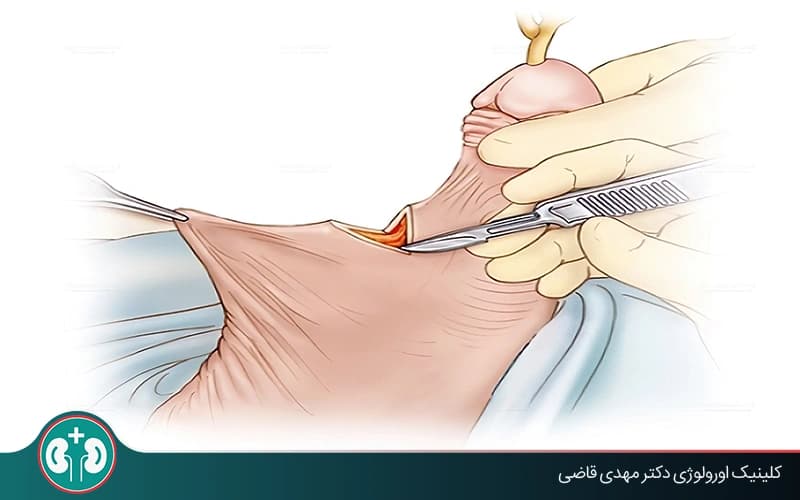
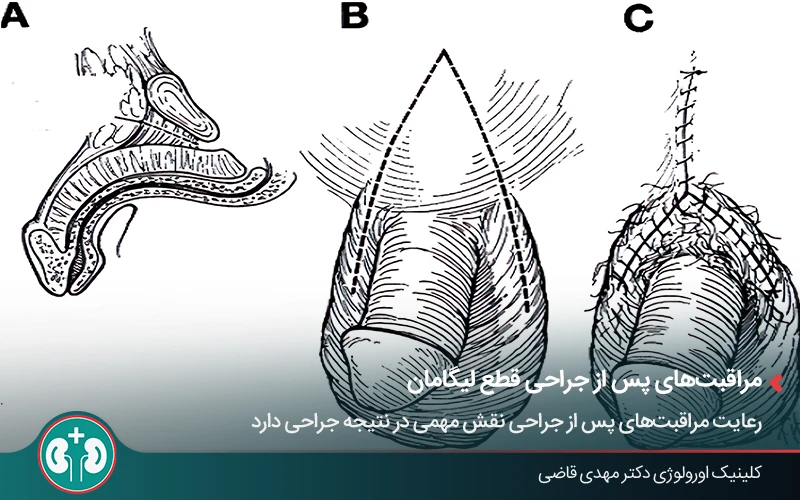
To perform penile ligament release surgery (ligamentotomy), the surgeon needs to reach the ligament that attaches the penis to the pelvic bone. This ligament lies just under the skin and fat of the pubic area. The general steps of the operation are:
Anesthesia or numbing - The patient is first placed under anesthesia for the surgery. In some situations, local anesthesia may be used instead.
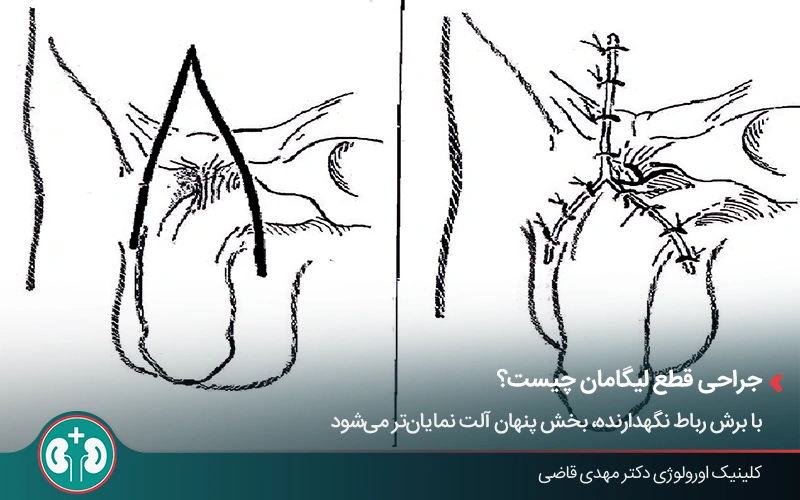
Incision - A small inverted V-shaped incision is then made above the base of the penis, where it meets the lower abdomen.
Exposing the ligament - After the incision, the surgeon moves aside the fatty layer and tissue beneath the skin to expose the penile suspensory ligament.
Cutting the ligament - The ligament is divided so the penis sits in a freer position. This allows part of the penis that was previously hidden inside the body to become visible.
Placing a protective layer - To help prevent reattachment, a layer of fat or a silicone sheath may be placed in the newly created space.
Suturing - The incision edges are closed with a V-Y plasty. In addition to closing the incision, this method creates a small amount of skin advancement that can contribute to the appearance of greater penile length.
Advantages and Disadvantages of Penile Lengthening Surgery
Penile suspensory ligament release is a procedure used in male genital cosmetic surgery to increase the visible length of the penis in the flaccid state. However, the durability and effectiveness of this method remain debated and require careful review.
To that end, the following sections review the possible benefits and risks of lengthening surgery in a scientific and impartial way:
Possible Benefits of Penile Ligament Release
For some men, this surgery may bring positive changes in appearance and psychological well-being. Although its effect is limited mainly to the flaccid state, some patients may still find the result satisfying.
The main possible benefits include:
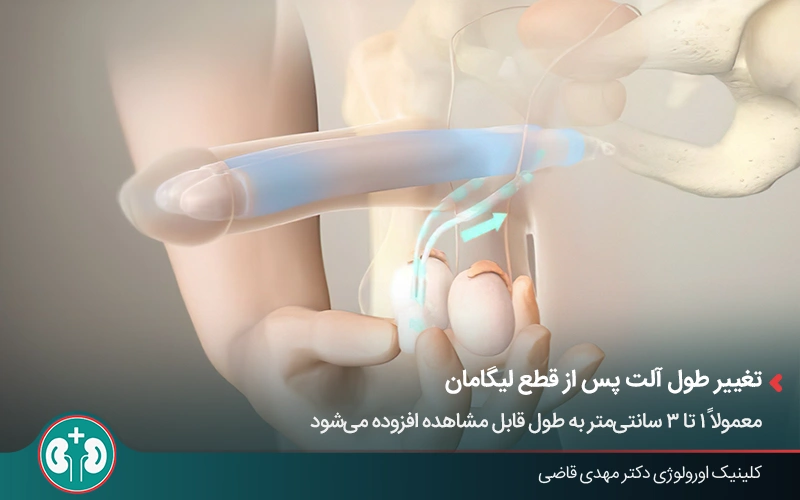
An increase in the visible flaccid length of the penis, which may range from 1 to 3 centimeters.
Some patients, especially those with body-related anxiety or dissatisfaction with their appearance, may experience greater self-confidence and sexual satisfaction after surgery.
Compared with some more advanced procedures, such as penile plastic surgery, this method is less invasive and does not usually require a long hospital stay.
When combined with fat injection or liposuction of the pubic area above the base of the penis, the apparent length and width of the penis may increase more.
Potential Disadvantages and Risks of Ligamentotomy
Alongside the possible benefits, ligament release has important risks. Before deciding, you should carefully review the risks of penile surgery. This operation changes appearance only, and it may create functional problems, as outlined below:
After surgery, the penis may be less stable during erection. Because the supporting ligament has been cut, the penis no longer has its previous support and may droop or be harder to control during penetration.
Changing the attachment point between the penis and pelvis can make the erection angle abnormal and may lead to problems during sexual intercourse.
Stretching exercises are required to help maintain the surgical result. Otherwise, the divided ligament may adhere again to the bone or surrounding tissues, and the penis may return toward its previous position.
Wound problems, persistent scarring, or long-lasting pain at the incision site are among the penile surgery complications reported by some patients.
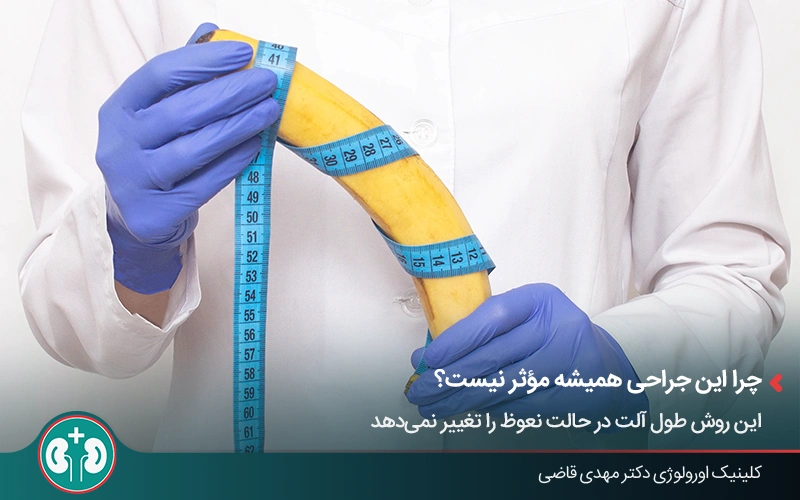
In many cases, this surgery does not affect erect penile length and changes only how the penis looks when flaccid.
If aftercare is inadequate or the surgery is not performed properly, the chance of recurrence or need for corrective surgery increases.
Comparison Table: Benefits and Drawbacks of Ligamentotomy
To give you a clearer view of the pros and cons, the table below summarizes these points:
Benefits | Drawbacks |
|---|---|
Increased visible penile length | Change in erection angle and instability during erection |
Positive psychological effect and improved self-confidence | Need for daily care and stretching exercises |
Possible longer-lasting increase with stretching exercises | Skin-related complications such as scarring, wounds, and persistent pain |
Less invasive than more complex methods | No true effect on penile length during erection |
Can be combined with liposuction or fat injection | Possible return toward the previous position if aftercare is not followed |
What Can You Expect After Penile Lengthening Surgery?
Releasing the ligament above the penis does not truly increase the internal length of the penis. By changing the attachment to the bone and creating a more open angle, the procedure makes more of the hidden portion inside the body visible. In other words, what appears longer after this penile surgery is the visible part of the penis, not new or grown tissue.
Below, we answer other key questions about penile ligament release surgery.
How Long Does It Take to See the Result?
Penile length increase after surgery usually happens gradually, and the final result becomes clear over time. Although a slight increase may be seen immediately after the operation in the flaccid state, the change during erection usually becomes apparent over several weeks to several months, after healing is complete.
To help stabilize the result, patients are advised to perform stretching exercises regularly for several months, as directed by their physician, to help prevent the ligaments from re-adhering.
Is This Surgery Permanent?
In theory, a lasting increase in visible penile length may be possible with this surgery. In practice, however, the result depends heavily on the patient's behavior after surgery. If stretching exercises are not done correctly, the ligaments may reattach to the bone, and some of the gained length may be lost.
Studies show that factors such as weight gain or physical inactivity can cause the penis to be hidden within the pubic fat pad, making it look shorter. Therefore, following aftercare instructions after penile ligament release is essential for maintaining the result.
What Medications Are Prescribed After Surgery?
After penile lengthening surgery, the physician may prescribe the following medications:
Antibiotics to help prevent infection at the suture site
Nonsteroidal anti-inflammatory drugs (such as ibuprofen or naproxen) to reduce swelling and inflammation
Mild or moderate pain relievers to control pain during the first few days
Aftercare After Ligamentotomy to Reduce Complications
Following aftercare instructions after ligamentotomy plays an important role in reducing complications and stabilizing the results. These steps should be followed carefully and according to your physician's instructions so recovery can proceed more quickly and safely.
The most important medical recommendations are:
Avoid sexual intercourse completely for at least 4 weeks after surgery
Perform stretching exercises regularly for 2 to 4 hours per day, as recommended by your physician
Avoid strenuous physical activity, heavy exercise, or long drives during the first week
Keep the suture area carefully clean to help prevent infection
Get enough rest during the first week to reduce inflammation and support healing
Wear loose cotton underwear to reduce pressure on the sutured area
See your physician regularly to assess healing and monitor for possible complications
Use a cold compress during the first 24 hours to reduce swelling
Sleep on your back and avoid direct pressure on the pelvic area while resting
Take prescribed medications exactly as directed to control pain and help prevent inflammation
Most patients are discharged from the hospital after 24 hours, and pain after surgery is usually mild. However, if you develop symptoms such as fever, pus-like discharge, or severe redness, contact your physician immediately.
Who Is Penile Ligament Release Surgery Suitable For?
Ligamentotomy is usually performed for men who have no medical problem but are dissatisfied with the appearance of their penis. This dissatisfaction often arises from psychological concerns, reduced self-confidence, or comparison with unrealistic expectations.
The following people may be suitable candidates for this surgery:
Men whose penile size is within the normal range but who are dissatisfied with its appearance and feel that it looks short.
People who, because of a negative body image or reduced sexual confidence, are looking for a way for the penis to appear better or larger.
Those who are interested in the penis appearing larger for psychological rather than medical reasons, and for whom this has personal or sexual importance.
People who care only about the appearance of the penis in the flaccid state and are not seeking a true increase in erect length.
Those who understand that this surgery has limitations, may require specific aftercare, and does not produce the same result for everyone.
Men who are prepared to continue daily stretching exercises for several months after surgery to help stabilize the result.
People who are willing to have a preoperative consultation with a urologist, if needed, so they can make an informed decision.
Summary
Penile suspensory ligament release (ligamentotomy) is one surgical method for increasing the visible length of the penis in men. In this procedure, cutting the supporting ligament exposes part of the hidden length of the penis. The surgery can usually add 1 to 3 centimeters to flaccid penile length, but it has limited effect during erection. Durability also depends on careful aftercare, especially performing stretching exercises.
Keep in mind that this method is not suitable for everyone and should not be approached with unrealistic expectations. If you are dissatisfied with the appearance of your penis or are unsure about having this surgery, consult a urologist before taking any step. Only a careful evaluation by a urologist can determine whether this surgery is an appropriate option for you.
Frequently Asked Questions
Actions & related links
Doctors for this topic in Mashhad
See all doctors: Best Men's Genital Health Specialists in Mashhad




About the author

Urologic Surgeon
دکتر مهدی قاضی, Urologic Surgeon in Mashhad. Articles on this site are written and reviewed under the supervision of the Urology Building's physicians.
View profile & bookRelated articles
All articlesWhat Is Polycystic Kidney Disease? (Fetal and Adult PKD)
دکتر مهدی قاضی · June 26, 2026
What Is a Renal Cortical Cyst? Symptoms, Diagnosis, and Treatment
دکتر مهدی قاضی · June 26, 2026
Kidney Transplant: Cost, Blood Type Compatibility, and Surgical Method
دکتر مهدی قاضی · June 26, 2026
What Is Pyelonephritis? Kidney Infection Symptoms, Diagnosis, and Treatment
دکتر مهدی قاضی · June 26, 2026
Comments
2 comments