
 Tap to zoom
Penile Lichen Planus Treatment: Symptoms and Complications
There is no definitive cure for penile lichen planus, but treatment can reduce itching, inflammation, and discomfort and help make daily life easier.
- نویسنده
- دکتر مهدی قاضی
- Published on
- June 26, 2026
- Reading time
- 5 min read
- Last updated
- Updated: June 26, 2026
Penile lichen planus treatment does not provide a definitive cure, but treatments are available that can ease the symptoms and make daily life more comfortable. Below, we discuss this skin lesion in more detail.
What Is Lichen Planus?
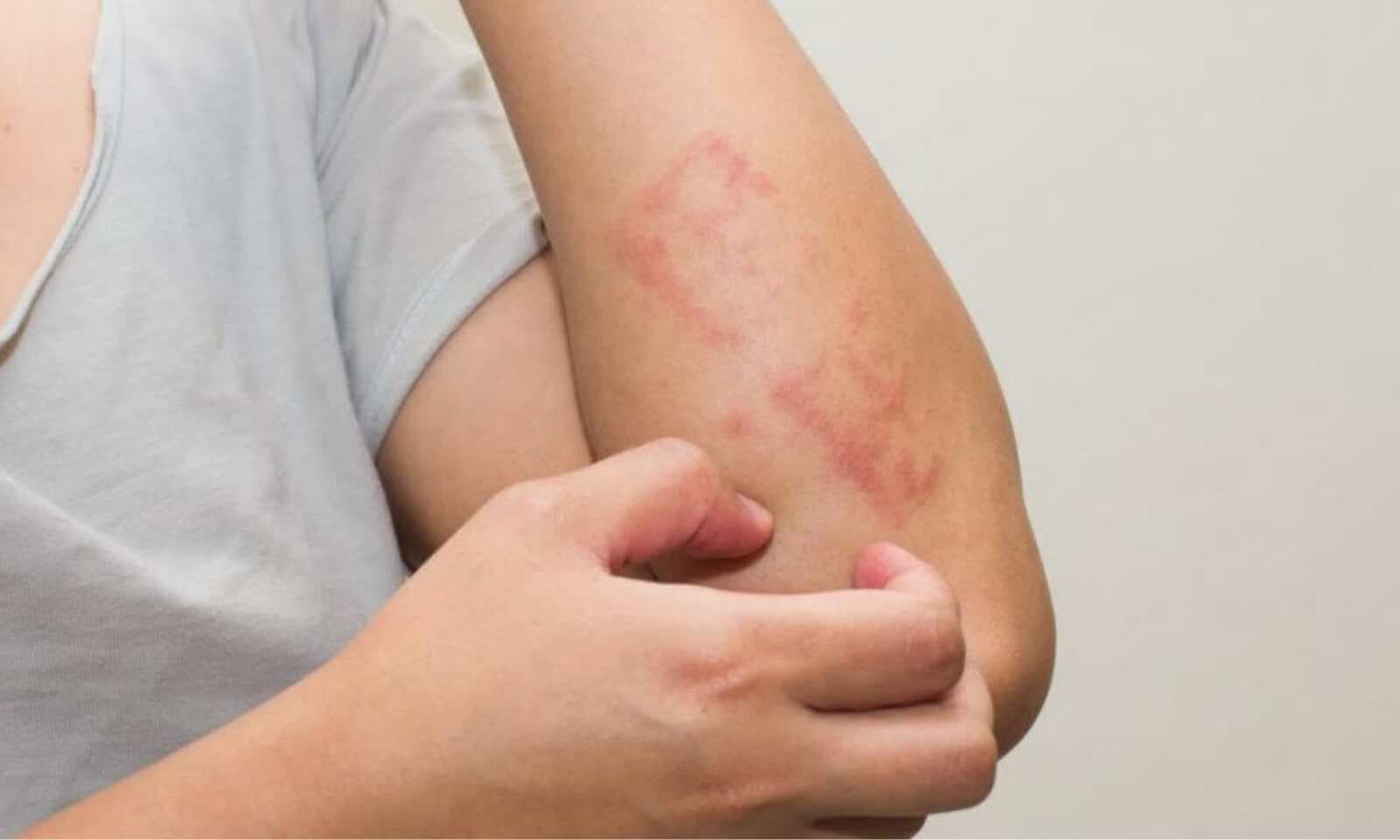
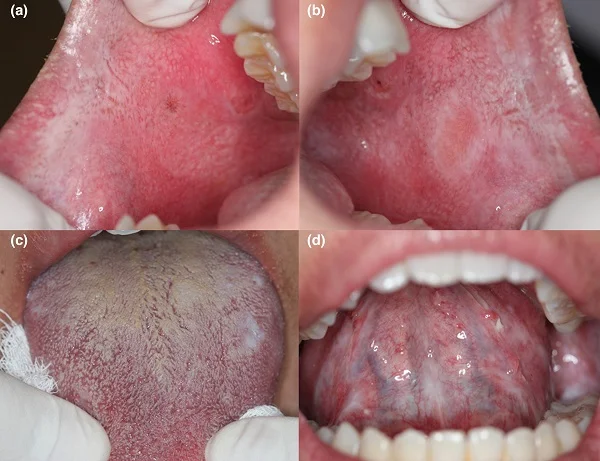
Lichen planus is an itchy, noninfectious skin condition that can affect the genital area in both women and men. In addition to the genital area, it may involve other parts of the body, such as:
Arms, legs, and abdomen
Inside the mouth
Nails and scalp
It is important to note that this condition is not infectious and is not hereditary. The lesion is not contagious and cannot be passed to a partner through sexual contact. Lichen planus is usually diagnosed by a doctor through examination and medical history.
Symptoms of Lichen Planus
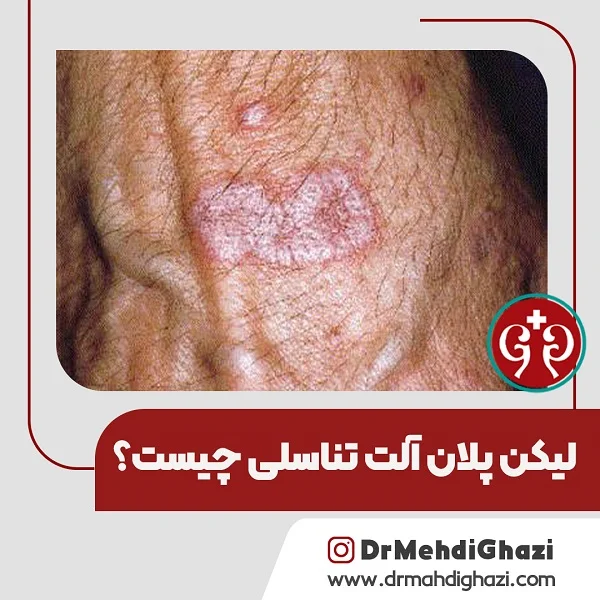
Diseases are always associated with different symptoms, and to recognize them correctly, their symptoms must be understood. As noted, lichen planus rash is a skin disease associated with skin lesions and significant itching, and it has other features as well:
Lichen planus skin rashes may appear suddenly and then disappear after a while without you needing to do anything.
The rash can have different appearances and may be flat or raised.
Lichen planus rashes may appear pink, red, or purple on the skin.
Skin lesions caused by this rash disease can be up to 5 centimeters in size, but they are usually between 1 and 3 centimeters.
Some lichen planus lesions or rashes have white streaks on them.
Itching becomes much more severe at night. Sometimes lichen planus can cause nails to fall off and may also leave dark lines that extend from the base to the tip of the nails.
What Causes Lichen Planus?
The cause of lichen planus is not well understood, although the condition is related to the immune system. In patients with lichen planus, immune cells called T cells become overactive and produce large amounts of proteins that inflame the skin.
In some cases, lichen planus develops because of an immune response to certain medications, such as pain relievers or vaccines. For example, antimalarial medicines and gold injections used for rheumatoid arthritis can cause lichen planus. Hepatitis C is also associated with a higher occurrence of lichen planus.
Learn more >> Peyronie's plaque treatment
What Complications Can Penile Lichen Planus Cause?
As you know, every disease can have different complications, and lichen planus is no exception. One of the most important signs of this disease is a skin rash, so its complications are primarily related to the rash. After the disease improves, spots may remain on the skin, including brown or gray spots; this complication is seen more often in people with darker skin.
In some cases, when the doctor needs to prescribe medicines that suppress the immune system to improve the disease, people may be at increased risk of infection.

Penile Lichen Planus Treatment
As mentioned, there is no definitive cure for penile lichen planus, although treatments can reduce symptoms and make daily life easier. For example, steroid or corticosteroid creams such as betamethasone, clobetasol, and triamcinolone can reduce symptoms and help control the lesions to some extent.
Treatment with steroid creams for a short period, 2 to 3 weeks, can significantly reduce lichen planus lesions. When topical treatment does not work well enough, the doctor may also use corticosteroid tablets. Antihistamines can reduce the itching caused by lichen planus.
UV, or ultraviolet, light is used by dermatologists in severe and resistant cases of lichen planus. Acitretin may also be prescribed by dermatologists in very severe and resistant lichen planus to relieve and control troublesome symptoms.
Most cases of lichen planus clear within 6 to 9 months, and the lesion rarely lasts longer than 18 months, although lichen planus of the genital area and inside the mouth can be more resistant.
Who Is More Likely to Develop Lichen Planus?
Lichen planus affects about 1% to 2% of people worldwide and becomes more common after age 40. It occurs equally in women and men, although oral lichen planus is more common in women. About 50% of lichen planus cases involve the inside of the mouth.
Home Care for Penile Lichen Planus
If you currently do not have access to a doctor or cannot see a doctor, you may use home measures and self-care.
The measures introduced below may help control itching and discomfort from lichen planus rash to a large extent. Reducing stress may also help prevent this condition from worsening. Suggested measures include:
Cold-water compresses
Over-the-counter hydrocortisone ointment or cream
Avoiding irritating soaps and shampoos
Using moisturizing creams
Avoiding alcohol and spicy foods and seasonings, acidic and sour fruits, tomatoes, and salsa may also be helpful.
Women should avoid wearing tight clothing.
A 10-minute dressing with oatmeal paste may also help improve the lesions.
Actions & related links
Doctors for this topic in Mashhad
See all doctors: Best Men's Genital Health Specialists in Mashhad




About the author

Urologic Surgeon
دکتر مهدی قاضی, Urologic Surgeon in Mashhad. Articles on this site are written and reviewed under the supervision of the Urology Building's physicians.
View profile & bookRelated articles
All articlesWhat Is Polycystic Kidney Disease? (Fetal and Adult PKD)
دکتر مهدی قاضی · June 26, 2026
What Is a Renal Cortical Cyst? Symptoms, Diagnosis, and Treatment
دکتر مهدی قاضی · June 26, 2026
Kidney Transplant: Cost, Blood Type Compatibility, and Surgical Method
دکتر مهدی قاضی · June 26, 2026
What Is Pyelonephritis? Kidney Infection Symptoms, Diagnosis, and Treatment
دکتر مهدی قاضی · June 26, 2026
Comments
27 comments