
 Tap to zoom
Oral Warts Treatment: From Medication to Specialist Procedures
Learn how oral HPV warts develop, how they differ from canker sores, and which treatment options may be used, including supportive medication, laser therapy, and cryotherapy.
- نویسنده
- دکتر مهدی قاضی
- Published on
- June 26, 2026
- Reading time
- 5 min read
- Last updated
- Updated: September 4, 2026
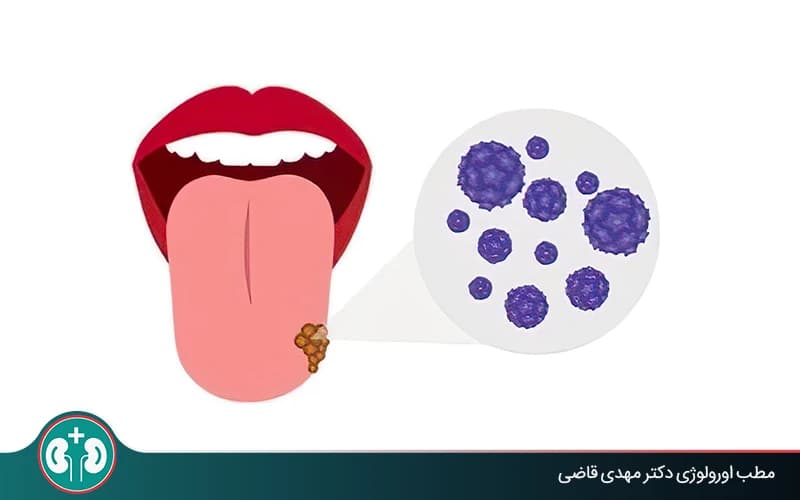
One type of growth that can appear in the mouth is an oral wart, which develops because of infection with the HPV virus. These warts are often caused by oral sexual contact and, in many cases, are cleared naturally by the immune system. Sometimes, though, this does not happen for different reasons. The good news is that there are several ways to treat oral warts.
If you have noticed growths in your mouth and are not sure whether they are oral HPV warts or simple canker sores, this article is for you. Below, we first review the symptoms of oral warts and how they differ from canker sores, then introduce treatment options for HPV-related warts in the mouth.
Laser, cryotherapy and surgical removal of genital warts (HPV) Genital warts treatment for men in Mashhad
Specialized treatment of genital warts in men at an equipped center, provided by experienced physicians using current medical equipment and treatment methods.

Book appointment
How do oral warts develop, and what symptoms do they cause?
Oral warts occur when the body is affected by human papillomavirus (HPV). These warts are usually transmitted through oral sexual contact and direct contact with mucous membranes.
These warts are usually small, painless bumps that may appear in the throat, pharynx, on the lips, or on the tongue. Oral HPV warts usually do not cause itching or burning and are not usually accompanied by inflammation or open sores. For this reason, some people do not notice oral warts for a long time.
Symptoms and possible effects | |
|---|---|
Appearance | Symptoms a person may notice |
Small white or flesh-colored bump | A feeling of a bump or foreign body on the tongue |
Rough, cauliflower-like, or frond-like surface | Discomfort while chewing or swallowing, especially with larger lesions |
May be pedunculated, meaning on a small stalk, or flat | Mild irritation or burning at the lesion site |
Single or multiple, sometimes clustered | The lesion may catch on the teeth while chewing |
Usually on the tongue, under the tongue, soft palate, tonsils, or inside the cheek | Rarely, bleeding after trauma or biting |
If you notice a growth in your mouth that remains for more than two weeks, does not go away, or has spread, you should see a doctor.
Appointments related to Laser, cryotherapy and surgical removal of genital warts (HPV) Genital warts treatment for men in Mashhad
Open the public booking path to review times and related information.
Book appointment
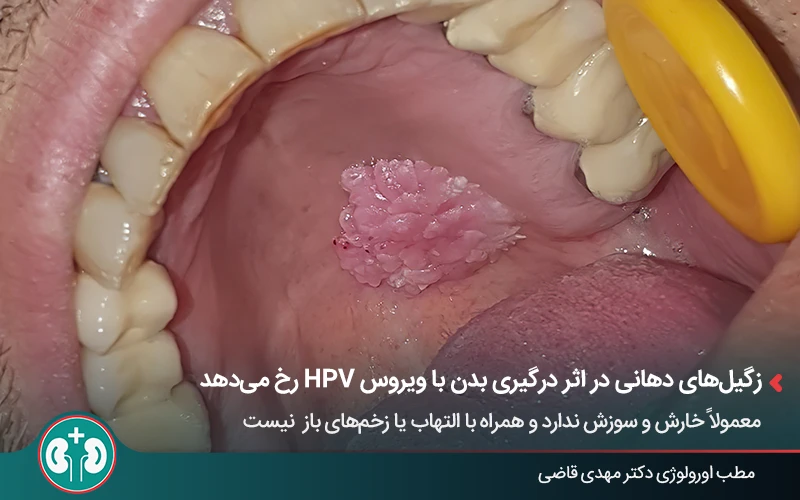
How long does it take for oral warts to appear?
Oral warts caused by HPV usually do not appear immediately after contact. There is an incubation period between the virus entering the body and the lesion becoming visible, but the length of this period varies from person to person.
Oral warts may appear a few weeks to several months after infection, usually about 2 to 6 months, or even later, or they may never produce a visible lesion at all. Therefore, it is not always possible to determine the exact time of infection from when a wart appears.
Human papillomavirus infection in the mouth often does not cause a visible wart. Many people become infected, and the immune system controls or clears the virus without any visible lesion.
Difference between canker sores and oral warts
Although canker sores and oral HPV warts are both oral lesions, they differ in appearance, cause, location, and degree of pain. These differences help distinguish them. Below, we review the difference between canker sores and oral warts:
Q&A — Laser, cryotherapy and surgical removal of genital warts (HPV) Genital warts treatment for men in Mashhad
General questions are shown on the destination page after review.
Book appointment
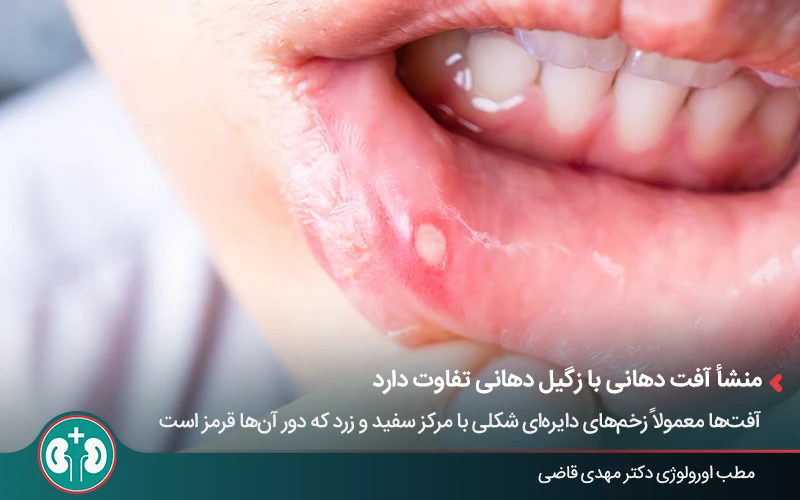
Cause: Canker sores usually do not have one clear cause, but factors such as stress, food sensitivity, injury to the mouth tissue, or vitamin deficiencies may trigger them. In contrast, oral warts occur because of HPV infection and may be transmitted from an infected person to another person through oral sexual contact.
Appearance and shape: Canker sores are usually round ulcers with a white or yellow center and a red border. Oral HPV warts, by contrast, are more often soft bumps that are usually the same color as the oral mucosa. A smooth or slightly cauliflower-like surface is one of the more important features of oral warts.
Pain: Canker sores are painful and can make eating or speaking uncomfortable. Oral warts usually do not cause pain, although some people may notice mild discomfort or itching.
Location: Both types of lesions may appear in different parts of the mouth, such as the tongue, gums, cheek, or roof of the mouth, but canker sores are more likely to appear in areas that have been irritated or injured.
Differences | Canker sores | Oral HPV warts |
|---|---|---|
Cause | The exact cause is unclear; possible factors include stress, food sensitivity, injury, or vitamin deficiencies | Infection with HPV; transmission through oral sexual contact |
Appearance and shape | Round or oval ulcer, white or yellow with a red border | Soft bump, similar in color to the mucosa; sometimes with a cauliflower-like surface |
Degree of pain | Painful, especially when eating or speaking | Often painless |
Location | Usually in irritated or injured areas inside the mouth, such as the tongue, gums, cheek, lip, or roof of the mouth | May appear anywhere in the mouth |
Diagnosing oral warts
Growths that appear in the mouth can have many causes, from canker sores and cold sores to lesions related to HPV. The important point is that oral warts cannot be diagnosed with certainty by appearance alone. In some cases, an experienced clinician may make an initial assessment, but laboratory methods are needed for a definitive diagnosis.
Polymerase chain reaction (PCR) testing is the most accurate method for detecting HPV infection in the mouth. In this test, a small sample from the oral lesion is taken, and by analyzing its DNA, the virus and even its type can be identified.
What are the treatment options for oral warts?
Treatment for oral warts depends on the lesion location, symptom severity, and the patient’s immune status. Options may include oral antiviral medicines, topical medicines, and more specialized treatments such as procedural removal of oral warts, which is commonly done with cryotherapy or laser techniques.
The choice of treatment depends entirely on the specialist’s judgment and each patient’s individual situation. The key point is that none of these methods completely removes the virus from the body, but they can help control symptoms and reduce the chance of recurrence.
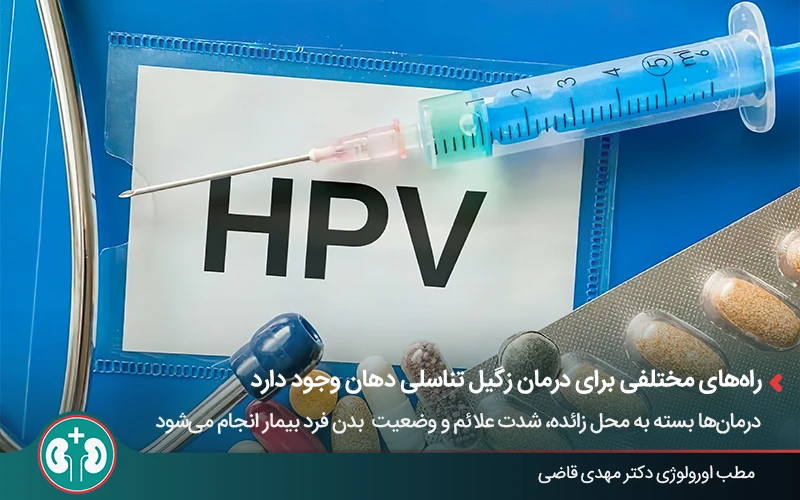
Best medicine for oral warts
Drug treatment for oral HPV is one of the possible approaches to oral warts. A doctor may use different medicines in selected situations, which we will summarize below:
In certain situations, some doctors may prescribe immune-supporting medicines or anti-inflammatory compounds to improve general health or reduce inflammation. However, these medicines usually do not have a direct, proven effect on eliminating HPV or warts, and their role is mostly supportive.
In some cases, a doctor injects interferon alfa-2b into the affected area to help prevent the warts from spreading and damaging nearby healthy tissue. However, this medicine is rarely used in the mouth.
Podophyllin or imiquimod are another group of medicines that are often prescribed for topical use in genital warts. The important point is that these medicines must never be used to treat oral warts.
No. At present, no mouthwash is recommended as a proven method to prevent or treat oral HPV infection.
Laser and cryotherapy: effective clinic-based treatments
The medicines described above are usually prescribed to help prevent wart spread and control viral infection, and they do not remove existing warts. One way to treat oral warts by removing them is laser treatment or cryotherapy. We explain both below:
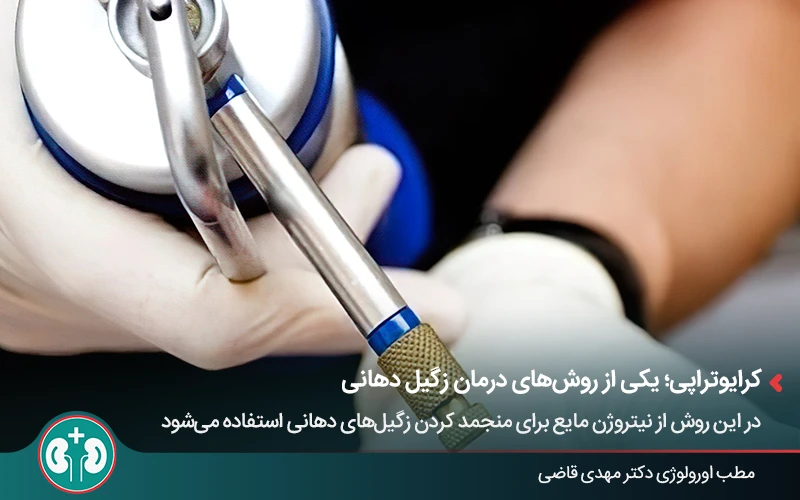
Cryotherapy: In this method, liquid nitrogen is used to freeze and remove oral warts. This is a minimally invasive method, but full effectiveness may require repeated treatment sessions.
Laser treatment for oral warts: Laser treatment is one of the most precise methods for removing oral warts. In this method, the lesions are burned away with laser energy. Its advantages include high precision and rapid effect.
Method | How it works | Pain and recovery | Advantages | Limitations |
|---|---|---|---|---|
Cryotherapy | Freezing with liquid nitrogen | Mild pain, no hospital admission needed | Minimally invasive and outpatient-based | May need to be repeated |
Laser | Burning wart tissue with laser energy | Low pain, short recovery | Minimally invasive, precise, fast, and effective | Higher cost and need for specialized equipment |
These treatment methods remove the warts, but there is no standard treatment for HPV itself that eliminates the virus from the body.
Can oral warts go away on their own?
Yes. Oral warts caused by human papillomavirus may go away without medical treatment. In most people with a healthy immune system, the body can clear benign lesions, usually caused by low-risk types such as types 6 and 11, over several months to about two years.
However, spontaneous disappearance is not always guaranteed and can take time. If lesions persist, interfere with swallowing or speech, or the patient wants them removed more quickly, treatments such as surgical excision, cryotherapy, or laser therapy may be recommended.
Care after treatment and prevention methods
After learning about treatment options for oral warts, it is important to understand post-treatment care and prevention. Proper care and lifestyle changes are very important for helping prevent lesions from returning and for limiting progression of the viral infection. Below are steps to follow after treatment for oral warts.
Strengthening the immune system to help control warts
Regardless of the treatment used for oral warts, the immune system also plays an important role in clearing HPV infection. According to published research, about 90% of HPV infections clear completely within 2 years, provided the immune system is strong. To support your immune system, consider the following:
Try to get enough vitamin C and B vitamins in your diet; these are commonly found in fruits and vegetables.
Adequate sleep is one of the factors that can strongly affect immune function. Aim for 7 to 8 hours of sleep at night.
Another important factor is stress management. Exercise and meditation are among the best ways to reduce stress levels.
HPV vaccine
One of the most effective ways to prevent HPV and warts is to receive the Gardasil vaccine before starting sexual activity. This vaccine usually has three doses, given over a 6-month period.
Nutrition and essential avoidances
Your diet during treatment and even after oral warts are removed should be balanced and include all food groups. Based on this, we recommend the following:
Eat fruits, vegetables, and foods that contain antioxidants and fiber.
Do not use tobacco or alcohol.
Get enough protein.
Alongside these steps, try to reduce sugary, fatty, and salty foods so the immune system is less burdened by other problems.

Care after laser treatment or cryotherapy
As noted above, laser treatment and cryotherapy are treatment options for oral warts. If you have used one of these methods, keep the following points in mind:
Oral hygiene: rinse your mouth regularly with a diluted saltwater solution or a mild mouthwash.
Until healing is complete, avoid oral contact, including kissing and oral sex.
See your doctor every 8 to 12 months so the possibility of wart recurrence can be checked.
Oral wart treatment: from medicines to laser and cryotherapy
Treatment for oral warts caused by HPV depends on factors such as lesion location, symptom severity, and immune status. Treatment options may include injectable medicines and specialized, minimally invasive methods such as laser treatment and cryotherapy. At present, however, the most effective options are laser treatment and cryotherapy, while medicines in selected cases have only a supportive role.
Remember that the specialist’s opinion and judgment are very important when choosing the best HPV wart treatment. For this reason, do not use home remedies or self-treatment. These approaches are not only ineffective, but may sometimes worsen the condition by causing sensitivity and irritating the affected area.
If you would like more complete information about genital warts treatment, we suggest reading the article “genital warts Treatment”.
Frequently Asked Questions
Actions & related links
Doctors for this topic in Mashhad
See all doctors: Best Male Genital Warts Doctors in Mashhad




About the author

Urologic Surgeon
دکتر مهدی قاضی, Urologic Surgeon in Mashhad. Articles on this site are written and reviewed under the supervision of the Urology Building's physicians.
View profile & bookRelated articles
All articlesWhat Is Polycystic Kidney Disease? (Fetal and Adult PKD)
دکتر مهدی قاضی · June 26, 2026
What Is a Renal Cortical Cyst? Symptoms, Diagnosis, and Treatment
دکتر مهدی قاضی · June 26, 2026
Kidney Transplant: Cost, Blood Type Compatibility, and Surgical Method
دکتر مهدی قاضی · June 26, 2026
What Is Pyelonephritis? Kidney Infection Symptoms, Diagnosis, and Treatment
دکتر مهدی قاضی · June 26, 2026
Comments
0 comments
No comments yet. Be the first to share your thoughts.