
 Tap to zoom
Male Infertility: Causes, Diagnosis, and Treatment
- نویسنده
- دکتر مهدی قاضی
- Published on
- June 26, 2026
- Reading time
- 5 min read
- Last updated
- Updated: June 27, 2026
Male infertility is one of the most complex and multifaceted issues that can have extensive effects on individual and family life.
This can be caused by various factors such as sperm production disorders, deficits in hormone function, physical damage, or immune system problems.
Examining the different causes and mechanisms of male infertility, including, obstructive avasion, retroverting ejaculation, and immunological infertility, can help to better understand this issue and provide appropriate therapeutic solutions.
The aim of this article is to provide a comprehensive review of the causes of male infertility and solutions available to manage and treat this problem.
Fertility process.
Fertility is a complex and precise process where sperm and eggs are combined to form a fertilized egg that has the ability to become a fetus. This process has several stages, each of which plays a vital role in fertility success.
sperm production.
Sperm production, called spermatogenesis, occurs in testicles. This process has several main stages:
Spermatogenesis stage
At this stage, male sex cells begin to divide and become primary spermatoocytes.
The stage of the
Early spermatoocytes are placed under two mitochondrial divisions, leading to the formation of heopoid spermides.
Difference stage.
Spermides experience multiple structural changes, including the brewing to move and form heads, which contain genetic material. At this stage, sperm cells become falsified and converted into spermatoson.
sperm transfer.
Adult sperms should be transferred from the testicles to the male genitals so they can reach the egg. This process involves the following steps:
We have an epidium.
Sperms are first transferred to epidium, where they mature here and increase the strength of their movement.
And by the right.
Sperms go from an epidome to vegans, which is a long tube and are transmitted to the urinary tract through tubs.
by the
At the time of ejaculation, sperms are transferred from vanguards to the ejaculation duct, and are combined with prostate fluids and semen to form a semen.
The urinary tract.
Men leave the body through the urinary tract and enter the female genital tract.
Fertilization
The process of fertilization begins when sperm reaches the egg. The stages of fertilization are:
near the egg.
Sperms need to pass through different environments after entering the female genital tract to reach the fallopian tubes, where the egg is located.
Influence of the egg.
Sperm penetrates the egg with the help of enzymes present in Adayum, which is in the head of sperm.
Combining genetic material
After sperm's intrusion into the egg, the genetic material of sperm and eggs are combined and constitute a zymatoid.
Cell division.
Zigut begins to divide the cell and becomes a blastusist over time, which can be implanted into the walls of the uterus and turned into the fetus.
Disorders about sperm and infertility
Sperm plays a fundamental role in the reproductive process and any disruption in production, structure, or function can lead to infertility.
In this section, we examine some disorders related to sperm and infertility.
Sperm production disorders
And they have a smack.
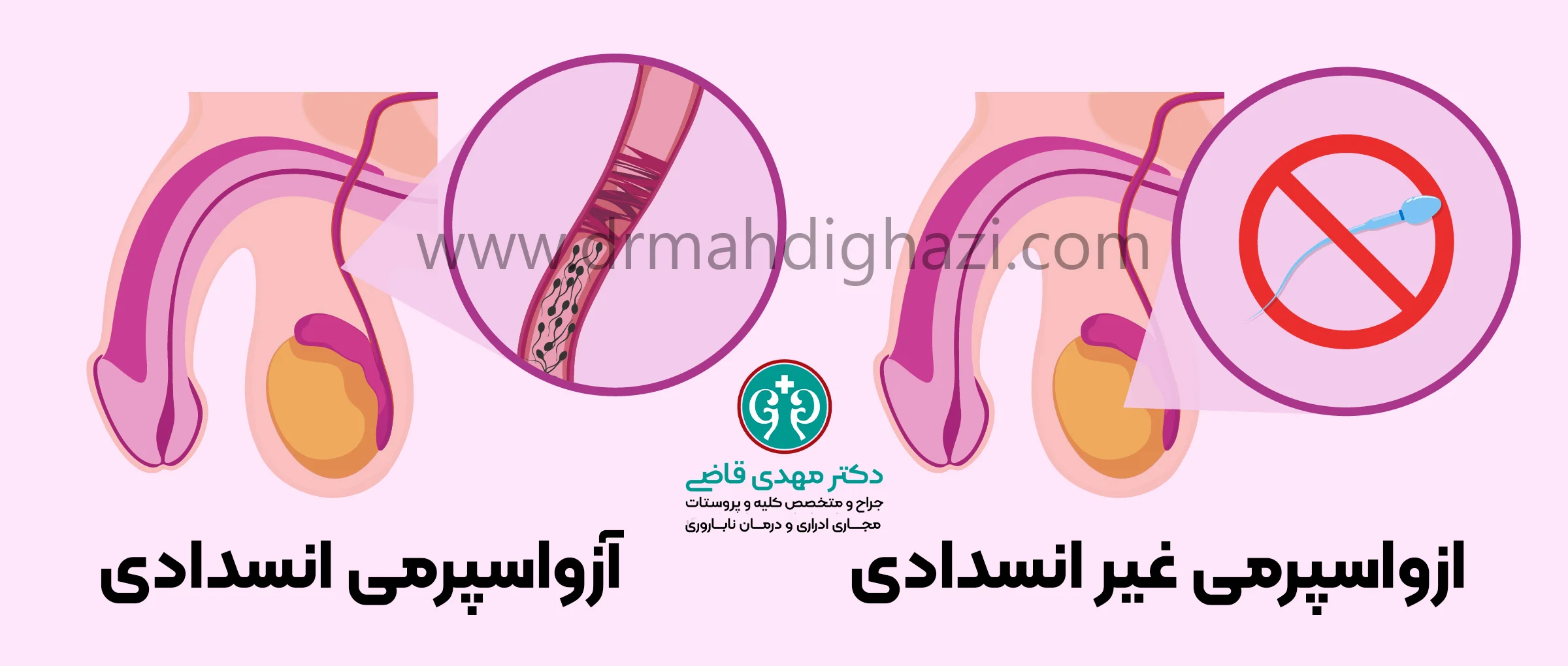
When sperm transfer routes are blocked, sperm cannot reach the urinary tract from the testicles.
They are non-constitutional.
Sperm production in testicles has been reduced or stopped due to problems such as testicle failure, hormonal disorders or genetic factors.
Olguidami (Oligospermia):
This occurs when sperm count is less than normal. This can be due to genetic factors, hormonal problems, varicocele, or infections.
structural disorders of sperm.
Tributtamim. (Teratozoospermia):
In this case, a large percentage of sperms have abnormal shape. This can reduce sperm’s ability to penetrate the egg and fertility.
Adenosate. (Asthenozoospermia):
This occurs when sperm movements are weak or abnormal. Sperm that cannot move cannot reach the egg and fertilize it.
External factors affecting sperm disorders
Environmental factors:
Contacting toxic chemicals, rays, air pollution, and high temperatures can negatively affect sperm production and quality.
Lifestyle factors.:
High intake of alcohol, tobacco, drugs, and malnutrition can lead to reduced sperm quality and infertility.
Infections and illnesses.:
sexually transmitted diseases, oron, and other infections can damage testicle tissue and disrupt sperm production.
Hormonal disorders:
Gender hormone imbalances, such as testosterone, LH, and FSH, can affect sperm production.
And the smears, and
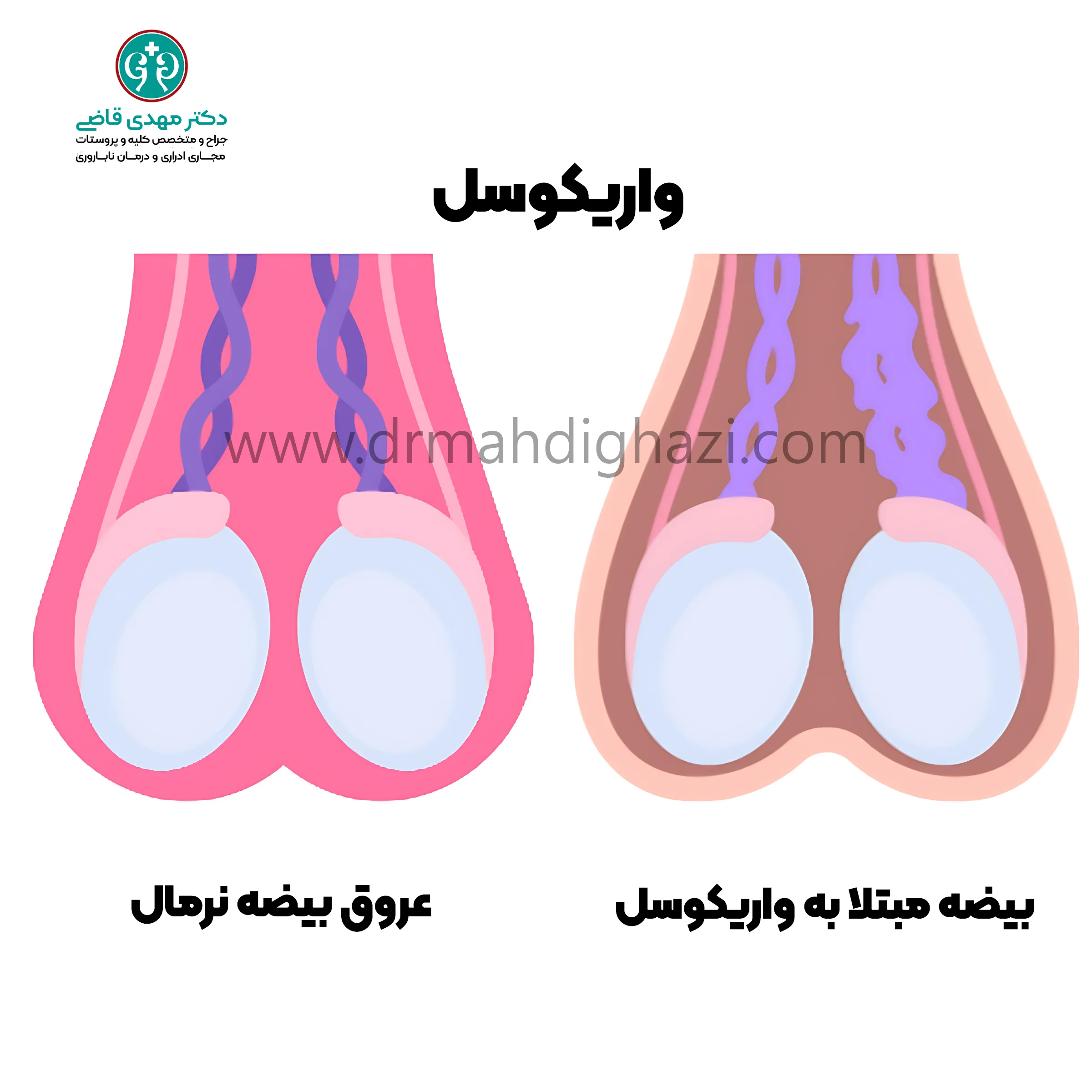
Varicocele is one of the most common causes of infertility in men, which is referred to as the distillation of Pampinform network veins in the labum.
This is similar to varicose in the legs and can reduce sperm quality and infertility over time.
Causes and mechanisms of Varikoele
Varicoles occurs due to defects in the function of intravenous valves. This deficiency leads to the return of blood to testicle veins, which causes blood accumulation and increased testicle temperature.
Increased temperature leads to the destruction of spermicatomical cells (the sperm manufacturer) and the reduction of sperm quality.
Also, variccoles may reduce oxygenization and accumulate metabolic waste in testicular tissue, which in turn impairs sperm function.
Signs of variccoele
Many men with variccoles have no symptoms and discover their problem only when they are looking for infertility.
However, some common symptoms of varicocele are:
Pain or heavy sensation in the scrumum.
swelling or touchable nodes in the scrotum.
Reduce the size of the testicles.
Disorders in sperm production and reduced sperm quality.
The impact of the jihad.
Varicoles can affect infertility in several ways:
Reduced sperm count.: varicose can reduce sperm production.
Reduced sperm movement.Viaricocell can affect sperm's ability to move, and sperms can't reach the egg.
Increased abnormal sperm.: Varicocell can lead to an increase in percentage of abnormal sperm.
And the stagger and the
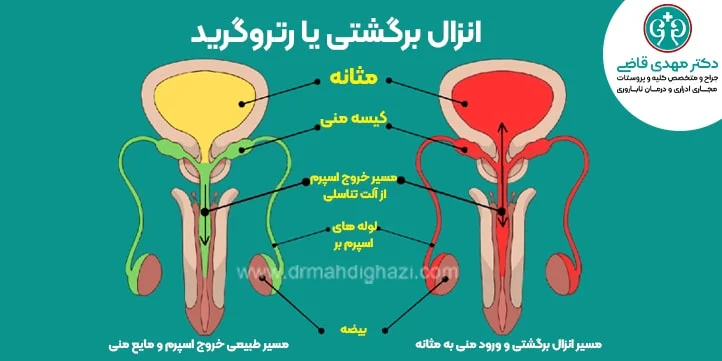
Retrograde Ejaculation(i) A ejaculation disorder where my fluid returns to the bladder instead of leaving the penis.
This condition occurs when the bladder neck muscles are not properly contracted and causes semen to be directed to the wrong path.
Causes of the Rapture
Ricide ejaculation can occur for different reasons, including:
Nerve damage.: Nerve damage caused by diabetes, prostate or bladder surgery, or neurological diseases can cause impairment in bladder neck muscles.
Drugs.: Some antidepressants, blood pressure, or certain medications that are used for large prostate treatment can cause dystrotic ejaculation.
Previous surgeries: Surgery related to the penis or urinary system can lead to this disorder.
Rhroperide ejaculation can directly affect male reproductive abilities. In this situation, a small number of sperms (or none) have the ability to get out of the male body and reach the egg to believe it, so men who ejaculate may face difficulties trying to have children.
signs of robbing.
decrease or lack of semen.: The main sign of this disorder is the severe reduction of semen volume or its complete absence during ejaculation.
The urine after ejaculation.: Because my fluid returns to the bladder, the urine after ejaculation may be coder.
Rhroperide ejaculation is one of the causes of infertility in men that requires attention and management to increase the chances of fertility.
Immunity of Men
Immunic infertility in men refers to a situation where the immune system reacts against sperm and identifies and attacks them as external factors.
This can lead to reduced sperm’s ability in egg fertility.
Causes of immunological infertility
Anti sperm antibody. (ASA):
Some men’s bodies produce antibodies that connect to sperm levels and disrupt their function. These antibodies can reduce sperm mobility, prevent their influence on cervical mucus or prevent sperm from joining the egg.
Physical damage.:
Testicle surgery, infections or physical damage can lead to sperm intrusion into the bloodstream and stimulate the immune system to produce anti- sperm antibodies.
My own disorders.:
Some autoimmune disorders can also produce anti- sperm antibodies.
Effect of infertility
Reduced sperm mobility.: Antibodys can reduce sperm movement and prevent them from reaching the egg.
Blocking sperm routes.: Antibodys can block sperm routes and prevent them from crossing.
Disorder in fertilization: antibodies can prevent sperm from joining the egg.
Immunioid infertility can affect male reproductive ability and requires careful consideration to find appropriate strategies for managing this problem.
And they have to do it.
Obstructive Azoospermia is one of the types of male infertility where there is no sperm in semen due to blockage in sperm transfer routes. This is contrary to the non-invented Azevasium, where the problem is in producing sperm in the testicles, due to the difficulty of transferring sperm.
The causes of the affidavit.
Birth defects.:
Some men are born with congenital blockages in the bathtub (a tube that transmits sperm from the testicles to the ejaculation duct) or epistem (a tube in which sperm is stored and matured).
infections.:
genital infections, such as epidemmit or Erkit, can damage tissues and cause blockages.
Previous surgeries.:
Some surgeries related to the genital or urinary system, such as prostate surgery or testicles, can cause damage to vegans or other parts of the sperm transfer path and cause blockages.
Physical damage.:
Direct beats or injuries to testicles or genitals can result in inhibition of sperm pathways.
cysts or tumors:
The presence of cysts or tumors in the genital tract can block sperm transfer routes.
Effect of infertility
In a obstructive atrophy, because sperm cannot be ejaculated from the testicles, sperm count is zero in semen. If medical intervention fails, this condition can completely disrupt the man’s belief ability.
Signs of affidavit
There is no sperm in semen.: The main sign of obstructive atrophy is the lack of sperm in semen.
Normal volume of my fluid.: Unlike some other causes of infertility, the inhibition of semen volume is usually normal.
Lack of visible physical symptoms: Many men with a obstructive astrocyte have no visible physical sign, and their problem is only determined by semen testing.
A obstructive aerosolemia is one of the most common causes of infertility in men, which requires careful consideration and consideration to find appropriate solutions to its management and treatment.
Male infertility due to hormonal disorder
Hormonal disorders are one of the most common causes of infertility in men. Hormones play a vital role in sperm production and function, and any imbalance at hormone levels can lead to reproductive problems.
Key hormones in male fertility
Testosterone testosterone:
Testosterone is the main male hormone produced by testicles and is essential for sperm production. Low testosterone levels can reduce sperm production and infertility.
The follicular hormone. (FSH):
FSH is discharged from the pituitary gland and is essential to stimulate sperm production in testicles. Deficiency in FSH production or function can lead to reduced sperm production.
hormone lutein (LH):
LH is also released from the pituitary gland and stimulates testosterone production in the testicles. Reducing LH levels can reduce testosterone and thus reduce sperm production.
Prolactin:
Prolactin is another hormone from the pituitary gland’s hormone that can disrupt testosterone and sperm production at high levels.
Causes of hormonal disorders
Disorders of the pituitary gland:
Tumors or other pituitary gland disorders can disrupt FSH and LH production, which reduces sperm and testosterone production.
Claire's syndrome.:
This genetic disorder produces abnormal sex hormones and can lead to infertility.
Stress and lifestyle.:
Chronic stress, obesity, and malnutrition can affect hormonal levels and lead to infertility.
Chronic Diseases:
Diseases such as diabetes, kidney failure, and thyroid disorders can cause hormonal imbalances.
Effect of infertility
Hormonal disorders can greatly affect sperm production and function.
Reducing sperm count, reducing sperm mobility, and increasing abnormal sperm can be the result of hormonal disorders.
Also, these disorders can negatively affect semen quality and reduce fertility chances.
chromosomal disorders and male infertility.
chromosomal disorders are one of the most important causes of infertility in men. These disorders can lead to structural or numerical changes in chromosomes that negatively affect sperm production and function.
Types of chromosome disorders
Claire's syndrome. (XXY):
This disorder occurs when men have an extra X chromosome (47,XXY). This condition reduces testosterone and sperm production. Men with clin Fletcher syndrome usually have small testicles and reduce facial and body hair growth, and infertility problems from other people with these syndromes.
chromosomal mosaics.:
In this case, some body cells have an abnormal number or structure of chromosomes, while the rest of the cells are normal. This can lead to infertility because abnormal cells may influence sperm production.
structural defects of the chromosome.:
These disorders include displacement, removal, or repeat chromosomes. Structural defects can lead to abnormal sperm production or decrease sperm count.
Di George's syndrome.deletion 22q11.2 )
This genetic disorder caused by the removal of part of chromosome 22 can be associated with problems in sperm production and infertility.
Effect of chromosome disorders on infertility
chromosomal disorders can affect fertility in several ways:
Reduced sperm count.: Some chromosome disorders reduce sperm count in semen.
Increased abnormal sperm.: chromosomal disorders can produce sperm with abnormal shape or structure that are unable to fertilize the egg.
impairment in cell division.: chromosomal problems can disrupt the process of cell division that is essential for sperm production.
chromosomal disorders are an important factor in male infertility that can have extensive effects on reproductive ability.
Effect of medications on male infertility
Different medications can have significant effects on male fertility. These effects can appear directly or indirectly through changes in production, quality, and sperm mobility.
Types of medications and their effects.
Taking certain medications can temporarily or permanently affect male fertility. These effects may include reducing sperm count, reducing sperm mobility, increasing abnormal sperm, and forms in sexual function. Men who intend to conceive should consult a doctor to minimize the potential risks of fertility.
chemotherapy drugs:
Chemotherapy medications used to treat cancer can damage spermgenic cells in the testicles and reduce sperm production. These medications usually disrupt sperm production temporarily or permanently.
anabolic steroids.:
Using anabolic steroids to increase muscle mass can reduce the production of natural sex hormones such as testosterone, leading to reduced sperm production and shrink testicles.
Anticipation and anti-inflammatory drugs:
Some antidepressants and antidepressants can negatively affect male sexual function and fertility. These medications may reduce sexual desire, ejaculation problems, and reduce sperm quality.
Anti blood pressure medications:
Some medications used to control high blood pressure, especially beta-blockers, can cause sexual disorders and reduce sperm production.
Anticonspiracy Drugs:
Drugs used for seizure control and epilepsy can affect the levels of sexual hormones and lead to reduced sperm production and reproductive problems.
And the gardens of magic.:
Long-term consumption of strong housings such as morphine and codeine can reduce testosterone levels and negatively affect sperm production.
Physical examinations and examinations for male infertility review
To examine male infertility, a comprehensive approach involves an accurate present description and physical examination.
This approach helps the doctor identify possible causes of infertility and formulate a proper treatment plan.
The present description.
Medical history.
The doctor will first examine the medical history of the patient. This history includes a history of chronic diseases (such as diabetes, high blood pressure), previous surgeries, especially in the genital or hip area, past infections (such as Orion), and drug use.
Sexual history.
In this section, information about sexual activity, possible sexual problems (such as erectile dysfunction or ejaculation), and the number and duration of unsuccessful attempts for pregnancy are collected. This information can help the doctor identify physical or psychological problems.
Family history.
A review of infertility history or genetic diseases in the patient’s family is also important. A family history of infertility can indicate the possibility of genetic factors in infertility.
Job and environmental history.
The patient is examined in terms of occupational stress and exposure to harmful environmental factors (such as chemicals or high temperatures). These factors can negatively affect sperm production and quality.
habits and lifestyle.
A doctor will examine lifestyle habits such as alcohol, cigarettes and drugs, nutrition, and patient physical activity. These factors can have a direct impact on a person’s reproductive ability.
Physical examination.
General examination.
By reviewing the general condition of the patient, the doctor will look for symptoms of systemic diseases that may affect fertility. The examination involves investigating symptoms of hypothyroidism, diabetes, or other chronic diseases.
examination of the penis.
The physical examination of the genital area is done to examine any anatomical abnormalities. The doctor evaluates the size and consistency of the testicles, the existence of (the vacancle), and the condition of the vascular and epidemic. Any swelling, mass, or apparent abnormalities can be a sign of infertility.
prostate examination.
Digital rectal examination (probability of prostate finger through the anal) is done to evaluate the prostate. Big prostate. Or the presence of abnormal masses can affect fertility.
Tests for male infertility
Male infertility can be caused by various factors that include hormonal, genetic, infectious, etc. problems. To accurately diagnose these causes, different types of tests are performed. These tests help doctors identify major problems and develop a proper treatment plan.
Analysis of semen.
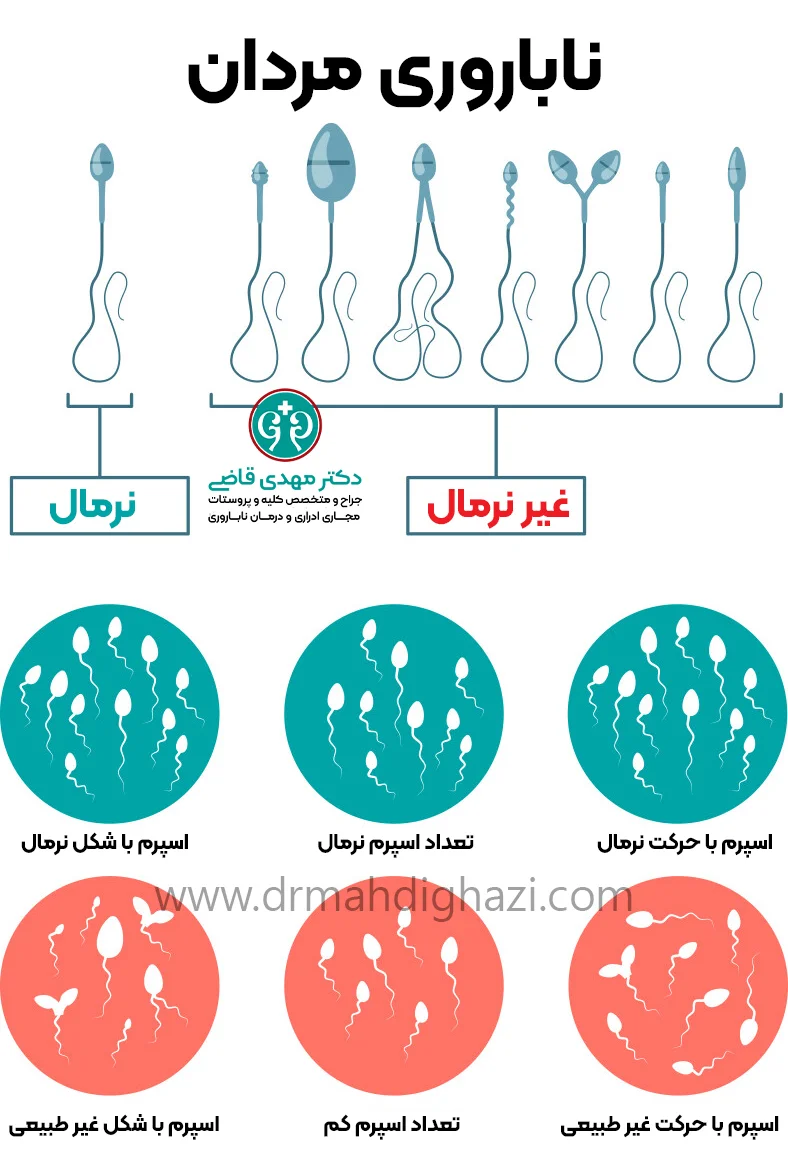
Analysis of semen. The first and most important test for male infertility assessment. This test involves collecting my sample and checking it under a microscope. The parameters that are evaluated in this test include:
Number of sperm.: Check the number of sperm in every milligram.
Moving sperm.: Evaluation of sperm movement and determine the percentage of sperm that have a forward-moving movement.
sperm shape.: Examining sperm morphology and determining the percentage of sperm that have normal shape.
My size.: measure of my total size.
pH: Check the level of acidity or the alkalineness of semen.
sperm concentration.: Evaluation of sperm concentrations in sample.
These tests can identify problems such as agyasidemia (low sperm count), astanasemia (low sperm movement) and triatosis (unnatural sperm).
Sperm Performance Tests
These tests are used to examine sperm’s ability to penetrate and fertilize eggs. Among these tests:
Test of sperm penetration.
Examining sperm's ability to penetrate hyaluronic gel or laboratory eggs.
Hemagglutination Test)
In this test, sperm are bonded with one another, and if homoglotin levels are high, it may indicate problems in sperm function.
Hormonal tests.
Analysis of hormones is very important for diagnosing hormonal problems that can affect sperm production and function. Hormonal tests usually involve measuring the levels of the following hormones:
Testosterone testosterone: The main male sex hormone that affects sperm production.
The stimulating follicle. (FSH): The hormone that stimulates sperm production.
lutein. (LH): The hormone that stimulates testosterone production.
Prolactin: Increasing levels of this hormone can be a sign of pituitary gland problems.
thyroid hormones.: Thyroid disorders can affect fertility.
Genetic tests.
Some male infertility problems can be caused by genetic abnormalities. Genetic tests include:
Carata.: Examining chromosomes to identify chromosome abnormalities such as clin Fletcher syndrome.
Test of micro-division chromosome Y: A review of small deletions in Y chromosomes that can affect sperm production.
Test of test. CFTR: A review of the CFTR gene mutations that can be associated with blocking my channels.
Safety tests.
Anti sperm antibodies in the body can be one of the reasons for infertility. These antibodies can attack sperm and prevent their movement or reproductive ability. Safety tests are done to identify these antibodies.
infectious tests.
genital infections can lead to infertility. infectious tests include:
urine test.: Check the presence of bacteria or other infectious factors.
Killed me.: Identifying bacterial infections in me.
Imaging measures to examine male infertility problems
Imaging is an important tool in detecting male infertility causes.
Various imaging methods such as trans-recession ultrasound, scramic ultrasound, Dappler ultrasound, MRI, and typography can identify structural abnormalities and functional problems in male genitals.
Choosing the right imaging method is determined by the clinical conditions of the patient and the type of anomalies, and can help to identify more accurately and treat infertility problems more effectively.
Trans-Real Ultrasound (TRUS)
Trans-Realography It is a noninvasive imaging method that can be seen by the internal structures of the male reproductive device such as the prostate, my bags and ejaculation ducts.
This procedure is particularly effective in detecting the blockage of ejaculation ducts and the presence of cysts or prostate masses.
Using a small probe that enters rectum, high-resolution images of the genital area can help identify structural abnormalities.
A sculptor.
A sculptor. A common method for evaluating testicle and epistle abnormalities. This method can be problems such as varicocele, hydrocele.Identify spermatoceele, tumors and testicle inflammation. In this method, audio waves are used to create images from inside the testicles that can provide accurate information about the size, shape and structure of the testicles.
Doppler's sonogram
Doppler's sonogram A particular type of ultrasound is used to evaluate blood flow in arteries. In examining male infertility, this method is used to diagnose varicocele, which is one of the most common causes of infertility.
Varicoles are told of swelling of scrotums that can negatively affect sperm production and quality. Doppler ultrasound can show abnormal blood flow in testicle veins.
Magnetic resonance imaging (MRI)
MRI An advanced imaging method that uses magnetic fields and radio waves to create accurate images of internal organs. MRI is especially useful in cases where more information is needed than ultrasound. This method can be used to evaluate more complex structural abnormalities in the testicles, semen, and other male reproductive structures. Also, MRI can detect testicle masses and other soft tissue abnormalities with high accuracy.
And of course.
And of course. It is a radiological imaging method used to evaluate my blocking.
In this method, a heterogeneous material is injected into the ducts and then taken using X-ray images of the ducts.
These images can show the existence or absence of blockages and will determine if there is a precise location.
CT scan (CT scan)
CT scans. Or computer tomography is another imaging method used in certain cases. This method can create accurate cross-sectional images of the internal structures of the body and is used to evaluate more complex abnormalities that are not recognizable in other ways.
Although typically CT scans are not used for an initial evaluation of male infertility, it may be useful in cases where the need for more accurate internal structures.
biopsy and sampling to investigate the cause of infertility in men
A testicle. One of the most important and effective ways to explore the cause of infertility in men.
It is especially useful when other tests such as semen analysis and hormonal tests fail to determine the exact cause of infertility.
A testicle biopsy is performed in two main ways: an open biopsy (substantial anesthesia or general anesthesia) and a biopsy with needles (FNA)
Open biopsy (Surgical Biopsy)
In an open biopsy, a small cut is created on the testicle skin and a small piece of testicular tissue is removed for microscopic examination.
This procedure is usually done in the operating room under local anesthesia or general anesthesia.
Open biopsy allows doctors to directly observe and sample testicle tissue, which can provide accurate information about sperm production and testicular tissue status.
FNA – Fine Pulse Aspiration
In this method, a thin needle enters the testicle to collect a small sample of the tissues or cells of the testicle for microscopic examination.
A needle biopsy is a less invasive procedure and is usually done under a topical numbness in the doctor’s office.
This procedure is faster and less pain than an open biopsy, but it may provide less information.
Importance of a testicle.
A testicle. It is used to diagnose different problems, including:
And they are sorry.: To identify whether there is a problem in sperm production (non-enforcement) or inhibition on the path of sperm transfer (blocking inhibitor).
Health assessment of testicles.: To identify problems such as infection, tumors, or structural abnormalities.
Analysis of sperm obtained.: In cases where sperm is not found in semen, a biopsy is used to directly extract sperm from testicular tissue, which can be used in reproductive assistance methods (ART) such as IVF It works.
Treatment of male infertility
To treat male infertility, it is necessary to identify the main cause and then use different medicinal methods, surgery and reproductive assistance appropriate treatment.
We continue to describe the treatments available for male infertility.
Indulging from dry ejaculation and treatment.
Dry ejaculation is one of the most important issues in male sexual and reproductive health. Dry ejaculation is said to a situation where men do not remove semen from their body during orgasm or a very small amount of it is repelled.
This problem can occur for several reasons, one of the most common is to ejaculate.
In this case, semen returns to the bladder instead of leaving the urinary tract. Dry and dry, They can cause infertility because sperm does not walk outside the body and affect reproductive ability.
In order to treat infertility caused by dry ejaculation and retrovert ejaculation, the main cause of this problem must first be diagnosed.
Depending on the cause, different treatments may be used:
Medical treatment.:
Alpha-AadnergyMedications such as Finderin, profitorin, or fensine can help strengthen bladder muscle contractions and prevent me from returning to the bladder. These medications are usually prescribed for treatment of retrovert ejaculation.
Hormonal medicationsIf hormonal deficiency, testosterone or other hormones can help improve semen production and ejaculation.
surgical treatment.:
Reforming Anatomy ProblemsIf there are structural problems, surgery can help improve ejaculation and withdrawal of semen.
Rebuilding the urinary tract.In cases where there is blockage or damage in the urinary tract, surgery can be helpful.
Extract my fluid from the bladder.:
In cases of retroverting, semen can be extracted from urine. This process involves urinating after ejaculation and separating sperm from urine fluid.
The extracted sperms can be used for reproductive assistance methods such as IUI (the intrauteronomy of sperm uterus) or IVF (the laboratory potential).
Psychological treatments.:
Consulting and PsychotherapyIn cases where dry ejaculation occurs due to psychological problems, counseling with psychologist or sexologist can help.
Stress reduction techniquesStress and anxiety can play an important role in creating dry ejaculation. Stress reduction methods such as meditation, yoga, and breathing exercises can be helpful.
Electric ejaculation and vibrational stimulation.
electrical ejaculation. and A vibration. There are two important and practical ways to extract sperm in men who have problems with ejaculation or spinal disorders. These methods are particularly useful in cases where other methods are not successful.
Electrical ejaculation (Electroejaculation)
electrical ejaculation. It is a medical method that uses electrical stimulation to induce ejaculation. This method is mainly used in men who are unable to ejaculate due to spinal injury or neurological problems.
Steps to electrical ejaculation:
Ready and insensitive.: Patients are usually placed under local or public numbness.
Putting electrical probes.: A special electric probe enters the patient’s rectum.
electrical stimulation.: Low voltage electrical currents apply to the prostate and surrounding structures, leading to muscle contractions and eventually ejaculation.
Gathering sperm.: The semen obtained through ejaculation is collected for evaluation and use in fertility assistance methods.
applications.:
Men with spinal injury.
Men with ejaculation disorders caused by nerve problems
A vibrational stimulation (Vibroejaculation)
A vibration. A noninvasive method for induction is ejaculation that uses mechanical vibrations to stimulate sensory nerves in the genital area. This method also applies to men who suffer from spinal injury or ejaculation problems.
The steps of the reaction.:
Selecting the vibration machine.: A special vibration machine is chosen that can generate high frequency vibrations.
Put the device.: A vibration device to the sensitive genital area is usually applied to the penis head.
A vibration.: The device creates vibrations for a few minutes, leading to stimulation of sensory nerves and eventually ejaculation.
Gathering sperm.: The collected semen is used for evaluation and use in fertility assistance methods.
Treatment of infection and infertility caused by it.
A genital infection rarely leads to infertility, and the problem is found only about two out of 100 men with reproductive problems. However, in cases where infection occurs, it can have serious effects on fertility and requires appropriate treatment.
Identification of genital infection.
The problem with genital infection is often diagnosed through semen testing. In this test, the presence of white blood cells in semen can be a sign of infection. A severe epidium infection and testicles may cause small testicles and epidicular blockages that can lead to infertility. In addition to infection, inflammation caused by causes other than infection can also affect fertility. For example, Chronic prostate.In rare cases, it can block ejaculation.
Treatment of genital infection
Medical treatment.:
AntibioticsTo treat bacterial infections, appropriate antibiotics are prescribed. These medications help reduce inflammation and relieve infection.
Anti-inflammatory drugsTo reduce inflammation and pain, non-steroidal anti-inflammatory drugs may be prescribed.
infertility treatment by hyperprolactinemia in men
Hyperprolactinemia occurs when the pituitary gland produces too much prolactin hormone (the lactine hormone).
This can lead to infertility and erectile dysfunction in men. Treatment of this problem depends on the rise of prolactin levels.
Causes of hyperprolactinemia
pituitary tumorsProlactinoma (benign in the pituitary gland) is the most common cause of hyperprolactinemia.
Drugs.Taking certain medications such as antidepressants, antipsychotic and anti- nausea can increase prolactin levels.
thyroid disease.Hypothyroidism can lead to increased prolactin levels.
Hyperprolactinemia symptoms in men
Infertility.Reduce sperm production and its quality
disorder.Problems in maintaining or creating an erection
Reduced sexual desire.Reduce sexual desire and reduce testosterone production
Medical procedures.
Hyperprolactinemia treatments depend on why:
Medical treatment.:
The dopamine attacks.Medications such as broccolitin and Cochrane can reduce prolactin production. These medications effectively lower prolactin levels and can help restore erection and fertility.
Treatment of pituitary tumors:
Medical treatment.If the causes of pituitary tumor hyperprolactinemia are the cause of pituitary tumor, treatment with dopamine agonist medications can shrink the tumor and reduce prolactin production.
Surgery.If the tumor is large or does not respond to medication, surgery may be necessary to remove the tumor.
Treatment of field diseases:
A little bit of shit.If hypothyroidism causes hyperprolactinemia, treatment with thyroid hormones can normalize prolactin levels.
Treatment of male infertility due to hypogliaism
Hypognoidism occurs when the testicles do not make sperm due to poor stimulation by pituitary hormones. This is due to defects in the pituitary or the hypothalamus, and can occur from birth or acquired.
The birth form of this disease, as Colman syndrome. It is also known, due to lower levels of GnRH free hormone.
GnRH is a hormone produced by the hypothalamus and stimulates the pituitary for the secretion of Gndotropin (LH and FSH). The acquired form of this disease can be caused by various factors such as pituitary tumors, head-to-head, or anabolic steroids.
Diagnosis of hypogliaism of hypothropdotropin
To diagnose hypoglyphidism hypoglydotropin, a doctor usually performs MRI to get a picture of the pituitary gland and identify any other tumor or abnormality.
Also, blood tests are performed to examine prolactin levels, MRI and blood tests can jointly evaluate pituitary tumors.
If there is a high level of prolactin but not a tumor in the pituitary gland, the doctor may first try to reduce prolactin with medication.
Medical procedures.
Reduced prolactin with medication:
If prolactin levels are high, but there is no tumor, the doctor will use prolactin-lowering medications like broccoli or cadrelin. These medications can normalize prolactin levels and improve pituitary function.
Alternative treatment of Gadotropin:
If the reduction of prolactin levels is not adequate or the cause of hypoglyphidism is directly related to Gadotropin deficiency, the alternative treatment of Gadotropin is performed. This treatment includes regular LH and FSH injections that help stimulate sperm production in testicles.
During this treatment, the doctor will examine the blood testosterone levels and semen quality regularly to ensure that treatment is effective.
Treatment of pituitary tumors:
If the cause of pituitary tumor hypogliaism is the cause of pituitary tumor, in addition to medication, there may be a need for surgery to remove the tumor.
Results and follow-up
The treatment of hypoggenadism is generally successful and the chances of relapse are very good. Sperm from this treatment are normal and there is natural pregnancy.
With regular follow-up and examination of the results of treatment, the doctor pays careful regulation of the necessary medications and care to get the best results for the patient.
Men's infertility therapy methods with genetic problems
Men’s infertility treatment with genetic problems requires specific and advanced methods due to the inherent complexities of these problems.
Some men are born with genetic diseases that can be new (non-family history) or inherited.
For example, clinfre syndrome where there is an extra chromosome, or Y chromosomes that cause loss of part of the genetic tissue.
Genetic conditions can also affect sperm carrier growth, and as a result, sperm transport pipes may not be formed.
Use of Fertility Help Methods (ART)
One of the main ways to treat male infertility with genetic problems, use genetic problems. Fertility aid techniques. It is. These techniques include:
In the womb, (IUI)In this method, sperm are washed and relaxed and then injected directly into the female uterus.
See the outside of the womb. (IVF)Sperm and eggs are combined in the laboratory environment and are transferred to the female uterus after the birth is formed.
injecting sperm into cytokines. (ICSI)This is especially useful for men who have low sperm count or low-quality sperm. In this method, a sperm is injected directly into the egg.
Genetic recognition before implantation (PGD)
For men who have known genetic problems, using PGD can help prevent genetic problems from spreading to the next generation.
In this method, embryos are examined before moving to the uterus in terms of genetic abnormalities.
Hormonal treatments.
In some cases, hormonal treatments can help improve sperm production and quality. These treatments are usually useful for men who have hormonal imbalances.
Use of donated sperm.
In cases where sperm production is severely disrupted or sperm produced have serious genetic problems, the use of donated sperm can be an appropriate option. This method is especially used in cases where other methods are not successful.
Genetic counseling.
Genetic counseling is very important for couples who face infertility genetic problems. This advice helps to better understand the type of genetic problem, the risk of transition to the next generation and the choice of the best treatment methods.
Treatment of male infertility surgery
Male infertility can be caused by different factors, and in some cases, surgery can help improve or fix these problems.
Men’s infertility surgery treatments mainly focus on correcting structural and obstruction problems. In addition, we examine some of the most important surgical procedures for treating male infertility:
Treatment of variccoele
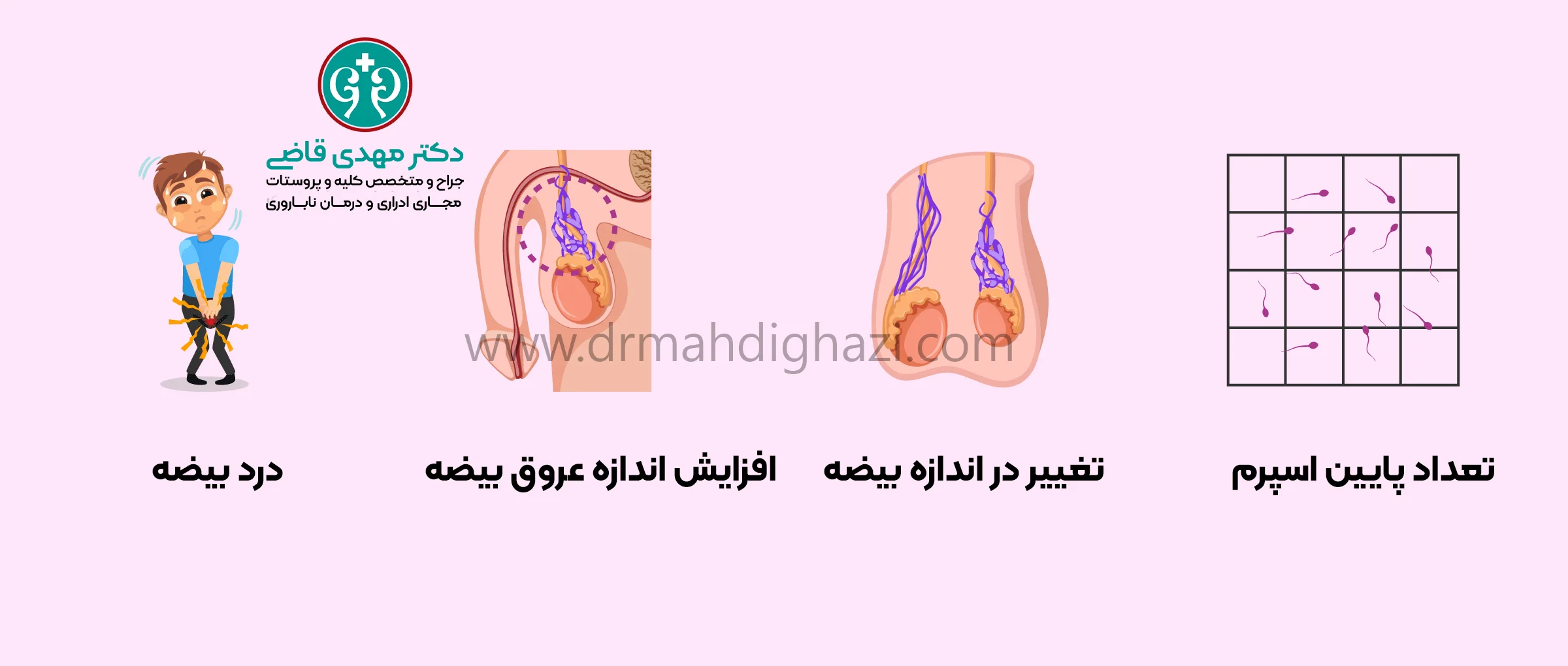
varicose, swollen veins in the test bag, is one of the most common causes of male infertility. This problem can be caused by a partial outpatient surgery called a surgery. varicoseectomy He resolved. This surgery helps the movement, number and structure of sperm.
During this surgery, swollen veins are blocked and blood flow returns to normal, which can have a positive impact on sperm production.
Treatment of Azevaperami
Azovasidemia refers to the lack of sperm in semen and can be due to blockages or problems of sperm production.
There are several surgical options to treat asbestosidemia:
Take the block.If he is caused by blockage, he can remove the blockage by surgery so that sperm can walk to me.
sample of the testicle.In men with low sperm production, surgery can extract sperm directly from the testicle and freeze them. These sperms are used in the future for artificial fertilization.
Vazo-Waztomy Microseric
Vazio-Waztomy Microseric or re-opening pipes is a surgical procedure for men who have previously been sterilized (and vasectomy). In this way, using micro-crackers, two parts of the cut duct are connected to each other in every testicle. This surgery can restore sperm flow to normal and restore the possibility of fertility.
Incision of the evaluative tract through the angular (TURED)
In cases where the ejaculation is blocked, Then, in the form of a straight path. (TURED) It can help fix the blockage.
In this way, one. Sisoscope. It passes through the urinary tract and creates a small cut in the ejaculation duct.
This cut causes sperm to enter my fluid and help improve fertility.
Reformation of urinary tracts
Some men may have congenital deviations in the urinary tract that cause problems in sperm transfer.
Modifying these surgical diversions can help improve fertility.
Vasto – Epistemmy
Vasto – Epistemmy It is a surgical procedure used to open the blockage between the vaspers (the sperm mutation) and epidem (a small factor that transports sperm from the testicles).
This is a useful way for men who have a blockage.
Treatment of the causes of osteopatial male infertility
Sometimes identifying the cause of male infertility is associated with many challenges. In cases where infertility is not specified, this is known as male infertility “ideopathy”.
In such cases, physiologists may use their experience and knowledge to find appropriate therapeutic methods.
This technique is called experimental therapy.
Men’s reproductive methods (ART)
Fertility aid techniques (ART) include ways that help men and women get pregnant without having to have sex. These methods increase the chances of pregnancy for couples with infertility. Each of these methods is explained:
IUI (IUI)
In the womb, (IUI) One method of reproductive assistance is where sperm is injected directly into the female uterus through a tube. This is especially useful in the following:
Reduced sperm count.When sperm count is low in semen, this method can bring more sperm to the nearest point to the egg.
Problems of sperm movementWhen sperm do not move well and cannot reach the egg, IUI can fix this problem.
Then he turned to Rome.In this case, sperm returns to the bladder instead of leaving the penis. By collecting and washing sperm from urine, they can be used for IUI.
IUI steps include collecting sperm, washing and preparing it, and injecting into female uterus. This procedure is generally simple and less invasive and is usually done without anesthesia.
Laboratory fertilization (IVF)
Laboratory fertilization. (IVF) One of the most famous and effective methods of reproductive assistance. In this method, the female egg (or donor) and male sperm are combined in a laboratory container. The steps are:
stimulate the ovaries.To produce multiple eggs, hormonal medications are used. These medications are prescribed daily injections.
The egg harvesting.After irritation of ovaries, eggs are collected using a delicate needle of ovaries. This stage is done under light anesthesia.
egg and sperm.Eggs and sperm are combined in a controlled laboratory environment to form fertilization.
Moving the fetus.After 3 to 5 days of growth, embryos are transferred to the female uterus.
IVF can be used in women with hormonal problems, blocked pipes, osteopathy and severe male oligarchy infertility.
Infusion of sperm cytokines (ICSI)
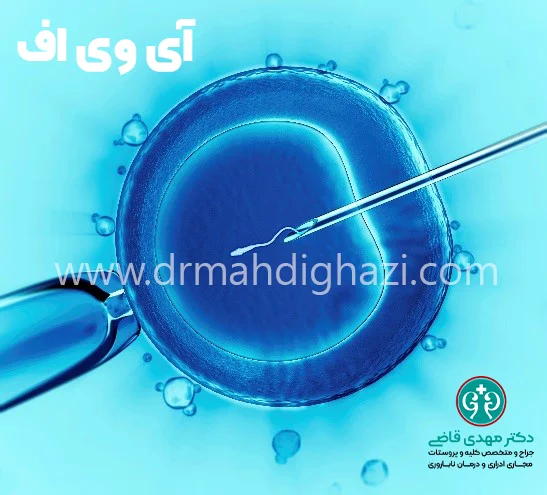
injected into sperm cytokines. (ICSI) A more advanced version of IVF. In this method, a sperm is injected directly into the egg. The steps of this procedure include:
Gathering sperm.Sperms are collected from semen, testicle or epistem.
injecting sperm into the egg.Using a very delicate needle, a sperm is injected directly into the egg.
Moving the fetus.After fertilization and growth of the fetus, they pass it to the womb of the woman.
ICSI is used for men who have very low sperm quality or sperm in semen.
Extract sperm for ART
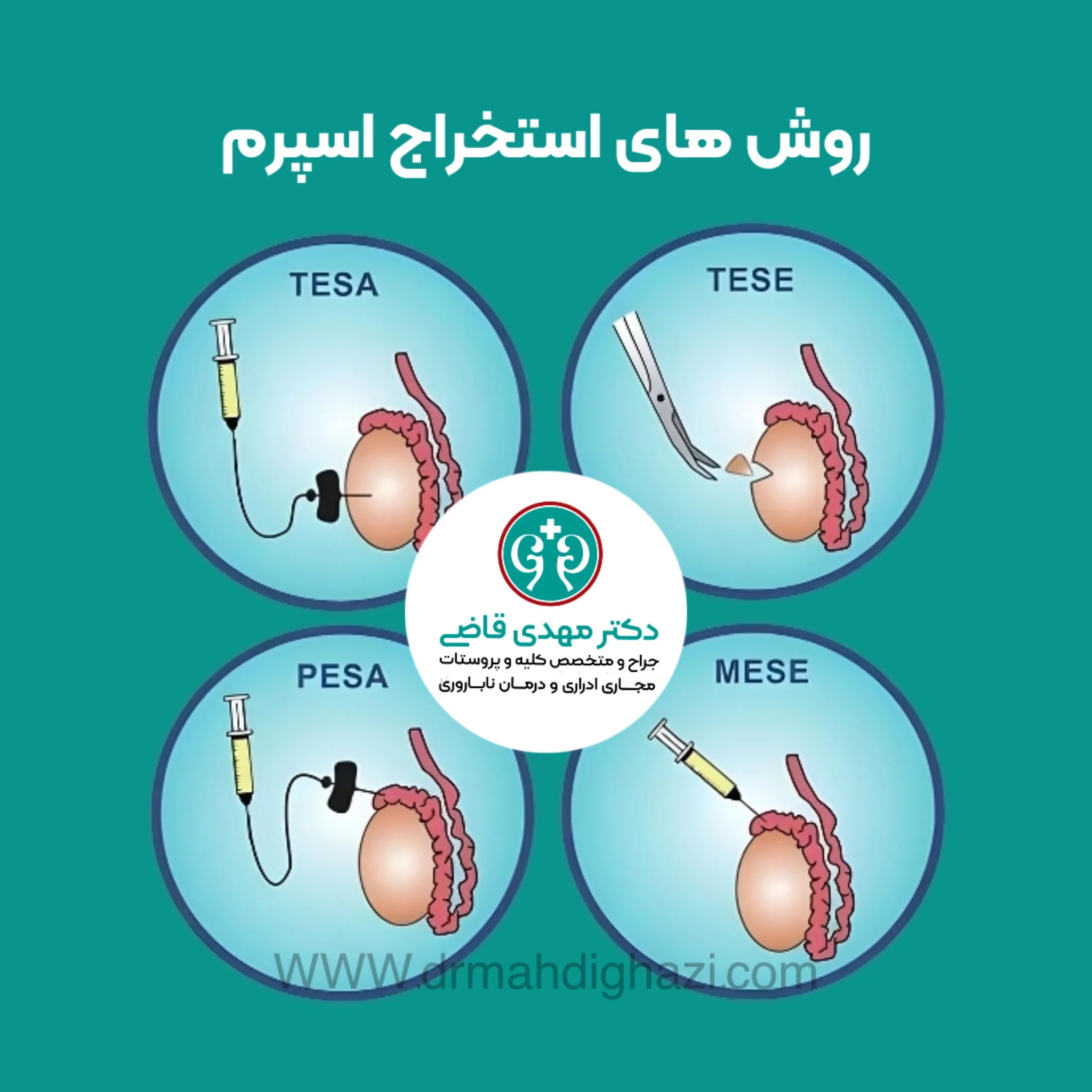
Many microhidrical methods can extract the stored sperm in obstructive amposi (the lack of sperm in semen). The aim of these methods is to obtain the best quality and number of sperm cells, while the least damage to the reproductive tract enters. These are:
Extraction of testicle sperm. (TESE)
This method is used for men who have a varicose. In this method, testicle tissue is collected through small cuts and sperms are extracted from it.
Extracted sperms can be used freshly for fertilization or frozen to be used in the future.
More advanced TESE method called TESE microTESEUsing a surgical microscope.
This microscope helps the surgeon identify the most sperm in areas and perform more accurate sampling, which increases accuracy and efficiency.
Asperation with a delicate test needle (TFNA)
This method is easier and less invasive to collect sperm from the testicle. In this procedure, the test area is placed under topical numbness, and a thin needle is inserted through the skin of the scrotum and the sperm is drawn from the testicle.
This technique was first used to diagnose Azevasemia, but it is now used to collect sperm.
Although this procedure is less invasive, the amount of sperm collected may be less than other surgical procedures.
Asperate sperm from the skin.
(PESA) In this method, sperm is extracted from epidem (small mass next to the testicle where sperm is stored). This may be done under topical or public anesthesia.
The urologist inserts the needle attached to the syringe and gently withdraws the fluid.
Sperm may not always be obtained this way, and in some cases the need for open surgery.
Asperative sperm microprocession from epistemium
(MESA) This method is more precise and specialized to extract sperm from epistem. In this procedure, the surgical microscope is used to have a more accurate view of sensitive structures and to the least damaged epistem.
MESA extracts a lot of mobile sperm that can be frozen and maintained for IVF treatment. This method is more accurate because of the use of a surgical microscope and helps maintain the natural function of epidium.
Collecting.
Male infertility as a complex and multifaceted problem can be caused by several factors that include sperm production disorders, hormonal problems, inhibiting sperm transfer routes, or immune reactions against sperm. Varicosel, a obstructive oscillism, distillation and immunological infertility are among the most important causes of male infertility, each requiring accurate diagnosis and appropriate treatment. Pay attention to clinical symptoms, conducting specialized tests and using new therapeutic methods can help increase fertility chances and improve the quality of life of these patients. A deeper understanding of the mechanisms of these disorders and pursuing further research in this field will provide new ways to manage and treat male infertility.
Common Questions
Actions & related links
Doctors for this topic in Mashhad
See all doctors: Best Male Infertility Doctors in Mashhad




About the author

Urologic Surgeon
دکتر مهدی قاضی, Urologic Surgeon in Mashhad. Articles on this site are written and reviewed under the supervision of the Urology Building's physicians.
View profile & bookRelated articles
All articlesWhat Is Polycystic Kidney Disease? (Fetal and Adult PKD)
دکتر مهدی قاضی · June 26, 2026
What Is a Renal Cortical Cyst? Symptoms, Diagnosis, and Treatment
دکتر مهدی قاضی · June 26, 2026
Kidney Transplant: Cost, Blood Type Compatibility, and Surgical Method
دکتر مهدی قاضی · June 26, 2026
What Is Pyelonephritis? Kidney Infection Symptoms, Diagnosis, and Treatment
دکتر مهدی قاضی · June 26, 2026
Comments
4 comments