 Tap to zoom
What Should You Eat to Help Prevent Kidney Stones?
Diet changes may help reduce the risk of new kidney stones, but recommendations depend on the stone type. Learn practical food, fluid, salt, calcium, and protein guidance.
- نویسنده
- دکتر مهدی قاضی
- Published on
- June 26, 2026
- Reading time
- 5 min read
- Last updated
- Updated: June 26, 2026
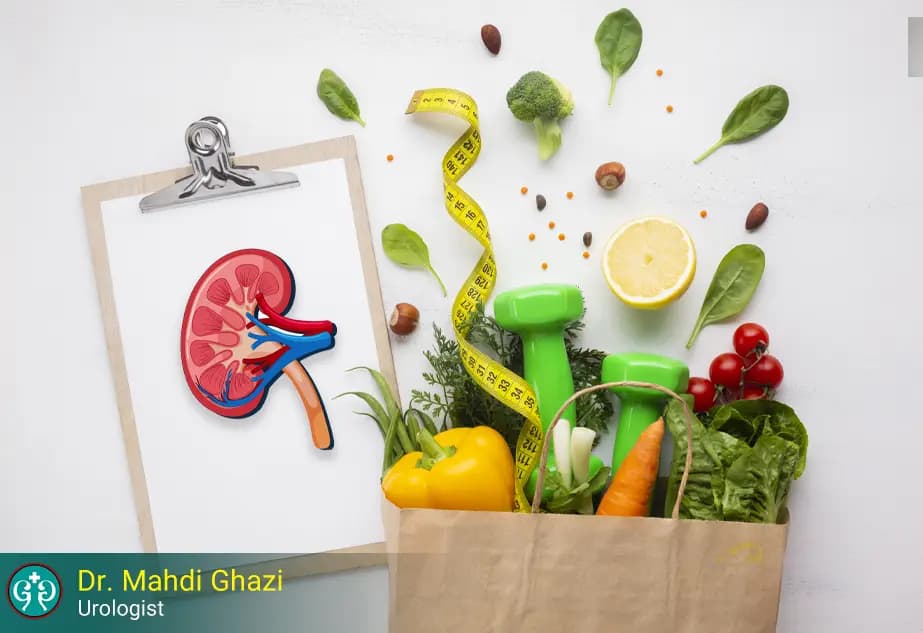
Depending on what your stones are made of, changing your diet may help reduce the chance of forming new stones. Your doctor may recommend dietary changes as part of your treatment plan.
Note: You should know that there is no single diet plan that prevents all kidney stones. Foods that are appropriate for one type of kidney stone may not be appropriate for another type. Dietary recommendations can differ based on the exact type of kidney stone.
General dietary recommendations to help prevent kidney stones

Eat healthy foods
Try to follow a healthy diet with plenty of vegetables, fruits, whole grains, and low-fat dairy products. Adding extra fruits and vegetables, especially those high in potassium, may help.
Drink plenty of fluids
Drinking more water throughout the day is one of the best ways to help reduce the risk of all types of kidney stones.
Limit salt
Limiting the amount of salt, or sodium, in your diet can also reduce the risk of kidney stones.
Some foods that are generally suitable to eat include:
Whole grains / whole-grain bread
Pasta, cereals, rice, English muffins; cooked hot cereals such as oatmeal and cream of wheat, but not instant cereals; unsalted crackers and snacks.
Fruits
Most fresh, frozen, or canned fruits packed in their own juice; unsweetened fruit juice; cherries, oranges, melon, peaches, pears, kiwi, apples, papaya, bananas, and dried fruit with no added sugar.
Vegetables
Fresh or frozen vegetables, canned vegetables with no added salt, potatoes, tomatoes, squash, bell peppers, beets, carrots, and beans.
Dairy
Low-fat or fat-free milk, yogurt, and cheese.

Protein
Good protein sources for most people with kidney stones include meat, poultry, seafood, dried beans, peas, lentils, tofu, and walnuts. Other nuts and nut butters may also be good protein choices depending on your kidney stone type.

Seasonings and other foods
Fresh or dried herbs, lemon juice, salt-free seasonings, mustard, vinegar, and hot sauce.

Fluids
Drink plenty of fluids such as water, unsweetened tea, and coffee.
The most common types of kidney stones:
Calcium oxalate stones
Calcium phosphate stones
Uric acid stones
Cystine stones
Dietary limits for specific stones:
Calcium oxalate stones: Limit foods and drinks that are high in oxalate. Examples include spinach, rhubarb, strawberries, chocolate, almonds, peanuts, walnuts, beets, tea, whole-wheat products, non-dairy animal proteins such as meat and eggs, and foods high in added sucrose and fructose, which are types of sugar. You should also avoid vitamin C or calcium supplements unless your doctor recommends them.
Uric acid stones: Limit foods that contain purines. Examples include oats, whole milk and full-fat dairy products, asparagus, spinach, and some meats, fish, and poultry.
Calcium phosphate stones: These stones are more common in women and in people with recurrent urinary tract infections. Making the urine more alkaline can worsen the formation of these stones.
Cystine stones: Drinking enough fluids, especially water, is the most important lifestyle change you can make to help prevent cystine stones.
Adults should consume less than 2300 milligrams of sodium per day. One tablespoon of table salt contains about 2325 milligrams of sodium.
If you have a history of calcium oxalate or calcium phosphate stones, it is best to follow this guidance even if you are taking medicines that help prevent kidney stones:
Many foods have a Nutrition Facts label. A food with 5% sodium or less is considered low in sodium, while a food with more than 20% sodium is considered high in sodium.
Avoid processed foods and fast foods, canned soups and vegetables, and processed meats such as cold cuts.
Look for foods labeled with terms such as: sodium-free, salt-free, very low sodium, low sodium, and similar wording.
Check Nutrition Facts labels to find ingredients that contain hidden sodium, for example:
• Sodium bicarbonate, which is the chemical name for baking soda
• Baking powder, which contains sodium bicarbonate and other chemicals
• Disodium phosphate
• Monosodium glutamate, or MSG
• Sodium alginate
• Sodium nitrate or nitrite
If you have calcium oxalate stones, calcium phosphate stones, uric acid stones, or cystine stones, you should take the following points seriously.
1_ Reduce your sodium intake; the more sodium you consume, the higher your risk of kidney stones becomes. Sodium is part of salt and is found in significant amounts in canned foods, packaged foods, and fast foods. It is also present in many spices, flavorings, and meats.
Limit your intake of animal protein, because eating animal protein increases the likelihood of kidney stone formation. Limit animal proteins such as:
Beef, chicken, and especially organ meats from these animals
Eggs
Fish and shellfish
Milk, cheese, and other dairy products
Although you may need to reduce your daily protein intake, you still need to get enough protein. We recommend replacing some of the meat and animal protein you usually eat with the following plant foods that are high in protein:
Legumes such as beans, peas, lentils, and peanuts
Soy-containing foods such as soy milk, soy nut butter, and tofu
Nuts and nut products, such as almonds and almond butter, cashews and cashew butter, walnuts and pistachios, and sunflower seeds
2_ Get the calcium your body needs from a variety of foods; although it may seem that calcium causes calcium stones, that is not necessarily true. The right amount of dietary calcium can help prevent absorption of other substances that may contribute to kidney stones. It may be better to get calcium from plant-based foods such as calcium-fortified juices, cereals, bread, certain vegetables, and some beans.
General points to note:
1_ Getting the right amount of calcium in your diet is important for bone health. However, having too much or too little calcium can lead to some types of kidney stones. Talk with your doctor or dietitian about how much calcium you should consume and whether you should take calcium or vitamin D supplements.
2_ Depending on your weight and overall health, trying to lose weight may help. Maintaining a healthy weight can help prevent kidney stones.
Actions & related links
Doctors for this topic in Mashhad
See all doctors: Best Kidney Stone Doctors in Mashhad




About the author

Urologic Surgeon
دکتر مهدی قاضی, Urologic Surgeon in Mashhad. Articles on this site are written and reviewed under the supervision of the Urology Building's physicians.
View profile & bookRelated articles
All articlesWhat Is Polycystic Kidney Disease? (Fetal and Adult PKD)
دکتر مهدی قاضی · June 26, 2026
What Is a Renal Cortical Cyst? Symptoms, Diagnosis, and Treatment
دکتر مهدی قاضی · June 26, 2026
Kidney Transplant: Cost, Blood Type Compatibility, and Surgical Method
دکتر مهدی قاضی · June 26, 2026
What Is Pyelonephritis? Kidney Infection Symptoms, Diagnosis, and Treatment
دکتر مهدی قاضی · June 26, 2026
Comments
0 comments
No comments yet. Be the first to share your thoughts.