
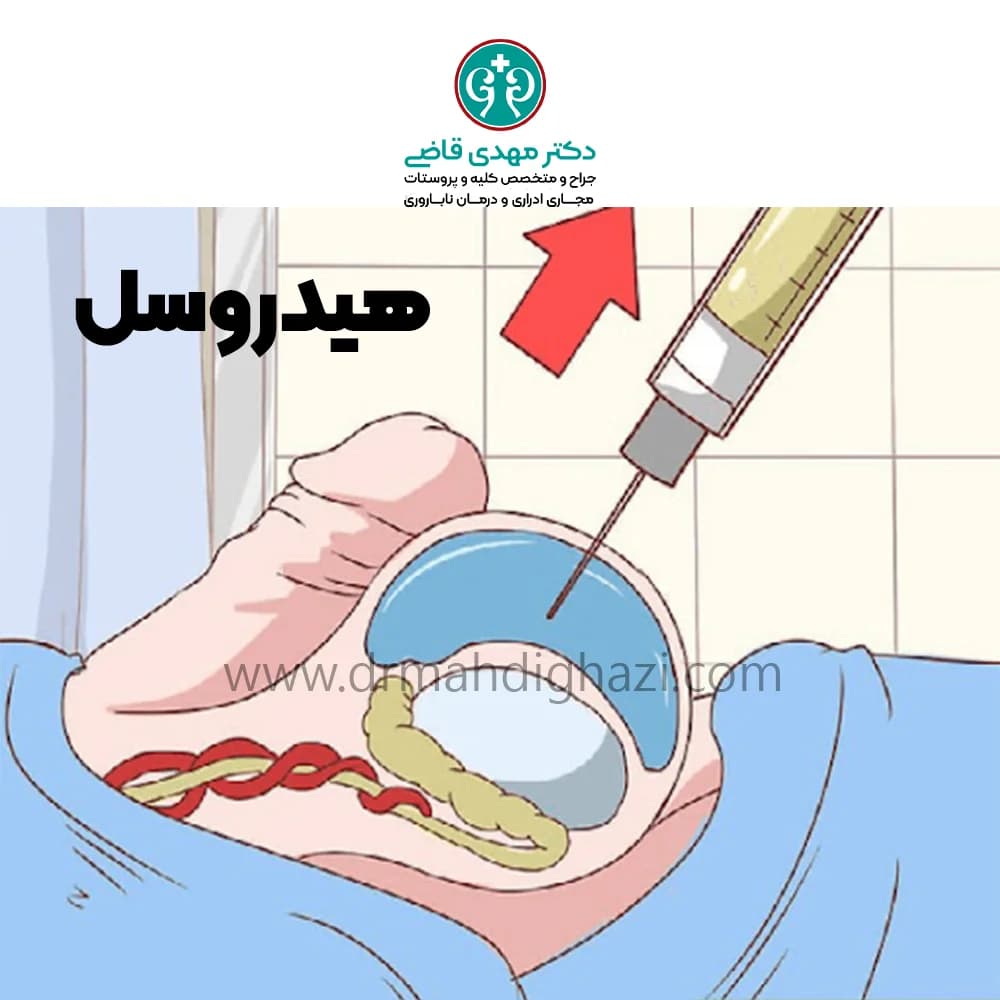
 Tap to zoom
Hydrocele: Types, Causes, Diagnosis, and Treatment
- نویسنده
- دکتر مهدی قاضی
- Published on
- June 26, 2026
- Reading time
- 5 min read
- Last updated
- Updated: June 27, 2026
Hydrocele is one of the most common medical conditions affecting men.
This condition is characterized by the accumulation of fluid in a bag that surrounds the testicles and can cause swelling and discomfort.
Hydroceles are typically painless and are often observed in newborn babies, although adult men may also develop the disease.
In this article, we examine the causes, symptoms, detection methods and hydrocele treatments.
Definition of hydrocelele
Hydrocel is called an abnormal gathering of fluid inside the bag that surrounds the testicles (the vaginalton).
This fluid accumulation can make the testicle enlarged and in some cases associated with discomfort or pain.
Hydroceles are usually benign and rarely require medical intervention unless they cause symptoms of harassment or accompany other serious conditions.
Causes of hydrolysis
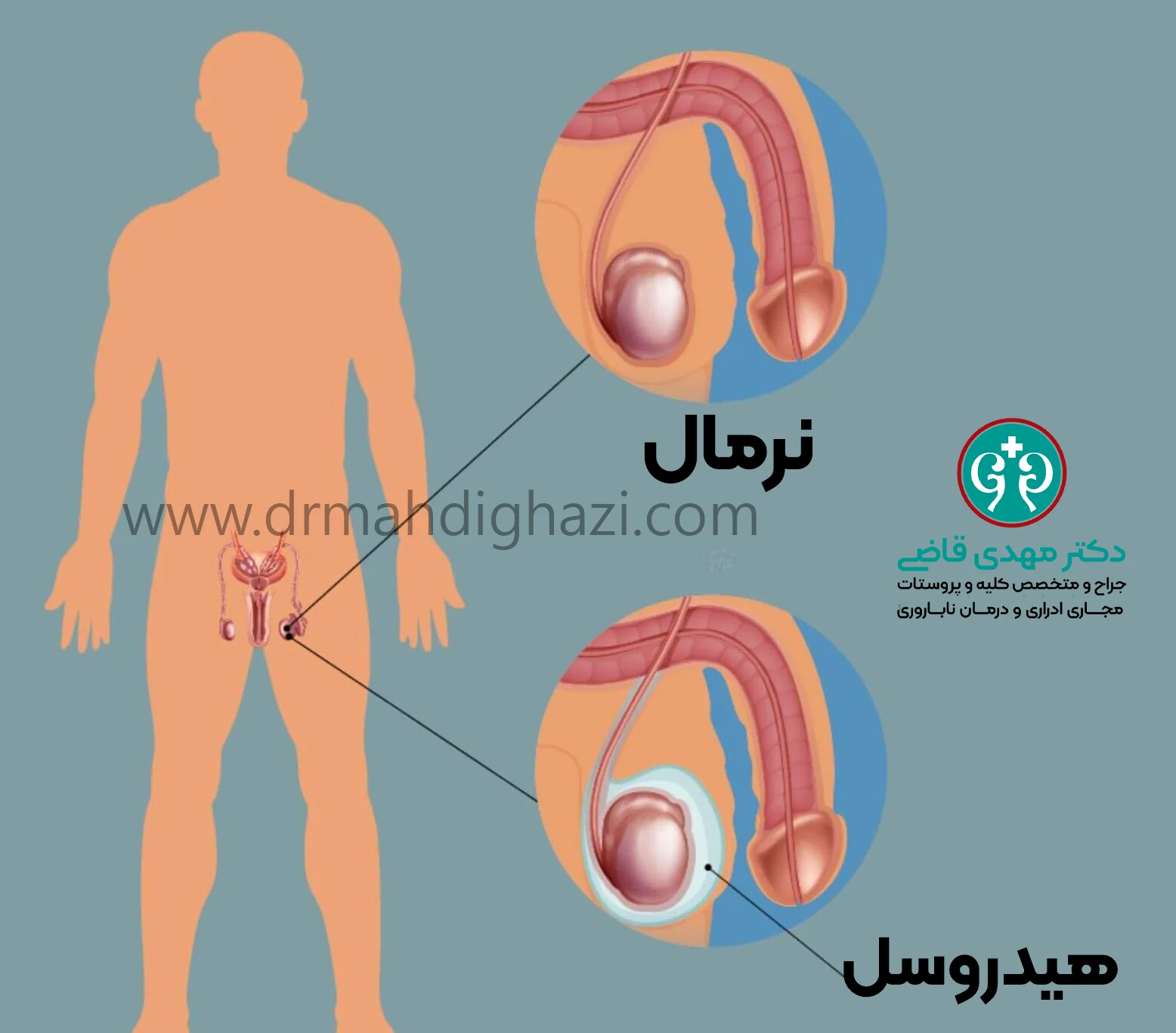
Normal testicles are surrounded by soft layers, these layers produce a bit of fluid that makes the testicles move easily into the bag around the testicle.
Additional fluid is usually absorbed through the inside of the testicles if the balance between the fluid is produced and the fluid that is drained may collect some fluid inside the scrotums called hydrocel.
Hydroceles are created in 10% of babies at birth and in 1% of adults.
The causes of hydrocele can be diverse and vary depending on the age and medical conditions of the patient.
Generally, the cause of hydrolysis is divided into two primary and secondary categories.
Primary hydrolysis
Early hydrocele is often observed in newborn babies and is caused by defects in the process of Tonyca vaginalis.
In normal circumstances, the bag is closed during the embryonic era, but in some cases this process is not done properly and the fluid can accumulate in the scrotum.
Secondary hydrolysis
Secondary hydrolysis is caused by specific medical conditions or physical injuries. Some of the most effective factors in creating secondary hydrolysis include:
infections.
Test or epitest infections. They can lead to fluid accumulation and hydrocele creation.
Damages.
Physical beats or injuries to the testicle may cause fluid accumulation and hydrocele formation.
Surgery.
Some testicle surgery may cause hydrocele as a post-operative condition.
tumors.
Testicular tumors. Or they may be able to create a lot of water.
Types of hydrocele
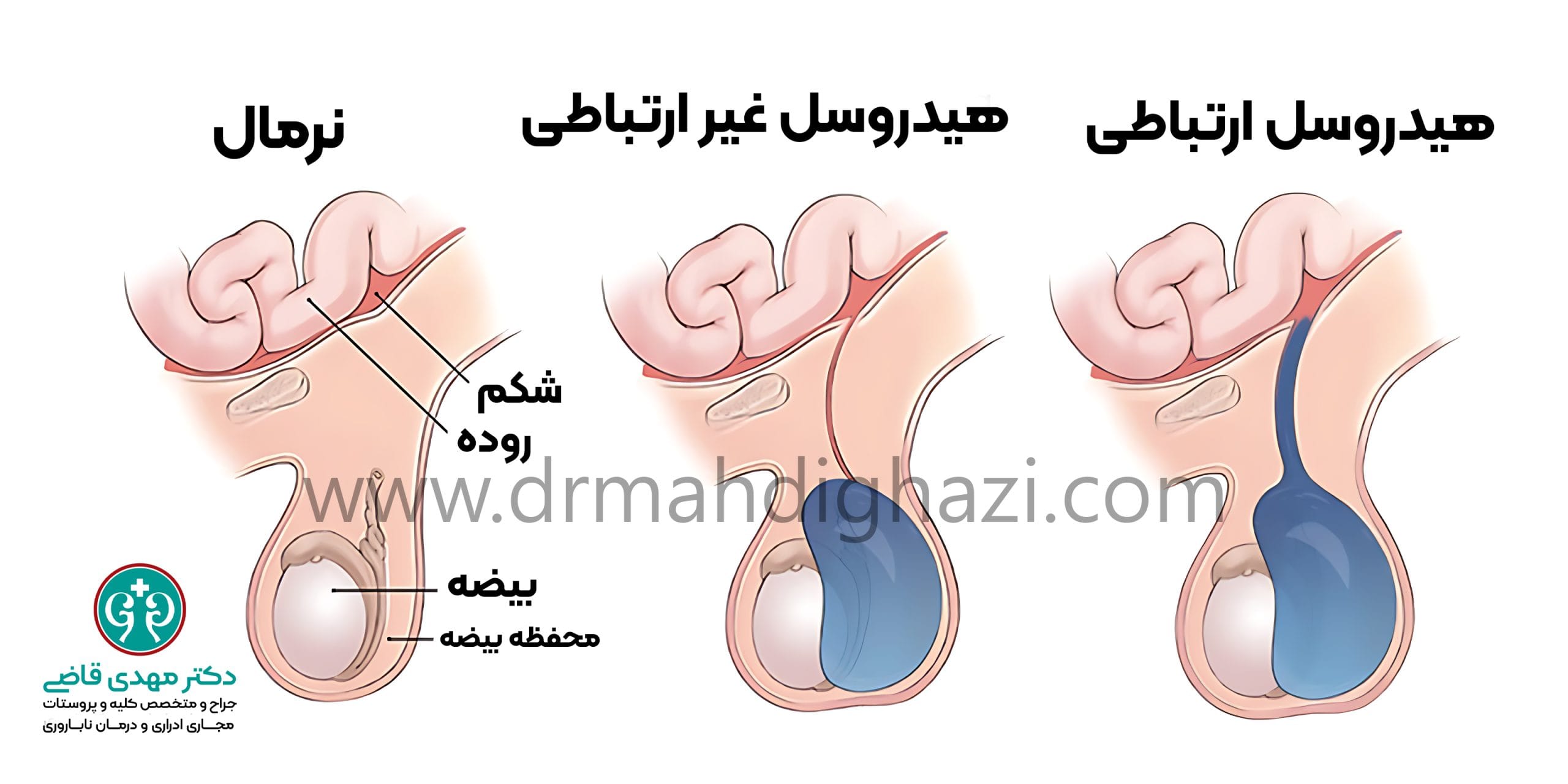
Hydroceles are divided from the open and closing of the relationship with abdominal cavity to two types of communication and non-communication.
Hydros communication.
Hydrocele communication occurs when there is an open connection between abdominal cavity and a scrotum. This connection allows fluid from the stomach to flow into the scrotum.
This type of hydrocele is more common in infants and children and may change the size of the test bag during the day, because the fluid can move into and out of the scrotum.
In most cases, hydrocele communication resolves on its own and with baby growth, but if the problem persists, it may require surgery.
Non-communicational hydrolysis
non-communicating hydrocele occurs when fluid accumulates around the testicle, but there is no connection to abdominal cavity.
This type of hydrocele can occur as a result of injury, inflammation, infection or other problems in the scrotum. non-communicating hydrocele is usually more common in adults. Symptoms include painless swelling in the scrotum that can gradually become larger.
In some cases, non-communicational hydrolysis does not require treatment and resolves itself, but if it causes severe pain or discomfort, it may require surgical intervention.
symptoms of hydrocelele
Hydrocel symptoms can vary depending on the size and location of the fluid assembly. In most cases, hydrocele is painless and the only sign is the swelling of the scrotum.
Some common symptoms of hydrocele are:
swelling.
Painless swelling of the test bag is one of the main symptoms of hydrocele. This swelling may change throughout the day and will temporarily decrease in some cases.
Feeling heavy.
Some people with hydrocele feel heavy or uncomfortable in the test bag.
Pain pain.
Although hydrocele is normally painless, in rare cases it can cause pain or discomfort, especially if it is associated with infection or injury.
detection of hydrolysis.
Hydrocele detection is based on physical examination and patient medical history.
Your doctor may use different ways to diagnose hydrocele, which include:
Physical examination.
The doctor will examine the testicle to detect swelling and fluid accumulation.
Trans-Illium
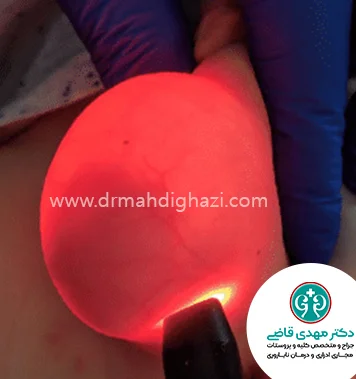
In this procedure, the doctor uses a flashlight to pass light through the scrotum. If hydrocel is present, the fluid will be transparent and the light will pass easily.
Ultrasound.
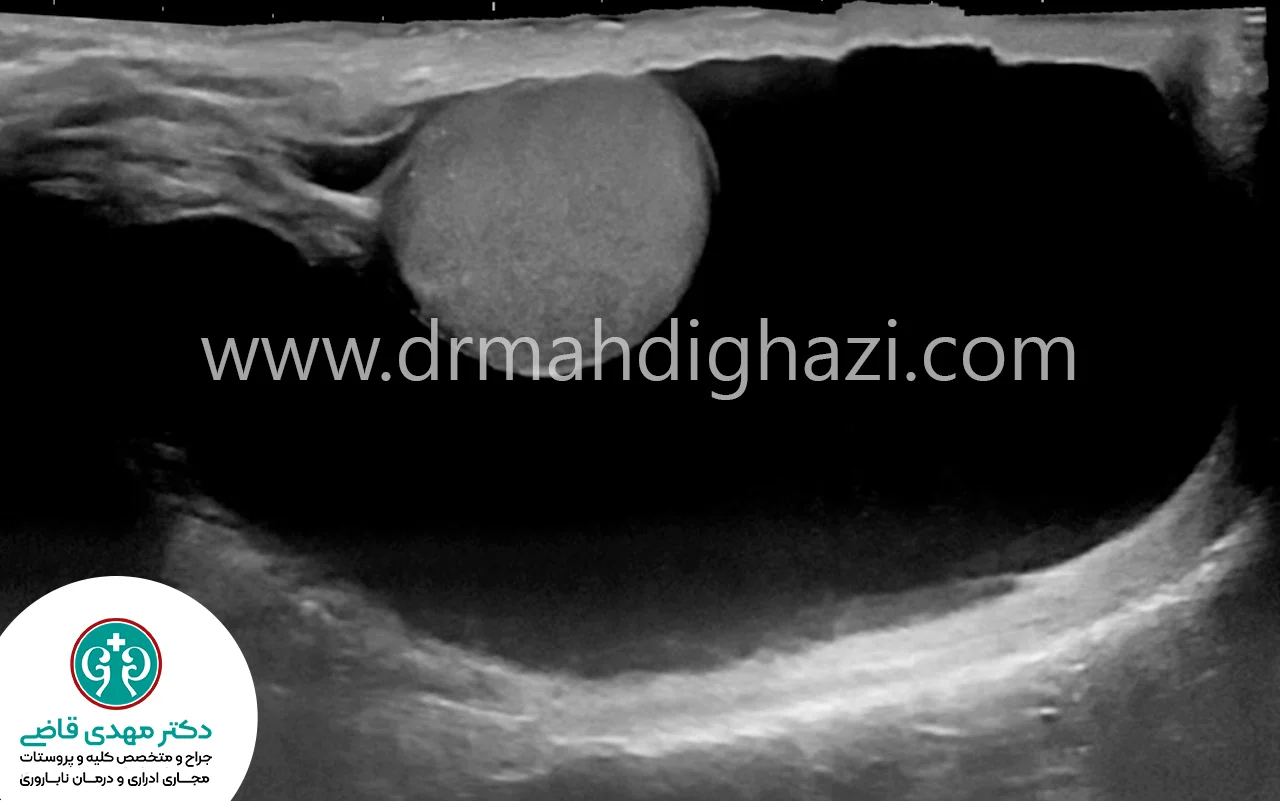
In some cases, the doctor may use ultrasound to confirm hydrocele detection and examine other possible problems such as tumors.
Treatment of hydrolysis
Most hydroceles, especially in babies, improve themselves without the need for specific treatment. However, if hydrocele causes uncomfortable symptoms or is associated with other medical problems, it may require medical intervention.
hydrocele treatments include:
monitoring and waiting.
In many cases, the doctor may recommend that the patient wait and monitor hydrocele. This procedure is especially effective in infants because hydroceles usually improve within their few months. In adults who have not created hydrocele, one of the therapeutic elections is the pursuit of the patient. A person can use testicle support and if they feel pain and discomfort in the future, surgery is needed.
Aspensation.
In cases where hydrocel causes severe discomfort, the doctor may recommend that the fluid is drained inside the scrotum.
This method is known as as aspartment and involves fluid discharge using needles and syringes. However, this method may be temporarily effective, there is a resurgence loan.
Surgery.
Surgery is recommended for large and disturbing hydroceles, during surgery with general anesthesia or spinal numbness, a small cut on the scrotum or parts of the stomach is given and the fluid is drained around the testicle.
If there is a link between the stomach and its scrotum, the connection has been interrupted to prevent fluid retransfer from the stomach to the scrotum, it is generally an outpatient surgery and does not require overnight hospitalization.
. Hydrocels may recur after surgery, which is anomaly.
Surgery for hydrolysis is performed in two main ways:
Hydroleectomy
This method involves removing the hydrocele bag and is typically performed under general anesthesia or topical numbness. Hydroleectomy is a permanent method for hydrolysis and minimizes the risk of returning it.
sclerotherapy.
In this procedure, after the liquid drain, a chemical is injected into the testicle to cause inflammation and glue of bag walls and prevent fluid accumulation. This procedure is typically less effective than hydroceectomy and may require repeat.
Care after hydrocele surgery
After hydrocele surgery, correct care is essential for rapid recovery and reduction of complications.
Patients usually need dressing for a few days to improve wounds properly. To relieve pain and reduce swelling, the doctor may recommend the use of testicle protection that helps maintain the correct position of testicles and reduce pressure on the surgical area.
Also, the use of ice packs on the therapeutic area can help reduce pain and swelling and provide more comfort to the patient.
In addition, regular follow-up with a doctor is crucial for examination and evaluation of post-surgical conditions to ensure the correct recovery process and failure of any complications.
Completing these points can help accelerate the healing process and prevent future problems.
Effects of hydrocelele
Although hydrocele is typically without serious complications, in some cases it may be associated with problems. hydrocelees are:
infection.: Fluid accumulation in the scrotum can provide a good environment for bacteria to grow and develop infection.
The testicle.: In rare cases, hydrocele may be associated with a testicle coil that requires immediate surgery.
Chronic discomfort.: Large hydrolysis may cause chronic discomfort and disruption to everyday activities.
Prevention of hydrocele
Hydrocele prevention is not entirely possible, but it can be reduced by taking some measures. Some prevention methods include:
Protect the test bag.
Using protective clothing in sports or job activities that reduce the likelihood of injury to the testicle can help.
Health care.
Personal hygiene and prevention of genital infections can reduce the risk of hydrocele.
periodic examinations.
Taking periodic examinations by a doctor can help identify hydrocele early and treat it on time.
Collecting.
Hydrocele is a common medical condition that is typically painless and serious complications. This disease can be caused in infants and adult men and has different causes.
Hydrocele detection is performed with physical examination and use imaging methods such as ultrasound.
hydrocele treatment varies depending on the severity of the patient’s symptoms and conditions and can include monitoring and waiting, aspartment and surgery.
Taking appropriate preventive measures and health care can reduce the risk of hydrocele and, if suspected symptoms, visit the doctor in time.
Common Questions
Actions & related links
Doctors for this topic in Mashhad
See all doctors: Best Urologists in Mashhad




About the author

Urologic Surgeon
دکتر مهدی قاضی, Urologic Surgeon in Mashhad. Articles on this site are written and reviewed under the supervision of the Urology Building's physicians.
View profile & bookRelated articles
All articlesWhat Is Polycystic Kidney Disease? (Fetal and Adult PKD)
دکتر مهدی قاضی · June 26, 2026
What Is a Renal Cortical Cyst? Symptoms, Diagnosis, and Treatment
دکتر مهدی قاضی · June 26, 2026
Kidney Transplant: Cost, Blood Type Compatibility, and Surgical Method
دکتر مهدی قاضی · June 26, 2026
What Is Pyelonephritis? Kidney Infection Symptoms, Diagnosis, and Treatment
دکتر مهدی قاضی · June 26, 2026
Comments
9 comments