
 Tap to zoom
genital warts Vaccine (HPV): Benefits of Gardasil and Papillogard
- نویسنده
- دکتر مهدی قاضی
- Published on
- June 26, 2026
- Reading time
- 5 min read
- Last updated
- Updated: June 27, 2026
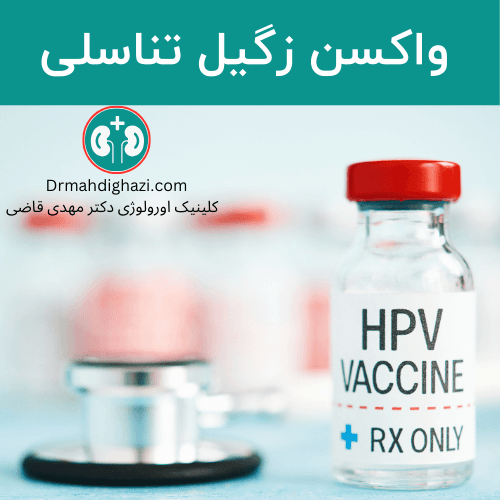
HPV vaccine is one of the most effective Ways to Prevent Mughal It is. The vaccine is designed to protect against strains that play the most part in the creation of warts and related cancers. Although genital warts can’t prevent all types of HPV, receiving them can significantly reduce the risk of serious complications associated with the virus and improve individual and collective health.
Mughal is one of the most common sexually transmitted infections that cause human papillomavirus (HPV). The virus has more than 100 different types, some of which cause some. genital warts. They become, while their high-risk types can cause cancers such as cervical, anal, penis and throat. The transmission of this virus occurs mainly through direct skin contact during sexual intercourse and may even occur in people who have no symptoms.
This article aims to provide accurate and documented information about the HPV vaccine. There are scientific questions that you may have about the types of vaccines (Guardian, Paphoard).
How does the Gardasil vaccine work? Who should get a Gardasil vaccine? When is the best time to get a Paphoard vaccine? Is the Gardasil vaccine safe and effective?
This information is based on authoritative scientific resources to make informed and confident decisions to protect your health and loved ones.
Why Should We Get a Pearl War Vaccine?
Human papillomavirus (HPV) is the most common sexually transmitted infection worldwide. According to reports. Center for Disease Control and Prevention (CDC) and World Health Organization (WHO)More than 80 percent of women and more than 90 percent of sexually active men develop one of the types of HPV throughout their lives. The virus is mainly transmitted through sexual contact, including vaginal, anal and oral relationships, but skin contact to the skin can also lead to transmission, even if the person has no symptoms.
Of over 100 different types of HPV, about 40 types of the virus are linked to the genital area. epidemiological research suggests that 90 percent of genital warts are caused by strains of 6 and 11 HPV viruses, classified as low-risk viruses. According to data. National Institute of Health (NIH)These two strains are rarely linked to HPV-related cancers, such as cervical cancer, but can cause genital warts that are clinically unpleasant and casual.
Scientific studies show that the use of protective devices such as condoms can reduce the risk of HPV transmission, but does not provide complete protection due to the possibility of transmission of the virus through skin to skin. This fact represents the importance of vaccination against genital warts to prevent infection with low-risk HPV strains.
Does genital warts cause cancer?
Human papillomavirus (HPV) is one of the main factors for creating cancers related to the genital and neck area. Extensive research has shown that the high-risk types of the virus, especially the 16th and 18, are responsible for a large part of cervical cancers. according to studies. The Lancet OncologyThese two viral types account for almost 70% of cervical cancer cases.
In addition to cervical cancer, HPV is also linked to other cancers. Based on data. International Agency for Research on Cancer (IARC)This virus can be the cause of anal cancers, vaginal, fidge, penis, as well as head and neck cancers, which is one of the most important. Increasing incidence of cervical cancer, especially in developed countries, is mainly linked to HPV type 16.
The HPV cancer formation mechanism is performed by viral proteins E6 and E7. These proteins deactivated key tumor suppressor genes, such as p53 and RBThey lead to disruption in cell division cycles and the beginning of cancerous changes in cells. This process in research. Journal of Virology Carefully studied and confirmed.
epidemiological research, including a study in Nature Reviews Clinical Oncology It has been released, suggesting that if there is no treatment or prevention, stable HPV infections can lead to cancer over the years. These findings highlight the importance of widespread vaccination against HPV and regular screenings to reduce the risk of cancer associated with the virus.
What cancers do genital warts cause?
The genital warts virus (HPV), with more than 100 different types, is divided into two low-risk and high-risk categories. Low-risk types usually cause genital warts that are less dangerous in terms of cancer formation, but can still cause skin problems and other complications. Dangerous types can cause precancerous changes in body tissues and eventually cause cancer.
cervical cancer.
cervical cancer is one of the most common cancers caused by infection with high-risk HPV types, especially those of 16 and 18. These two types are responsible for about 70% of these cancers. There may be no symptoms in the early stages, but with the progression of the disease, abnormal bleeding, hip pain and unusual discharge. Regular screening with Pap tests and HPV vaccine are the best ways to prevent this cancer.
Anal cancer.
Anal cancer is also directly linked to HPV infection, and the type 16 of the virus has the greatest role in creating this type of cancer. It is most commonly seen in people who have anal sex or have poor immune systems. Its symptoms can be pointed to anal bleeding, pain and pressure sensations in this area. HPV vaccination and sexual health compliance can prevent this cancer.
vaginal cancer.
Vaginal cancer and vulva are also significantly linked to high-risk HPV types. These cancers are usually observed in older women and those who have been infected with frequent HPV infection. Chronic itching, non-improvement wounds and abnormal bleeding are symptoms of these cancers. Early diagnosis with regular examinations and the use of genital warts reduces the likelihood of these diseases.
Male genital cancer.
genital cancer in men It can also be caused by HPV infection. This disease is most commonly seen in men who are not circumcised or who do not observe personal hygiene. Type 16 and 18 have the highest role in developing this cancer. Signs of this disease can be pointed to persistent wounds or abnormal bumps. A genital mutilation and HPV vaccination can play an important role in prevention.
Cancer of head and neck.
Head and neck cancer, especially in the ring area, loaves and grammar, also has a close relationship with HPV infection. Type 16 is one of the main factors of this cancer. This disease is often seen in people who have oral sex or drink cigarettes and alcohol. Symptoms such as persistent sore throats are difficulty in swallowing and neck bumps of symptoms of this type of cancer. Quitting smoking, not drinking alcohol and getting HPV vaccines can reduce your risk.
Preventing HPV-related cancers is important. Low age HPV vaccination is one of the most effective ways to reduce the risk of these cancers. In addition to vaccinations, regular screening, sexual health compliance and immune system strengthening play a key role in prevention. People with HPV infection or suspicious symptoms should visit the doctor as soon as possible.
Importance of genital warts vaccine
The genital warts vaccine (HPV) is one of the most successful scientific achievements in preventing human papillomavirus diseases. The vaccine, especially the Gardasil vaccine, has a very effective role in reducing HPV-related cancers, genital warts and even saving health costs.
Valid studies, including research published in Lancet Oncology in 2021, have shown that HPV vaccine can reduce cervical cancer risk by up to 87%. In countries that have implemented the National HPV vaccination program, such as Australia, cervical precancer cases in women under age 25 to 77% have declined. These statistics show the importance of prevention at a low age and before sexual activity begins.
In addition, the Gardasil vaccine has significantly reduced the risk of other HPV-related cancers, such as anal cancer, throat and leasins. For example, HIV vaccinations have increased risk of anal cancer to the risk of anal cancer. 89 percent Cancers of the area of the ring and the lava. 60 to 70 percent He reduced. These statistics show the importance of the vaccine not only for women, but also for men.
In the case of genital warts, one of the most common problems associated with HPV virus, extensive vaccination programs, such as what is in the case of HPV vaccine, are among the most common problems, such as in HPV vaccination programs, such as in what is in the case of HPV virus. Sweden Sweden Executions have shown that new cases of genital warts in women under the age of 30 to 30 92% diminished. Also, according to the report. CDCGardasil vaccine has been vaccinated in the vaccinated population, spreading genital warts to the prevalence of genital warts. 88 percent Reduce.
The effectiveness of the Gardasil vaccine is beyond individual prevention and has a huge impact on collective safety. For example, in Australia, the HPV vaccination program has led to a reduction in HPV vaccinations. 34 percent. The prevalence of HPV infections in the whole population has been reduced even in non-reactive people. This success is the result of mass safety obtained through widespread vaccine coverage.
Studies have also shown that HPV vaccine has long-term effectiveness. Based on research published in New England Journal of MedicineSafety from the vaccine to 15 years. It remains after the injection and has not yet been reported to have a booster dosage.
In addition to health benefits, HPV vaccination has a significant impact on reducing health costs. In the United States, it is estimated that HIV vaccinations can be estimated annually. $1.6 billion. Saving costs associated with the treatment of genital warts and cervical cancers.
Overall, Gardasil and other HPV vaccines play a key role in preventing serious and common HPV-related diseases. These vaccines are essential not only for individual health, but also to reduce the outbreak of the virus in society and promote public health.
Best time in the Gardasil vaccine and Papilovard
HPV vaccination is a fundamental preventive measure to reduce the risk of genital warts and cancers associated with human papillomavirus. vaccination programs vary based on age, health status, and early doses, and are important to ensure optimal effectiveness. We continue to explain the precise and comprehensive explanation of timing and types of HPV vaccination programs:
HPV vaccine timing for children and adolescents
At age 9 to 14:
Children who start HPV vaccinations at these ages alone 2 doses. The vaccine needs. The second dose should be at a distance. 6 to 12 months After the first dose is injected.Example: If the first dose is injected at age 11, the second dose should be received at the time interval mentioned.
At age 15 and above:
People who receive the first vaccine after age 15 3 doses. The vaccine needs.Program of dosages:
First dose at the start of vaccination.
A second dose of 1 to 2 months after the first dose.
Third dose 6 months after the first dose.
Immunocompromised:
People with immune defects, regardless of the age of HPV vaccination, should 3 doses of vaccine Get vaccinated even if they start vaccinations before age 15. This includes people with chronic diseases or conditions such as HIV.
vaccination for adults (18 to 45 years):
Men and women until age 26:
Vaccines are recommended for all people up to 26 years, even if they are already exposed to HPV.Adults aged 27 to 45 years:
HPV vaccine may also be beneficial during this age, especially for those who have not previously been vaccinated or have not been exposed to various HPV types. However, decision-making for vaccination should be made based on doctor advice and evaluation of risks and benefits.
The effectiveness of vaccination in different age groups
The best time to get a Gardasil and papillard vaccine is before starting any sexual contact, because the vaccine has the greatest impact when injected before the virus.
According to studies, vaccinations at a younger age (9-12 years) provide stronger safety.
What is the difference between the Gardasil and Poppin vaccine?
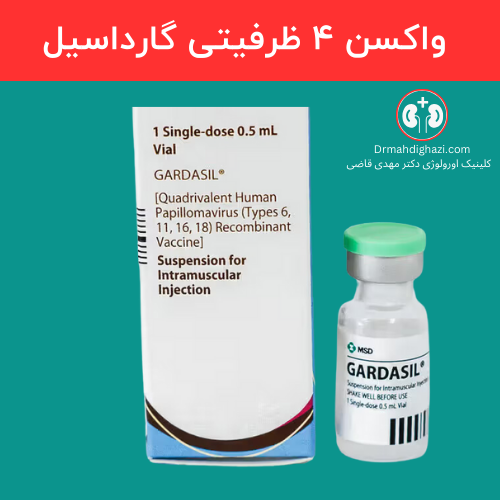
4 Gardasil vaccine:
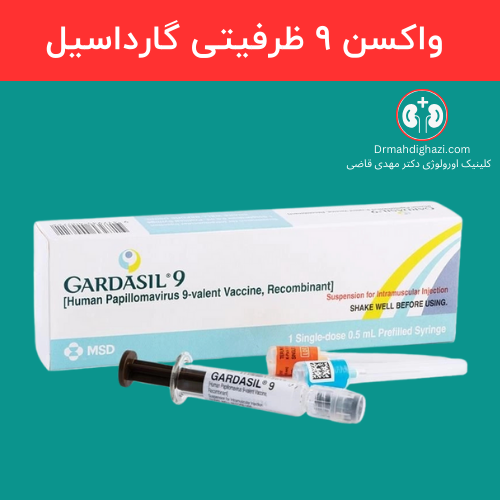
The vaccine provides safety against HPV 6, 11, 16, and 18.Gardasil 9 vaccine:
In addition to the above types, type 31 covers 33, 45, 52 and 58. The vaccine has the most extensive coverage against HPV and is used for most vaccination programs.Papilloguard:
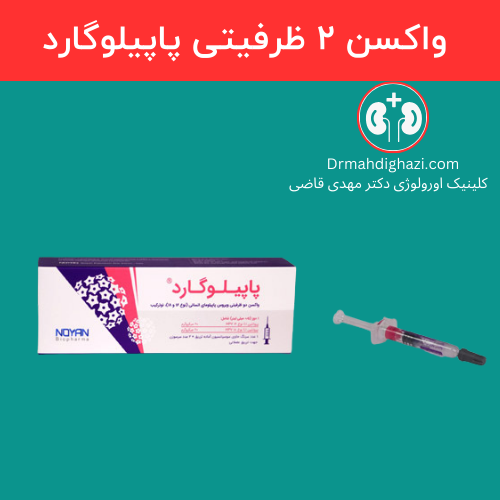
The vaccine only provides immunity to HPV 16 and 18 high-risk types that are the primary cause of cervical cancer.
Special cases of HPV vaccination
People with a history of genital warts or positive pope:
Even if a person has already been infected with HPV or had genital warts, receiving a HIV vaccine can protect against other HPV types that are not yet exposed to.Pregnancy:
Now, due to the lack of adequate studies on the safeness of HPV vaccinations during pregnancy, it is best to postpone this vaccine until after birth. Although there is no problem in people who have received the vaccine at the time of pregnancy, if during vaccination it is clear that the person is pregnant is better to defer the next dose after the end of pregnancy. The vaccine after birth does not affect the baby.
How many years have the Gardasil vaccine?
Studies have shown that the safety caused by the Gardasil and Paphoard vaccine. 15 years. It stays. There is no need for a reminder.
Risks of Gardasil and Poppin vaccines
Gardasil and papiloard vaccine is one of the most effective prevention strategies for human papillomavirus (HPV) and genital warts. Gardasil 4 and Gardasil 9 (Gardasil 9) and Populgar vaccine There are two capacities available, by stimulating the immune system against high-risk and low-risk HPV types, it helps reduce the risk of cervical cancer, anal cancer, genital cancer, and some other HPV-related diseases.
Despite the positive and safety effects of the vaccine, like any other biological product, it may cause some side effects that are often mild and temporary. We continue to look at the complications of the Gardasil vaccine and its use-free cases.
Gardasil vaccine complications generally in two categories Common and rare. They are divided:
1. Common and mild effects.
These complications usually resolve within a few days and are not a serious threat to a person’s health:
Local reactions in the injection site.Pain, red, swelling and itching
mild fever.
Headache and feeling tired.
Muscle pain or joint pain.
nausea and dizziness.
2. rare and serious complications.
In some cases, genital warts may cause more serious reactions, although these are rare:
Severe allergic reactions (anafilox)Includes symptoms such as hier, face swelling, difficulty in breathing, severe drop in blood pressure
Sancop (sing after injection)In some people, the vaccine can cause short-term pressure and fainting, which is why it is recommended that people after the vaccine is injected for at least a minimum. 15 minutes sitting.
Severe joint pain or rare autoimmune disordersCases of the link between HPV vaccine and autoimmune diseases such as Gilillain-Barré syndrome have been reported, but there is still no definitive link.
rare neurological problems.Some cases of numbing and numbing organs, but direct communication with the vaccine requires more research.
Who should not be vaccinated?
Gardasil vaccine is safe for most people, but in some circumstances it should not be prescribed:
People with immunodeficiency (such as HIV patients, people under chemotherapy, or consumers of immune system suppressants) can get the vaccine, but their immune response may be weaker than healthy people.
Extreme sensitivity to vaccine compounds.
People who have had a history of severe allergic reactions (such as anaphylaxis) compared to a previous dose of Gardasil vaccine or its compounds (such as polysobot 80 or yeast) should not get the vaccine.
Pregnancy.
While certain complications for the fetus have not been reported so far, it is recommended that Pregnant women do not get the Gardasil vaccine. If a person notices their pregnancy after receiving the vaccine, there is no need for certain measures, but the later doses should be delayed after birth.
Extreme and severe disease.
If a person has a severe illness along with a high fever, the vaccine is better to be delayed to full recovery. Of course, mild illnesses such as colds or low fever are not a barrier to vaccination.
Safety system disorders
People with immunodeficiency (such as HIV patients, people under chemotherapy, or consumers of immune system suppressants) can get the vaccine, but their immune response may be weaker than healthy people.
Should men be vaccinated?
Gardasil vaccine designed to prevent human papillomavirus (HPV) is often known by focusing on cervical cancer in women. But this vaccine is also essential for men, as HPV can cause genital warts and anal cancers, penis, mouth and throat in men. Also, men are the main carriers of the virus and can transmit it to others without symptoms. Therefore, male vaccinations not only protect individual health, but also help reduce the outbreak of the virus in society.
Target groups to get HPV vaccine
1. Age recommended for vaccination:
According to the Centers for Disease Control and Prevention (CDC) and the World Health Organization (WHO), the best time for HPV vaccination between the world 11-12 years old. It is.
Vaccine injection from the vaccine. 9 to 26. It is recommended.
Men above. 26 years. In certain circumstances, especially if they are in high-risk groups, they can get the vaccine.
2. Men at greater risk:
Some groups are more prone to HPV infection and its complications, including:
People with poor immune systems (As with HIV)
Men who have sex with other men (Because of increased risk of HPV transmission)
People who have multiple sexual partners
How many times should the Gardasil vaccine be injected?
HPV vaccinations in men are usually performed in three doses:
If a person is under 15 years old, they may only need two doses of the vaccine.
First dose: in the day of the injection.
Second dose: One to two months later.
Third dose: Six months after the first dose.
The importance of genital warts vaccines in short.
HPV vaccine is one of the most effective ways to prevent human papillomavirus infection and its associated complications, including genital warts and genital and cervical cancer. Given that the virus is the most common sexually transmitted infection in the world, and more than 80 percent of women and 90 percent of sexually active men develop during their lives, vaccination plays an important role in reducing disease burden and preventing serious problems.
Accredited studies have shown that the Gardasil vaccine and other HPV vaccines can reduce the risk of cervical cancer by up to 87% and prevent other HPV-related cancers, such as anal cancer, vaginal, fidge, penis and ring. Also, mass vaccination programs in countries such as Australia and Sweden have managed to significantly reduce new cases of genital warts and HPV infections.
In addition to health benefits, HPV vaccine is also economical and can significantly reduce the health costs associated with HPV. The long-term effectiveness of this vaccine, mass safety caused by it, and its important role in reducing precancer and cancer cases doubles its importance.
Finally, it is recommended that HPV vaccinations are performed at a low age, before sexual activity starts to ensure maximum protection. Also, regular screenings, sexual health compliance and awareness of risk factors can be effective in reducing the prevalence of HPV-related diseases. Therefore, HPV vaccination is important not only for individual health, but also for the general health of society.
Actions & related links
Doctors for this topic in Mashhad
See all doctors: Best Male Genital Warts Doctors in Mashhad




About the author

Urologic Surgeon
دکتر مهدی قاضی, Urologic Surgeon in Mashhad. Articles on this site are written and reviewed under the supervision of the Urology Building's physicians.
View profile & bookRelated articles
All articlesWhat Is Polycystic Kidney Disease? (Fetal and Adult PKD)
دکتر مهدی قاضی · June 26, 2026
What Is a Renal Cortical Cyst? Symptoms, Diagnosis, and Treatment
دکتر مهدی قاضی · June 26, 2026
Kidney Transplant: Cost, Blood Type Compatibility, and Surgical Method
دکتر مهدی قاضی · June 26, 2026
What Is Pyelonephritis? Kidney Infection Symptoms, Diagnosis, and Treatment
دکتر مهدی قاضی · June 26, 2026
Comments
2 comments