
 Tap to zoom
Causes and Treatment of Hematospermia: Diagnosis, Symptoms, and Prevention
Hematospermia means blood in the semen. Learn about possible causes, warning signs, diagnostic tests, treatment options, and prevention.
- نویسنده
- دکتر مهدی قاضی
- Published on
- June 26, 2026
- Reading time
- 5 min read
- Last updated
- Updated: June 26, 2026
Hematospermia (blood in semen) is a condition that can cause significant concern and anxiety. Blood in the semen can occur for several reasons; some are relatively harmless, while others require careful medical evaluation.
In many cases, this condition is not serious and is easily treatable. However, understanding the causes, symptoms, diagnostic methods, and treatment of hematospermia can help reduce anxiety and support appropriate medical decisions.
Causes of Hematospermia or Blood in the Semen
Infections:
Bacterial, viral, or fungal infections can cause inflammation and bleeding in the male genital tract. Prostatitis (inflammation of the prostate), urethritis (inflammation of the urethra), and epididymal infections (epididymitis) are among these infections.
Sexually transmitted infections such as genital herpes, chlamydia, gonorrhea, and trichomonas can also cause hematospermia.
Trauma or injury:
Trauma to the genital area can cause bleeding and hematospermia. Sports activities or accidents that injure the genital area may lead to this condition.
Injury to the testicles is another possible cause of blood in the semen.
Prostate problems:
Benign prostatic hyperplasia (BPH), prostatitis, or prostate cancer can cause hematospermia.
Some diagnostic procedures performed to evaluate the prostate may also lead to bleeding into the semen.
Inflammation and infections of the prostate are also common causes.
Vascular system problems:
Vascular problems such as varices or aneurysms (abnormal dilation of blood vessels) can cause bleeding in the genital tract.
Cysts and stones of the seminal vesicles:
Cysts and stones in the seminal vesicles can lead to bleeding and hematospermia.
Narrowing and obstruction of ducts:
Obstruction of the sperm-carrying ducts or narrowing of the urethra are also common causes.
Recent surgery and medical procedures:
A recent history of surgery on the urinary tract, such as prostate biopsy, cystoscopy, vasectomy, testicular surgery, or urethral surgery, can cause blood in the semen.
Tumors and polyps:
Tumors and polyps anywhere in the genital tract or lower urinary tract can lead to hematospermia. Among every 900 patients with blood in the semen, 3 percent had tumors, most of which were in the prostate.
Blood disorders:
Blood disorders such as leukemia and sickle cell anemia can lead to hematospermia.
Chronic urinary tract infections:
Chronic urinary tract infections such as tuberculosis and schistosomiasis may also be possible causes.
Other diseases:
Other diseases such as hypertension, liver disease, and AIDS can also lead to blood in the semen.
Unknown causes:
In some cases, the cause of hematospermia is not identified, and it resolves after a period of time without the need for specific treatment.
Symptoms of Hematospermia
Hematospermia is usually recognized when blood is seen in the semen. The blood may appear as blood streaks, blood spots, or an overall change in semen color to pink, red, or brown. Associated symptoms may include:
Pain or discomfort in the genital area
Painful urination or burning with urination
Frequent urination
Pain in the lower abdomen or back
Diagnosis of Hematospermia and Examination Method
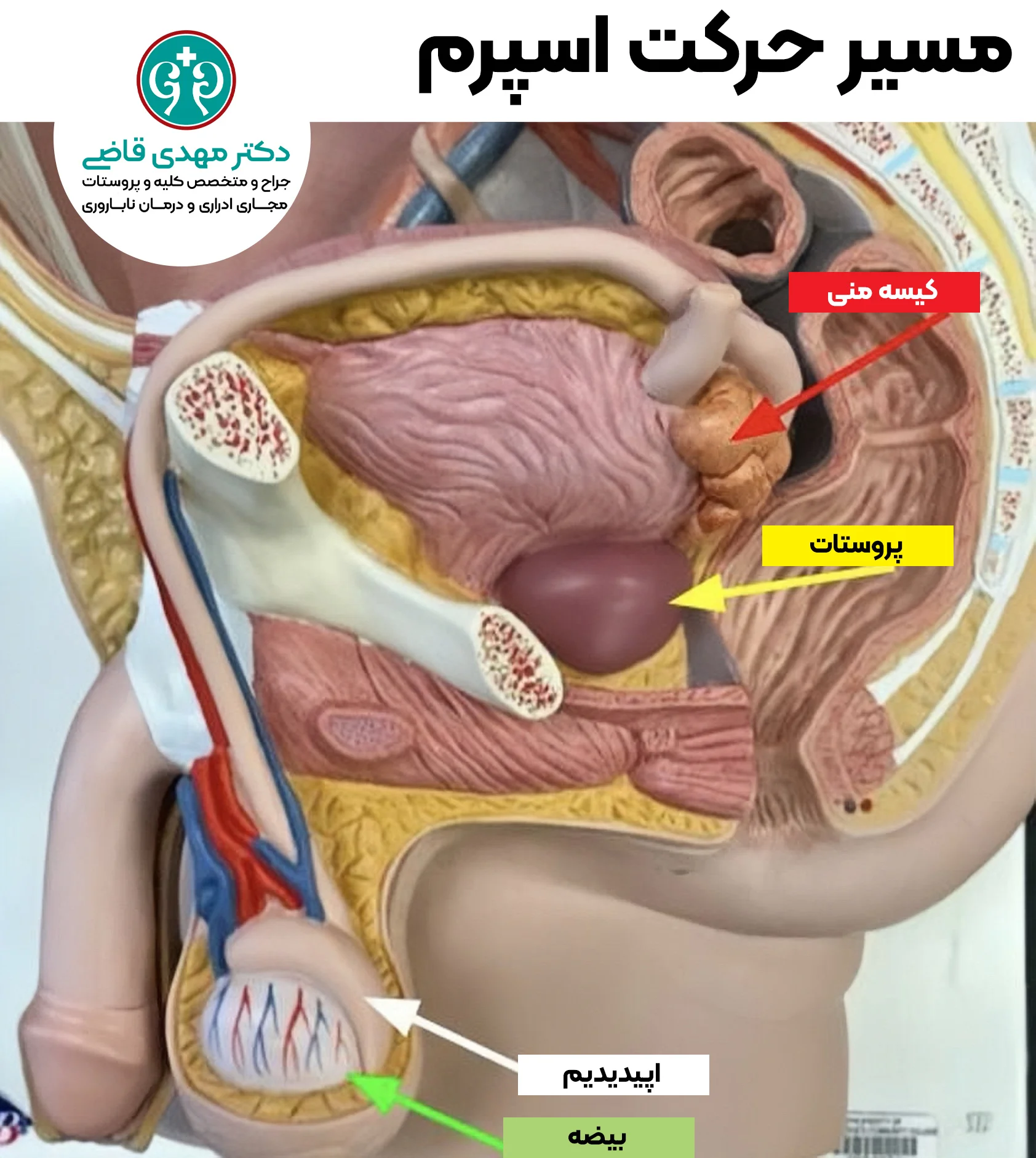
To diagnose hematospermia accurately, the physician may use several methods. These include:
Medical history and clinical examination:
The physician examines the genital area and asks questions about the patient’s medical history and symptoms.
The number of times blood has been seen in the semen and whether accompanying symptoms are present are also reviewed.
Urinalysis:
Urinalysis is performed to check for infections and inflammation of the urethra and prostate.
Blood tests:
Blood tests can help identify infections, inflammation, and vascular-system problems.
Coagulation tests, PSA evaluation, and tests specific to sexually transmitted infections are performed depending on the treating physician’s judgment.
Ultrasound:
Prostate ultrasound and genital-tract ultrasound are performed to assess structural and vascular problems.
Transrectal ultrasound may also be performed.
Semen analysis:
Semen evaluation is performed to diagnose infections and inflammatory problems.
Blood pressure check:
The physician may check the patient’s blood pressure to identify any cardiovascular problem.
Digital rectal prostate examination:
This examination is performed to assess the prostate and identify any possible problem.
Other diagnostic procedures:
Imaging such as CT scan or MRI may also be used for a more detailed evaluation.
Biopsy:
If the physician suspects prostate cancer or any other cancer, a prostate biopsy or biopsy of other areas may be used to evaluate the involved tissues.
If bleeding lasts longer than three months, a more complete evaluation should be performed. The patient’s age (in patients younger than 40 years, the source states there is no risk and hematospermia resolves by itself) and previous medical history are also considered in diagnostic and treatment decisions.
Treatment of Hematospermia or Blood in the Semen
Treatment of hematospermia depends on the underlying cause. In many cases, hematospermia resolves without any specific treatment. When treatment is needed, the following methods may be used:
Antibiotics:
If an infection has caused hematospermia, antibiotics are prescribed.
Anti-inflammatory medicines:
Nonsteroidal anti-inflammatory drugs (NSAIDs) can help reduce inflammation and pain.
Treatment of prostate problems:
When prostate problems have caused hematospermia, prostate-specific treatments such as inflammation-reducing medicines, including finasteride, and in some cases surgery may be needed.
Treatment of vascular problems:
If vascular problems have caused hematospermia, treatments specific to those problems, such as surgery or other procedures, are used.
Treatment of seminal vesicle cysts:
Seminal vesicle cysts may need needle drainage.
Treatment of coagulation disorders and malignancies:
Conditions such as coagulation disorders and malignancies require treatment by a team of specialist physicians.
In people younger than 40 years with temporary hematospermia and no concerning symptoms, treatment is generally not needed and the bleeding resolves on its own.
In any case, treatment depends on evaluation by a urologist and the seriousness of the situation; if a specific cause is found, treatment is directed at that cause.
Prevention of Hematospermia
Although hematospermia cannot always be prevented, some measures can reduce the risk of developing it:
Maintaining genital hygiene:
Maintaining genital hygiene and wearing appropriate clothing can reduce the risk of infections.
Avoiding risky activities:
Avoiding activities that may injure the genital area can reduce the risk of hematospermia.
Seeing a physician:
If abnormal symptoms are seen in the genital area or semen, seeing a physician for timely diagnosis and treatment can be helpful.
Conclusion
Hematospermia, or blood in the semen, is a condition that may cause concern, but in many cases its cause is not serious and it is easily treatable. Accurate diagnosis and timely treatment can help reduce symptoms and prevent further problems. By maintaining genital hygiene and seeing a physician if abnormal symptoms occur, the risk of hematospermia can be reduced.
Frequently Asked Questions
Actions & related links
Doctors for this topic in Mashhad
See all doctors: Best Male Infertility Doctors in Mashhad




About the author

Urologic Surgeon
دکتر مهدی قاضی, Urologic Surgeon in Mashhad. Articles on this site are written and reviewed under the supervision of the Urology Building's physicians.
View profile & bookRelated articles
All articlesWhat Is Polycystic Kidney Disease? (Fetal and Adult PKD)
دکتر مهدی قاضی · June 26, 2026
What Is a Renal Cortical Cyst? Symptoms, Diagnosis, and Treatment
دکتر مهدی قاضی · June 26, 2026
Kidney Transplant: Cost, Blood Type Compatibility, and Surgical Method
دکتر مهدی قاضی · June 26, 2026
What Is Pyelonephritis? Kidney Infection Symptoms, Diagnosis, and Treatment
دکتر مهدی قاضی · June 26, 2026
Comments
0 comments
No comments yet. Be the first to share your thoughts.