
 Tap to zoom
genital warts Treatment Methods Compared: Which Is Best?
- نویسنده
- دکتر مهدی قاضی
- Published on
- June 26, 2026
- Reading time
- 5 min read
- Last updated
- Updated: June 27, 2026
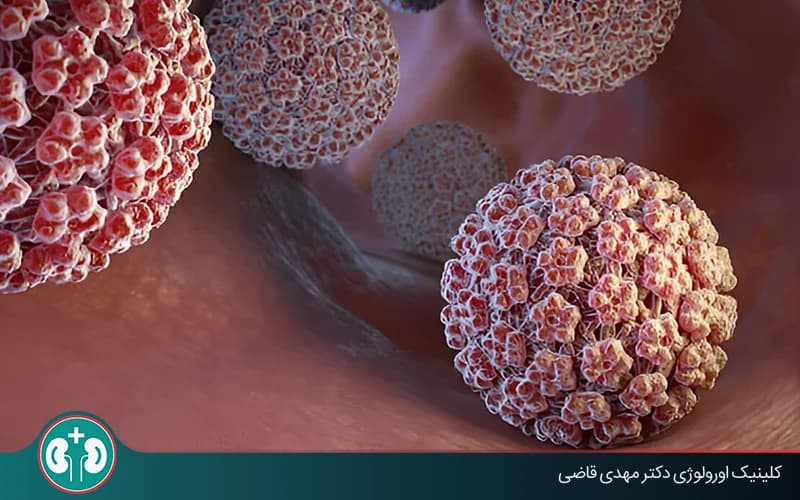
Is there a definitive cure for genital warts, or can they only be controlled? genital warts are a widespread sexually transmitted infection (STI) caused by infection with strains of human papillomavirus (HPV). In some strains, this virus causes skin growths around the genitals and anus. There is no definitive cure that eliminates HPV itself. In many strains, the virus clears from the body within two years without causing any complications. Understanding treatment methods helps patients reduce the stress and anxiety caused by this condition and choose the option most compatible with their physical and emotional circumstances. In this article, we review the different treatments for genital warts, including the advantages and possible side effects of each, so you can choose the best treatment approach.
این مسیر از دادههای عمومی نوبتدهی و محتوای سایت ساخته شده است.
Book a consultationWhat causes genital warts, and how are they transmitted?
genital warts are a common sexually transmitted infection caused by HPV entering the body, and they can have a deep psychological effect on the person affected. The condition appears in the genital area, but in rare situations it may also develop on other parts of the body. The virus can remain dormant, so a person may be infected without knowing it. "HPV has more than 100 different strains, and if prevention is neglected, high-risk strains can lead to cervical, vaginal, and anal cancer."
Laser, cryotherapy and surgical removal of genital warts (HPV) Genital warts treatment for men in Mashhad
Specialized treatment of genital warts in men at an equipped center, provided by experienced physicians using current medical equipment and treatment methods.

Book appointment
According to statistics published by the World Health Organization (WHO) "high-risk strains of this virus (HPV-16, HPV-18) cause 620,000 cancer cases in women and 70,000 cancer cases in men." Low-risk and high-risk strains can cause benign and malignant genital warts in women on the vulva, near the anus, and around the cervix or vagina, and in men on the penis, scrotum, and around the anus; however, high-risk strains carry a higher risk of cervical cancer. The virus is transmitted from an infected person to another person through unprotected sexual contact and direct skin-to-skin contact.
Warts on the hands are caused by different types of human papillomavirus (HPV) and can be recognized by their different shapes and colors. Hygiene, avoiding direct contact, and medical treatments such as topical medication and cryotherapy can help control and treat them. If a wart is noticed, medical evaluation is necessary.
Virus type | Risk level | Associated diseases | Transmission routes | Preventive vaccine |
HPV-6 | Low risk | genital warts | High-risk sexual contact and direct skin contact | Gardasil 9 and 4 vaccines |
HPV-11 | Low risk | genital warts | High-risk sexual contact and direct skin contact | Gardasil 9 and 4 vaccines |
HPV-16 | High risk | genital warts and cervical cancer | High-risk sexual contact and direct skin contact | Gardasil 9 and 4 vaccines, and the Iranian Papilloguard vaccine |
HPV-18 | High risk | genital warts and cervical cancer | High-risk sexual contact and direct skin contact | Gardasil 9 and 4 vaccines, and the Iranian Papilloguard vaccine |
Types of genital warts treatment
When should you see a specialist for genital warts treatment? In some cases, genital warts disappear after about 6 months as the immune system fights the infection. Several methods, including medication, surgery, and laser treatment, are available to treat these skin growths. Before treatment, the physician examines the patient and recommends one method or a combination of methods based on the number of warts, the location of the lesions, age, and medical history. Below, we review the treatment options for this condition.
After treatment, genital warts may return within 3 to 6 months, and the risk of recurrence is higher in people with weaker immune systems. Because treatment removes the genital warts while HPV may still remain in the body, new warts can develop.
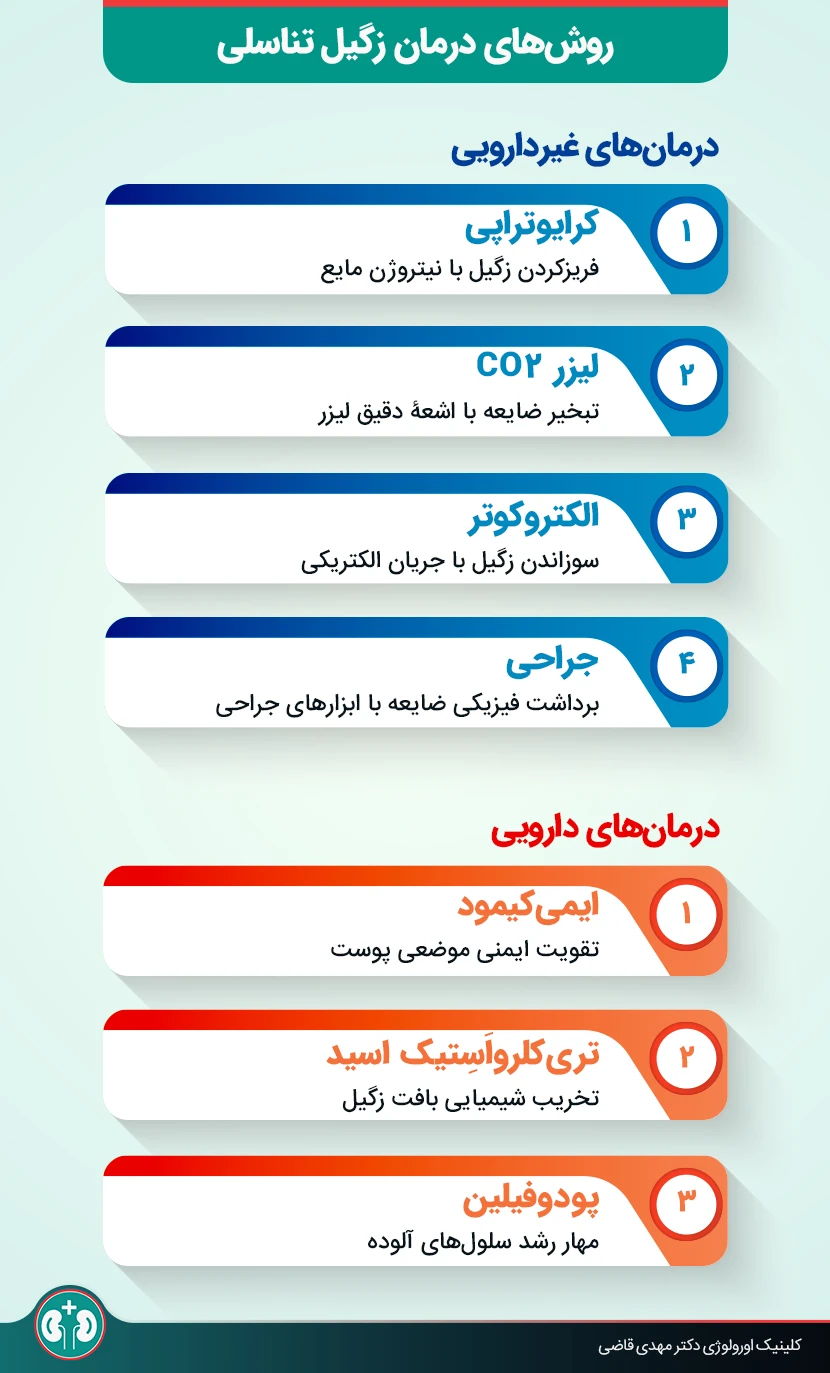
Medical treatment for genital warts
Topical or oral medication is one method for treating this skin lesion. The physician may recommend this treatment based on the number of genital warts or the patient's individual circumstances. Topical medications mainly work by stimulating the immune response to treat this type of wart. Topical imiquimod, trichloroacetic acid (TCA), and podophyllin may be recommended by the doctor for genital warts treatment. The treatment duration and frequency of use should follow the physician's instructions.
Appointments related to Laser, cryotherapy and surgical removal of genital warts (HPV) Genital warts treatment for men in Mashhad
Open the public booking path to review times and related information.
Book appointment
Topical medications for genital warts treatment
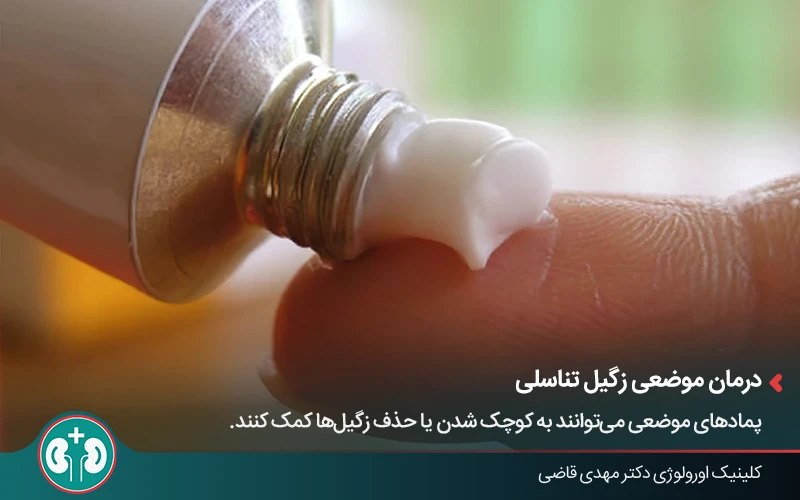
Topical medications are one treatment option for this skin lesion and may be used as a stand-alone treatment or as an adjunct to other methods, according to the physician's recommendation. These medications are applied directly to the genital warts area and help destroy wart cells and reduce inflammation. Topical ointments strengthen the body's immune response against HPV.
Imiquimod
Imiquimod ointment is a topical medicine used to treat genital and anal warts, the skin condition actinic keratosis, and carcinoma. By stimulating the immune system in the area where it is applied, this topical ointment helps fight HPV and infected cells.
How to use: This ointment is usually applied topically to the lesion three times a week for 16 weeks, or until the wart disappears. Before applying the ointment, wash the area with soap and water and wait until it is completely dry. Apply an appropriate amount to the area and massage it in well; leave the medicine on the area for 8 hours, then wash it off completely.
Q&A — Laser, cryotherapy and surgical removal of genital warts (HPV) Genital warts treatment for men in Mashhad
General questions are shown on the destination page after review.
Book appointment
Side effects: In some people, this topical ointment may cause side effects such as redness, itching, burning, and inflammation. These effects are usually mild and go away within a short time. If any side effect lasts longer, be sure to see a specialist.
Contraindications for imiquimod ointment: This ointment is not suitable for people with severe skin disease, a weakened immune system, or inflammatory skin disease. Its use during pregnancy and breastfeeding is also not recommended.
Trichloroacetic acid solution
Trichloroacetic acid is a chemical solution that acts as a strong peeling agent and destroys skin cells in the outer layers. This medicine is usually used once weekly for 6 weeks. If the solution is used at a high concentration, it may damage deeper layers of the skin. Because of its potential risks and side effects, it must be used only on the recommendation of a specialist physician.
Side effects: If this medicine is used to treat genital warts or to peel the skin, it may cause side effects such as temporary darkening of the skin, skin discoloration, and scarring.
Necessary precautions: Because this solution is a strong chemical compound, contact with the eyes or skin can cause burns and serious injury to these body parts. Smelling the solution can also irritate the respiratory system. Use this solution with caution and avoid direct contact with the eyes.
Podophyllin
This medicine is available as a 10% to 25% solution or suspension (a medicine that is not fully dissolved and must be shaken before use) and as 2% to 4% gels, and it is used topically. The solution or gel is applied directly to the genital warts and prevents HPV-infected cells from dividing; healthy cells gradually replace them and the genital warts improves.
How to use: Apply this topical medicine to the genital area and let it remain on the skin for 1 to 6 hours, then wash the affected area with soap and water. Excessive use of podophyllin can cause a chemical burn. The dose depends on the type of wart and the severity of its spread in the body, and the treatment course may last 1 to 6 weeks. If you use the solution form, place one drop on the genital warts each time and allow the previous drop to dry before applying the next one.
Necessary precautions: Do not apply this medicine to warts that have recently been operated on or are bleeding. Be sure to avoid contact with the eyes and other mucous membranes, such as the vagina or nose.
Side effects: In the first days of use, you may experience skin effects such as redness and burning; these are short-term and resolve as treatment continues.
Comparison of topical medications for genital warts treatment
Medication name | How to use | Side effects | Treatment course | Contraindications |
|---|---|---|---|---|
Imiquimod | - Three times weekly for 16 weeks, or until the wart disappears | - Mild redness, itching, burning, and inflammation | 16 weeks or until the wart disappears | - Severe skin diseases |
Trichloroacetic acid | Once weekly for 6 weeks | - Skin discoloration | 6 weeks (once weekly) | - Do not use near the eyes or mucous membranes |
Podophyllin | - 10% to 25% solution or 2% to 4% gel | - Skin irritation and severe burning | Depending on the body's response, it may take several weeks | Pregnant women |
Surgical and laser treatment of genital warts
Surgery and laser treatment are effective methods for removing skin growths. Surgery is usually used when genital warts are very extensive or large. Laser treatment is used when warts are located on the cervix or inside the vagina. Complete healing and wart removal usually occur about three months after surgery or laser treatment. During recovery, be sure to avoid unsafe sex; use condoms for vaginal and anal intercourse and dental dams for oral sex.
Cryotherapy: an effective method for genital warts
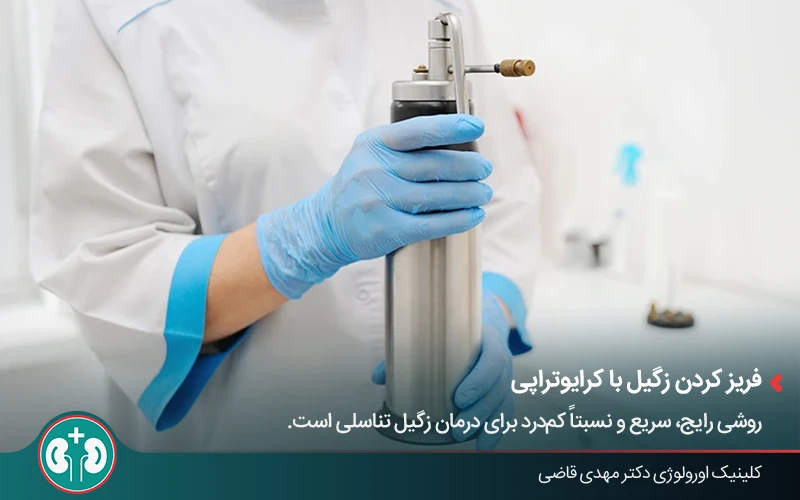
Cryotherapy is a minimally invasive treatment for genital warts skin disease. According to a report by the National Center for Biotechnology Information, the treatment success rate with this method is between 79% and 80%. Because it has a very low risk profile, it can be used during pregnancy and for both small and large warts. In this treatment, liquid nitrogen and argon gas are used to create intense cold. These substances destroy warts by freezing internal and external tissues. Cryotherapy is usually performed without open surgery, and people recover with little pain. Different cryotherapy techniques can be used to freeze skin tissue depending on the body area where the genital warts has developed.
External skin tissue: If the skin lesion is on the outer layer of the skin, the specialist uses a spray device or cotton swab to freeze the skin tissue. This treatment causes the outer skin layer to freeze, separate, and then regrow.
Recovery period: With this treatment, the treated area becomes red after therapy and may blister. Mild pain may be felt in the genital warts area for up to three days after treatment, and it usually heals completely within one to three weeks. If women undergo cryotherapy on the cervix, they may have watery discharge for several days to several weeks.
Benefits of cryotherapy | Drawbacks of cryotherapy |
|---|---|
Less pain and bleeding | Possibility that the lesion may not be completely removed |
No damage to the body's normal cells | Swelling and skin infection |
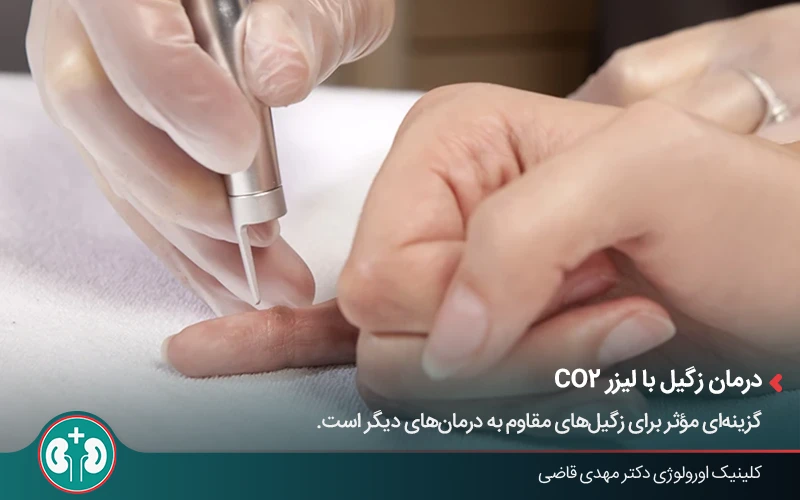
CO2 laser: a modern treatment for genital warts
CO2 laser is a low-complication treatment for genital warts in the vaginal, penile, and anal areas. It uses CO2 gas laser energy to treat this skin lesion, and it has a high success rate in removing this type of wart. Treatment of the skin growth is done in a few simple steps. First, the physician examines the wart area and, if needed, uses local anesthesia before laser treatment; then the device is placed over the treatment area. In this method, high-energy laser waves enter the damaged tissue, causing blood coagulation and destruction of the damaged cells.
Side effects: This treatment may cause side effects such as burning, pain, and inflammation in the treated area. These effects are usually mild and improve after a while.
Care before treatment: A few days before treatment, avoid blood-thinning medicines such as aspirin. Avoid shaving unwanted hair in the treatment area for at least 24 to 48 hours before laser therapy. Make sure the area is clean and dry before treatment.
Care after treatment: If the treated area, such as the vagina or anus, is moist and folded, it must be kept dry and clean. After treatment, apply a topical antibiotic ointment to the treated area; after 2 weeks, you may use topical repair ointments to help speed healing in the area. During recovery, avoid unprotected sexual contact to minimize the chance of transmitting the infection. Be sure not to pull the skin or put pressure on the treated area, and use mild moisturizers to maintain skin hydration.
Advantages of CO2 laser | Disadvantages of CO2 laser |
|---|---|
Very low chance of wart recurrence or relapse | Mild possibility of bleeding after treatment |
Minimal pain during treatment | Mild tightness in the treated area |
No scar remaining after treatment | Burning in the treated area |
Electrocautery or burning the wart
Electrocautery surgery is a treatment for skin lesions in which the physician uses a pen-like device to burn the damaged tissue with electric current and remove it from the skin surface without cutting; this method is usually 80% to 90% successful. It is used to destroy skin lesions such as genital warts. Electrocautery, or wart cauterization, is also effective for abnormal uterine bleeding, skin problems, and mole removal. Before treatment, the physician uses gel to prevent burns in the treatment area and then begins treatment with the device.
Recovery time: Healing after this treatment may take several weeks; the skin color may also become lighter or darker.
Side effects: Like other methods, this treatment may cause side effects such as itching or swelling during the first few days after treatment. If you experience these symptoms, consult a specialist and avoid taking medicine without a prescription.
Advantages of electrocautery | Disadvantages of electrocautery |
|---|---|
High precision with minimal damage to healthy skin tissue | Burning in the treated area |
High effectiveness; treatment of the skin lesion in one session | Very low chance of the skin lesion returning |
Surgical excision of genital warts: methods and recovery
Surgery is one method for removing visible, large, and extensive skin lesions on the penis, vagina, anus, or uterus. Two surgical methods, scalpel excision and laser, are usually recommended for genital warts treatment. With scalpel treatment, the specialist sends tissue samples to the laboratory for evaluation. Before treatment, the physician prepares the area with local anesthesia; then the wart is cut with a scalpel and the incision is sutured after surgery. The suture material used in this surgery is usually absorbable and dissolves on its own within a few weeks. Recovery after scalpel surgery takes 2 to 4 weeks, and sexual contact should be avoided throughout the treatment period.
Postoperative care: After treatment, keep the area under care clean and avoid scratching or itching it. Avoid taking pain medicine on your own, and be sure to consult the physician before taking any medication. Add fresh fruits and vegetables to your daily diet and avoid foods containing sugar.
Comparison of different genital warts treatment methods
Treatment method | Advantages | Disadvantages | Success rate |
|---|---|---|---|
Cryotherapy | Minimal scarring | Swelling and skin infections | 75% to 90% |
CO2 laser | Very low chance of wart recurrence | Burns and wounds in the treated area | 80% to 95% |
Electrocautery | High effectiveness | Burning in the treatment area | 85% to 90% |
Wart excision surgery | Effective for malignant warts | Longer recovery period | 90% to 90% |
Effective home treatments for genital warts
Traditional medicine methods are one type of home treatment for removing this skin lesion. Traditional treatments use the properties of medicinal plants to strengthen the immune system and eliminate this type of wart. Medicinal plants such as ginger and green tea are popular home remedies for genital warts because of their antiviral properties. Because genital warts may recur even after surgery and laser methods, "home methods are not effective, and standard medical treatments should be used for this condition."
Definitive treatment of genital warts in Islamic medicine
One traditional approach to this type of wart is Islamic medicine. In Islamic medicine, the properties of plants and fruits are recommended for this abnormal, firm skin tissue. Be sure to consult a specialist before using this treatment method so the physician can recommend the best scientific method for treating this skin lesion, because none of the traditional medicine methods has been medically confirmed.
Treatment options for anal genital warts
Anal genital warts are a sexually transmitted infection caused by HPV strains and appear around or inside the anus as single or clustered skin lesions. Sometimes these skin lesions are painless, and sometimes they are associated with bleeding and pain. Different medical, surgical, and laser methods may be used to treat this skin lesion on the physician's recommendation.
Oral genital warts: surgical or medical treatment
Oral genital warts are one common subtype of sexually transmitted HPV infection. This skin lesion is transmitted from an infected person through oral sex or direct mouth-to-mouth contact. In some strains, HPV can cause this condition in the throat, mouth, and genital organs, and this type of wart usually develops 3 to 6 months after exposure to the virus. If infected, you can see a physician and have it removed with surgical treatment, cryotherapy, or interferon alfa injection.
Side effects of genital warts treatments
Treatment methods | Side effects | Treatment management methods |
|---|---|---|
Cryotherapy | Pain, inflammation, swelling, possible infection | Cold compresses and keeping the treatment area clean |
CO2 laser | Burning and pain | Anti-inflammatory ointments |
Electrocautery | Burning and bleeding | Antibiotic ointment |
Wart excision surgery | Bleeding and wound formation | Antiseptic ointments |
Care after genital warts treatment
Hygiene care after treatment of this skin lesion helps greatly reduce the chance that genital warts will return. After treatment, keep the treated area dry and clean, and use cold compresses if needed. Avoid sexual contact until the recovery period is complete. To help prevent genital warts from returning, take the following steps:
HPV testing and treatment of the sexual partner;
Practicing safer sex and using condoms and dental dams;
Avoiding multiple sexual partners;
Avoiding high-risk sexual behaviors.
Costs of genital warts treatment
The cost of genital warts treatment with different methods depends on the size and number of warts. The more numerous and larger the warts are, the higher the treatment cost. In addition, the location of these skin lesions affects the cost of treatment. Treatment of genital warts inside the vagina or anus costs more because access is more difficult. The selected treatment method also affects costs; for example, cryotherapy is less expensive than laser treatment. For a list of treatment costs, you can contact our office.
The newest genital warts treatment method
Several methods are available to treat this skin lesion, and newer advances have made controlling and treating this virus easier than before. Laser therapy and cryotherapy are newer methods for treating this skin lesion and may be effective for small lesions. Other methods also play an important role in treating larger skin lesions or lesions in special locations, such as warts inside the vagina, urethra, or anus. During pregnancy, women may use medical and non-medical methods to treat the affected area on the physician's recommendation.
The best treatment for genital warts
The best method for removing this skin lesion is one that has the fewest side effects and makes the chance of recurrence close to zero.
Preventing genital warts
Because treatment methods only help remove the skin lesions and do not eliminate HPV from the body, this sexually transmitted infection may recur. The best prevention is avoiding infection with HPV, because the virus is transmitted from an infected person through unprotected sex. By understanding transmission routes and following safer-sex practices, the risk of infection with this virus can be reduced. Ways to prevent this virus include:
Using condoms for vaginal and anal sex and dental dams for oral sex is recommended;
Have HPV testing and Pap smear screening regularly so early detection can help prevent this skin lesion;
Avoid sexual contact with multiple partners; having multiple sexual partners increases the risk of infection with this virus;
Strengthen the immune system;
Receive the HPV vaccine, such as Papilloguard or Gardasil.
HPV vaccine and genital warts
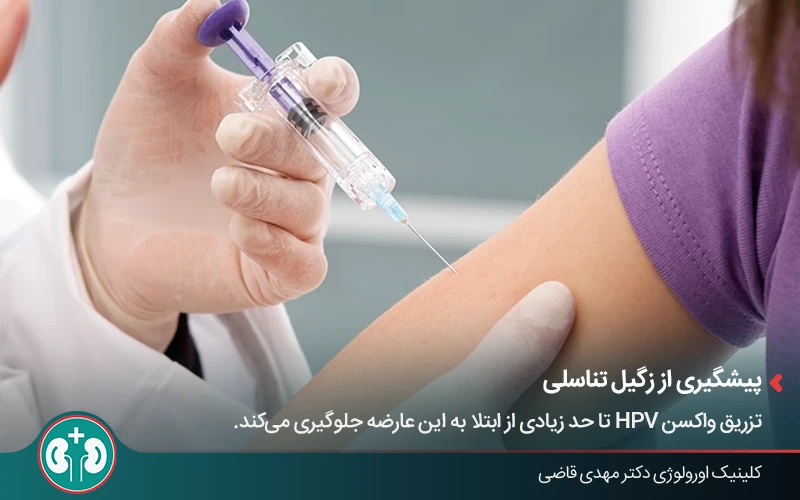
The HPV vaccine is one of the most effective ways to prevent this condition. These vaccines strengthen the immune system and help the body mount a protective response to different HPV strains. After vaccination, the body can prevent abnormal cell growth, and as a result, the risk of developing this skin lesion becomes close to zero. Gardasil and Papilloguard vaccines are currently available in Iran. From age 9 to 45, receive the vaccine in two or three doses according to the physician's recommendation.
Gardasil 9 vaccine: This vaccine is a 9-valent vaccine, and according to a statement by the World Health Organization it protects against 9 HPV strains (58, 52, 45, 33, 31, 18, 16, 11, and 6) that cause cervical cancer and genital warts.
Gardasil 4 vaccine: This quadrivalent vaccine protects the immune system against HPV-6 and HPV-11 strains. It is less effective than the Gardasil 9 vaccine.
Papilloguard vaccine: This bivalent vaccine in Iran protects the body against the high-risk strains HPV-16 and HPV-18, which cause cancer in women and men. It does not protect the body against the low-risk strains that lead to genital warts.
Cervarix is one of the bivalent vaccines and protects the body against two low-risk and high-risk strains (16 and 18) of this virus. This vaccine is scarce in Iran, and only Gardasil 9, Gardasil 4, and Papilloguard vaccines are available for sale.
Strengthening the immune system
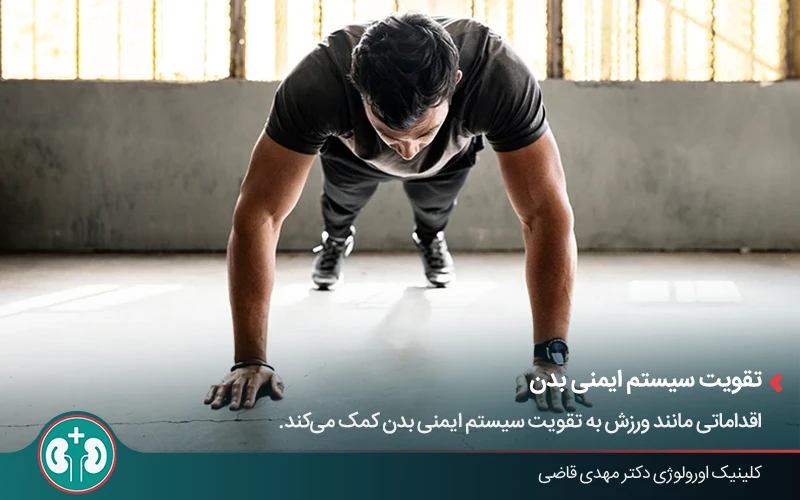
The immune system is the most important defense against HPV, and vaccination is considered the most important way to strengthen immune protection against it. A healthy lifestyle is a positive choice for preventing this condition. Daily physical activity helps strengthen the immune system and, by improving mood, greatly reduces stress, which weakens immunity. Adequate sleep helps produce normal cells and clear damaged cells, protecting the body against this virus. Healthy nutrition is essential for a healthy lifestyle and lowering the risk of genital warts; therefore, include a variety of nutrient-rich foods containing vitamins B and C in your daily diet.
Final thoughts
In this article, we reviewed medical, surgical, and laser methods for treating this skin lesion. Oral and topical medicines are used for medical treatment of this condition. In cryotherapy, the affected area is frozen with extreme cold and infected cells are destroyed. In CO2 laser treatment, which is one bladeless surgical method, the lesion is burned with laser beams. In electrocautery, the lesion is burned using electric current, and afterward, as the wart volume decreases and the skin is stimulated, healing begins. The physician recommends a treatment plan based on the number and size of the warts, age, and medical history. Be sure to consult a specialist before choosing a treatment method so the best option can be recommended for your circumstances.
Hygiene care after treatment plays a key role in the likelihood of this skin lesion returning; one such care measure is avoiding sexual intercourse during recovery. Vaccination and protected sex play an important role in preventing HPV infection and reducing the risk of genital warts.
Frequently asked questions
Actions & related links
Doctors for this topic in Mashhad
See all doctors: Best Male Genital Warts Doctors in Mashhad




About the author

Urologic Surgeon
دکتر مهدی قاضی, Urologic Surgeon in Mashhad. Articles on this site are written and reviewed under the supervision of the Urology Building's physicians.
View profile & bookRelated articles
All articlesWhat Is Polycystic Kidney Disease? (Fetal and Adult PKD)
دکتر مهدی قاضی · June 26, 2026
What Is a Renal Cortical Cyst? Symptoms, Diagnosis, and Treatment
دکتر مهدی قاضی · June 26, 2026
Kidney Transplant: Cost, Blood Type Compatibility, and Surgical Method
دکتر مهدی قاضی · June 26, 2026
What Is Pyelonephritis? Kidney Infection Symptoms, Diagnosis, and Treatment
دکتر مهدی قاضی · June 26, 2026
Comments
0 comments
No comments yet. Be the first to share your thoughts.