
 Tap to zoom
A Complete Review of genital warts Complications in Men: Consequences of Ignoring Treatment
- نویسنده
- دکتر مهدی قاضی
- Published on
- June 26, 2026
- Reading time
- 5 min read
- Last updated
- Updated: June 27, 2026
Complications of genital warts in men are an issue many men face, but often do not understand well enough. For some, these skin lesions seem to be only a temporary cosmetic problem, while the reality is different.
HPV, the main cause of genital warts, is not limited to women and in men can also cause important complications such as infertility, chronic inflammation, sexual disorders, and even cancer of the penis, anus, or throat. Neglecting timely treatment paves the way for progression of wart disease and causes repeated recurrence and long-term involvement of the reproductive system.
Laser, cryotherapy and surgical removal of genital warts (HPV) Genital warts treatment for men in Mashhad
Specialized treatment of genital warts in men at an equipped center, provided by experienced physicians using current medical equipment and treatment methods.

Book appointment
In this article, we review the early and progressive symptoms of genital warts in men in a precise and scientific way, discuss the risks of ignoring treatment, explain the relationship between this disease, infertility, and cancer, and finally describe prevention and management strategies.
If you or someone close to you is facing this concern, reading this article can be an important step toward awareness, health, and making the right decision. Stay with us to the end.
What Are the Symptoms of genital warts in Men?
Male genital warts are one of the most common complications of infection with human papillomavirus (Human papillomavirus), which is usually transmitted through sexual contact.
Appointments related to Laser, cryotherapy and surgical removal of genital warts (HPV) Genital warts treatment for men in Mashhad
Open the public booking path to review times and related information.
Book appointment
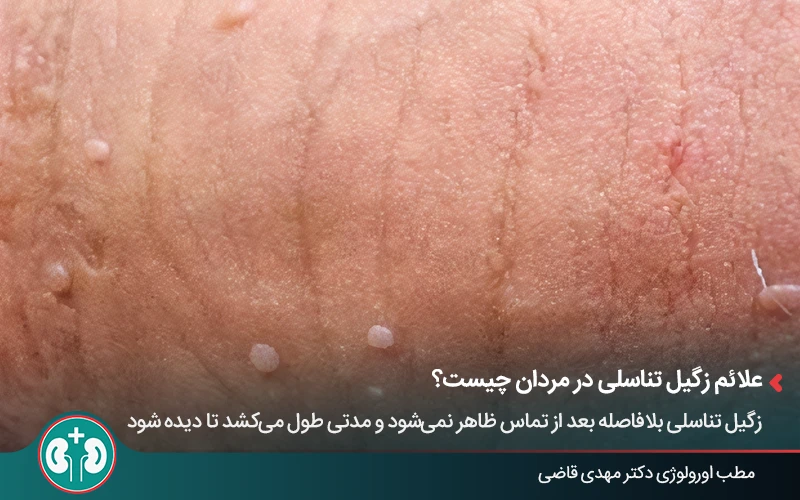
These lesions do not always appear immediately after contact and may take weeks or even months to become visible. Recognizing the early symptoms of this disease helps with faster diagnosis and timely treatment.
Below, we have listed the symptoms of genital warts in men:
Small, rough bumps appear on or around the skin of the penis.
The warts may be white, pink, or the same color as the skin.
These lesions are usually painless.
Warts can grow singly or in clusters resembling cauliflower.
They most often appear on the penis, scrotum, perineum (between the anus and penis), or around the anus.
In some men, the warts cause itching or burning.
Sometimes mild bleeding is seen at the site of the wart.
Some people feel discomfort or pain during sexual intercourse or urination.
If the warts are constantly irritated or rubbed, they may develop more intense itching, burning, or even a superficial ulcer.
How Are Male genital warts Diagnosed?
The physician usually diagnoses genital warts with a simple examination. During this examination, the genital area, scrotum, perineum, and, if needed, the area around the anus are checked. This is because the shape and location of the lesion are usually sufficient for diagnosis.
Q&A — Laser, cryotherapy and surgical removal of genital warts (HPV) Genital warts treatment for men in Mashhad
General questions are shown on the destination page after review.
Book appointment
If the appearance of the warts is unusual or the physician suspects a specific type of virus, an HPV typing test is ordered to determine the exact virus type. In cases where there may be warts inside the anus, the physician uses an instrument called an anoscope to examine the anal canal.
In this way, diagnosis of genital warts is usually simple and requires testing or more detailed evaluation only in special situations.
Symptoms of Chronic genital warts
If HPV remains in the body for a long time and appropriate treatment or control is not carried out, the warts can become chronic. In this situation, the lesions gradually change shape and usually have a more bothersome appearance and symptoms than in the early stages, as follows:
Warts become larger and thicker
Clustered spread and a rougher surface
Inflammation or ulceration of the skin around the involved area
Increased likelihood of itching, localized pain, or discharge from the lesions
Do Untreated genital warts Have Complications?
Yes. If genital warts are not treated, they can cause multiple complications. Although in most cases HPV infection is cleared spontaneously by the immune system within two years, this does not mean the disease is harmless. Below are the most important complications of untreated warts:
In some cases, untreated warts may cause localized secondary infections after irritation or scratching.
Psychological effects such as sexual performance anxiety or reduced sexual desire are among the complications of this condition.
Urethral obstruction by large warts can lead to burning or difficulty urinating.
In chronic cases or in people with immune deficiency, the likelihood of penile cancer caused by high-risk HPV types, especially type 16, increases.
The harms of male genital warts are not limited to the body. Worry about transmission to a sexual partner, shame, loss of self-confidence, and relationship problems are significant psychological effects of this condition.
Now, to help you better understand the consequences of not treating genital warts, we have summarized the complications of non-treatment in the table below:
Type of Complication | Possible Symptoms | Risk Level | Is It Preventable? |
|---|---|---|---|
Infertility | Reduced sperm quality, chronic testicular inflammation | Moderate to high | Yes |
Penile cancer | Persistent ulcer, foul-smelling discharge, resistant pain | High | Yes (with vaccine) |
Urinary tract infection | Burning, frequent urination, pelvic pain | Moderate | Yes |
Sexual disorders | Reduced desire, erectile dysfunction, performance anxiety | Moderate | Yes |
Secondary wart infections | Inflammation, pus, bad odor, bleeding | Low to moderate | Yes |
Risks and Complications of genital warts in Men
Although genital warts may seem asymptomatic and harmless, as mentioned earlier, ignoring or not treating them can have serious consequences.
These warts are caused by HPV, and some types of this virus are directly related to cancer and fertility problems. If the virus remains in the body, it can turn from a simple lesion into larger problems. Therefore, the most important harms of genital warts in men are as follows:
Increased risk of penile cancer
Impaired sperm quality and infertility
Chronic inflammation in the genital area or urinary tract
Ongoing transmission of infection to the sexual partner
Ulcer formation, bad odor, and secondary infections
Severe psychological impact on sexual desire and performance
Do genital warts Cause Infertility in Men?
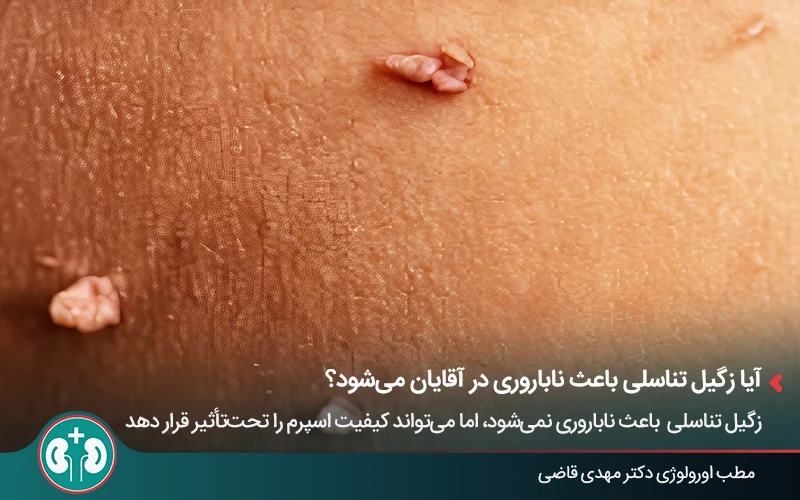
genital warts do not directly cause infertility, but some HPV types can affect sperm quality. Research has shown that HPV in semen may reduce sperm motility and lower the chance of fertility.
This effect usually occurs through reduced sperm count and motility, damage to sperm DNA, inflammation in genital tissues such as the testis or epididymis, and in some cases partial obstruction in the path of semen outflow.
For this reason, although definite infertility is not seen in all affected men, the presence of the virus can reduce fertility chances in some men.
The Relationship Between HPV and Male Penile Cancer
HPV types 16 and 18 are considered high-risk genital warts virus types and, if they remain in the body for a long time, can become malignant. For this reason, about 40 to 50% of all cases of penile cancer (Penile Cancer) are associated with HPV, and HPV-16 accounts for about 60 to 63% of HPV-positive cases.
However, according to the CDC in 2023, the HPV vaccine is effective in preventing more than 90% of cancers related to high-risk HPV types, especially HPV-16 and HPV-18. This includes cervical cancer, anal cancer, and some cases of penile, throat, and oral cancer.
Involvement of the Male Urinary Tract With HPV
Sometimes genital warts develop exactly at the urethral opening. In this situation, the person may face problems that make daily life and even passing urine more difficult.
The most common signs in this situation include burning or pain during urination, unusual discharge from the urethra, or a feeling of pressure and blockage in the urinary pathway. In some men, this condition can also cause frequent urination or even chronic urethral inflammation.
Relationship Between genital warts and Male Sexual Disorders
genital warts are not only a physical problem; even if they are painless, they can still create major psychological pressure. Many men develop lower sexual desire because of fear of transmitting the disease. Anxiety and worry also cause stress during intercourse or affect sexual performance.
On the other hand, changes in the appearance of the genital area can cause shame or reduced self-confidence. This issue leads some people to avoid sexual intercourse, and as a result their emotional or married life is also harmed.
Secondary Infections Caused by HPV in Men
If the warts become scratched, inflamed, or ulcerated, they create a suitable site for bacterial entry. Below, we draw your attention to some signs of secondary infection caused by HPV:
Purulent discharge or bad odor
Redness or swelling around the wart
Pain or bleeding
Increase in the number of lesions over a short time
When Do genital warts Become Chronic in Men?
In some people, especially those with a weaker immune system, genital warts may be recurrent or resistant to treatment. Signs that can indicate long-term persistence of HPV infection include:
Recurrence of warts after several treatments
Persistence of warts for more than 6 months in healthy people, or longer in immunodeficient patients
Reduced response to common treatments such as cryotherapy or imiquimod (Imiquimod)
Spread of warts to new areas, especially in HIV-positive patients
Prevalence of HPV Complications in Men
Based on data from official CDC sources, the prevalence of HPV complications in men is as follows:
Statistical Indicator | Approximate Rate |
|---|---|
Lifetime prevalence of HPV in sexually active men (at least once) | About 40%-50% |
Percentage of HPV-positive men with high-risk types (16, 18, etc.) | 15%-30% |
Risk of HPV-related cancer in men | Less than 1% |
Global prevalence of HPV as a sexually transmitted infection (Sexually transmitted infection) | About 20% |
Why Do Men Ignore Treatment for genital warts?
Ignoring treatment for genital warts is a common but concerning behavior among men. Although this disease appears benign, HPV complications in men can range from physical and psychological problems to the risk of transmission to a sexual partner or the development of some cancers.
Nevertheless, many men avoid pursuing treatment for different reasons. Below, we review the most important reasons men neglect treatment for genital warts:
Misconceptions About genital warts
Some men have misconceptions about this disease, which leads to delayed medical visits and even transmission of the virus to a sexual partner. genital warts can recur, spread, or in some cases be associated with high-risk HPV types if not treated. Some of these misconceptions are as follows:
genital warts get better on their own and do not need treatment.
This is only a cosmetic issue, not a serious disease.
genital warts do not cause cancer in men, and only women should worry about HPV.
Fear of Visiting a Doctor and Social Embarrassment
One of the most important barriers to treatment is cultural taboo and embarrassment about seeing a doctor. Many men are ashamed to raise their problem or worry about being judged by the physician or people around them. This feeling causes concealment and continuation of the disease cycle. In reality, treatment in the early stages is much simpler and less costly.
Low Awareness of the HPV Vaccine
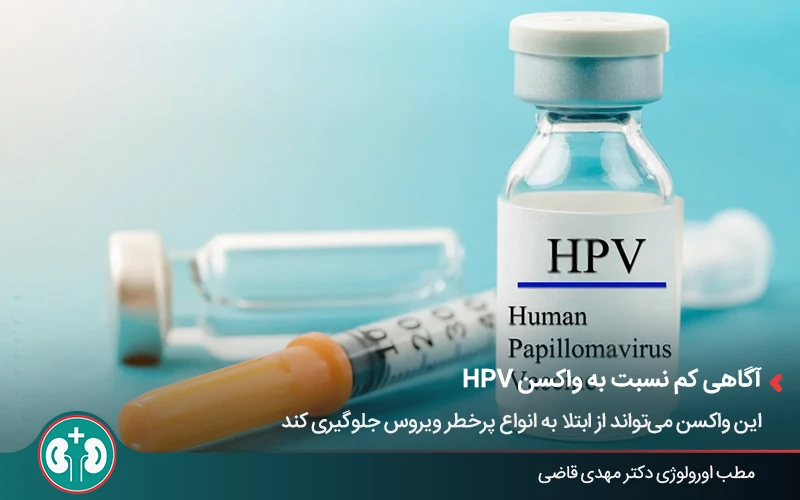
Many people still do not know that the HPV vaccine exists or understand its benefits. This vaccine can prevent infection with high-risk virus types and therefore prevent genital warts risks for men, such as penile, throat, or anal cancer. Unfortunately, low awareness of HPV has caused many men not to seek vaccination even at the appropriate age.
Are genital warts Dangerous in Men?
genital warts in men are not always benign. If they are caused by high-risk HPV types or are not treated, they can be associated with serious physical and psychological complications. Some of these risks affect the person himself, and others affect the sexual partner. The most important risks of warts for sexual health are as follows:
Increased risk of penile cancer if infected with HPV type 16 or 18
Increased likelihood of anal cancer up to 17-fold in men who have anal intercourse or are HIV-positive
Possibility of HPV-related cancers in the mouth, throat, and base of tongue
Transmission of the virus to a sexual partner even without symptoms
Visible and sometimes painful warts in the genital area or around the anus
Increased risk of cervical cancer in a female sexual partner if the virus is transmitted
Reduced sexual self-confidence, anxiety, and ongoing psychological worry
Chronic HPV infection in men with weak immunity or delayed treatment
Repeated wart recurrence after incomplete treatment or nonstandard self-treatment
Absence of symptoms in the early stages and the person's lack of awareness of infection
Symptoms of genital warts Progression
genital warts may remain unchanged in some people, but in others they grow or change shape over time. Recognizing the signs of progression can help with early diagnosis and prevention of complications. Some of the most important HPV symptoms in men are as follows:
Increase in the number and size of lesions in different areas
Cluster formation or lesions resembling cauliflower
Greater roughness and change of texture to an irregular pattern
Itching, burning, or pain due to contact or friction
Bleeding, especially during sexual intercourse or irritation
Discomfort or urinary disturbance if the urethral area is involved
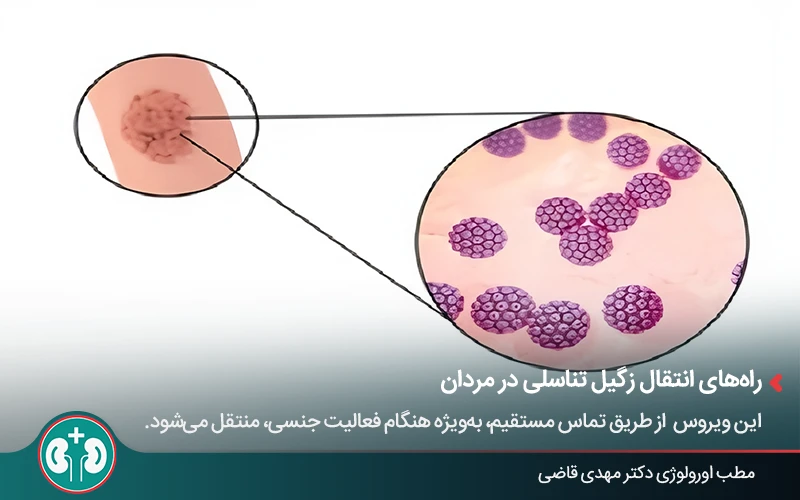
Routes of genital warts Transmission in Men
HPV in men is transmitted through direct skin-to-skin contact, especially during sexual activity. An infected person can transmit the virus even without visible symptoms. The most common transmission routes are as follows:
Vaginal sexual contact with an infected person
Anal sexual contact with an infected person
Oral sexual contact with a person carrying HPV
Contact between genital skin and an infected area even without penetration
Transmission of the virus from a person who has no symptoms but is a carrier
Do genital warts Increase Cancer Risk in Men?
genital warts are benign in most cases, but if they are caused by high-risk HPV types such as HPV-16 or HPV-18, cancer can occur in men. These virus types can gradually create changes in cells, and if the infection remains for a long time, they can create the background for cancer.
Although the likelihood of cancer in men is much lower than in women and does not have the same broad significance as cervical cancer, risks still exist. The cancers most associated with HPV in men include:
Anal cancer, which in more than 90% of cases is related to complications of anal genital warts.
Penile cancer, in which 60 to 70% of patients are infected with HPV.
Cancer of the throat, tonsil, and base of tongue, which is closely related to HPV-16, especially in men.
The problem is that many men are unaware they have HPV, because the virus usually remains asymptomatic and may stay active in the body for years. This lack of awareness gives cells enough time to enter precancerous stages.
Some groups are at higher risk than others, including men with weak immune systems, such as patients with HIV, men who have sex with men, and people who have multiple sexual partners or whose sexual partner is infected with HPV.
Ways to Prevent genital warts in Men
The HPV vaccine (HPV Vaccine) is one of the most effective strategies for preventing this disease, and according to the recommendation of the CDC, it can prevent up to 90% of HPV-related cancers. Other strategies for preventing genital warts in men include using condoms, limiting the number of sexual partners, and seeing a specialist early if initial symptoms appear.
Conclusion
genital warts are not just a superficial problem; if left untreated, they can lead to serious problems such as infertility, cancer, or sexual dysfunction. HPV, the main cause of this disease, remains asymptomatic in many cases, which makes diagnosis and prevention more difficult.
Men should be aware of warning symptoms and avoid delaying medical evaluation. Early referral to a specialist, completing treatment, and avoiding self-treatment are vital steps for controlling this disease.
Using appropriate diagnostic methods, maintaining sexual hygiene, and receiving HPV vaccination can prevent many complications of HPV. For more information, we suggest reading the comprehensive article on the risks and complications of genital warts.
Frequently Asked Questions
Actions & related links
Doctors for this topic in Mashhad
See all doctors: Best Male Infertility Doctors in Mashhad




About the author

Urologic Surgeon
دکتر مهدی قاضی, Urologic Surgeon in Mashhad. Articles on this site are written and reviewed under the supervision of the Urology Building's physicians.
View profile & bookRelated articles
All articlesWhat Is Polycystic Kidney Disease? (Fetal and Adult PKD)
دکتر مهدی قاضی · June 26, 2026
What Is a Renal Cortical Cyst? Symptoms, Diagnosis, and Treatment
دکتر مهدی قاضی · June 26, 2026
Kidney Transplant: Cost, Blood Type Compatibility, and Surgical Method
دکتر مهدی قاضی · June 26, 2026
What Is Pyelonephritis? Kidney Infection Symptoms, Diagnosis, and Treatment
دکتر مهدی قاضی · June 26, 2026
Comments
0 comments
No comments yet. Be the first to share your thoughts.