
 Tap to zoom
How Often Does Genital Herpes Recur?
Genital herpes recurrences vary from person to person. Learn common triggers, early warning symptoms, antiviral treatment, and ways to reduce transmission.
- نویسنده
- دکتر مهدی قاضی
- Published on
- June 26, 2026
- Reading time
- 2 min read
- Last updated
- Updated: July 20, 2026
The reality is that recurrence of genital herpes can vary from one person to another. During the first years after infection, outbreaks tend to occur more often and may happen every few weeks or every few months. Over time, and as the immune system becomes better at controlling the virus, recurrences usually become less frequent.
The main cause of genital herpes is HSV-2, although HSV-1 can also cause it. The virus hides in nerve clusters in the body called ganglia. These ganglia are nerve junctions in the pelvic region. In this state, the virus remains inactive in the body.
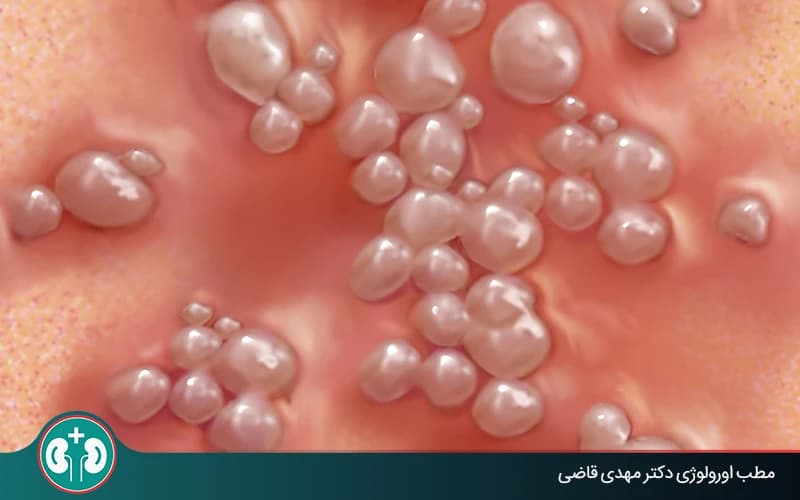
When a person is exposed to triggers such as severe stress, other illnesses, menstruation, extreme fatigue, skin injury, or a weakened immune system, the virus may reactivate and herpes symptoms, including painful sores and blisters, can appear again.


One of the most important ways to manage genital herpes and prevent frequent recurrences is to use antiviral medication. Medicines such as acyclovir can help reduce how often herpes returns.
Some people even sense that an outbreak is about to occur before visible genital herpes symptoms appear; these are called prodromal symptoms. In this situation, medication can reduce the duration and severity of symptoms. Another important point is that if your symptoms are severe or recurrences happen frequently, you should see a doctor for further evaluation and counseling.
Also, during a genital herpes recurrence, using a condom can greatly help reduce the risk of transmitting the virus to a sexual partner. During an active outbreak or warning symptoms, sexual contact should be avoided because the virus can spread.
Finally, it is important to know that genital herpes is a chronic condition that does not disappear completely. However, with appropriate treatment, medical counseling, and prevention measures, recurrences can be reduced effectively and transmission to others can be prevented.
Actions & related links
Doctors for this topic in Mashhad
See all doctors: Best Urologists in Mashhad



About the author

Urologic Surgeon
دکتر مهدی قاضی, Urologic Surgeon in Mashhad. Articles on this site are written and reviewed under the supervision of the Urology Building's physicians.
View profile & bookRelated articles
All articlesWhat Is Polycystic Kidney Disease? (Fetal and Adult PKD)
دکتر مهدی قاضی · June 26, 2026
What Is a Renal Cortical Cyst? Symptoms, Diagnosis, and Treatment
دکتر مهدی قاضی · June 26, 2026
Kidney Transplant: Cost, Blood Type Compatibility, and Surgical Method
دکتر مهدی قاضی · June 26, 2026
What Is Pyelonephritis? Kidney Infection Symptoms, Diagnosis, and Treatment
دکتر مهدی قاضی · June 26, 2026
Comments
2 comments