
 Tap to zoom
Female Tubectomy (Tubal Ligation): Benefits, Risks, and Complications
Tubectomy, or tubal ligation, is a permanent contraception method for women. Review who it may suit, legal context, techniques, risks, aftercare, and alternatives.
- نویسنده
- دکتر مهدی قاضی
- Published on
- June 26, 2026
- Reading time
- 5 min read
- Last updated
- Updated: June 26, 2026
Tubectomy, or tubal sterilization, is a permanent contraception method for women. Sometimes this term is mistakenly used as female vasectomy, whereas vasectomy is a contraception method for men. In vasectomy, the tubes that carry sperm are cut; in female tubectomy, the fallopian tubes are blocked. This surgery is usually performed along with cesarean delivery, vaginal delivery, or another surgery.
Tubal ligation in women is suitable for people who have made a definite decision not to have children in the future. One long-term consequence of female tubectomy is regret after sterilization. In this article, we review the benefits and drawbacks of female tubectomy compared with other contraception methods and the process of tubectomy surgery.
Female Tubectomy Surgery: A Permanent Pregnancy Prevention Method
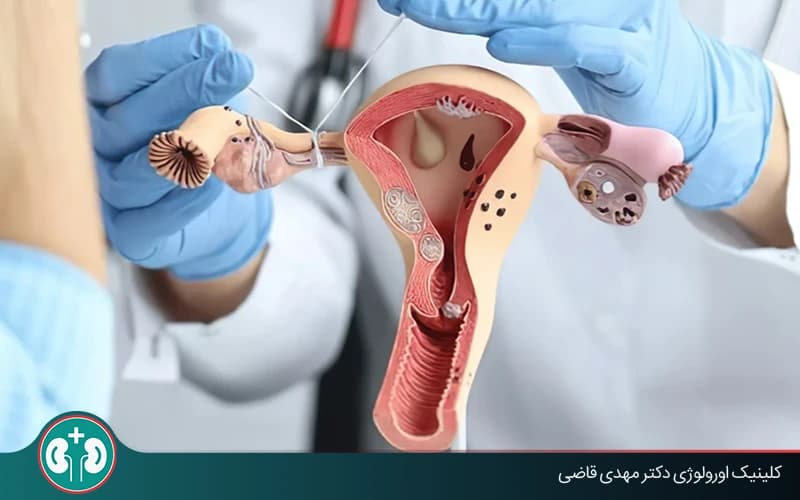
What is tubectomy surgery? Female sterilization is one method of contraception in which fallopian tube ligation is performed. These tubes are located on both sides of the uterus and receive eggs from the ovaries and move them to the uterus. When the fallopian tubes are blocked, the egg cannot meet sperm and pregnancy is prevented. Female tubectomy is usually performed after vaginal delivery, cesarean delivery, or during another surgery. To learn about the similar procedure in men, read the article What is vasectomy?.
Who is female tubectomy suitable for?
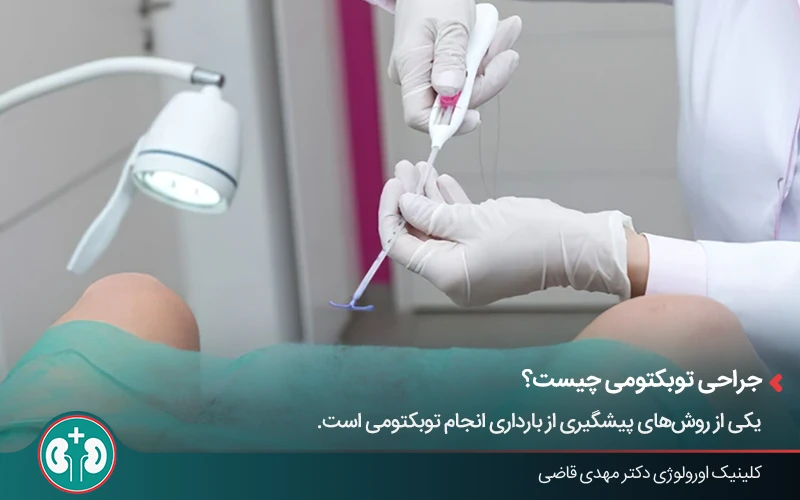
Tubal ligation is not suitable for people who are still unsure about having children in the future. It is also not suitable for people who have decided to prevent pregnancy temporarily because of emotional or financial problems. Female tubectomy is an appropriate choice when the person has the following conditions:
The person has a condition that makes pregnancy risky.
There are genetic problems, and the person has decided not to have children to avoid passing genes to a child.
Conditions for Tubal Ligation in 1404
In general, in Iran, according to Article 52 of the Family Protection and Youthful Population Law, female tubectomy as a permanent contraception method has been declared prohibited. When pregnancy poses serious risks to the person or causes severe physical complications, female tubectomy is permitted. Also, if other temporary treatment methods are not effective, female tubectomy can be performed. In Iran, the legal age for tubal ligation is over 35 years, and the person must have two children.
Benefits and Drawbacks of Female Tubectomy
Benefits of tubectomy surgery | Drawbacks of tubectomy surgery |
|---|---|
Permanent prevention of pregnancy | Possibility of long-term complications |
No effect on overall body health | Pain and bleeding may occur |
What Are the Methods and Process of Tubectomy in Women?
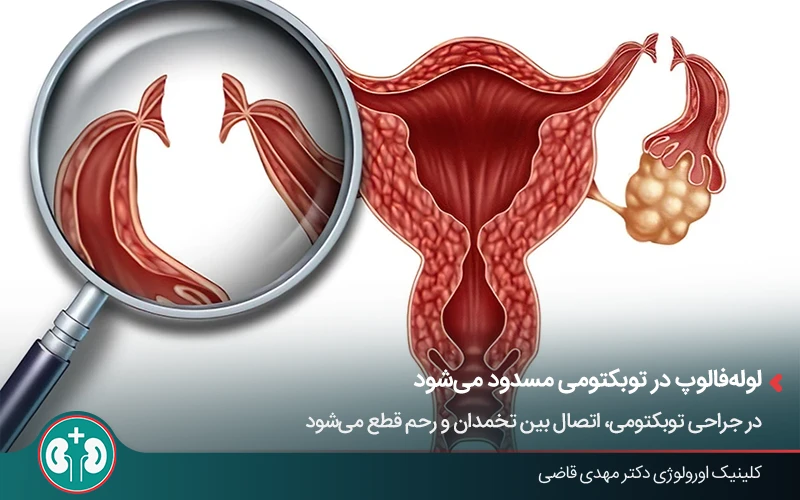
Female tubectomy is also known as tying the uterine tubes, and its purpose is to provide a permanent contraception method. Tubectomy for women is performed by abdominal or vaginal methods. In most cases, tubectomy in women is performed by the abdominal method, and the vaginal method is not used because of its serious complications. In this surgery, the fallopian tubes, which carry the egg from the ovary to the uterus, are blocked or cut to prevent sperm from reaching the egg and fertilization from occurring. Knowing the surgical methods helps a person understand the tubectomy process and make a more confident choice.
Laparoscopy method
This minimally invasive method is one of the most common forms of tubectomy surgery in women. During this surgery, the physician inserts a laparoscope, a thin medical instrument with a camera and light used to view and perform minimally invasive surgery inside the abdomen and pelvis, through a small abdominal incision. The physician then views the internal organs on a monitor and inserts a small instrument into the abdomen to block the uterine tubes.
Laparotomy method
In this method, the gynecologist creates a two- to five-inch incision in the abdomen and then brings the uterine tube up through the incision. In the next step of surgery, the tubes are cut and closed using clips. At the end of surgery, the physician closes the abdomen with absorbable sutures. Because this procedure is a type of open abdominal surgery, recovery may take several weeks. This surgery is usually performed along with delivery, either cesarean or vaginal, and the physician uses one incision for delivery of the baby and tubal ligation.
Mini-laparotomy method
In this method, the physician uses smaller incisions in the lower abdomen to access the fallopian tubes. This type of tubal ligation is usually performed 24 hours after vaginal delivery. Before surgery, the physician uses spinal anesthesia. After identifying the fallopian tubes, the physician brings them up to the incision site and blocks them with special suture.
Features | Laparoscopy | Laparotomy | Mini-laparotomy |
|---|---|---|---|
Effectiveness in preventing pregnancy | More than 99 percent | More than 99 percent | More than 99 percent |
Recovery period | 1 to 2 weeks | Several weeks | 1 to 2 weeks |
Advantages | Minimally invasive, less painful | More precise results | Can be performed in special situations, such as after delivery |
Disadvantages | Requires advanced instruments | Higher infection risk | More pain compared with laparoscopy |
Cost of Tubal Ligation in Women
The cost of tubectomy in Iran varies depending on the type of hospital, surgical method, and insurance coverage.
Long-term and Short-term Complications of Tubectomy Surgery
Tubectomy is an effective surgery for permanent pregnancy prevention and, like any other surgical procedure, may have short- and long-term complications. A person may feel abdominal pain after surgery. The type of anesthesia and how the surgery is performed affect side effects and their severity. Knowing the complications of female tubectomy helps a person review the risks and decide with greater confidence. Below are the most common short-term complications of this surgery:
Pain and discomfort: The person may feel pain or discomfort at the surgical site. This pain is usually similar to menstrual cramps.
Fatigue: The effects of anesthesia and the healing process can cause fatigue. It is better to avoid heavy activities during recovery.
Shoulder pain: During tubectomy surgery in women, the physician fills the abdomen with carbon dioxide (CO₂) gas to see the internal organs better. Although most of this gas leaves the body after surgery, some may remain. This gas can irritate nerves around the diaphragm, the muscle that helps with breathing, and cause shoulder pain, especially in the right shoulder. This pain is usually temporary and disappears after a few days. Light activity such as gentle walking, pain medicines, and adequate rest can help reduce this pain.
Bleeding: Mild vaginal bleeding or spotting in the first few days after surgery is normal and should stop after a short time. If bleeding continues, the person should see a physician immediately.
Infection: Like any surgery, tubectomy may carry a risk of infection at the incision site. Therefore, hygiene care and attention to warning signs are essential.
Delayed bowel movement: After tubectomy, a woman may develop constipation because of pain medicine use or reduced movement.
Long-term Complications of Tubectomy
Although most complications of tubectomy in women are short-term and resolve after a while, this surgery may also have long-term complications.
Ectopic pregnancy
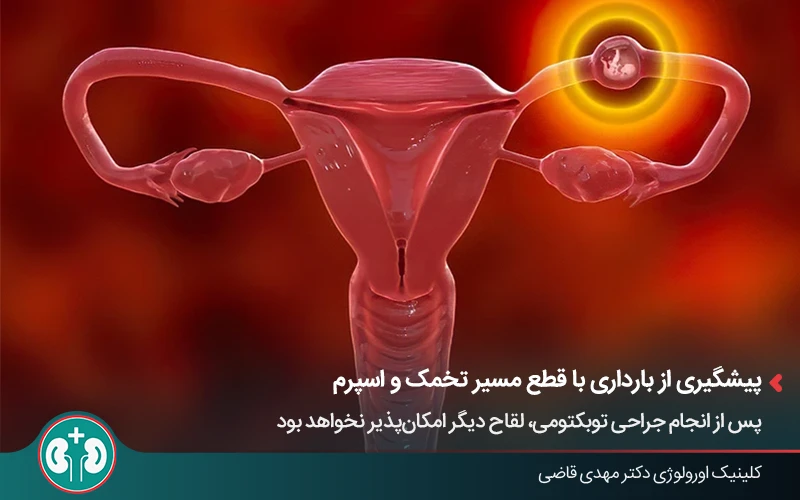
Although tubectomy works well as a permanent method for preventing pregnancy, pregnancy may occur in very rare cases. In such a situation, because the normal path of the tubes has changed, the fertilized egg may implant in the fallopian tubes or outside the uterus instead of in the uterus. Therefore, if pregnancy occurs after female tubectomy, urgent medical evaluation is necessary.
Psychological effects
Choosing tubectomy surgery as a permanent solution for preventing pregnancy is very important. After surgery, it may affect a person’s identity, sexual desire, and desire to have children.
Ways to Reduce Side Effects of Tubectomy
Although the complications of female tubectomy can be predicted and controlled, knowing how to reduce them helps manage side effects. The following approaches are introduced below:
Use of pain medicines: If pain and discomfort occur after treatment, use pain-relieving medicines to manage them.
Avoiding heavy activities: In the first days after surgery, avoid heavy activities such as vigorous exercise to prevent pressure on the surgical area.
Drinking enough water: Drinking enough water each day prevents constipation and bloating and speeds recovery.
Monitoring symptoms: If severe pain or bleeding continues after a few days, you should see a physician promptly.
Preoperative Health Care Before Fallopian Tube Ligation
Preparation before surgery has a major effect on the surgery process and recovery period. There are simple points that can help you go through this surgery more comfortably.
Consulting a physician and completing the necessary tests
Avoiding blood-thinning medicines such as aspirin
Following fasting instructions (8 hours before surgery)
Stopping smoking or alcohol 1 or 2 weeks before surgery
Keeping the surgical area clean
Wearing comfortable clothing on the day of surgery
Is Tubal Ligation Better in Men or Women?
In general, male sterilization (vasectomy) is safer and less invasive than female sterilization (tubectomy surgery). Although both surgeries are considered permanent solutions for preventing pregnancy, male vasectomy is preferred because of lower risk and an easier recovery period.
Comparison of Vasectomy and Female Tubectomy
Is vasectomy better or tubectomy? To choose an appropriate contraception method, it is better to compare vasectomy and female tubectomy across several dimensions. Below, these two surgeries are compared in terms of safety, effectiveness, and recovery period so you can make the best decision with specialist guidance.
1. Safety and invasiveness: Vasectomy surgery is usually performed under local anesthesia, and the source states that tubectomy safety is higher. Male vasectomy can have complications and risks including bleeding, infection, or, rarely, testicular pain. On the other hand, female tubectomy is also performed under general anesthesia or spinal anesthesia. Effects of female tubectomy include bleeding, infection, and, in very rare cases, ectopic pregnancy.
2. Effectiveness: The success rate of both methods in preventing pregnancy is above 90 percent. However, after vasectomy, men must have a follow-up test to confirm absence of sperm in the semen.
3. Recovery period: Men can usually resume normal activities 1 to 2 days after vasectomy, but female tubectomy usually requires 1 to 2 weeks of rest. Women should avoid heavy activities such as vigorous exercise during the rest period.
4. Reversibility: Reversal is possible for either surgical method, but it may fail.
Nutrition Recommendations After Tubectomy Surgery
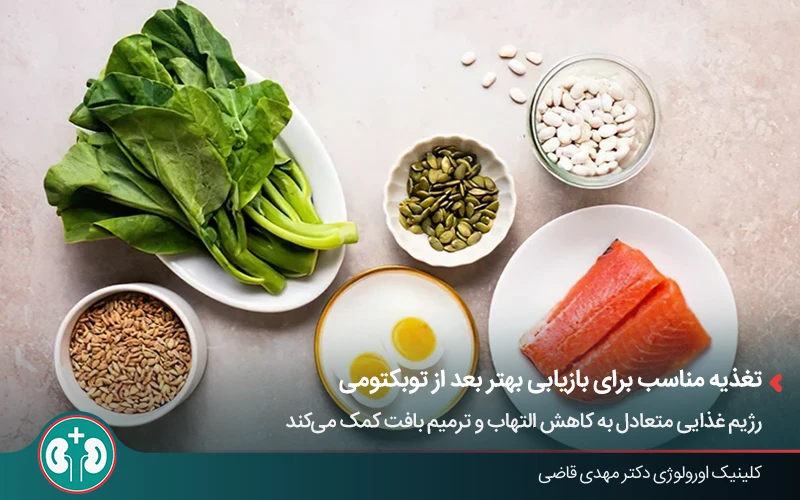
Proper nutrition plays a key role in speeding recovery after surgery. Foods eaten in the first days after surgery can help prevent possible surgical complications such as constipation and infection. In contrast, unhealthy foods slow recovery after surgery. During the recovery period, low-fiber foods should be avoided because they increase the likelihood of constipation. The table below introduces healthy and unhealthy foods, and it is best to avoid unhealthy foods during the rest period.
Recommended foods | Foods to avoid |
|---|---|
Fruits rich in vitamin C (orange, pomegranate) | Fatty and fried foods |
Green leafy vegetables (spinach and broccoli) | Processed foods |
Healthy proteins (chicken, fish, lentils, and beans) | Carbonated and sugary drinks |
Whole grains (oats and whole-grain bread) | Caffeinated drinks |
Full-fat dairy products (probiotic yogurt) | Cake and pastries |
Nuts and seeds (almonds and walnuts) | Salty foods (chips and salty snacks) |
Appropriate Timing for Female Tubectomy
No age limit has been announced for female tubectomy surgery. However, it is recommended after age 30, because before age 30 a person may not yet have made a definite decision about having children and may regret the choice after surgery.
Comparison of Female Tubectomy With Other Methods
The table below reviews women’s birth control methods so that, by comparing permanent contraception methods with a physician’s help, you can make an informed decision.
Features | Tubectomy | Birth control pills | Condom | Intrauterine device (IUD) |
|---|---|---|---|---|
Type of method | Permanent surgery | Hormonal / daily | Physical barrier | Non-hormonal or hormonal |
Success rate | 99 percent | 91 to 99 percent | 85 to 98 percent | 99 percent |
Duration of effect | Permanent | Short-term (daily) | Long-term (3 to 10 years) | Each time used |
Reversibility | Very low | Immediately after stopping the medicine | Immediately after stopping use | After device removal |
Possible side effects | Pain, infection | Nausea, weight gain | Skin sensitivity | Pelvic pain, irregular bleeding |
Protection against sexually transmitted diseases | No | No | Yes | No |
Health Care Checklist After Female Tubectomy Surgery
After tubectomy surgery, postoperative health care plays a key role in speeding recovery and reducing side effects. Following the physician’s instructions can minimize the risk of infection and bleeding. Below are the most important health points that can help reduce pain and side effects after surgery.
At least 24 to 48 hours of adequate rest after surgery
Avoiding heavy activities and vigorous exercise
Keeping the surgical site clean and dry
Avoiding non-prescribed lotions or ointments
Eating nutrient-rich foods
Consulting a Physician: The Most Important Step Before Female Tubectomy
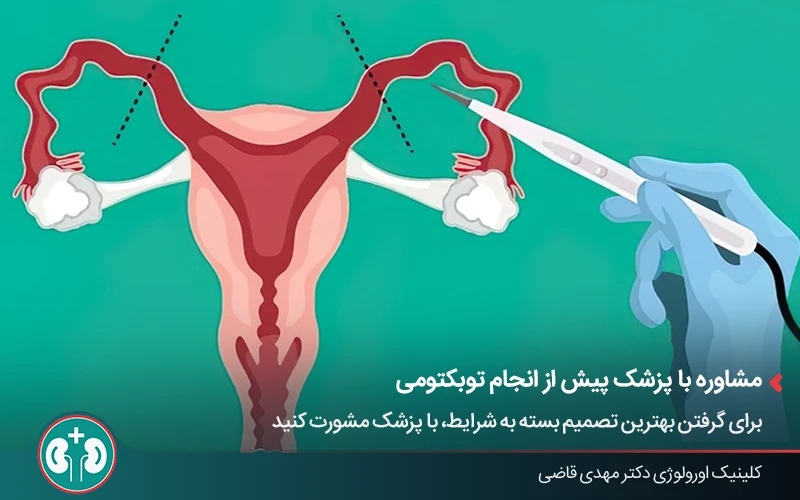
Tubectomy, or tying the uterine tubes, is one permanent method of contraception for women. The success rate of this surgery is above 99 percent, and it is usually performed after vaginal delivery, cesarean delivery, or another operation. Female tubectomy may have short-term side effects such as pain and bleeding. In general, in Iran, tubectomy is performed when pregnancy is dangerous for the woman. Before deciding, consult a gynecologist or urologist so you can make an informed choice.
Frequently Asked Questions
Actions & related links
Doctors for this topic in Mashhad
See all doctors: Best Urologists for Women in Mashhad




About the author

Urologic Surgeon
دکتر مهدی قاضی, Urologic Surgeon in Mashhad. Articles on this site are written and reviewed under the supervision of the Urology Building's physicians.
View profile & bookRelated articles
All articlesWhat Is Polycystic Kidney Disease? (Fetal and Adult PKD)
دکتر مهدی قاضی · June 26, 2026
What Is a Renal Cortical Cyst? Symptoms, Diagnosis, and Treatment
دکتر مهدی قاضی · June 26, 2026
Kidney Transplant: Cost, Blood Type Compatibility, and Surgical Method
دکتر مهدی قاضی · June 26, 2026
What Is Pyelonephritis? Kidney Infection Symptoms, Diagnosis, and Treatment
دکتر مهدی قاضی · June 26, 2026
Comments
2 comments