 Tap to zoom
Cystitis Treatment: Duration in Men and Women
Cystitis treatment depends on whether bladder inflammation is infectious or noninfectious. Learn about antibiotics, pain relief, bladder therapies, and prevention.
- نویسنده
- دکتر مهدی قاضی
- Published on
- June 26, 2026
- Reading time
- 5 min read
- Last updated
- Updated: June 27, 2026
Cystitis treatment varies from person to person because this condition can have different causes. Its level of risk also differs between patient groups.
The infectious type of cystitis may be treated with antibiotics such as cotrimoxazole, nitrofurantoin or fosfomycin (single dose) by completing the course of medication; But non-infectious inflammation sometimes requires clinical methods such as intravesical injection, physiotherapy or laser therapy.
Note that the type of inflammation and its cause is the main factor in choosing the treatment method; Even drug prescription is prescribed based on criteria such as gender, age, and the cause of infection, and its arbitrary use can cause disease recurrence, drug resistance, or more serious complications. Stay with us for more information about the types of bladder inflammation, their treatment methods.
What is cystitis?
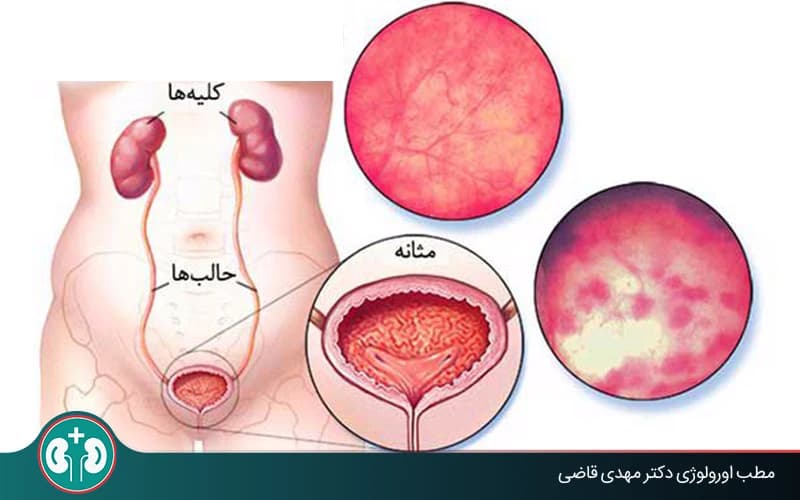
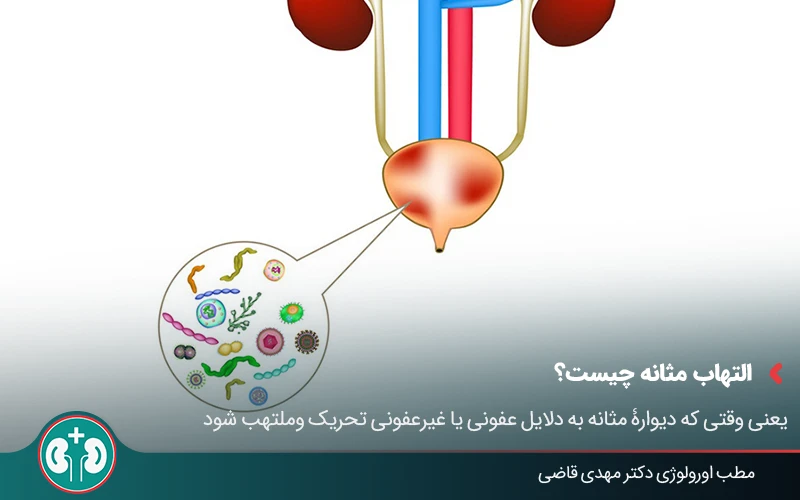
Inflammation of the bladder, which in medical terms is called it cystitis They say (Cystitis), that is, when the wall of the bladder is irritated and inflamed for various reasons. This inflammation leads to symptoms such as pain, burning, frequency and urgency in urination. Bladder inflammation can be infectious or non-infectious and according to this issue it is divided into 2 groups "acute cystitis" and "chronic cystitis". We will examine them further.
acute cystitis (infectious)
Acute cystitis is when inflammation of the bladder is accompanied by infection; For this reason, it is also called a bladder infection. In many cases, the main cause of infection is the entry of bacteria into the bladder.
Acute cystitis does not always occur due to the entry of an infectious agent into the urethra and bladder; In refractory cases, often an underlying disease such as urinary stones or prostate infection causes the bladder infection.
Chronic cystitis
In chronic cystitis, infection does not play a role in causing inflammation. In this case, the wall of the bladder may be inflamed and swollen for reasons such as reaction to chemicals (for example, in soaps) or physical damage. Even in cases such as chronic interstitial cystitis (IC), the exact cause of the inflammation is not fully known. This type of inflammation is chronic and painful and can last for months or even years.
Every bladder infection is a type of cystitis, but not every cystitis is necessarily caused by an infection. To put it simply, bladder infection is one of the most common causes of bladder inflammation, but it is not the only cause.
Factors and causes of bladder inflammation
As we said before, the causes of bladder inflammation fall into 2 infectious and non-infectious groups. We will examine these factors in more detail below.
Causes and infectious agents of bladder inflammation
The most common cause of bladder inflammation is bacterial infection; But sometimes virus or underlying diseases also cause bladder infection.
Escherichia coli bacteria
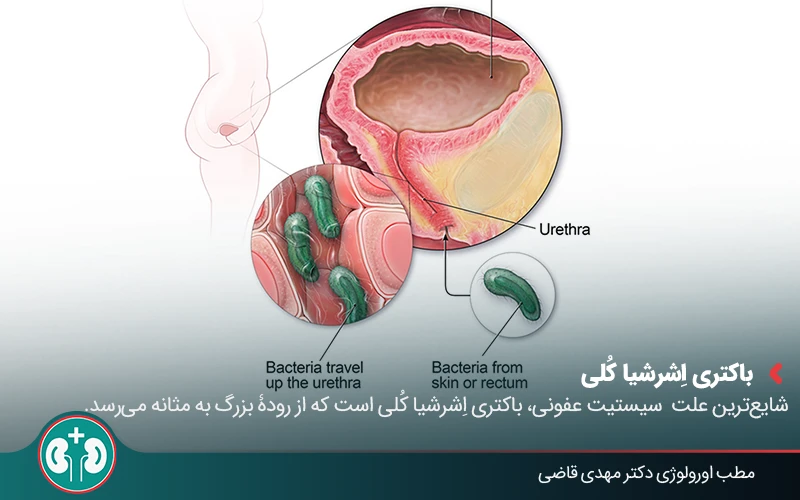
This condition usually occurs when bacteria enters the bladder from the urethra and starts multiplying. In most cases, bacterial infection and inflammation of the bladder is caused by the bacteria Escherichia coli, which naturally lives in the large intestine. For various reasons, such as poor hygiene or during sexual activity, these bacteria can be transferred to the urethra and move to the bladder.
BK virus
This virus has a latent period and is activated in immunocompromised patients and those who receive transplants and take immunosuppressive drugs. Inflammation caused by BK virus is associated with macroscopic bleeding.
underlying diseases
In some cases, bladder infection is caused by an underlying disease and the spread of their infection. For example, urinary stones or inflammation of the prostate may also cause infection and inflammation of the bladder. In this case, the bladder infection is more resistant to treatment and it recurs.
Non-infectious causes of bladder inflammation (pharmacological, chemical and chronic)
In some cases, inflammation of the bladder has nothing to do with infection and is caused by other factors. These factors include the following:
1. Chemical cystitis
Using some scented health products such as health sprays, soaps or washing gels can irritate the bladder wall and cause inflammation.
2. Bladder inflammation caused by drugs
Some chemotherapy drugs, such as cyclophosphamide and ifosfamide, can affect the bladder wall and cause severe bladder inflammation and bleeding by being excreted through urine. This serious complication with the name "hemorrhagic cystitis" It is recognized and needs to be checked by a doctor.
3. Prolonged physical stimulation
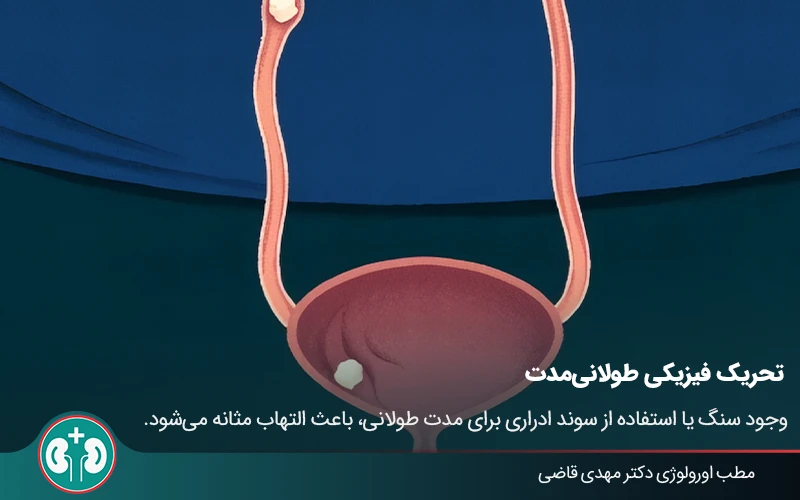
In case of long-term use due to catheter or urinary stones stuck in the bladder, the wall of the bladder will be damaged and inflamed due to physical impact.
Note: These 2 factors also play a role in causing infection and infectious cystitis.
4. Pelvic radiation therapy
Radiation therapy destroys cellular DNA in the bladder wall and blocks small vessels, causing cell death and reducing oxygen supply (ischemia) to the bladder tissue. This damage eventually leads to the hardening of the bladder wall (fibrosis) and the formation of superficial and fragile vessels that quickly tear and bleed.
Bladder inflammation symptoms
Bladder inflammation can show itself with various symptoms, the severity of which varies depending on the cause and type of inflammation (acute or chronic). Recognizing these symptoms helps people to see a urologist in time and start proper treatment. In the table below, we examine the symptoms of acute and chronic bladder inflammation separately:
Clinical sign | acute cystitis (infectious) | Chronic cystitis |
|---|---|---|
Type of pain/burning | Severe burning during defecation | Pressive pain in the lower abdomen when the bladder is full |
Urinary frequency | Yes, caused by irritation and contraction of the bladder wall | Yes, caused by trying to prevent bladder pain when full |
impotence | Common and urgent, due to the sudden contraction of the bladder | scarce |
Clarity of urine | Dull, smelly and dark | Usually clear and odorless |
bleeding (hematuria) | Usually mild and microscopic in some cases severe | Usually mild and microscopic in some cases severe |
course of the disease | sudden and short-term | Fluctuating and long-term |
fever | may be seen | Usually there is none |
Bladder inflammation symptoms in women
In general, the symptoms of bladder inflammation in women are not different from men; However, due to the different physiology of the urinary system, women are more exposed to infectious bladder inflammation than men, the symptoms of which we reviewed in the table above.
In women, due to the short urethra and its proximity to the anus, bacteria enter the urethra more easily; Therefore, infectious cystitis is common in this group.
Symptoms of cystitis in men
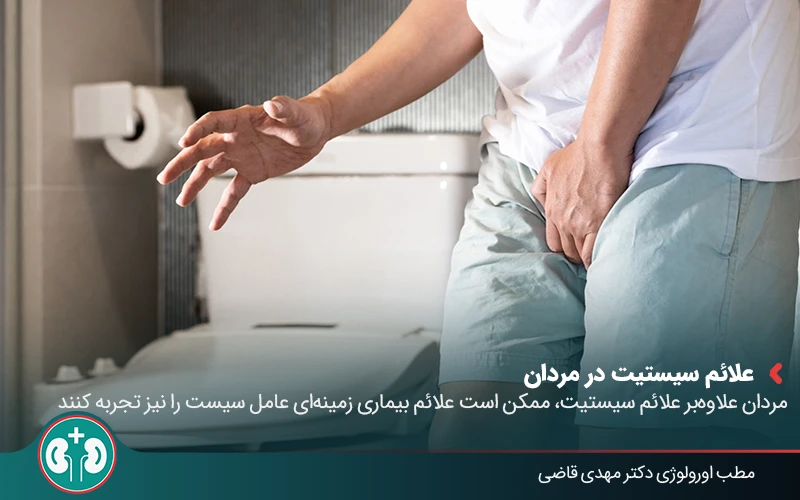
Although bladder inflammation is less prevalent in men than in women; But this disease is resistant and more serious in them. Bladder inflammation symptoms do not differ between men and women. Of course, if men get infectious inflammation; It is often due to an underlying disease. In this case, in addition to the symptoms of cystitis, they will experience the symptoms of the underlying disease at the same time.
Symptoms of bladder inflammation in children
Diagnosing cystitis in children may be more difficult due to their inability to accurately describe symptoms. Common symptoms of bladder inflammation in children include frequent urination, nocturia, sudden incontinence, foul smelling urine, and fever and lethargy. Cystitis in children always requires serious follow-up; Because the possibility of spreading the infection to the kidney is high in this group.

Bladder inflammation treatment methods
Choosing the right method to treat bladder inflammation depends on the cause of the disease (infectious or non-infectious) and the severity of the symptoms. In this section, we introduce the most common and reliable methods of treating bladder inflammation.
Drug treatment
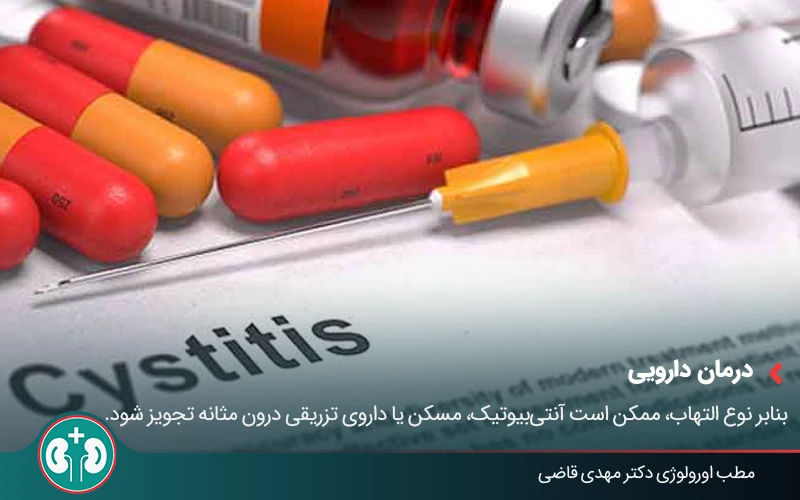
In many cases, the cause of the inflammation or the symptoms caused by it are resolved by taking medicine.
1. Antibiotics
If the cause of inflammation of the bladder, Bacterial infection Yes, the main treatment is taking antibiotics. The purpose of taking antibiotics is to remove the bacteria that cause inflammation, prevent recurrence and prevent progression to kidney infection. Based on the type of bacteria and the severity of the infection, the doctor will prescribe the appropriate antibiotic Bladder infection treatment prescribes
Common drugs:
Cotrimoxazole (contradicted in pregnancy)
Nitrofurantoin (contradicted in kidney patients and pregnant women)
fosfomycin (single dose)
Even if a person's symptoms improve prematurely, it is important to complete the course of treatment to prevent re-infection and bacterial resistance.
2. housing
Urologist may reduce the pain and discomfort caused by Acute and chronic bladder inflammation, taking painkillers such as Ibuprofen or acetaminophen to recommend Pay attention that painkillers do not eliminate the cause of inflammation.
3. Injection of medicine into the bladder
In severe cases, the doctor may prescribe medication inject into the bladder. The purpose of these drugs is usually to restore the mucous membrane of the bladder, reduce nerve excitability and pain, or reduce contraction. This method is used in treatment-resistant interstitial or chronic cystitis.
Some medicines:
Hyaluronic acid: Reducing nervous excitability
Botox (intramuscular to the bladder): Temporary paralysis and reduction of painful contractions
Non-pharmacological methods
In cases where cystitis is chronic or severe and does not respond to the usual treatments, the doctor may use more specialized methods.
1. Laser therapy - electrocautery
This method is used in severe and drug-resistant interstitial cystitis that leads to bleeding and severe pain. In this method, the doctor closes the wounds inside the bladder using a laser or electric current.
For this purpose, the doctor first observes the color and condition of the bladder wall using a thin and flexible tube called a cystoscope. This work helps to accurately diagnose the type of inflammation and its cause, including wounds or tumors. If necessary, treatment is also performed at the same time.
2. Pelvic floor physiotherapy
For patients with chronic pelvic pain caused by interstitial cystitis, physical therapy can help relax the pelvic floor muscles and reduce pain.
3. Nerve stimulation of the bladder
Nerve stimulation is a specialized method used to control the symptoms of interstitial cystitis or chronic cystitis resistant to other treatments. This method reduces the irritation of the bladder and the pain caused by inflammation by adjusting the nerve messages between the bladder and the spinal cord or brain.
Methods:
Sacral nerve stimulation: Electrode installation at the bottom of the spine
Posterior tibial nerve stimulation: Stimulation of the nerve behind the ankle with needles and electrical pulses during several sessions
In case of severe bleeding, you may be hospitalized and monitored for symptom management and bleeding control. In this case, the doctor will use a set of the above methods.
An important point about the treatment of bladder inflammation with traditional medicine methods
Currently, on social media or on the web, we see home and herbal methods to treat bladder inflammation, among which we can mention chamomile tea and horsetail plant.
The important point about these methods, which are popular with traditional medicine fans, is the lack of scientific support. These methods have not been confirmed by extensive and valid scientific research and experiments; For this reason, urology specialists do not recommend home treatment methods based on traditional medicine to their clients and patients.
Some tips to prevent recurrence of cystitis
In the continuation of this part of the article, we decide to state some important points to prevent bladder inflammation and prevent its recurrence after treatment. Observing these tips is not a guarantee of not getting bladder inflammation, but it can reduce the possibility of it:
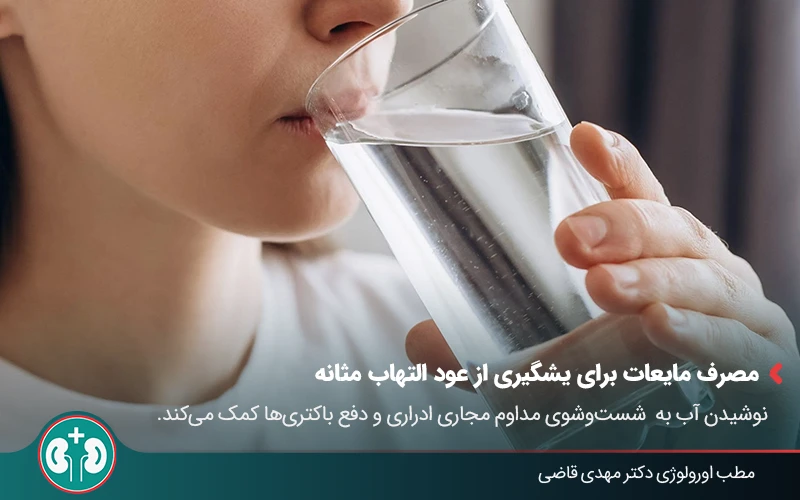
Drink enough water: Drinking at least 8 glasses of water a day helps to continuously wash the urinary tract and eliminate bacteria.
Do not hold your urine: Go to the bathroom as soon as you feel the need to urinate. Holding urine for a long time causes the accumulation of bacteria in the bladder.
Observe personal hygiene: In women, cleaning the genital area from front to back after using the toilet prevents the transfer of bacteria from the anus to the urethra.
Avoid irritating hygiene products: Do not use soaps, washing gels and scented health sprays that can irritate the genital area.
Wear cotton underwear: Cotton and loose underwear absorb moisture and help to ventilate the air, while tight and synthetic clothes provide a suitable environment for the growth of bacteria.
Have a healthy diet: Limit the consumption of stimulant foods and drinks such as coffee, alcohol, carbonated drinks and spicy foods and replace them with healthy foods.
Urinate after sexUrinating immediately after intercourse helps to flush out bacteria that may have entered the urethra during sexual activity.
Do not forget to take vitamin C: Vitamin C can help to acidify urine and inhibit the growth of bacteria.
Prevention way | Effectiveness in the prevention of infectious cystitis | Effectiveness in the prevention of chronic/non-infectious cystitis |
|---|---|---|
drinking water | very effective (Bladder washing and mechanical removal of bacteria) | effective (dilution of urine to reduce mucus irritation) |
Hygiene (washing from front to back) | effective (Prevention of bacteria entry E. coli) | unaffected (The cause of the disease is not bacterial) |
Urine after sex | very effective (Evacuation of introduced bacteria) | less effective (except to reduce muscle spasm) |
Stimulant elimination diet (caffeine, pepper, alcohol) | less effective (only relief of symptoms during infection) | very important (The main way to control the irritation and recurrence of the disease) |
Vitamin C intake | effective (urine acidification and bacteria inhibition) | harmful/forbidden (Urine acidification causes severe pain in chronic cystitis) |
Cotton and loose underwear | effective (Decreasing humidity and bacterial growth) | effective (reducing physical pressure on the pelvis and bladder) |
Stress management | unaffected | effective (Stress is the main cause of recurrence of interstitial cystitis) |
summary
Bladder inflammation or cystitis means inflammation of the bladder wall due to infectious or non-infectious reasons. This inflammation may be accompanied by microscopic or macroscopic bleeding. Depending on its type, cystitis may cause symptoms such as frequent and burning urination, bad smell and cloudy urine, lower abdominal pain or fever.
The infectious type of this disease is often treated with fluids and antibiotics; But chronic cystitis may require non-invasive and minimally invasive clinical methods such as intravesical injection, physiotherapy or nerve stimulation of the bladder.
The most important thing to treat bladder inflammation is to see a urologist immediately after seeing the symptoms of this disease. Because in some cases, there is a possibility of the infection spreading to the kidney or severe bladder bleeding.
Frequently asked questions
Actions & related links
Doctors for this topic in Mashhad
See all doctors: Best Urologists for Women in Mashhad




About the author

Urologic Surgeon
دکتر مهدی قاضی, Urologic Surgeon in Mashhad. Articles on this site are written and reviewed under the supervision of the Urology Building's physicians.
View profile & bookRelated articles
All articlesWhat Is Polycystic Kidney Disease? (Fetal and Adult PKD)
دکتر مهدی قاضی · June 26, 2026
What Is a Renal Cortical Cyst? Symptoms, Diagnosis, and Treatment
دکتر مهدی قاضی · June 26, 2026
Kidney Transplant: Cost, Blood Type Compatibility, and Surgical Method
دکتر مهدی قاضی · June 26, 2026
What Is Pyelonephritis? Kidney Infection Symptoms, Diagnosis, and Treatment
دکتر مهدی قاضی · June 26, 2026
Comments
0 comments
No comments yet. Be the first to share your thoughts.