 Tap to zoom
Cystitis: Causes, Diagnosis, and Treatment
Cystitis is inflammation of the bladder, most often caused by bacterial infection. Learn about common symptoms, risk factors, diagnosis, treatment options, and prevention.
- نویسنده
- دکتر مهدی قاضی
- Published on
- June 26, 2026
- Reading time
- 5 min read
- Last updated
- Updated: June 26, 2026
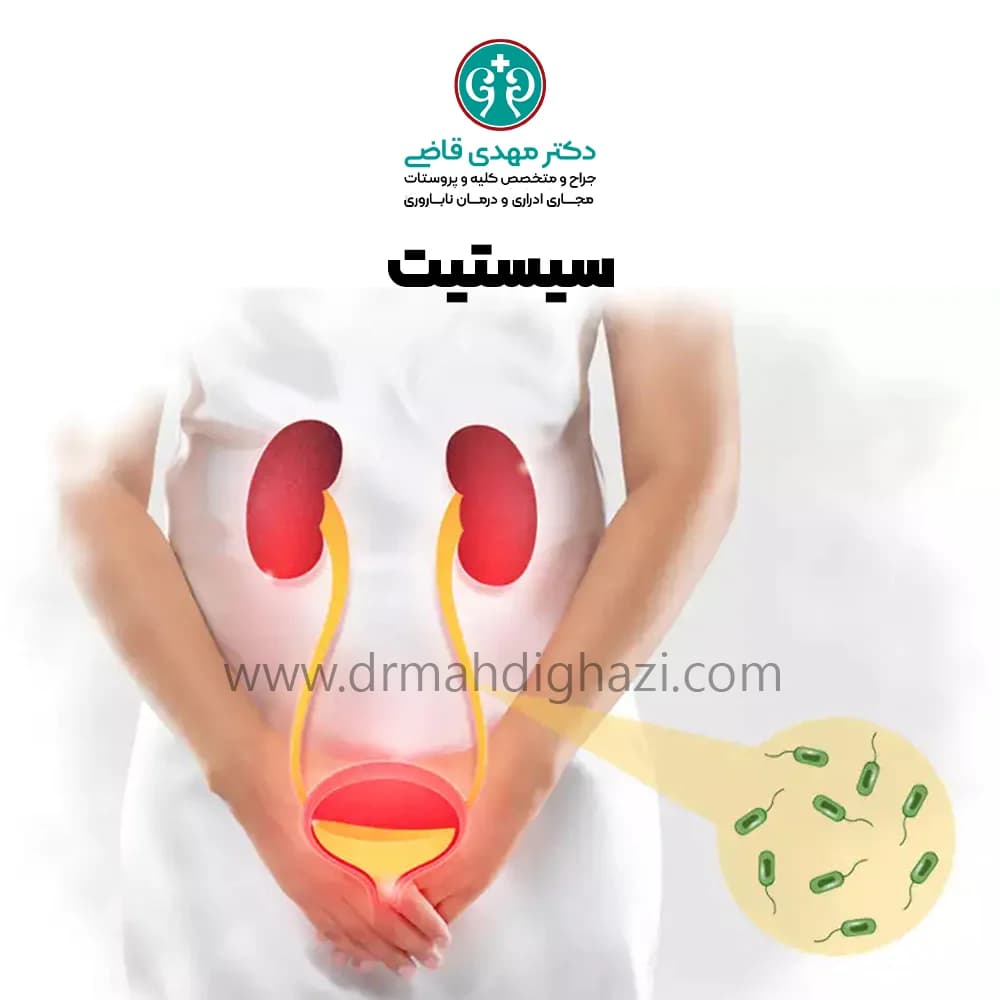
Cystitis, also known as inflammation of the bladder, is a common urinary tract problem that can develop for several reasons, including bacterial infections and noninfectious causes.
Cystitis can cause significant discomfort and, if not treated appropriately, may lead to more serious problems such as kidney infection.
This article provides a comprehensive review of cystitis, including its causes, symptoms, risk factors, diagnosis, treatment, and prevention.
Symptoms of Cystitis
Common symptoms of cystitis include:
Frequent need to urinate
Pain or burning during urination
Cloudy or foul-smelling urine
Low-grade fever.
Blood in the urine (hematuria)
Pain or pressure in the lower abdomen
If a bladder infection spreads to the kidneys, it can lead to more serious problems. Symptoms of kidney infection include nausea, vomiting, back or flank pain, and chills.
Causes of Cystitis
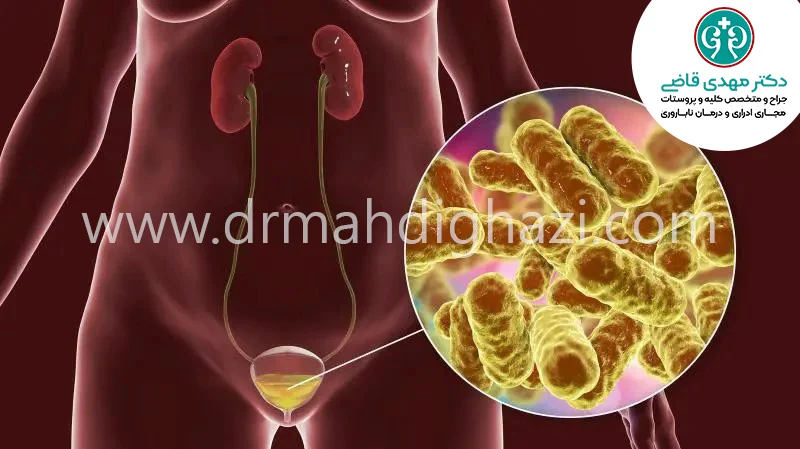
Cystitis can have several causes, which are generally grouped as infectious and noninfectious:
Infectious Causes
The most common cause of cystitis is a bacterial infection, usually caused by Escherichia coli (E. coli).
Hospital-acquired infections
Bladder infections that occur in hospital settings may be more difficult to treat because of bacterial resistance to antibiotics.
Noninfectious Causes
Medications
Some medications, such as chemotherapy drugs, can cause bladder inflammation.
Radiation therapy
Radiation therapy to the pelvic area can cause inflammatory changes in bladder tissue.
Long-term catheter use
Continuous catheter use can increase the risk of bacterial infections and bladder tissue injury.
Personal hygiene products
Use of irritant hygiene products, such as feminine hygiene sprays, spermicidal gel, and bubble bath, may trigger allergic reactions and bladder inflammation.
Prevalence of Cystitis in Women
Women develop cystitis more often than men. Contributing factors include:
Anatomy
The female urethra is shorter than the male urethra, allowing bacteria to reach the bladder more quickly.
Sexual activity
Sexual activity can transfer bacteria into the urethra.
Pregnancy
Hormonal changes during pregnancy can increase the risk of bladder infection.
Menopause
Hormonal changes after menopause can increase the risk of urinary tract infections.
Cystitis in Children
Cystitis can also occur in children, with symptoms and causes similar to those in adults. Symptoms of cystitis in children may include:
Recurrence of urinary incontinence
Children who had previously gained bladder control may develop urinary incontinence again.
Fever
Fever without a clear cause may be a sign of a urinary tract infection.
Irritability
Children may become irritable and fussy.
Diagnosing cystitis in children requires a urine test and consultation with a physician.
Treatment usually includes antibiotics and careful follow-up.
Risk Factors
Several factors can increase the risk of cystitis:
In women
Sexual activity
Sexual activity can transfer bacteria into the urethra.
Diaphragm use
Using a diaphragm with spermicides increases the risk of infection.
Pregnancy
Hormonal changes during pregnancy can increase the risk of bladder infection.
Menopause
Hormonal changes after menopause can increase the risk of urinary tract infections.
In men
Prostate enlargement can obstruct urine flow and increase the risk of infection.
Shared risk factors
Diabetes
People with diabetes are at higher risk of urinary tract infections.
Catheter use
Long-term catheter use increases the risk of infection.
Weakened immune system
People with a weakened immune system, such as those with HIV, are at higher risk of urinary tract infections.
Diagnosis of Cystitis
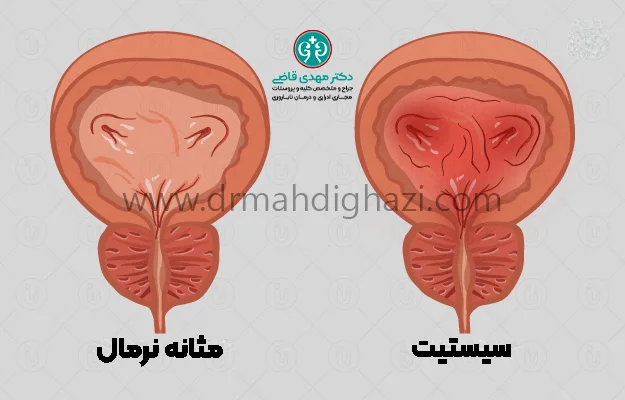
To diagnose cystitis, a physician may use the following methods:
Urinalysis
To check for bacteria, blood, or pus in the urine.
Urine culture
To identify the type of bacteria causing the infection.
Imaging
In selected cases, X-ray or ultrasound imaging is used to evaluate other possible causes of bladder inflammation, such as tumors or structural abnormalities.
Treatment of Cystitis
Treatment of cystitis depends on its cause:
Treatment of bacterial infection
AntibioticsThe first-line option for treating a bladder infection is antibiotics. The duration of antibiotic therapy depends on the severity of the infection.
Initial infection: Symptoms usually improve within a few days, but completing the full course of medication is necessary to ensure the infection has fully resolved.
Recurrent infection: For recurrent infections, a longer course of antibiotics and consultation with a urologist may be needed.
Hospital-acquired infection: These infections may require different antibiotics and specific treatment approaches.
Treatment of Interstitial Cystitis
Medications: Oral medications or medicines instilled directly into the bladder.
Nerve stimulation: Use of mild electrical stimulation to reduce pain and urinary frequency.
Surgery: As a last resort if other methods are not effective.
Treatment of Noninfectious Cystitis
Avoiding irritating products: Avoiding hygiene products that may irritate the bladder.
Drinking plenty of fluids: Drinking fluids to help flush irritants from the bladder.
Prevention of Cystitis
Ways to help prevent cystitis include:
Drinking plenty of fluids
especially water, to help flush out bacteria and prevent infection.Urinating regularly
Avoid holding urine for long periods.Wiping from front to back after bowel movements
To help prevent bacteria from moving from the anal area to the urethra.Bathing
Wash the skin around the genital area daily with mild soap.Urinating after sexual intercourse
to help flush bacteria from the urethra.Avoiding irritating hygiene products
Do not use sprays or hygiene products that may irritate the bladder.
Summary
Cystitis, or bladder inflammation, is a common condition that may be caused by bacterial infection, catheter use, medications, or other factors.
Symptoms include burning during urination, frequent urination, and pain in the lower abdomen. Prompt diagnosis and appropriate treatment can help prevent more serious complications.
Personal hygiene and preventive measures can reduce the risk of cystitis.
Frequently Asked Questions
Actions & related links
Doctors for this topic in Mashhad
See all doctors: Best Doctors for UTI & Urinary Incontinence in Mashhad




About the author

Urologic Surgeon
دکتر مهدی قاضی, Urologic Surgeon in Mashhad. Articles on this site are written and reviewed under the supervision of the Urology Building's physicians.
View profile & bookRelated articles
All articlesWhat Is Polycystic Kidney Disease? (Fetal and Adult PKD)
دکتر مهدی قاضی · June 26, 2026
What Is a Renal Cortical Cyst? Symptoms, Diagnosis, and Treatment
دکتر مهدی قاضی · June 26, 2026
Kidney Transplant: Cost, Blood Type Compatibility, and Surgical Method
دکتر مهدی قاضی · June 26, 2026
What Is Pyelonephritis? Kidney Infection Symptoms, Diagnosis, and Treatment
دکتر مهدی قاضی · June 26, 2026
Comments
0 comments
No comments yet. Be the first to share your thoughts.