 Tap to zoom
Chronic Testicular Pain: Diagnosis, Causes, and Treatment Options
- نویسنده
- دکتر مهدی قاضی
- Published on
- June 26, 2026
- Reading time
- 5 min read
- Last updated
- Updated: June 27, 2026
Chronic testicular pain or orchialgia refers to pain that lasts more than three months and may be continuous or intermittent. This pain can be very annoying for patients and affect their quality of life.
The correct diagnosis of the cause of pain is done according to examinations and paraclinics, and effective treatment can have a great impact on improving patients' conditions.
The most important causes of chronic testicular pain
Chronic pain in the testicles should be investigated in terms of the origin of the pain so that the urologist can consider the appropriate treatment for the patient. In the following, we will examine the most important and common causes of chronic pain in the testicles:
Infectious causes of chronic testicular pain
Epididymitis
Infection and inflammation of the epididymis (small tubes attached to the testicles that store sperm) is a common cause of testicular pain. This infection can be caused by bacteria, including sexually transmitted bacteria such as chlamydia and gonorrhea.prostatitis
Inflammation of the prostate It can lead to pain in the testicles. This inflammation may be caused by bacterial infection or non-infectious factors.
Neuromuscular disorders and chronic testicular pain
Neuropathy
Damage to the nerves in the genital or pelvic area can lead to chronic pain in the testicles. These injuries may be caused by surgery, trauma, or compression of the nerve.Chronic pelvic pain syndrome
This syndrome is a set of symptoms that include pain in the pelvis, prostate, and testicles. The exact cause of this syndrome is unclear, but it is probably caused by a combination of neurological and muscular factors.Central nervous system disorders
Sometimes, testicular pain can be the result of disorders in the central nervous system. Central nervous system disorders such as spinal problems or brain injuries can cause referred pain in the testicles.Musculoskeletal disorders
Some problems in the pelvis, back or surrounding muscles can be felt as referred pain in the testicles. For example, a herniated lumbar disc can put pressure on the nerves in the genital area and cause pain in the testicles.
Causes of physical and mechanical damage
testicular torsion
Twisting of the spermatic cord, which disrupts the blood supply to the testicle, can lead to severe and sudden pain. Although testicular torsion usually requires immediate treatment, milder torsions can cause chronic pain if left undiagnosed.Direct hits
Physical damage to the testicles can cause long-term pain, especially if the testicular tissue is severely damaged.
Systemic disorders and other related causes
varicocele
Enlargement of varicose veins inside the scrotum, which leads to blood accumulation and increased pressure. This condition can lead to chronic pain in the testicles.kidney stones
Sometimes, kidney stones or a blockage in the ureter can lead to radiating pain in the testicles.Inguinal hernia
Bowel protrusion through a weak point in the abdominal wall can lead to pain in the testicles.
Rare cases of chronic testicular pain
Testicular tumors
In rare cases, chronic testicular pain may be due to testicular tumors, which require careful examination by a doctor.Psychological causes
Psychological factors such as stress, anxiety or depression can lead to exacerbation or even chronic pain in the testicles.Autoimmune diseases
Some autoimmune diseases, in which the body's immune system mistakenly attacks its own tissues, can cause inflammation and pain in the testicles. One of these diseases is sarcoidosis, which can affect the testicular tissue.
Signs and symptoms of chronic testicular pain
Chronic testicular pain can affect a person's quality of life and is usually accompanied by the following signs and symptoms:
Local pain and variable intensity
The pain is usually felt in one or both testicles, but may also radiate to nearby areas such as the groin, lower abdomen, or back.
The intensity of pain can be variable; Some people may experience mild and constant pain, while others may experience severe, sudden pain. This pain may be aggravated by certain activities, such as lifting heavy objects.
Swelling and sensitivity to touch
In some cases, swelling or inflammation may be seen in the testicles or the area around them. This swelling can lead to a change in the shape or size of the testicle.
The testicles may be sensitive to touch, so that even slight touches can cause or aggravate pain.
Feeling of heaviness in the testicles
Some people with chronic testicular pain may feel heaviness or pressure in the testicles. This feeling can be aggravated by prolonged standing or physical activities.
Release of pain
Pain from orchialgia may spread to other areas such as the groin, thighs, or lower abdomen. This release of pain may be associated with daily activities or even rest.
Changes in sexual function
Some people may experience changes in their sexual function. These changes include decreased libido, pain during ejaculation, or erectile dysfunction, which may be caused by pain or stress associated with it.
Pain aggravating factors
physical activity
Strenuous physical activity, lifting heavy objects, or even sexual activity may aggravate the pain.body condition
In some cases, prolonged sitting or standing can aggravate the pain.
Symptoms related to the urinary system
In some cases, there may be symptoms related to the urinary system along with chronic testicular pain. These symptoms include burning when urinating, frequent urination, or feeling like the bladder is not emptying completely.
Psychiatric symptoms
Chronic testicular pain may be accompanied by psychological symptoms such as anxiety, depression and stress. These psychological conditions can lead to the aggravation of pain or feelings of frustration and fatigue in a person.
The correct diagnosis of chronic testicular pain requires a detailed evaluation by a urologist so that the underlying cause can be identified and appropriate treatment can be initiated.
Methods of diagnosing the cause of chronic testicular pain
Diagnosing the cause of chronic testicular pain is a multi-step process that includes clinical examination, imaging, and various tests. The purpose of these evaluations is to identify the exact cause of the pain and distinguish it from other similar clinical conditions.
Clinical examination
Patient history
The first step in diagnosis is to take a detailed history of the patient. The urologist asks about the duration of the pain, intensity, type and factors that aggravate or relieve it. Also, surgical records, sexually transmitted infections, and previous injuries to the genital area are also reviewed.Physical examination
Clinical examination includes a detailed examination of the testicles, epididymis, spermatic cord and groin area. The doctor will look for signs of swelling, lumps, tenderness, or changes in appearance.
Experiments
Urine test and urine culture
These tests are used to diagnose urinary tract or prostate infections. The presence of white blood cells, bacteria, or other signs of infection in the urine can help make the diagnosis.blood test
It may be ordered to check for signs of inflammation or infection, such as an increase in white blood cell count, C-reactive protein (CRP), or other inflammatory markers.
Imaging
Testicular ultrasound
Doppler ultrasound of the testicle is the first and most important imaging method to investigate testicular pain. This test can provide detailed information about the structure of the testicle, blood flow, and the presence of any lumps, cysts, or swelling. Also, testicular torsion,varicocele And epididymitis can be diagnosed with this method.MRI Hip and waist area
In cases where neurological causes or problems related to the spine are suspected, MRI can help differentiate these causes.
Additional reviews
Biopsy
In cases where a testicular tumor is suspected, a testicular biopsy may be performed for a more accurate diagnosis.Psychological tests
If physical causes for the pain are not found, psychological testing may be recommended to assess for stress, anxiety, or depression.
Treatment of chronic testicular pain
Treatment of chronic testicular pain depends on accurately identifying the underlying cause, but in many cases, a variety of treatments are available to relieve and manage the pain.
Drug treatment
Painkillers and anti-inflammatories
Using non-steroidal anti-inflammatory drugs (NSAIDs) such as ibuprofen or naproxen can help reduce pain and inflammation. These drugs are usually recommended as initial treatment.Antibiotics
If the cause of the pain is an infection, such as epididymitis or bacterial prostatitis, the urologist may prescribe a course of antibiotics.Antidepressants and anticonvulsants
In some cases, tricyclic antidepressants such as amitriptyline or anticonvulsants such as gabapentin and pregabalin, which are effective for painful neuropathies, may help reduce chronic pain.Nerve blocks
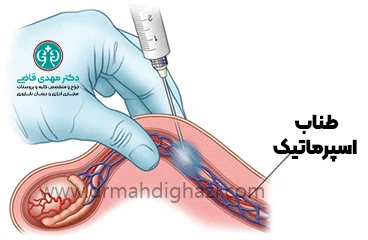
In some patients, nerve block injections (such as spermatic cord nerve block) may reduce pain. This method can temporarily or permanently relieve symptoms.
Physical therapy
Physiotherapy
In cases where the pain is caused by musculoskeletal disorders, physical therapy can be helpful. Physiotherapy techniques include stretching exercises, strengthening the pelvic floor muscles, and using heat or cold therapy methods.massage therapy
Gentle massage of the areas around the testicles and pelvic muscles can help reduce tension and relieve pain.
Surgical treatments
Varicocelectomy
In cases where varicocele (enlarged veins in the scrotum) is the cause of the pain, varicocelectomy surgery may be recommended. This surgery involves closing the enlarged veins to restore normal blood flow to the testicles.Reverse vasectomy
In some rare cases, people who after vasectomy have chronic testicular pain, they may benefit from reverse vasectomy.Spermatic cord block
In cases where the pain is intractable due to nerve damage, the nerves associated with the testicle may be cut. This method is especially considered in cases where other treatments have failed.
Removal of the epididymis (epididymectomy)
In certain cases where inflammation or damage in the epididymis is the cause of pain, its removal can relieve the pain.
Psychological and behavioral therapies
Psychological counseling
Since chronic testicular pain can be associated with psychological problems such as anxiety and depression, psychological counseling can help manage these problems and reduce pain.Stress management techniques
Stress reduction techniques such as meditation, yoga, and breathing exercises can help relieve pain.
Changes in lifestyle
Avoiding aggravating activities
Certain activities, such as lifting heavy objects or strenuous exercise, may aggravate the pain. Avoiding these activities can help reduce pain.Use of supportive clothing
Wearing supportive underwear that holds the testicles in place may help reduce pain.
Summary
Chronic testicular pain can be caused by many factors such as infections, physical injuries, neurological disorders and even psychological problems.
Correct diagnosis can prevent more serious problems from developing.
By using different treatment methods, including anti-inflammatory drugs, antibiotics, physical therapy and in some cases, surgery, this pain can be managed and the patient's quality of life can be improved.
The importance of visiting a urologist should not be ignored in case of such pain.
Frequently asked questions
Actions & related links
Doctors for this topic in Mashhad
See all doctors: Best Urologists in Mashhad




About the author

Urologic Surgeon
دکتر مهدی قاضی, Urologic Surgeon in Mashhad. Articles on this site are written and reviewed under the supervision of the Urology Building's physicians.
View profile & bookRelated articles
All articlesWhat Is Polycystic Kidney Disease? (Fetal and Adult PKD)
دکتر مهدی قاضی · June 26, 2026
What Is a Renal Cortical Cyst? Symptoms, Diagnosis, and Treatment
دکتر مهدی قاضی · June 26, 2026
Kidney Transplant: Cost, Blood Type Compatibility, and Surgical Method
دکتر مهدی قاضی · June 26, 2026
What Is Pyelonephritis? Kidney Infection Symptoms, Diagnosis, and Treatment
دکتر مهدی قاضی · June 26, 2026
Comments
3 comments