
 Tap to zoom
Bladder Cancer: Causes and Symptoms
Bladder cancer is abnormal growth in the bladder lining that may invade the bladder muscle. Learn about blood in the urine, risk factors, types, cystoscopy, and imaging tests.
- نویسنده
- دکتر مهدی قاضی
- Published on
- June 26, 2026
- Reading time
- 5 min read
- Last updated
- Updated: June 27, 2026
Bladder Cancer (Bladder Tumor)
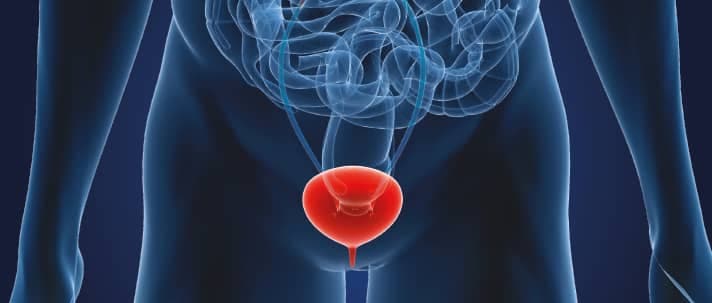
Bladder cancer is the growth of abnormal tissue on the inner lining of the bladder. In some cases, the tumor also grows into the muscles of the bladder wall.
The most common symptom of bladder cancer is blood in the urine, which is usually painless. If someone notices blood in the urine, even if it occurs only from time to time, they should see a urologist for further evaluation.
What Is Cancer?
Cancer occurs when the structure of genes inside cells changes in the DNA. These changes can alter how fast the cells grow, meaning the cells begin to grow and multiply uncontrollably and form masses called tumors.
Causes of Bladder Cancer

Most cases of bladder cancer appear to be caused by exposure to harmful substances that can produce abnormal changes in bladder cells over many years.
Tobacco and smoking:This is one of the common causes, and it appears that more than 1 in every 3 people with bladder cancer developed it because of smoking or inhaled substances such as opium.
Exposure to certain chemicals:Exposure to chemicals in factories is another cause of bladder cancer, although the use of such substances in factories is now limited. Exposure to some specific industrial chemicals is the second underlying risk factor for bladder cancer and accounts for about 25 percent of cases.
Occupations with greater exposure to bladder cancer risk include:
Paint manufacturing
Textile work
Painting
Plastic manufacturing
Leather production
Rubber manufacturing
Non-industrial occupations are also associated with bladder cancer, such as:

Drivers, including taxi and bus drivers, because they have prolonged exposure to diesel exhaust.
Other Predisposing Causes of Bladder Cancer
Other predisposing factors that increase the risk of bladder cancer include:
A history of radiotherapy to areas near the bladder, such as for bowel cancer
Previous exposure to certain chemotherapy drugs such ascyclophosphamide and cisplatin
Diabetes
People who have used a urinary catheter for years.
Recurrent and long-lasting urinary tract infections
Long-standing bladder stones
Early menopause (before age 45)
Untreated schistosomiasis infection, which is very rare in Iran.
Types of Bladder Cancer

Bladder tumors are classified as follows based on how far they have spread in the body:
Non-muscle-invasive bladder tumors:
If a bladder tumor is limited to the inner surface of the bladder wall, it is called a non-muscle-invasive tumor. This is the most common type of bladder tumor.
People who see a physician with this type of bladder tumor usually have a life expectancy similar to that of the general population if they continue regular follow-up.
Muscle-invasive bladder tumors:
If bladder tumors extend beyond the inner surface of the bladder and reach the muscles of the bladder wall, they are called muscle-invasive bladder tumors. These tumors are less common, but they are more likely to spread to other parts of the body and involve other areas.
Advanced or metastatic tumor:
If a bladder tumor spreads to parts of the body outside the bladder, it is called advanced bladder cancer or metastatic disease.
How Bladder Cancer Spreads
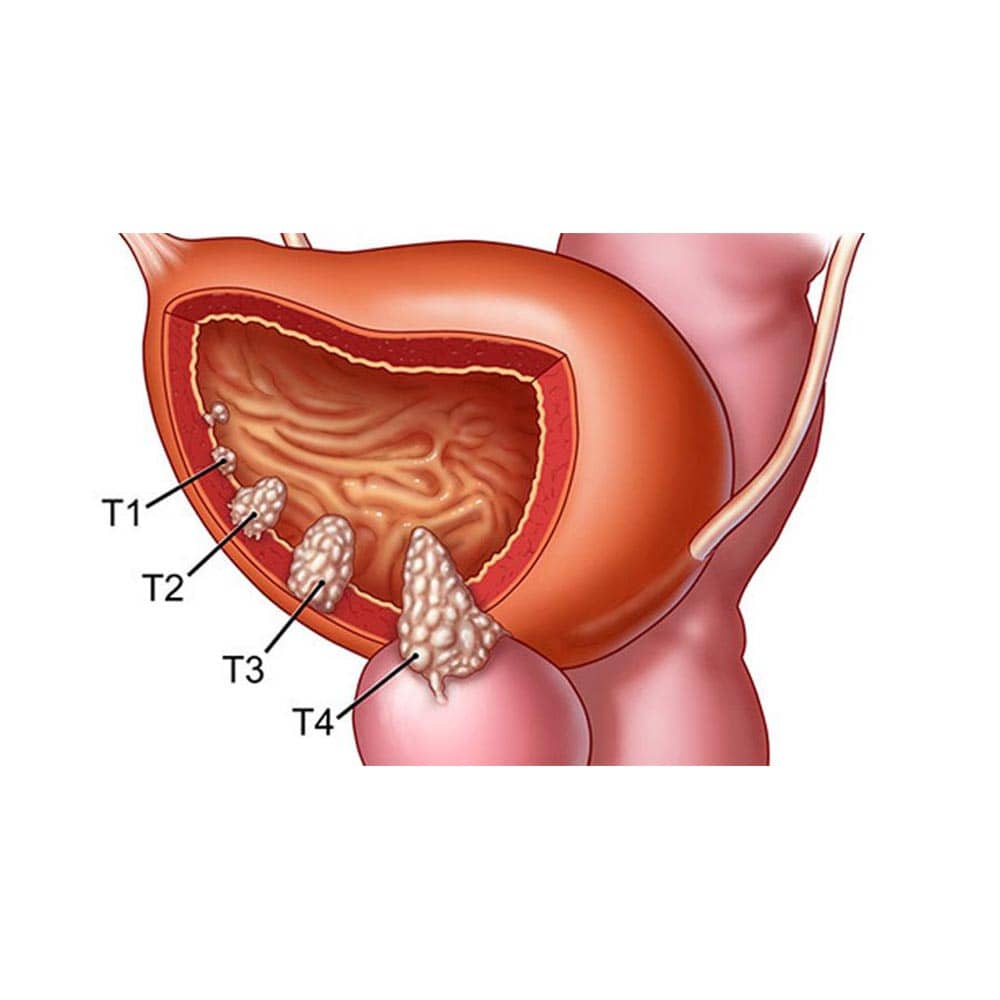
Bladder cancer begins in the superficial layer of the bladder wall and, in some cases, may reach the muscular wall of the bladder. In that situation, it may spread to other parts of the body through the lymphatic vascular system; this is called metastatic disease.
Who Is Affected?

This disease is more common in older adults, and most bladder cancer cases are diagnosed at age 60 or older.
This cancer is more common in men, because men generally smoke more and, because of their presence in industrial workplaces, are more likely to be exposed to high-risk chemicals.
Symptoms:
The most common symptom of bladder cancer:
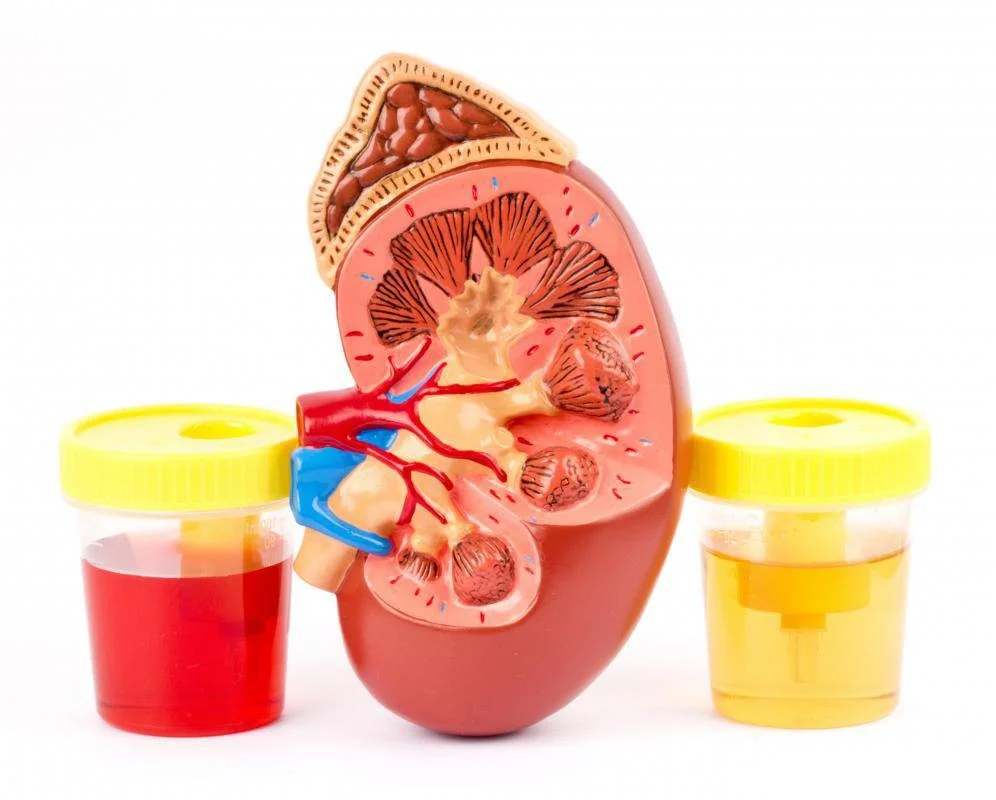
Blood in the urine is the most common symptom of bladder cancer (hematuria). It is usually painless, and a person may see streaks of blood in the urine, or the urine may become completely brown.
Blood in the urine is not always visible and may occur intermittently.
Less common symptoms of bladder cancer include the following:
Frequent urination or needing to use the restroom more often
A sudden urgent need to empty the bladder
Burning sensation during urination
If bladder cancer reaches an advanced stage and spreads, symptoms may include the following:
Pelvic pain
Bone pain
Unintentional weight loss
Swelling of the legs
Blood in the urine can also have other, more common causes, including:
Urinary tract infections, also called cystitis
Kidney infections
Kidney stones
Enlarged prostate in men
Urethral infection
Seeing a Urologist
At a visit with a urologist, a complete medical history is taken first. Previous illnesses, current medications, and any prior surgeries are then reviewed. The person may be referred for laboratory urine tests to check for blood, bacteria, or abnormal cells.
A physical examination is also performed to check for any possible mass in the body.
Hospital Referral
Hospital evaluation is used for the following:
Cystoscopy:
Cystoscopy is initially recommended for people with bladder cancer. Cystoscopy, or bladder endoscopy, allows the urologist to look inside the bladder using a thin tube with a camera and light at its tip. Before cystoscopy, local anesthesia is usually applied inside the urethra using gels, which helps the cystoscope pass into the bladder easily and without pain. This method takes about 5 minutes.
Imaging tests
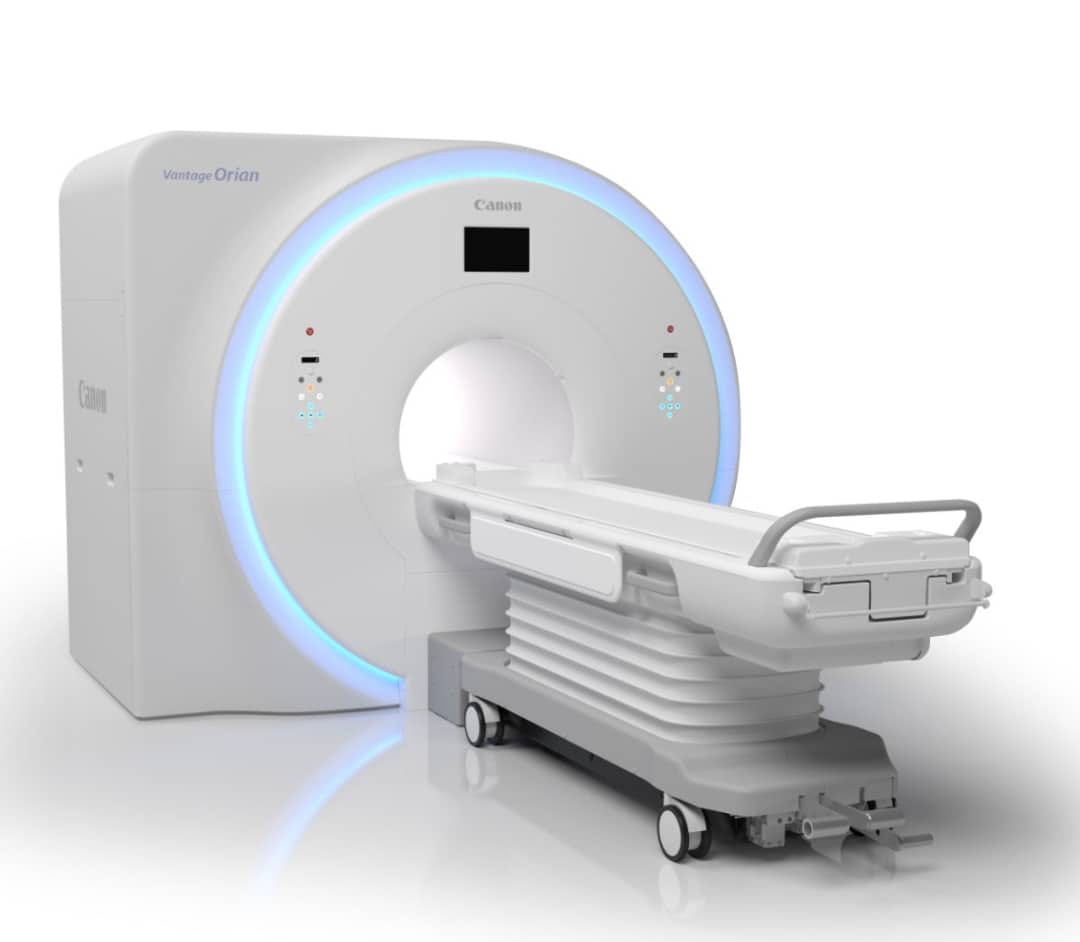
The person may be prescribed a CT scan or MRI, or contrast imaging with a contrast agent (IVP) may be used to evaluate the urinary system.
During this imaging, contrast material is injected into the bloodstream, and X-rays are used to image the urinary tract.
To read more articles about the bladder, click here
Actions & related links
Doctors for this topic in Mashhad
See all doctors: Best Doctors for UTI & Urinary Incontinence in Mashhad




About the author

Urologic Surgeon
دکتر مهدی قاضی, Urologic Surgeon in Mashhad. Articles on this site are written and reviewed under the supervision of the Urology Building's physicians.
View profile & bookRelated articles
All articlesWhat Is Polycystic Kidney Disease? (Fetal and Adult PKD)
دکتر مهدی قاضی · June 26, 2026
What Is a Renal Cortical Cyst? Symptoms, Diagnosis, and Treatment
دکتر مهدی قاضی · June 26, 2026
Kidney Transplant: Cost, Blood Type Compatibility, and Surgical Method
دکتر مهدی قاضی · June 26, 2026
What Is Pyelonephritis? Kidney Infection Symptoms, Diagnosis, and Treatment
دکتر مهدی قاضی · June 26, 2026
Comments
0 comments
No comments yet. Be the first to share your thoughts.