
 Tap to zoom
Benign Urethral Masses in Girls: Symptoms, Diagnosis, and Treatment
- نویسنده
- دکتر مهدی قاضی
- Published on
- June 26, 2026
- Reading time
- 5 min read
- Last updated
- Updated: June 27, 2026
Benign urethral masses in girls are rare, but they can cause serious and concerning complications.
The urethra, as the vital pathway for removing urine from the body, plays an important role in maintaining kidney and urinary tract health. Any disorder or abnormality in this pathway can lead to problems such as obstruction, infection, and even injury to kidney tissue.
Benign masses, including polyps, cysts, and caruncles, are especially important because of their effect on normal urethral function.
These masses can cause symptoms such as pain, bleeding, and urinary problems that require prompt diagnosis and treatment.
Because children and adolescents may not be able to describe their problems clearly, it is very important for parents and physicians to be aware of these abnormalities and their related symptoms.
Early diagnosis and appropriate treatment can prevent serious complications and greatly improve the patient's quality of life.
For this reason, careful evaluation and awareness of these masses and their related diagnostic and treatment methods are highly important.
The urethra under normal conditions
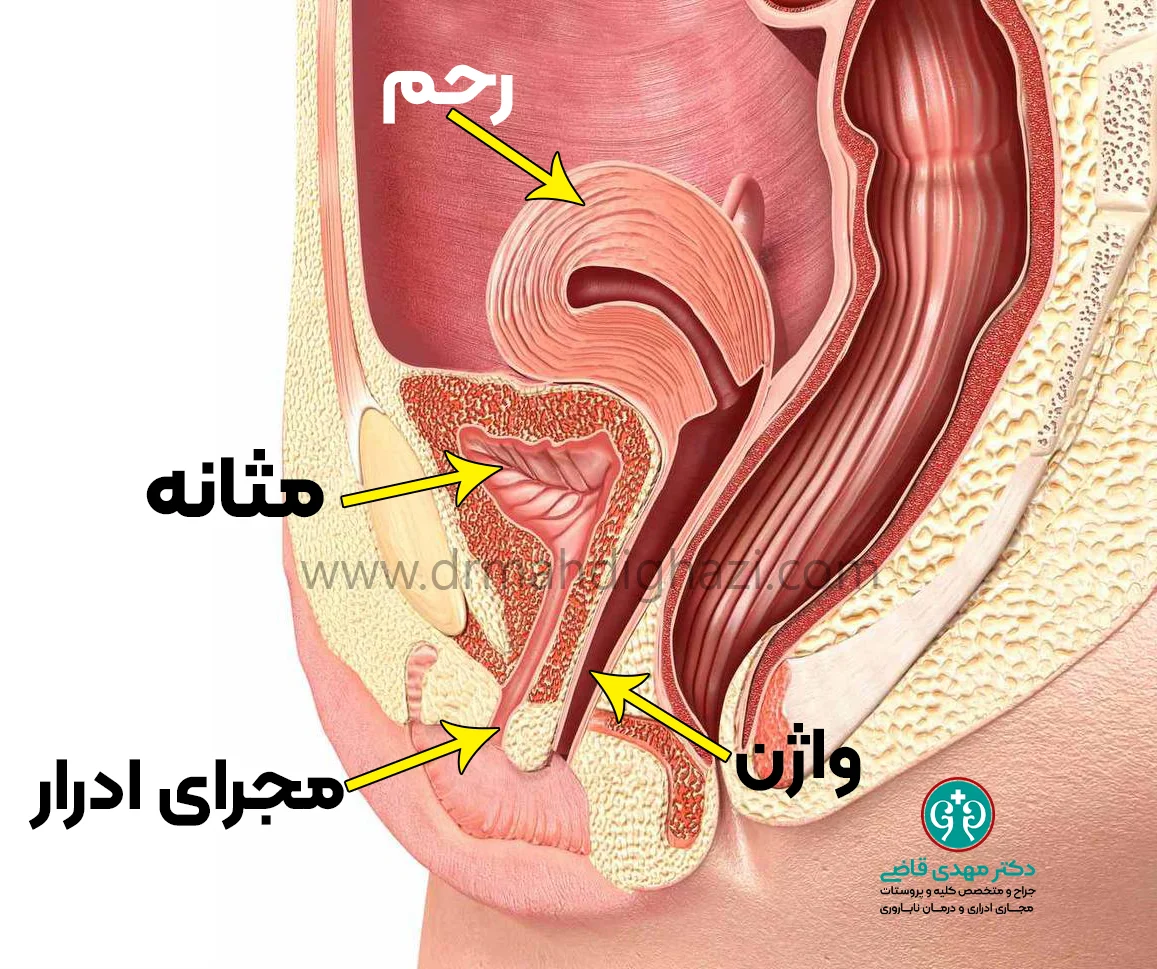
The urethra is a tube-like organ that carries urine from the bladder out of the body. In females, the urethra is short, extends from the bladder to the front of the vagina, and opens outside the body. Normal urine flow should be clear, without blood, and urination should be painless.
Urethral masses in girls can cause a wide range of symptoms that vary according to the type and location of the mass. The symptoms associated with each type of mass are described below:
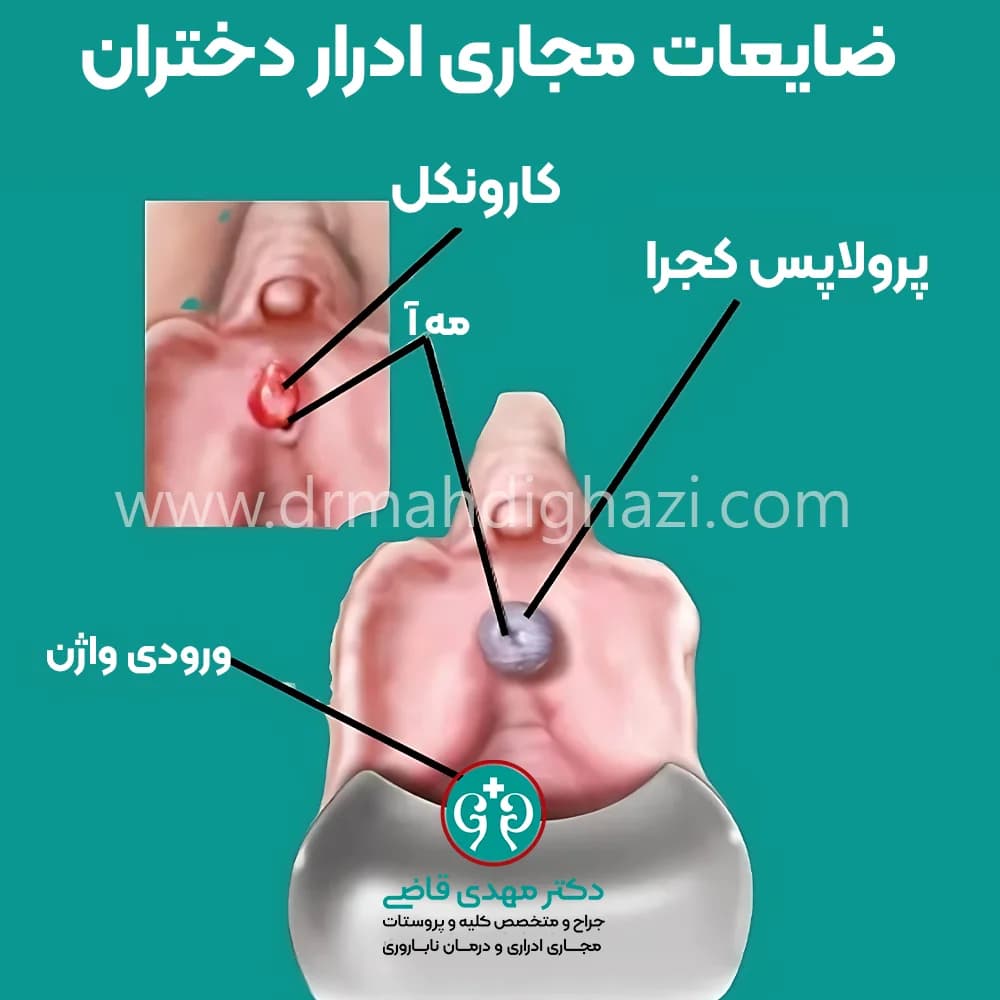
Urethral polyp
A urethral polyp is a rare, irregular mass that often appears at birth. This polyp is made of firm fibrous tissue and may include smooth muscle, small cysts, or nerve tissue covered by a thin protective layer.
Symptoms:
Presence of a mass in the urethra: A small, palpable mass may be felt in the urethra or near its opening.
Blood in the urine or underwear: This sign may indicate bleeding from the polyp.
Difficulty urinating: Urine may be difficult to pass or the stream may be weak.
Paraurethral cyst (Skene gland cyst)
Paraurethral cysts, also known as Skene gland cysts, are found in the vaginal wall near the urethra. These cysts can block the duct of the Skene glands and appear as a shiny, firm, raised yellowish-white mass.
Symptoms:
Feeling a mass near the urethra: A shiny, firm, raised mass that is yellowish-white.
Deflected urine stream: The cyst can divert the urine stream and cause angled or spraying urination.
Urinary obstruction: The cyst may block the urethra and cause obstruction.
Burning with urination: In older children, burning during urination may be present.
Urethral caruncle
Urethral caruncles are polypoid masses that hang from part of the urinary outlet. These masses are rare in children
Symptoms:
Bleeding: Painless bleeding or bleeding with pain during urination.
Pain during urination: A caruncle can cause pain and discomfort during urination.
Frequent urination: A repeated feeling of needing to urinate, even when the bladder is empty.
Tenderness at the urethral opening: The area of the urethral opening may be tender and painful.
Urethral prolapse
Urethral prolapse is a rare condition in which the urethral mucosa and the spongy tissue beneath it protrude from the urinary opening. This condition is seen more often in prepubertal girls, especially among African-American girls.
Symptoms:
Bloody spotting: Mild bleeding and bloody spotting may be present.
Painful urination: Urination may be accompanied by pain and discomfort.
Urinary retention: In severe cases, the patient may be unable to empty the bladder completely, and urinary retention can occur.
Diagnosis of benign urethral masses
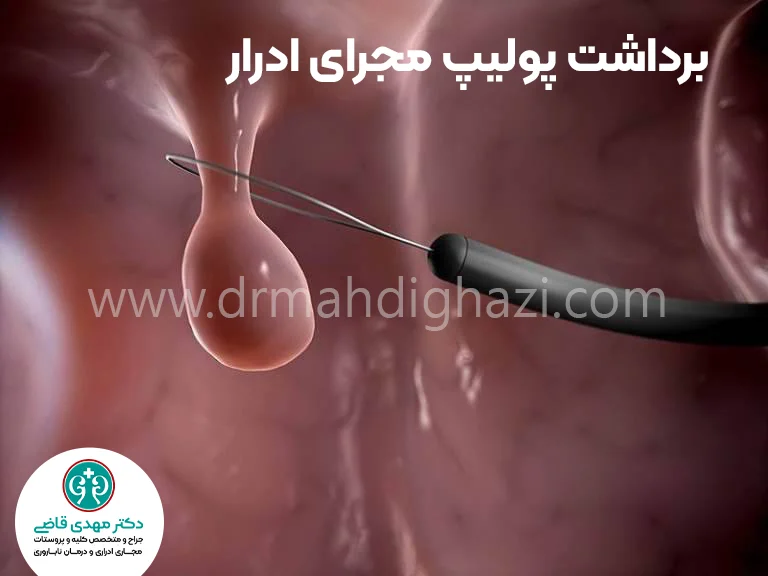
Urethral polyps are found using cystoscopy.
A cystoscope is a long, thin telescope with a light at the end that allows the urologist to see inside the bladder.
Diagnosis of other benign urethral tumors is performed using an X-ray imaging study called voiding cystourethrography (VCUG).
Treatment of benign urethral masses
Treatment of benign masses depends on their type:
Urethral polyp
These polyps are removed using cystoscopy.
Paraurethral cyst
If there are no symptoms, treatment is not needed. However, if there is obstruction, infection, or pain, the urologist punctures the cyst with a surgical blade to drain it.
Urethral caruncle
If the caruncle causes problems, the urologist may remove it and cauterize its base.
Urethral prolapse
This condition is usually manageable, and milder forms are treated with observation, warm sitz baths, topical estrogen cream, and antibiotics. In more severe cases, surgery is needed.
Care after treatment
Urethral polyp
Surgery relieves the symptoms, and the problem should not recur.
Paraurethral cyst
Urination returns to normal, and the condition should not recur.
Urethral caruncle
After treatment, a urinary catheter usually does not need to remain in the bladder unless the caruncle is very large. Any mass removed during surgery is tested to make sure cancer is not present. Urination may be painful for a few days, and bloody spotting may occur. A caruncle usually does not recur.
Urethral prolapse
After the catheter is removed, the person can return to normal activities. During the first few days after surgery, bloody spotting and painful urination may occur, and older children who are able to swallow tablets may be prescribed pain medicine to reduce pain during urination
Recurrence of urethral prolapse is rare
Summary
Benign urethral masses in girls are rare, but they can cause important complications. Early diagnosis and appropriate treatment can prevent permanent injury and help achieve full recovery.
If any suspicious symptoms appear, visiting a urologist for timely diagnosis and treatment is very important.
Frequently asked questions
Actions & related links
Doctors for this topic in Mashhad
See all doctors: Best Doctors for UTI & Urinary Incontinence in Mashhad




About the author

Urologic Surgeon
دکتر مهدی قاضی, Urologic Surgeon in Mashhad. Articles on this site are written and reviewed under the supervision of the Urology Building's physicians.
View profile & bookRelated articles
All articlesWhat Is Polycystic Kidney Disease? (Fetal and Adult PKD)
دکتر مهدی قاضی · June 26, 2026
What Is a Renal Cortical Cyst? Symptoms, Diagnosis, and Treatment
دکتر مهدی قاضی · June 26, 2026
Kidney Transplant: Cost, Blood Type Compatibility, and Surgical Method
دکتر مهدی قاضی · June 26, 2026
What Is Pyelonephritis? Kidney Infection Symptoms, Diagnosis, and Treatment
دکتر مهدی قاضی · June 26, 2026
Comments
0 comments
No comments yet. Be the first to share your thoughts.