
 Tap to zoom
What Are the Complications of Anal genital warts? Warning Signs and Treatment
- نویسنده
- دکتر مهدی قاضی
- Published on
- June 26, 2026
- Reading time
- 5 min read
- Last updated
- Updated: June 27, 2026
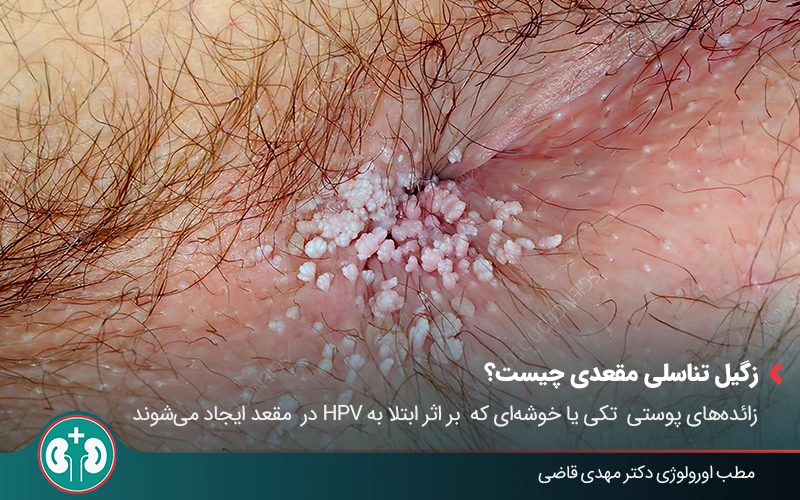
Anal genital warts are one complication of infection with human papillomavirus (HPV). This type of genital warts refers to small lesions that appear in the anal area and may be seen as small, flat or rough bumps that are pink, white, or brown.
Keep in mind that anal warts may cause no symptoms, and a person may not even know they are present; however, if they grow or become irritated, they may be accompanied by itching, pain, bleeding, or discharge.
Laser, cryotherapy and surgical removal of genital warts (HPV) Genital warts treatment for men in Mashhad
Specialized treatment of genital warts in men at an equipped center, provided by experienced physicians using current medical equipment and treatment methods.

Book appointment
In this article, we will review the complications of anal genital warts and examine these lesions from different angles. For more information about anal warts, their symptoms in men and women, and ways to remove them, stay with us to the end of this article.
What are anal genital warts?
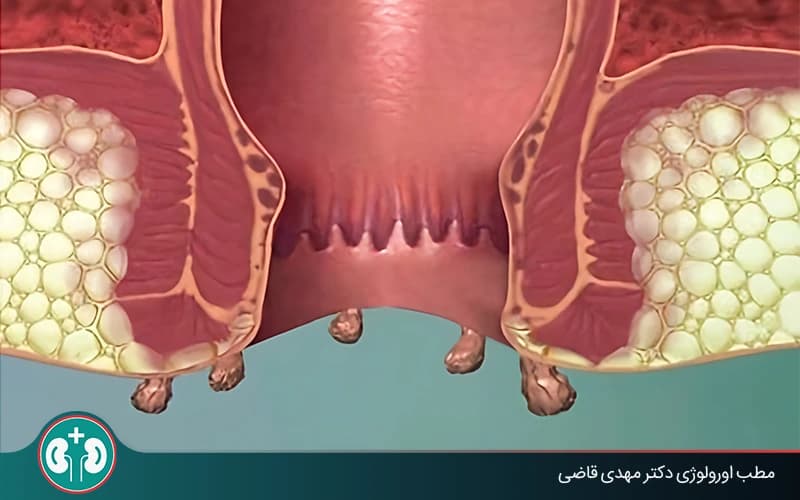
Anal genital warts are skin lesions that develop in the anal area because of viral infection. These warts are usually soft, skin-colored or slightly darker, and may appear singly or in clusters, similar to cauliflower.
The cause of this type of wart is human papillomavirus (HPV). This virus has many strains, but 90 percent of genital warts are caused by HPV strains 6 and 11. These two strains are considered low-risk HPV types.
Appointments related to Laser, cryotherapy and surgical removal of genital warts (HPV) Genital warts treatment for men in Mashhad
Open the public booking path to review times and related information.
Book appointment
Some high-risk HPV strains, such as types 16 and 18, can also be involved in anal genital warts. These high-risk strains can be associated with cancer and increase the risk of cervical and anal cancer.
Transmission of genital warts through the anus usually occurs because of sexual contact with an infected person, but direct contact with infected skin or mucosa can also transmit the virus. Below, we explain the symptoms, complications, and treatment methods for anal warts.
What are the complications of anal genital warts?
Ignoring or delaying removal of these skin lesions can expose a person's health to several problems. From everyday discomfort to very serious risks such as cancer, all of these can be complications of anal genital warts. Knowing these complications and seeing a doctor promptly is the best way to prevent disease progression and reduce possible risks. Below, we review the most important complications of anal genital warts.
Q&A — Laser, cryotherapy and surgical removal of genital warts (HPV) Genital warts treatment for men in Mashhad
General questions are shown on the destination page after review.
Book appointment
1. Persistent itching and burning in the anal area
Anal genital warts can cause local inflammation, resulting in constant, bothersome itching and burning. This unpleasant sensation can affect daily quality of life, cause insomnia and stress, and disrupt normal activities for the affected person.
Because these symptoms are very similar to symptoms of hemorrhoids, the initial diagnosis is sometimes mistaken and treatment is delayed.
2. Bleeding, ulceration, and infection of anal genital warts
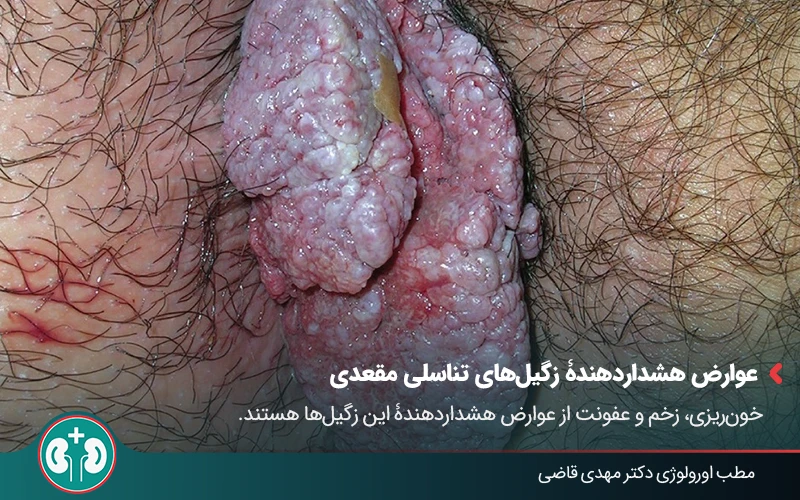
Bleeding, ulceration, and infection are warning complications of anal genital warts.
Ulceration: Anal warts, especially when large or located in high-friction areas, can easily become scratched and ulcerated.
Bleeding: This complication usually occurs because of physical irritation of the warts during bowel movements, prolonged sitting, or wearing tight clothing. This sign should not be ignored, because it may indicate deeper tissue injury, skin fissures, or, in rare cases, premalignant or malignant lesions in the anal canal.
Infection: The constant moisture and warmth of the anal area create suitable conditions for microorganisms to grow, increasing the risk of secondary infection. Redness and swelling around the lesion, pus-like or foul-smelling discharge, worsening pain, local warmth, and sometimes fever are signs of infection.
3. Spread of warts to surrounding areas
If anal warts are not cleared, they may gradually become more numerous and larger, making treatment harder. This spread may extend to the inside of the anus (the anal canal), the genital area, and the groin, or may create large clusters of warts in the same area. This is more common in people with weak immune systems or high-risk sexual behaviors.
4. Effects on sexual relationships
The presence of genital and anal warts can cause worry, stress, and reduced self-confidence, and these factors may lead to shame and reduced sexual desire. Some people with anal genital warts avoid sexual intercourse because of fear of transmitting the disease or feelings of embarrassment, which can negatively affect mental health and the quality of emotional relationships.
5. Increased risk of anal and cervical cancer
The most serious and important complication of anal genital warts, especially in cases involving high-risk HPV strains such as types 16 and 18, is an increased risk of anal cancer. This risk is particularly higher in men who have sex with men, patients with immune deficiency such as people living with HIV, and people who take immunosuppressive medication.
On the other hand, women with anal warts caused by high-risk HPV strains may also have cervical involvement; therefore, specialist examinations and regular cervical screening are very important. Examination of the female partner of men who have HPV is also necessary for prevention and early diagnosis.
According to the report from the Centers for Disease Control and Prevention (CDC), HPV is the main cause of 90 percent of anal and cervical cancers. Keep in mind that despite the possibility that anal genital warts may progress to cancer, HPV vaccination, periodic examination by a urologist, and timely removal of warts can reduce the risk of cancer.
Warning signs of anal warts
Symptoms of anal warts vary according to the location, number, and stage of progression of these lesions. In the early stages, these warts may be asymptomatic, but as they grow and spread, they produce signs that can carry risks if ignored. Awareness of signs and complications of genital warts helps with early diagnosis and prevention of serious complications. Below, we describe two categories of anal wart signs:
Category | Symptoms | Description |
|---|---|---|
Early | Small fleshy bumps | Small, soft, skin-colored bumps appearing singly or in clusters, like cauliflower, around the anus |
Feeling a mass | Feeling tiny lumps around the anus when touching the wart | |
Mild itching | A mild feeling of itching or burning in the anal area | |
Advanced | Severe itching and burning | Persistent itching and burning that disrupt daily life |
Anal bleeding | Anal bleeding from irritation of large warts during stool passage or sitting, or the presence of foul-smelling bloody discharge | |
Pain and discomfort | Pain caused by large warts during prolonged sitting or physical activity | |
Change in wart appearance | Changes in wart color, size, or shape, especially when they become large and unusual lesions |
Ways to diagnose anal genital warts
Correct diagnosis of wart complications in the anal area is essential for choosing effective treatment and preventing long-term problems. Sometimes these lesions look similar to hemorrhoids, fissures, or even ordinary skin warts; therefore, specialist examination and accurate testing are very important. Below, we briefly review diagnostic methods for anal genital warts:
1. Clinical examination
The first and most important step in diagnosing anal genital warts is a complete physical examination by a urology specialist. The physician evaluates the lesions, their size, shape, and location.
In many cases, small superficial warts can be diagnosed with this examination. If warts are also present in the anal canal, the physician may use a special instrument, the anoscope, for a more precise examination.
2. Specialized tests (HPV-PCR and anal Pap smear)
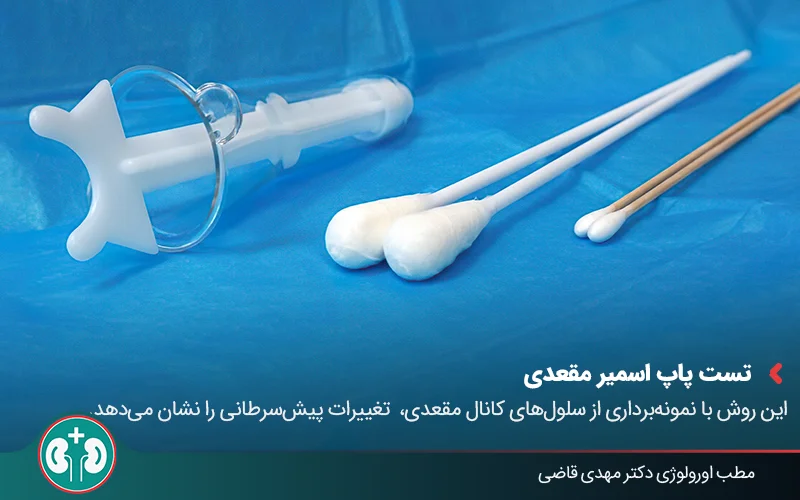
After the initial examination, the physician may order additional tests such as HPV-PCR or anal Pap smear to confirm the diagnosis and determine the virus type.
HPV-PCR testing is performed by sampling wart tissue and can identify the HPV strain, whether low-risk or high-risk. This test is especially important for assessing anal cancer risk and later follow-up.
Anal Pap smear is similar to a cervical Pap smear in women. In this method, cells from the anal canal are sampled to identify any abnormal or precancerous cellular changes.
What is the difference between anal warts and ordinary warts?
Anal genital warts differ from ordinary warts in appearance, causative agent, and route of transmission. We review these points below.
Difference in virus type
Ordinary skin warts are caused by low-risk, nonsexual HPV types, and their route of transmission is usually nonsexual contact. In contrast, anal warts are often caused by HPV strains 6 and 11 or by high-risk strains, and transmission occurs more often through sexual contact or infected skin-to-skin contact.
Difference in wart appearance
Differences in the tissue nature of the warts and the environmental conditions of the affected area lead to different appearances between these 2 types of warts. Definitive diagnosis of the wart type is possible only through careful examination and specialist evaluation by a physician.
Ordinary warts: Ordinary warts form in dry areas that are constantly exposed to air, such as the hands and feet, and have a thick horny layer. In these conditions, skin-type HPV, such as type 1 or 2, stimulates keratinocyte cells and causes excessive keratin production. The result is firm, dry, rough-surfaced lesions called hyperkeratosis.
Anal genital warts: The anal and genital area is warm and moist. Its surface is mainly made of squamous mucosa that either lacks a horny layer or has only a thin horny layer. In these tissues, HPV causes skin cells to grow without marked keratinization. For this reason, anal warts are usually soft, fleshy, moist, and without surface roughness.
Ways to remove anal genital warts
There are three main medical and scientific methods for removing anal genital warts, each briefly explained below:
Laser treatment for anal warts: This method is one of the effective ways to remove anal warts. With high precision, the laser destroys infected tissue without damaging the tissue around the wart.
Cryotherapy: In this method, the warts are frozen with liquid nitrogen. This treatment is effective for small or superficial warts, but several treatment sessions may be needed to remove the wart.
Surgery: When anal warts are large or located in hard-to-reach areas such as inside the anal canal, surgery is a more suitable option. In this method, the lesions are removed under local anesthesia or general anesthesia. Surgery is usually used for extensive lesions or lesions resistant to other treatments and allows complete wart removal.
How to prevent complications of anal genital warts
There is currently no definitive treatment that completely removes HPV from the body. However, correct measures can prevent disease progression, serious complications, and transmission of the virus to others. The following strategies are especially important for people who have anal genital warts:
1. Removal and clearance of warts under medical supervision
Persistent anal warts, especially types caused by high-risk HPV strains, can increase the risk of secondary infections, bleeding, and precancerous changes. Timely treatment and removal of lesions, in addition to reducing viral load, decreases the chance of transmitting the virus to a sexual partner and spreading lesions in the anal area.
2. Receiving the HPV vaccine after infection
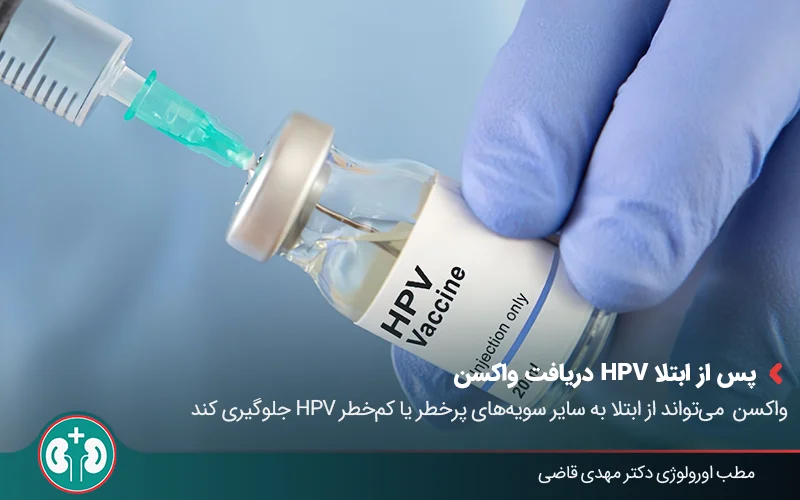
Although the HPV vaccine does not eliminate the virus, it can help prevent infection with other high-risk or low-risk HPV strains. This is especially important for reducing the risk of HPV-related cancers and preventing co-infections, and it may be recommended even after genital warts are diagnosed.
3. Regular medical visits and periodic monitoring
HPV may remain in the body after visible warts are treated and can cause recurrence. Regular medical examinations help identify new warts, precancerous lesions, or abnormal changes in the anal area early and play an important role in preventing anal cancer.
4. Strengthening the immune system
Proper immune system function plays a key role in controlling HPV activity. Adequate sleep, healthy nutrition, quitting smoking and alcohol, and regular physical activity help the body control viral replication and reduce the chance of wart recurrence and complications.
5. Observing hygiene principles and safer sexual behavior
During infection and treatment, avoiding anal sexual contact and using condoms correctly can reduce the risk of transmitting the virus to a sexual partner and contaminating new body areas. Although condoms do not provide complete protection, they play an important role in controlling viral spread.
Summary
Anal genital warts are not just simple skin lesions; they are a sign of HPV infection and, if ignored, can lead to serious and long-term problems.
In addition to causing skin discomfort in the anal area, this condition may be associated with complications such as bleeding, ulceration, and even precancerous changes. For this reason, timely diagnosis and consultation with a urology specialist play a key role in controlling the disease and preventing progression.
In this article, we discussed the complications of anal genital warts and methods for prevention and removal. We hope these points have helped you understand this condition more clearly and accurately.
Frequently asked questions
Actions & related links
Doctors for this topic in Mashhad
See all doctors: Best Male Genital Warts Doctors in Mashhad




About the author

Urologic Surgeon
دکتر مهدی قاضی, Urologic Surgeon in Mashhad. Articles on this site are written and reviewed under the supervision of the Urology Building's physicians.
View profile & bookRelated articles
All articlesWhat Is Polycystic Kidney Disease? (Fetal and Adult PKD)
دکتر مهدی قاضی · June 26, 2026
What Is a Renal Cortical Cyst? Symptoms, Diagnosis, and Treatment
دکتر مهدی قاضی · June 26, 2026
Kidney Transplant: Cost, Blood Type Compatibility, and Surgical Method
دکتر مهدی قاضی · June 26, 2026
What Is Pyelonephritis? Kidney Infection Symptoms, Diagnosis, and Treatment
دکتر مهدی قاضی · June 26, 2026
Comments
0 comments
No comments yet. Be the first to share your thoughts.