 برای بزرگنمایی لمس کنید
تاثیر وازکتومی بر میل جنسی مردان؛ حقایق، باورهای غلط و راهکارهای بهبود
- نویسنده
- دکتر مهدی قاضی
- تاریخ انتشار
- ۱۶ تیر ۱۴۰۴
- زمان مطالعه
- ۶ دقیقه مطالعه
- آخرین بهروزرسانی
- بهروزرسانی: ۲۹ تیر ۱۴۰۵
وقتی افراد برای عمل وازِکتومی (Vasectomy) به پزشک متخصص اورولوژی مراجعه میکنند، با چهرهای نگران و مضطرب، یک پرسش را قبل از عمل از پزشک خود میپرسند: «آیا وازکتومی میل جنسی را کاهش میدهد؟ تاثیر وازکتومی بر میل جنسی چگونه است؟» پزشکان هم خیلی روشن و شفاف در پاسخ میگویند که میل جنسی افراد بعد از عمل وازکتومی تغییری نمیکند؛ زیرا این عمل فقط لولههای انتقال اسپرم را مسدود میکند و تأثیری بر تولید هورمونهای جنسی مردانه مثل تستوسترون (Testosterone) که عامل ایجاد و تنظیم میل جنسی (Libido) در آقایان هستند، ندارد.
در این مقاله تصمیم داریم در مورد تغییر میل جنسی بعد از وازکتومی صحبت کنیم و به نگرانی دربارۀ میل جنسی پس از جراحی وازکتومی بپردازیم. درصورتیکه شما هم قصد دارید عمل وازکتومی انجام دهید و نگران کاهش میل جنسی بعد از وازکتومی هستید، مطالعۀ این مقاله میتواند برای شما ثمربخش باشد و با آگاه کردن شما از نگرانی و اضطرابتان بکاهد.
وازکتومی چیست و چگونه انجام می شود؟
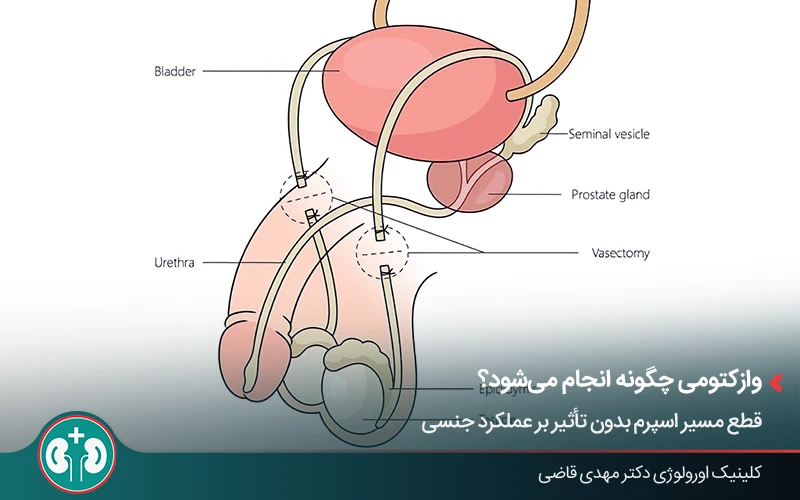
عمل وازکتومی یا بستن لولههای وابران یا واز دِفِران (Vas deferens)، عملی است که در آن پزشک متخصص اورولوژی، لولههای وابران را که در بیضه قرار دارند، قطع و دو سر آنها را گره میزند تا اسپرم نتواند وارد مایع منی شود. پس از این عمل، مایع منی هنگام رابطۀ جنسی خارج میشود؛ ولی اسپرمی در آن نیست؛ به همین دلیل وازکتومی باعث ناباروری قطعی آقایان میشود و بهعنوان تکنیکی قطعی و دائمی برای پیشگیری از باروری به شمار میرود.
بستن لولهٔ مردان (وازکتومی) سرپایی و بدون تیغ وازکتومی در مشهد
توجه : بر اساس علت مراجعه و به منظور افزایش کیفیت و رضایتمندی بیماران , پزشکان این مجموعه در حوزه مرتبط بیماران را ویزیت میکنند.

رزرو نوبت
دپارتمان اورولوژی دانشگاه کارولینای شمالی، مطالعهای آماری انجام داد و بر اساس این مطالعات دریافت که نرخ موفقیت وازکتومی در پیشگیری از باروری آقایان، 99.95 درصد است و همین سبب شده است که تمایل آقایان به این روش، روزبهروز بیشتر شود. نکتهای که قبل از انجام وازکتومی باید مد نظر داشته باشید این است که این عمل را روشی دائمی برای عدم باروری تلقی کنید و فقط زمانی برای جراحی اقدام کنید که به این نتیجه رسیده باشید که مطلقاً قصد آوردن فرزند ندارید. در ادامه مراحل انجام وازکتومی را در قالب سه مرحله بیان میکنیم:
در تکنیک نوین وازکتومی که در مطب اورولوژیست انجام میشود، 15 تا 30 دقیقه زمان میبرد؛ پس از انجام فرایند بیحسی، ابتدا با ابزار خاصی، سوراخ کوچکی روی کیسۀ بیضه یا اِسکروتوم (Scrotum) ایجاد میشود تا پزشک به لولههای وابران دسترسی پیدا کند.
در گام بعدی لولههای وابران از هر طرف خارج میشوند؛ جراح این لولهها را قطع میکند و دو طرف هر لوله را گره میزند. در واقع وسط این لولهها قطع شده و امکان وارد شدن اسپرم به مایع منی از بین میرود.
در پایان هم لولههای واز دفران به درون کیسۀ بیضه برگردانده میشوند.
دقت داشته باشید که سوراخ کوچکی که روی کیسۀ بیضه ایجاد شده است، بسته نمیشود تا مایعات و خونریزیهای مختصر ناشی از عمل، بهتدریج خارج شود. این سوراخ، پس از چهار یا پنج روز خودبهخود بسته میشود. در صورت تمایل به کسب اطلاعات دقیقتر دربارۀ چیستی و چگونگی عمل بستن لولههای وابران، میتوانید مقالۀ وازکتومی چیست را بخوانید.
تاثیر وازکتومی بر میل جنسی؛ آیا وازکتومی از میل جنسی میکاهد؟
با انجام عمل وازکتومی، اتفاقی که میافتد این است که جلوی ورود اسپرم به مایع منی از لولههای وابران گرفته میشود. فرد، 4 ماه پس از انجام عمل لازم است آزمایش اسپرم بدهد تا از نبودن اسپرم در مایع منی مطمئن شود. در واقع وازکتومی فقط جلوی ورود اسپرم به مایع منی را میگیرد و تأثیری بر میل جنسی شخص ندارد؛ ازاینرو میتوان گفت که وازکتومی از میل جنسی آقایان نمیکاهد.
طبق اطلاعات منتشرشده در وبسایت Advanced Urology Institute، وازکتومی معمولاً باعث کاهش میل جنسی یا اختلال در نعوظ نمیشود و بیشتر مردان بعد از عمل، هیچ تغییری در میل یا عملکرد جنسی خود احساس نمیکنند.
میل جنسی یا لیبیدو، به معنای اشتیاق روانی و ذهنی فرد به رابطۀ جنسی است و با هورمونهای موثر بر میل جنسی در ارتباط است. تستوسترون، دی هیدروتِستوستِرون (DHT) و آندروستِندیون، مهمترین هورمونهای جنسی آقایان هستند. این هورمونها در بیضهها تولید میشوند. البته مقدار کمی از این هورمونها در غدد فوق کلیوی نیز تولید میشوند.
تولید هورمونهای جنسی مردانه (بهویژه تستوسترون) در سلولهای لِیدیگ که در بیضهها قرار دارند، انجام میشود. عمل وازکتومی هیچ دخالتی در سازوکار تولید هورمونهای جنسی در بیضهها ندارد و صرفاً لولههای وابران را مسدود میکند. در ادامۀ مقاله توضیحاتی ارائه میدهیم که تاثیر وازکتومی بر میل جنسی را روشنتر میکند.
میل جنسی تحتتأثیر چه عواملی است؟
برای اینکه بتوانیم به تفاوت میل جنسی قبل و بعد از وازکتومی پی ببریم، بهتر است نگاهی به عواملی بیندازیم که بر میل جنسی آقایان اثرگذارند. با شناخت این عوامل میتوان فهمید که وازکتومی بر سازوکار مؤثر بر میل جنسی، اثر نمیگذارد. در ادامه عوامل مؤثر بر میل جنسی را معرفی میکنیم:
1. عوامل زیستی و جسمانی
هورمونهای جنسی (خصوصاً تستوسترون)، نقش مهمی در میل جنسی آقایان ایفا میکنند. از دیگر عوامل زیستی و جسمانی مؤثر بر میل جنسی میتوان به بیماریها، داروها، مصرف مواد و الکل اشاره کرد.
بیماریهایی مثل دیابت، فشار خون بالا، مشکلات قلبی و کمکاری تیروئید، میتوانند بر میل جنسی تأثیر بگذارند. داروهای ضدافسردگی، ضداضطراب، فشار خون، داروهای هورمونی یا حتی بعضی مسکنها ممکن است میل جنسی را کاهش دهند.
علاوه بر این موارد، مصرف الکل، نیکوتین، مواد مخدر و حتی مصرف کافئین زیاد هم میتواند بر میل جنسی فرد اثر بگذارد. خستگی و بیخوابی هم بهدلیل کاهش انرژی بدن میتوانند کاهش لیبیدو را به همراه داشته باشند.
2. عوامل روانی و ذهنی
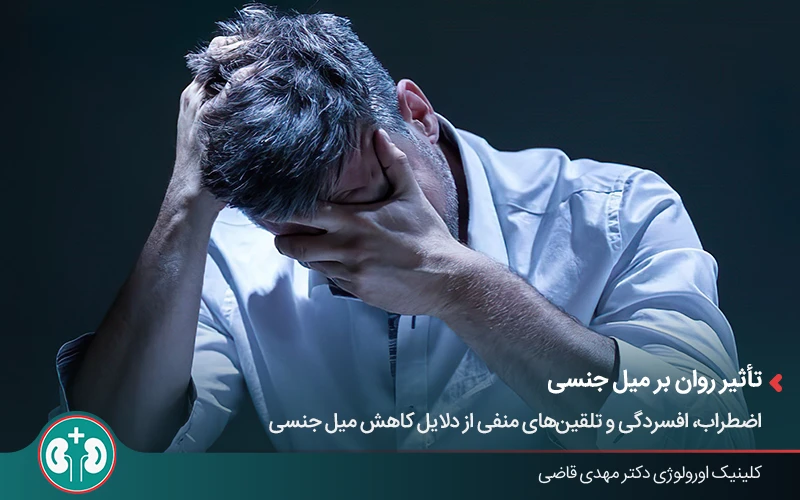
یکی دیگر از عواملی که بر میل جنسی ما اثر میگذارد، عوامل روانی و ذهنی است. استرس از عوامل روانی تأثیرگذار بر عملکرد و میل جنسی است و افسردگی هم در کاهش لیبیدو نقش دارد. ترس از رابطۀ جنسی، تجربههای تلخ گذشته و اعتمادبهنفس پایین، از دیگر عواملی هستند که کاهش میل جنسی را به همراه دارند.
برخی از آقایان بهدلیل تصور نادرستی که از تأثیر وازکتومی بر مردانگی و میل جنسی خود دارند یا بهخاطر اینکه وازکتومی از سوی همسرشان به آنها تحمیل شده است، پس از وازکتومی دچار اختلالات روانی میشوند و همین اختلالات باعث میشود از میل جنسیشان کاسته شود. در واقع این وازکتومی نیست که از لیبیدو میکاهد؛ نبود پذیرش، تصورهای اشتباه و تحمیل عمل از سوی همسر است که میتواند باعث افت میل جنسی شود.
3. عوامل عاطفی و ارتباطی
عوامل احساسی، عاطفی و ارتباطی، تأثیر قابلِتوجهی بر میل جنسی انسان دارند. کیفیت رابطه با شریک جنسی، درگیری، دعوا، نبود صمیمیت یا رضایت نداشتن از رابطه، اهمیت چشمگیری بر میل جنسی فرد دارند. رابطۀ جنسی بدون هیجان، تنوع و بیتوجهی طرف مقابل به نیازهای جنسی و احساسی، از جمله عواملی هستند که میتوانند میل جنسی را تحتتأثیر قرار دهند.
4. سبک زندگی
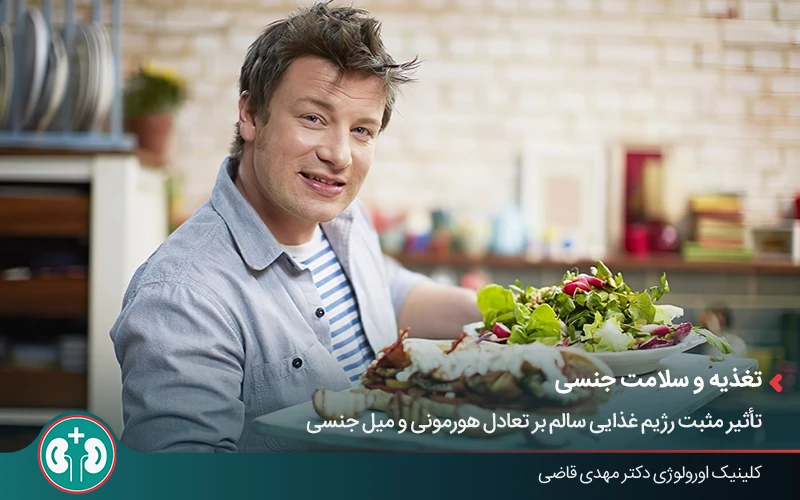
داشتن تغذیۀ مناسب و سالم، فعالیت بدنی و ورزش مستمر، داشتن خواب با کیفیت و کافی، مدیریت استرس و داشتن آرامش و تلاش برای رسیدن به سلامت جسمی و روانی، میتواند برای شما سلامت جنسی (Sexual Health) به ارمغان بیاورد. قاعدتاً نداشتن رژیم غذایی خوب، ورزش بیشازحد و تمرینات سنگین، کمخوابی یا داشتن خواب بیکیفیت، مصرف مداوم دخانیات و الکل و استرس مزمن از عواملی هستند که باعث کاهش رضایت از زندگی و افت میل جنسی میشوند.
این چهار دسته از عواملی که بیان کردیم، بیشترین تأثیر را بر میل جنسی یا لیبیدو دارند. وازکتومی، که در آن قطع لولههای وابران صورت میگیرد، ارتباطی با هیچیک از عوامل زیر ندارد و روی سازوکار ترشح هورمونهای جنسی تأثیر نمیگذارد؛ ازاینرو میتوان نتیجه گرفت که وازکتومی، میل جنسی را کاهش نمیدهد.
اثرات مثبت و منفی وازکتومی بر میل جنسی
درست است که تاثیر وازکتومی بر میل جنسی مستقیم نیست؛ اما میتواند اثرات جانبی مثبت یا منفی بر آن داشته باشد. در این بخش از مقاله تصمیم داریم اثرات مثبت و منفی که وازکتومی میتواند بر رابطۀ جنسی داشته باشد، بررسی کنیم. البته تأثیراتی که بیان میکنیم، احتمالی هستند و لزوماً برای همۀ افراد به میزان مساوی و مشابه اتفاق نمیافتند.
اثرات احتمالی مثبت وازکتومی بر میل جنسی
وقتی شخصی وازکتومی انجام میدهد، استرس خودش و شریک جنسیاش از بابت بارداری ناخواسته کاهش مییابد و هنگام رابطۀ جنسی، آرامش بیشتری را تجربه میکنند. بعضی از آقایان بعد از وازکتومی، احساس میکنند که کنترل بیشتری بر زندگی جنسی خود دارند و همین کنترل، به آنها اعتمادبهنفس میبخشد و کیفیت رابطۀ جنسیشان را افزایش میدهد.
اثرات احتمالی منفی بستن لولههای وابران بر میل جنسی
برخی از آقایان این باور نادرست را دارند که بعد از وازکتومی دچار کاهش مردانگی یا ترس از ناتوانی جنسی شوند و همین باور میتواند از نظر روانی، میل جنسی آنها را کاهش دهد. برخی آقایان نگراناند که بعد از عمل بستن لولهها، تصور شریک جنسیشان در مورد آنها تغییر کند. این نگرانیها را هم میتوان تأثیر وازکتومی بر تمایلات جنسی به حساب آورد.
برخی افراد بعد از وازکتومی اضطراب میگیرند و روی عملکرد جنسیشان تمرکز میکنند. آنها میترسند که بعد از وازکتومی نتوانند عملکرد گذشتۀ خود را داشته باشند و همین احساس میتواند نعوظ ناقص یا کاهش میل جنسی را به دنبال داشته باشد.
راهکارهای بهبود میل جنسی بعد از وازکتومی
در این بخش از مقاله تصمیم داریم راهکارهای بهبود میل جنسی بعد از جراحی وازکتومی را بیان کنیم. این راهکارها میل جنسی بعد از بستن لوله مردان را سریعتر به حالت اولیه برمیگرداند و به افراد کمک میکند که با آرامش روانی بهتر، روابط جنسی خود را از سر بگیرند.
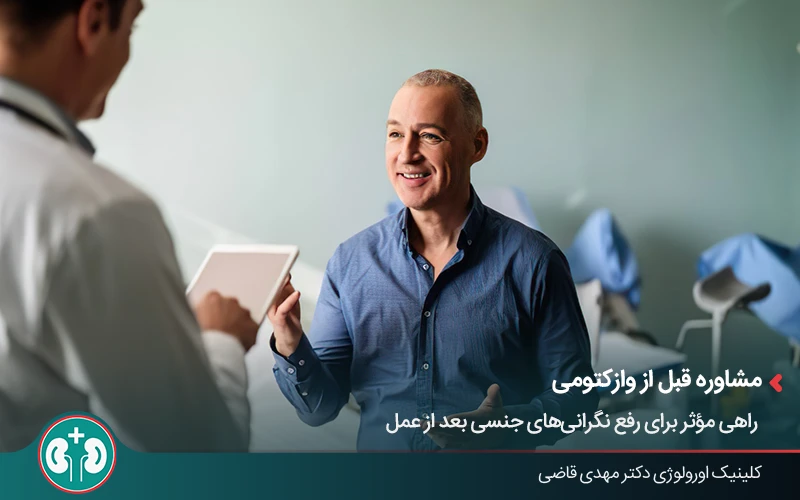
1. مشاوره با اورولوژیست درباره میل جنسی؛ اقدامی مهم و سازنده قبل از عمل
یکی از مهمترین اقدامات برای حفظ میل جنسی پس از وازکتومی، افزایش آگاهی دربارۀ تأثیر احتمالی این عمل بر میل جنسی و عملکرد نعوظ است. یکی از روشهای آسودهخاطر شدن از بابت پیامدها و تأثیرات احتمالی وازکتومی این است که قبل از عمل، پرسشها و ابهامهای خود را با اورولوژیستی که به او مراجعه کردهایم، در میان بگذاریم و بخواهیم توضیحات دقیقی به ما ارائه دهد.
در صورت مراجعه به اورولوژیست، احتمالاً به شما خواهد گفت که پس از وازکتومی معمولاً توصیه میشود بین ۵ تا ۷ روز از رابطه جنسی پرهیز شود تا محل جراحی بهخوبی ترمیم شود و از درد، عفونت یا باز شدن زخم جلوگیری شود. میل جنسی هم معمولاً بهسرعت و ظرف چند روز بعد از عمل به حالت طبیعی برمیگردد؛ چون وازکتومی تأثیر مستقیمی روی هورمونها یا میل جنسی ندارد؛ فقط ممکن است هفتۀ اول و دوم بعد از عمل، بهخاطر درد یا نگرانی ذهنی، میل جنسی کمی کاهش پیدا کند که موقتی است.
2. گفتوگو با همسر دربارۀ نگرانیهای جنسی
یکی از مهمترین راهکارها برای حفظ و حتی افزایش میل جنسی پس از وازکتومی، گفتوگوی صادقانه و باز با همسر دربارۀ نگرانیها، احساسات و توقعات جنسی است.
بخش زیادی از کاهش تمایل جنسی بعد از این عمل نه بهدلیل تغییرات فیزیولوژیکی، بلکه بهخاطر تأثیر روانی وازکتومی بر تمایل جنسی در مردان رخ میدهد.
ترس از کاهش جذابیت، نگرانی از عملکرد جنسی یا تصور اشتباه دربارۀ از دست دادن مردانگی، همگی احساساتی هستند که با حمایت عاطفی همسر و برقراری ارتباط مؤثر میتوان آنها را کاهش داد. این نوع گفتوگوها نهتنها اضطراب را کم میکند؛ بلکه اعتماد، صمیمیت و میل جنسی را نیز تقویت میکند.
3. شناخت علل روانی کاهش میل جنسی پس از وازکتومی و مراجعه به رواندرمانگر
برای برخی مردان، کاهش میل جنسی پس از وازکتومی بیشتر ریشه در تغییرات روانی دارد. احساس از دست دادن مردانگی، نگرانی دربارۀ جذابیت برای همسر یا ترس از ناتوانی جنسی، همگی با کاهش تمایل جنسی در ارتباطند.
شناخت علل روانی کاهش میل جنسی پس از وازکتومی و مراجعه به رواندرمانگر، راهی موثر برای عبور از این چالشها است. بسیاری از این مسائل بهخاطر تغییرات روانی و فیزیولوژیک پس از وازکتومی ایجاد میشوند که با مشاورۀ تخصصی قابل بررسی و درماناند. حمایت حرفهای به آقایان کمک میکند تا تصویر ذهنی مثبتتری از خود داشته باشند و میل جنسی خود را بازیابند.
4. مدیریت استرس و تنظیم خلقوخو با راهکارهای سالم و هوشمندانه
یکی از پیامدهای منفی و احتمالی وازکتومی، افزایش استرس بهخاطر احساسات متناقض است؛ احساسات متناقضی که بر اثر نگرانیهای ذهنی ناشی از کاهش رضایت از رابطۀ جنسی، از دست رفتن مردانگی یا اختلال در نعوظ به وجود میآید. برای مقابله با این وضعیت، مدیریت استرس و تنظیم خلقوخو با راهکارهای سالم و هوشمندانه و تمرینهای آرامسازی مانند مدیتیشن میتواند بسیار مؤثر باشد.
5. تغذیۀ مناسب، استراحت و ورزش برای افزایش میل جنسی
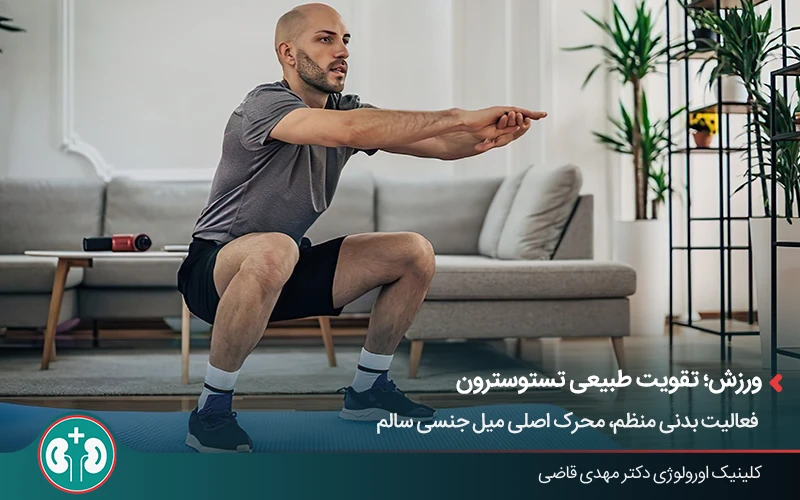
پس از وازکتومی، حفظ سلامت جسم و روان نقش مهمی در بازگشت میل جنسی دارد. یکی از مؤثرترین راهکارها، توجه به تغذیۀ مناسب، استراحت کافی و فعالیت بدنی منظم است. رژیم غذایی سرشار از ویتامینها، مواد معدنی، چربیهای سالم و آنتیاکسیدانها به تعادل هورمونی کمک میکند. خواب با کیفیت، بدن را بازسازی و خلقوخو را بهتر میکند و ورزش، با افزایش گردش خون و ترشح هورمونهای شادیبخش مانند اندورفین و تستوسترون، تأثیر مستقیمی در افزایش میل جنسی پس از وازکتومی دارد.
جمعبندی
در این مقاله تلاش کردیم به بررسی تاثیر وازکتومی بر میل جنسی بپردازیم و بهروشنی به این سوال پاسخ دهیم که میل جنسی مردان بعد از جراحی پیشگیری از بارداری چه تغییری میکند؟ اکنون پس از طرح مسائل مختلف تخصصی میتوانیم بهراحتی درک کنیم که وازکتومی بهخودیخود تأثیری بر میل جنسی آقایان ندارد. افراد معدودی هم که ادعا میکنند وازکتومی باعث کاهش میل جنسیشان شده، بیشتر بهدلیل مسائل روانی مختلفی است که در این مقاله پیرامونشان صحبت کردیم.
یکی دیگر از نگرانیهای افراد، آسان بودن عمل و نداشتن درد هنگام جراحی است. با مراجعه به اورولوژیست (Urologist) کاربلد و باتجربه میتوانید از بابت اثربخشی وازکتومی و پیشگیری قطعی از بارداری آسودهخاطر باشید.
سؤالات متداول
در این بخش از مقاله تصمیم داریم چند مورد از پرسشهای متداول و پرتکرار در مورد تاثیر وازکتومی بر میل جنسی را مطرح کنیم و به آنها پاسخ دهیم:
سوالات متداول
آیا وازکتومی باعث کاهش میل جنسی میشود؟
خیر. بر اساس شواهد علمی، وازکتومی تأثیری روی میل جنسی مردان ندارد. سطح تستوسترون بعد از وازکتومی تغییری نمیکند و مسیرهای عصبی و هورمونی مرتبط با میل جنسی دستنخورده باقی میمانند. حتی بعضی از افراد بعد از عمل، احساس آرامش و اطمینان بیشتری در رابطه جنسی دارند که میتواند میل جنسی را هم تقویت کند.
آیا ممکن است عملکرد جنسی بعد از وازکتومی افت کند؟
خیر. مطالعات نشان میدهند که عملکرد جنسی مردان، از جمله نعوظ، انزال و ارگاسم، پس از وازکتومی تغییری نمیکند. در برخی گزارشها، مردانی که وازکتومی انجام دادهاند، رضایت بیشتری از رابطه جنسی داشتهاند.
لذت جنسی بعد از وازکتومی تغییر میکند؟
نهتنها کاهش پیدا نمیکند، بلکه بسیاری از مردان از افزایش لذت جنسی هم خبر دادهاند. دلیل این موضوع، کاهش نگرانی از بارداری ناخواسته و افزایش تمرکز روی رابطه جنسی است.
آیا همسر من متوجه تغییری در میل یا رفتار جنسی من میشود؟
اگر تغییری ایجاد شود، معمولاً در جهت مثبت است. خیلی از زوجها بعد از وازکتومی رضایت بیشتری از رابطه دارند. از طرفی، حس امنیت روانی در رابطه باعث بهبود کیفیت تجربه جنسی دو طرف میشود.
آیا سطح تستوسترون بعد از وازکتومی پایین میآید؟
خیر. غدد بیضه همچنان به تولید تستوسترون ادامه میدهند. وازکتومی فقط مسیر انتقال اسپرم را میبندد و روی عملکرد هورمونی بدن اثری ندارد.
از چه زمانی میتوان دوباره رابطه جنسی را شروع کرد؟
معمولاً حدود ۷ روز بعد از عمل، با بهبودی کامل ناحیه، میتوان رابطه جنسی را از سر گرفت. البته برای اطمینان از قطع کامل باروری، باید منتظر نتیجه آزمایش اسپرم در ماه سوم بمانید. تا آن زمان، استفاده از روشهای پیشگیری توصیه میشود.
آیا رابطه جنسی بعد از وازکتومی میتواند دردناک باشد؟
در روزهای اول ممکن است کمی درد یا ناراحتی وجود داشته باشد که طبیعیست و با استراحت و مصرف مسکن برطرف میشود. اما در بلندمدت، رابطه جنسی نباید دردناک باشد. در صورت بروز درد مداوم، بهتر است با پزشک مشورت کنید.
اگر بعد از وازکتومی تغییری در میل جنسی احساس کنم، باید چه کنم؟
در چنین مواردی بهتر است با پزشک مشورت کنید تا علت دقیق بررسی شود. معمولاً کاهش میل جنسی به دلایلی غیر از وازکتومی مانند استرس، شرایط روحی یا بیماریهای دیگر مربوط میشود. ارزیابی جامع و در صورت نیاز مشاوره جنسی میتواند راهگشا باشد.
اقدامها و مسیرهای مرتبط
پزشکان مرتبط با این موضوع در مشهد
مشاهدهٔ همهٔ پزشکان: بهترین دکتر زود انزالی و اختلال نعوظ مشهد




دربارهٔ نویسنده

جراح و متخصص اورولوژی
دکتر مهدی قاضی، جراح و متخصص اورولوژی در مشهد. مقالات این سایت زیر نظر پزشکان ساختمان اورولوژی دکتر قاضی نوشته و بازبینی میشوند.
مشاهدهٔ پروفایل و نوبتدهیمطالب مرتبط
همه مطالبآیا با بستن لوله مردان باز احتمال بارداری وجود دارد؟
دکتر مهدی قاضی · ۳۰ شهریور ۱۴۰۴
بررسی کامل عوارض وازکتومی؛ مراقبتهای بعد از عمل و راهحلها
دکتر مهدی قاضی · ۲ مرداد ۱۴۰۴
مراقبت های بعد از عمل وازکتومی؛ راهنمای کامل برای بهبودی سریع
دکتر مهدی قاضی · ۱۹ تیر ۱۴۰۴
همه چیز درباره بارداری با وجود وازکتومی؛ دلایل شکست و راهکارها
دکتر مهدی قاضی · ۱۸ تیر ۱۴۰۴
دیدگاهها
0 دیدگاه
هنوز دیدگاهی ثبت نشده است. اولین نفری باشید که نظر میدهد.