 برای بزرگنمایی لمس کنید
تاثیر وازکتومی بر نعوظ؛ بررسی واقعیتها و نتایج تحقیقات پزشکی
- نویسنده
- دکتر مهدی قاضی
- تاریخ انتشار
- ۱۳ اردیبهشت ۱۴۰۴
- زمان مطالعه
- ۶ دقیقه مطالعه
- آخرین بهروزرسانی
- بهروزرسانی: ۲۹ تیر ۱۴۰۵
تاثیر وازکتومی بر نعوظ یکی از دغدغههای اصلی مردانی است که قصد دارند این جراحی را انجام دهند. مطالعات مختلف، از جمله یک مقالۀ منتشرشده در مجلۀ Journal of Psychosomatic Research، نشان میدهند که وازکتومی (Vasectomy) بهخودیخود موجب اختلال نعوظ (Erectile Dysfunction) نمیشود؛ اما طبق مطالعات علمی دربارۀ عملکرد نعوظ، پذیرش پایین وازکتومی از سوی آقایان تا تحمیل این جراحی به آنها میتواند به شکل روانی باعث مشکلات جنسی از جمله اختلال در نعوظ شود.
در این مقاله تصمیم داریم در مورد تاثیر وازکتومی بر نعوظ و عملکرد جنسی مردان پس از وازکتومی صحبت کنیم. در صورتی که شما هم در این زمینه پرسشها و ابهامهایی دارید، پیشنهاد میشود که پایان این مقاله با ما همراه شوید.
وازکتومی چیست و چگونه انجام می شود؟
عمل وازکتومی روشی دائمی برای پیشگیری از باروری آقایان محسوب میشود. در این روش، لولههای بیضه برش داده میشود و سپس قطع و گره زده میشود تا اسپرم نتواند وارد مایع منی شود. توجه داشته باشید که عملکرد نعوظ بعد از جراحی تغییری نمیکند و حتی مایع منی هم حین رابطۀ جنسی از او خارج میشود؛ ولی این مایع فاقد اسپرم است و به همین دلیل، قابلیت بارورکنندگی ندارد.
بستن لولهٔ مردان (وازکتومی) سرپایی و بدون تیغ وازکتومی در مشهد
توجه : بر اساس علت مراجعه و به منظور افزایش کیفیت و رضایتمندی بیماران , پزشکان این مجموعه در حوزه مرتبط بیماران را ویزیت میکنند.

رزرو نوبت
با نگاهی به مطالعات آماری دپارتمان اورولوژی دانشگاه کارولینای شمالی میتوان دریافت که وازکتومی یا عمل بستن لولههای وابران یا وازدفران (Vas deferens)، موثرترین و کاراترین روش موجود برای پیشگیری از باروری است؛ زیرا نرخ موفقیت آن در پیشگیری 99.95 درصد برآورده شده است. این روش برای آقایانی مناسب است که خودشان یا با مشورت همسرشان به این نتیجه رسیدهاند که دیگر 100 درصد قصد آوردن فرزند ندارند.
شیوۀ انجام وازکتومی و نقش کیسه منی و لولههای واز در باروری
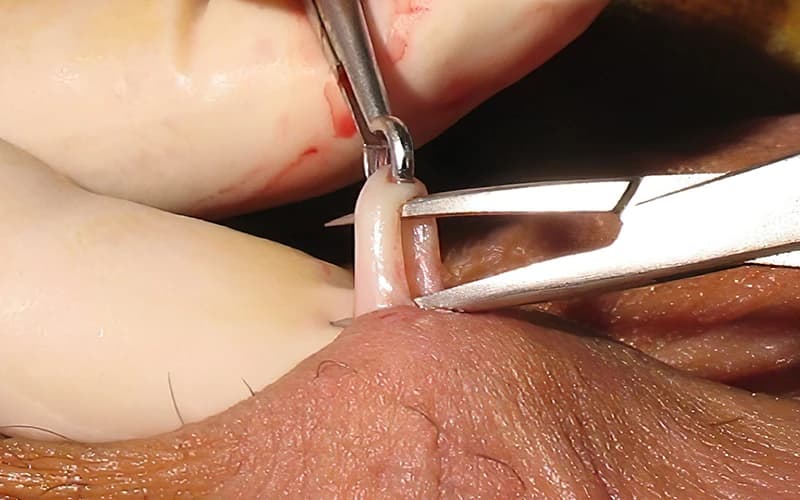
وازکتومی معمولاً در مطب یک پزشک اورولوژیست انجام میشود. پس از انجام معاینات با روش استریل، سوزن بیحسی به پوست قسمت جلوی بیضه تزریق میشود. با این بیحسی، بیمار حین عمل هیچ دردی احساس نمیکند. گرچه ممکن است بیمار کمی روی بیضهها احساس فشار کند.
در روش قدیمی وازکتومی، پزشکان عمل وازکتومی را با تیغ جراحی انجام میدادند و برای دسترسی به لولههای وابران اسپرم، برشهای 1 تا 2 سانتیمتری روی پوست بیضه ایجاد میکردند. لولههای وابران وظیفۀ حمل اسپرم از بیضهها را بر عهده دارند.
در روش نوین، پزشک بهندرت از تیغ جراحی استفاده میکند. در این روش با استفاده از ابزار خاصی، سوراخ کوچکی روی پوست بیضه ایجاد میشود؛ سپس لولههای وابران در هر طرف، خارج شده، جراح دو طرف آن لوله را گره زده، وسط آن را قطع میکند و در پایان، لوله را به درون پوست بیضه برمیگرداند.


در روش نوین عمل بستن لولههای وابران، سوراخ کوچکی که روی پوست بیضه ایجاد شده است، بسته نمیشود تا از طریق این لوله، امکان خروج مایعات و خونریزیهای مختصری که رخ داده است فراهم شود. این سوراخ ظرف سه تا چهار روز خودبهخود بسته میشود. روش نوین عمل وازکتومی، سرجمع 15 تا 30 دقیقه زمان نیاز دارد. در صورت تمایل به کسب اطلاعات کامل دربارۀ این عمل، پیشنهاد میکنیم مقالۀ وازکتومی چیست را مطالعه کنید.
نقش کیسه منی و لولههای واز در باروری
کیسههای منی (Seminal Vesicles) دو غدۀ کوچک هستند که پشت مثانه قرار گرفتهاند و 60 تا 70 درصد حجم مایع منی را تولید میکنند. کیسۀ منی خودش اسپرم تولید نمیکند؛ ولی مایع منیای که تولید میکند حاوی موادی مثل فروکتوز، پروستاگلاندینها، مایع قلیایی و پروتئینهای لختهکننده است که برای بقای اسپرم، ضرورت دارد.
کوتاهسخن اینکه کیسههای منی با تولید مایعی که اسپرم را تغذیه میکند، از اسپرم محافظت میکنند، به حرکت آن یاری میرسانند و نقشی غیرمستقیم اما حیاتی در باروری دارند.
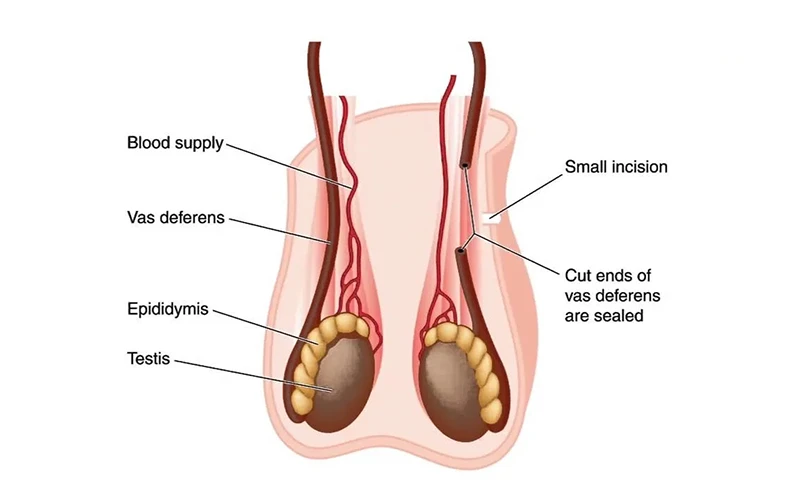
در مورد نقش لولههای واز یا لولههای وابران در باروری باید بگوییم: دو لولۀ عضلانی هستند که وظیفه انتقال اسپرمهای بالغ را از اپیدیدیم (محل ذخیره و بلوغ اسپرم در بیضهها) به مجرای ادرار (Urethra) بر عهده دارند.
اسپرمها در بیضه ساخته میشوند و سپس به اپیدیدیم میروند. اپیدیدیم محل ذخیره و بلوغ اسپرمهاست. از آنجا، هنگام تحریک جنسی، اسپرمها از طریق لولههای واز به طرف مجاری انزالی منتقل میشوند. اسپرمهایی که از لولههای واز عبور میکنند در نزدیکی پروستات با ترشحات کیسههای منی و پروستات ترکیب میشوند و مایع منی را تشکیل میدهند.
با این تفاصیل لولههای وابران یا واز، راه عبور اسپرم از بیضه به بیرون بدن هستند و در صورت بسته شدن این لولهها با وازکتومی، اسپرمها دیگر نمیتوانند از بیضه به مجاری انزالی برسند؛ در نتیجه، مایع منی بدون اسپرم از بدن خارج میشود و باروری اتفاق نمیافتد.
نعوظ چگونه اتفاق میافتد؟ بررسی ساختار آناتومیک مسئول نعوظ
در این بخش از مقاله میخواهیم به بررسی ساختار آناتومیک مسئول نعوظ (Erection) بپردازیم. نعوظ یک فرایند فیزیولوژیک پیچیده است که بر اثر تعامل سیستم عصبی، هورمونها، عروق خونی و عضلات در آلت تناسلی مردانه رخ میدهد. در ادامه مراحل و عملکرد نعوظ را دقیقتر بیان میکنیم:
تحریک جنسی به صورت ذهنی (روانی) یا لمسی اتفاق میافتد.
تحریک باعث میشود پیامهای عصبی از مغز به نخاع و سپس به اعصاب آلت تناسلی فرستاده شوند. این پیامها از طریق سیستم عصبی پاراسمپاتیک (که معمولاً در حالت آرامش فعال است) منتقل میشوند.
اعصاب آلت تناسلی پس از دریافت پیامهای عصبی، شروع به ترشح مادهای به نام نیتریک اکسید (Nitric Oxide) میکنند. این ماده شل شدن دیوارۀ رگهای خونی در آلت تناسلی را به دنبال دارد و باعث گشاد شدن شریانها میشود؛ درنتیجه، جریان خون به دو ساختار استوانهای به نام اجسام غاری (Corpora Cavernosa) و تا حدی کمتر به ساختار سوم به نام جسم اسفنجی (Corpus Spongiosum) افزایش مییابد.
اجسام غاری از فضاهای سینوسی (مانند اسفنج) تشکیل شدهاند. با افزایش جریان خون، این فضاها پر از خون میشوند؛ در نتیجه حجم آلت تناسلی افزایش مییابد و سفت میشود.
همزمان با پر شدن اجسام غاری، فشار خون در آنها بالا میرود؛ این فشار خون به وریدهایی که خون را از آلت تناسلی خارج میکنند، فشار وارد کرده و آنها را تا حدی مسدود میکند؛ در نتیجه، خون کمتری از آلت تناسلی خارج شده و نعوظ حفظ میشود.
نعوظ زمانی پایان مییابد که تحریک جنسی متوقف شود یا اینکه انزال اتفاق بیفتد. در این صورت، پیامهای عصبی کاهش مییابند، سطح نیتریک اکسید افت میکند، رگها خونی، منقبض و خون موجود در اجسام غاری از طریق وریدها تخلیه میشود. در این زمان است که آلت تناسلی به حالت غیرنعوظی و شُل خود برمیگردد.
آیا ارتباطی بین وازکتومی با اختلال نعوظ وجود دارد؟
پرسشهای اساسیای که در این بخش از مقاله میخواهیم به آنها پاسخ دهیم این موارد هستند: آیا ارتباطی بین وازکتومی و اختلال نعوظ وجود دارد؟ تاثیر وازکتومی بر نعوظ چیست؟ تاثیر وازکتومی بر عملکرد جنسی مردان چیست؟
در پاسخ به این سوال باید بگوییم که عمل وازکتومی فقط لولههای وابران را قطع و مسدود میکند که وظیفۀ حمل اسپرم را دارند و تأثیری بر هورمونهای جنسی به ویژه تستوسترون (Testosterone)، اعصاب مسئول ایجاد و حفظ نعوظ، جریان خون و میل جنسی ندارد.
وقتی شخص عمل وازکتومی انجام میدهد، نعوظ و کیفیت رابطۀ جنسیاش تغییری نمیکند و هورمونهای جنسی هم مثل قبل از عمل، ترشح میشوند . حجم مایع منی هم بعد از وازکتومی مثل قبل است. البته این احتمال وجود دارد که حجم مایع منی، بعد از عمل، کمی نسبت به قبل از عمل، کاهش یابد.
وقتی عمل وازکتومی انجام میدهید، بیضهها همچنان مثل قبل به تولید اسپرم ادامه میدهند؛ اما این اسپرمها دیگر وارد مجاری ادراری نمیشوند. در نتیجه، اسپرمها از بدن خارج نمیشوند و بهمرور توسط خود بدن جذب میشوند.
کاهش نعوظ بعد از وازکتومی واقعیت دارد؟ آیا وازکتومی باعث ناتوانی جنسی میشود؟
این سوالها را اکثر کسانی که قصد وازکتومی دارند یا به آن فکر میکنند، از پزشکان میپرسند. پاسخ کوتاه به این دو سوال، آن است که وازکتومی هیچ تغییری در نعوظ افراد ایجاد نمیکند.
برخی از مردان، که دچار مشکلات جنسی پس از وازکتومی میشوند، درگیر مسائل روانی میشوند و دلیل کاهش نعوظشان فیزیولوژیکی نیست. برخی از این آقایان تصور میکنند که بعد از وازکتومی، مردانگیشان کم شده است. همچنین برخی دیگر احساس میکنند تصمیم برای این عمل از سوی همسرشان به آنها تحمیل شده است و دچار مسائل روانی میشوند.
عدم پذیرش وازکتومی و پذیرش پایین آن از سوی آقایان، بهویژه زمانی که تصمیم توسط همسرشان تحمیل شده باشد، میتواند از نظر روانی بر عملکرد جنسی مردان تأثیر منفی بگذارد و منجر به اختلال نعوظ شود. نتایج پژوهشهای پزشکی دربارۀ تاثیر جراحی بستن لوله بر نعوظ نشان میدهد که سن بالاتر در زمان وازکتومی نیز ممکن است یک عامل خطر باشد.

آیا عمل بازگشت وازکتومی می تواند سبب ناتوانی جنسی شود؟
یکی از مباحثی که در بررسی علمی ارتباط وازکتومی و نعوظ وجود دارد این است که آیا عمل بازگشت وازکتومی باعث اختلال نعوظ (Erectile Dysfunction) میشود؟ پاسخ این است که در اغلب موارد، عمل بازگشت وازکتومی تاثیری بر زندگی جنسی و نعوظ فرد ندارد. همچنین بازگشت وازکتومی روی هورمونهای جنسی مردانه و اعصاب و رگهای خونی مسئول نعوظ، تأثیر نمیگذارد. ناگفته نماند که علل و عوامل روانی مثل استرس، اضطراب یا افسردگی ناشی از عمل جراحی و همچنین نگرانی در مورد موفقیت عمل بازگشت یا مسائل مربوط به باروری مجدد، میتواند به طور موقت بر عملکرد جنسی از جمله نعوظ تأثیر بگذارد.
سوال: آیا پس از وازکتومی آقایان امکان بارداری همسرشان وجود دارد؟
بله، تا 4 ماه بعد از عمل وازکتومی، احتمال بارداری همسر وجود دارد؛ زیرا بعد از وازکتومی ممکن است اسپرمها در مسیر لولهها باقی مانده باشد. توصیۀ پزشکان این است که تا حدود 4 ماه پس از عمل، از روشهای پیشگیری از بارداری استفاده شود. برای اطمینان خاطر از اثربخشی وازکتومی لازم است آزمایش اسپرم صورت گیرد تا مشخص شود که مایع کاملاً بدون اسپرم شده است.
جمعبندی
در این مقاله به بیان تاثیر وازکتومی بر نعوظ اشاره کردیم و فهمیدیم که وازکتومی در اغلب موارد، تأثیری بر نعوظ ندارد و افت عملکرد جنسی بعد از وازکتومی در برخی افراد به دلایل روانی و پذیرش پایین وازکتومی است. امیدواریم نکات این مقاله به افزایش آگاهی شما دربارۀ رابطۀ وازکتومی و نعوظ کمک کرده باشد.
خوشبختانه امروزه امکان انجام وازکتومی بدون جراحی و از طریق ایجاد یک برش کوچک در بیضه وجود دارد. در صورتی که قصد دارید برای وازکتومی، از این روش استفاده کنید، میتوانید به یک اورولوژیست (Urologist) کاربلد، متخصص و برخوردار از دانش روز مراجعه کنید.
سوالات متداول
در این بخش از مقاله تصمیم داریم چند مورد از پرسشهای پرتکراری که در مورد رابطۀ جنسی و نعوظ بعد از وازکتومی وجود دارد را مطرح کنیم و به آنها پاسخ دهیم:
سوالات متداول
آیا وازکتومی باعث کاهش میل جنسی میشود؟
خیر. وازکتومی فقط مسیر عبور اسپرم را قطع میکند و به سطح هورمونهای جنسی مثل تستوسترون آسیبی نمیزند، بنابراین میل جنسی کاهش پیدا نمیکند.
آیا وازکتومی روی مقدار و ظاهر مایع منی تأثیر میگذارد؟
خیر. اسپرم فقط درصد کمی از حجم منی را تشکیل میدهد، بنابراین بعد از وازکتومی، ظاهر و حجم مایع منی تقریباً تغییری نمیکند.
چرا برخی آقایان ادعا میکنند که بعد از وازکتومی دچار اختلال نعوظ شدهاند؟
وازکتومی مستقیماً باعث اختلال نعوظ نمیشود. این مشکل معمولاً به دلایل روانی مثل اضطراب، یا بیماریهای زمینهای مثل دیابت و فشار خون مربوط است.
برای بهبود میل جنسی پس از وازکتومی چه راهکارهایی وجود دارد؟
ورزش منظم، خواب کافی، تغذیۀ سالم، کاهش استرس و گفتوگو با اورولوژیست یا مشاور جنسی میتوانند به حفظ یا بهبود میل جنسی کمک کنند.
اقدامها و مسیرهای مرتبط
پزشکان مرتبط با این موضوع در مشهد
مشاهدهٔ همهٔ پزشکان: بهترین جراح اورولوژی مشهد




دربارهٔ نویسنده

جراح و متخصص اورولوژی
دکتر مهدی قاضی، جراح و متخصص اورولوژی در مشهد. مقالات این سایت زیر نظر پزشکان ساختمان اورولوژی دکتر قاضی نوشته و بازبینی میشوند.
مشاهدهٔ پروفایل و نوبتدهیمطالب مرتبط
همه مطالبآیا با بستن لوله مردان باز احتمال بارداری وجود دارد؟
دکتر مهدی قاضی · ۳۰ شهریور ۱۴۰۴
بررسی کامل عوارض وازکتومی؛ مراقبتهای بعد از عمل و راهحلها
دکتر مهدی قاضی · ۲ مرداد ۱۴۰۴
مراقبت های بعد از عمل وازکتومی؛ راهنمای کامل برای بهبودی سریع
دکتر مهدی قاضی · ۱۹ تیر ۱۴۰۴
همه چیز درباره بارداری با وجود وازکتومی؛ دلایل شکست و راهکارها
دکتر مهدی قاضی · ۱۸ تیر ۱۴۰۴
دیدگاهها
0 دیدگاه
هنوز دیدگاهی ثبت نشده است. اولین نفری باشید که نظر میدهد.