 Tap to zoom
Varicocele: Causes, Symptoms, Effects on Fertility, and Treatment
- نویسنده
- دکتر مهدی قاضی
- Published on
- June 26, 2026
- Reading time
- 5 min read
- Last updated
- Updated: June 27, 2026
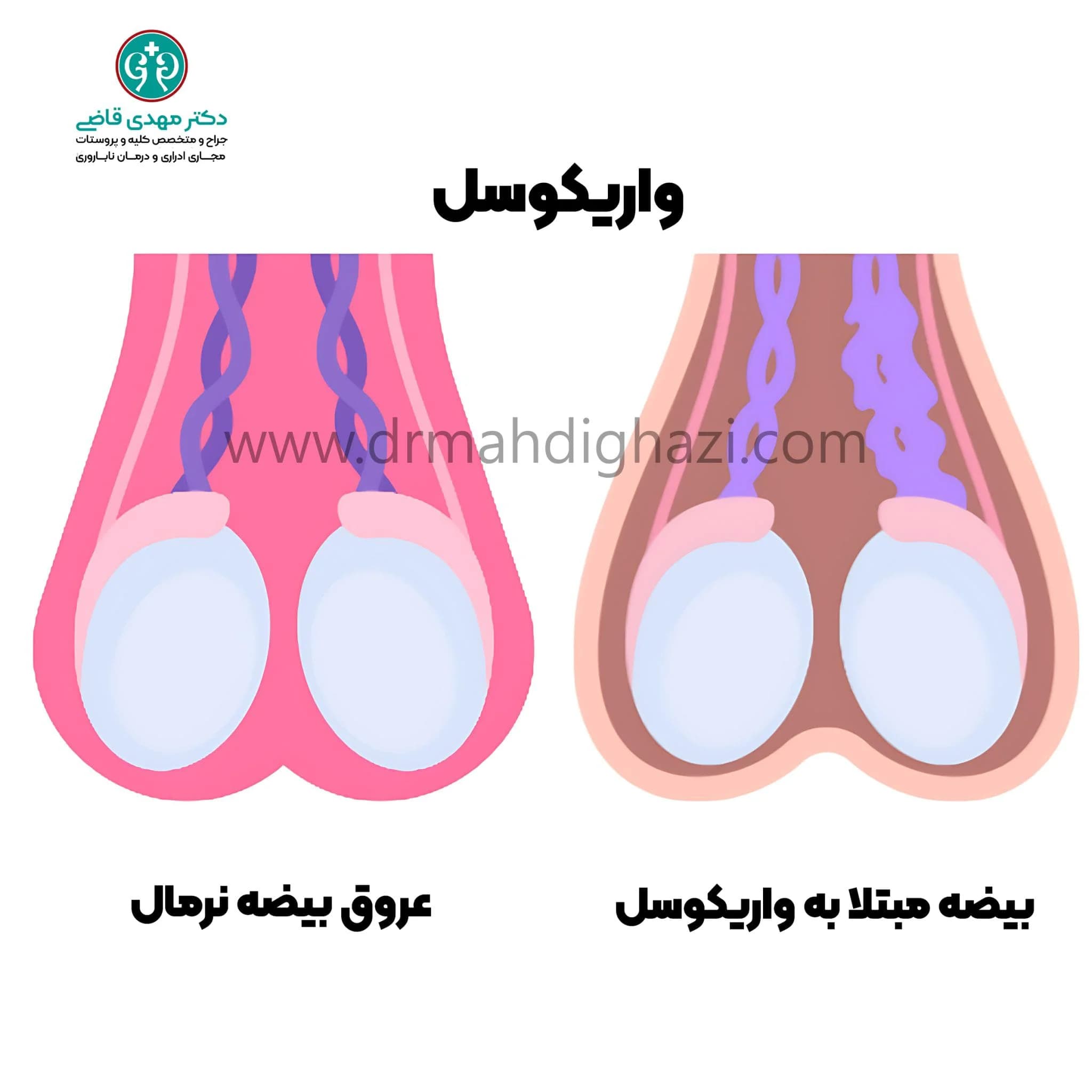
Varicocele is a condition in which the veins inside the scrotum become enlarged. These veins, known as the pampiniform plexus, carry low-oxygen blood and waste products from the testicles back toward the heart.
Dilation of these veins occurs because blood flows backward into them, increasing pressure and causing abnormal widening of the veins.
For this reason, varicocele is somewhat similar to varicose veins in the legs.
Effect of varicocele on the testicles
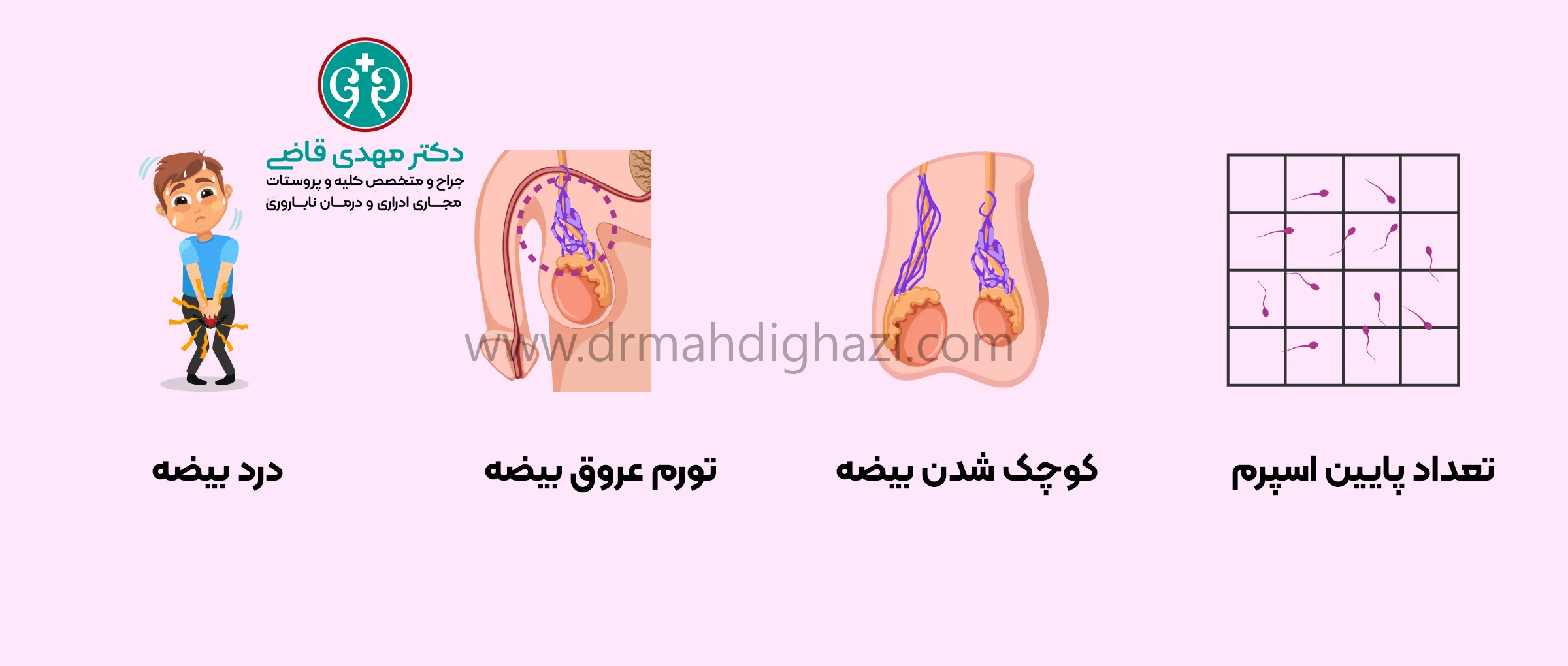
Over time, varicocele can have negative effects on the testicles.
When venous valves do not work properly or are absent, blood flows downward and back into the testicular veins, increasing pressure in these veins. This increased pressure leads to venous dilation and the formation of a varicocele.
This condition is most common among men aged 15 to 25, but it can occur at other ages as well. Varicocele can reduce sperm quality and ultimately cause fertility problems.
Increased venous pressure and blood pooling in the testicles can raise the local temperature in the testicles. This temperature increase can disrupt the function of sperm-producing cells (Sertoli cells) and reduce sperm production.
Increased venous pressure can also cause toxic metabolic products to accumulate in the testicles and worsen damage to sperm-producing cells.



Appointments related to Best Varicocele Doctors & Surgeons in Mashhad
1 doctors available to book
This condition is common in adolescence and young adulthood and is rare before the age of 10.
Most varicoceles are found in the left testicle, although in some cases both testicles may be involved. This is due to the anatomy of the testicular venous system and the angle at which the left spermatic vein enters the left renal vein. The left spermatic vein drains directly and vertically into the left renal vein, creating greater hydrostatic pressure in this vein and therefore dilation of the pampiniform plexus veins in the left testicle. By contrast, the right spermatic vein drains obliquely into the vena cava and is exposed to less pressure.
Poor function or absence of venous valves can also play an important role in the development of varicocele.
Testicular pain is one sign of varicocele, although some varicoceles are painless and may not require treatment.
Varicocele is usually asymptomatic, and many men do not realize they have it until they see a physician for fertility problems or a physical examination.
However, in some rare cases, varicocele can cause pain. This pain may have the following features:
Pain related to varicocele may range from sharp, sudden pain to a dull, chronic ache in the scrotum. This pain is usually felt on the left side of the testicle because varicocele occurs in the left testicle in most cases.
Varicocele pain usually worsens with prolonged standing or activities that require straining, such as lifting heavy objects. This occurs because standing or straining increases pressure inside the testicular veins, leading to more blood pooling and higher venous pressure.
Varicocele pain usually gradually worsens during the day. This worsening may be due to increased hydrostatic pressure in the testicular veins from standing and daily activity. As standing time and activity increase during the day, pressure inside the veins rises and pain increases.
When a person lies down, venous pressure in the pampiniform plexus decreases. This drop in pressure is due to reduced gravitational effect on blood flow and better drainage of blood from the veins. For this reason, varicocele pain usually decreases or disappears completely when lying down.
Effect of varicocele on fertility
Testicular varicocele is one of the main causes of reduced sperm production and lower sperm quality. This condition can lower testosterone levels in affected people, and this decrease, along with other factors, may contribute to male infertility.
However, it is important to note that not every type of varicocele directly affects sperm production. In addition, varicocele can also lead to poor testicular growth or shrinkage and atrophy of the testicles.
How can varicocele cause infertility?
Not all men with varicocele become infertile, and in some cases an undiagnosed varicocele can be the main cause of infertility.
The following signs and complications that develop as a result of varicocele can explain the relationship between varicocele and male infertility:
Increased testicular temperature
Varicocele raises the temperature of the testicles, which can affect sperm production. Studies have shown that each 1 degree Celsius increase in testicular temperature can reduce sperm count by up to 40%.Damage to DNA in sperm
Varicocele can lead to sperm DNA damage. Men with varicocele have more sperm DNA damage than others. This damage can reduce fertility and increase the risk of miscarriage if pregnancy occurs.Disrupted testicular growth and shape
Varicocele can lead to abnormal testicular growth and swelling of the veins in the scrotum. These conditions can cause abnormal sperm production and lower semen quality.Lower testosterone levels
There is a close association between varicocele and low blood testosterone levels. Low testosterone can lead to other problems such as reduced sexual desire, low energy, and even reduced muscle mass.Reduced semen quality
Because of its negative effects on the testicles and the male reproductive system, varicocele can reduce semen quality. This reduction includes lower sperm count, reduced sperm motility, and more abnormal sperm, all of which can affect fertility.
Some studies have shown that varicocele may be associated with increased oxidative stress in the testicles. This oxidative stress can cause cellular damage and consequently reduce sperm quality and even cause genetic problems in sperm.
Causes of varicocele
The exact cause of varicocele is still not fully known, but several factors may play a role in its development. No specific underlying cause has been identified so far.
Below, we describe some causes that may be associated with the development of varicocele:
Role of rapid growth and anatomy in varicocele formation
One proposed theory is that rapid growth of the sexual organs during adolescence may affect the venous system and lead to this condition.
During rapid growth, the need for blood supply increases and veins may come under pressure, which can cause abnormal widening.
Anatomical differences between people can also play an important role in varicocele. For example, the angle where the spermatic vein enters the left renal vein and the lack of effective valves in these veins can lead to blood pooling and varicocele formation.
Genetic factors
Although the exact cause of varicocele is unknown, genetic factors may also play a role in its development.
Some people may inherit weaker venous valves or have a venous structure that increases the likelihood of varicocele.
A family history of vascular problems can also increase the risk of varicocele.
Relationship with overall vascular health
Varicocele may be a sign of broader problems in the vascular system.
This association may point to vascular insufficiency or other cardiovascular problems in men with varicocele.
For example, circulation problems can increase pressure in the testicular veins and lead to varicocele.
Environmental and lifestyle effects
Although studied less often, some researchers believe that environmental and lifestyle factors may also contribute to varicocele. Heavy physical activity, lifting heavy objects, or work that requires prolonged standing may increase pressure on the testicular veins and lead to varicocele.
How is testicular varicocele diagnosed?
Varicocele is usually diagnosed through physical examination and additional evaluations. First, the urologist takes the patient's medical history and then performs a physical examination. Physical examination is very important in diagnosing varicocele, especially for identifying clusters of enlarged, twisted veins in the scrotum.
Physical examination:
The urologist examines the enlarged veins in the scrotum. Varicocele is identified as a cluster of swollen and twisted veins that usually becomes more obvious while standing or straining. These veins may feel or look like a bag of worms.
The affected testicle is usually smaller than the opposite side. During examination, both testicles should be checked to identify changes in their size and condition.
Ultrasound (ultrasonography):
Color Doppler ultrasound
This imaging method is used for more precise evaluation of varicocele. Doppler ultrasound uses sound waves to create images of the testicular area and blood flow in its veins. This technique can help identify dilated veins and assess the degree of blood reflux. In addition, Doppler ultrasound can provide information about the speed and pattern of blood flow in the testicular area, which is useful for diagnosing the severity of varicocele and assessing related damage.
Laboratory tests:
Hormone tests
These tests measure hormone levels related to testicular function and sperm production. Tests are usually performed to measure testosterone, FSH (follicle-stimulating hormone), and LH (luteinizing hormone). These tests help evaluate the effect of varicocele on hormonal balance and testicular function.Semen analysis (spermiogram)
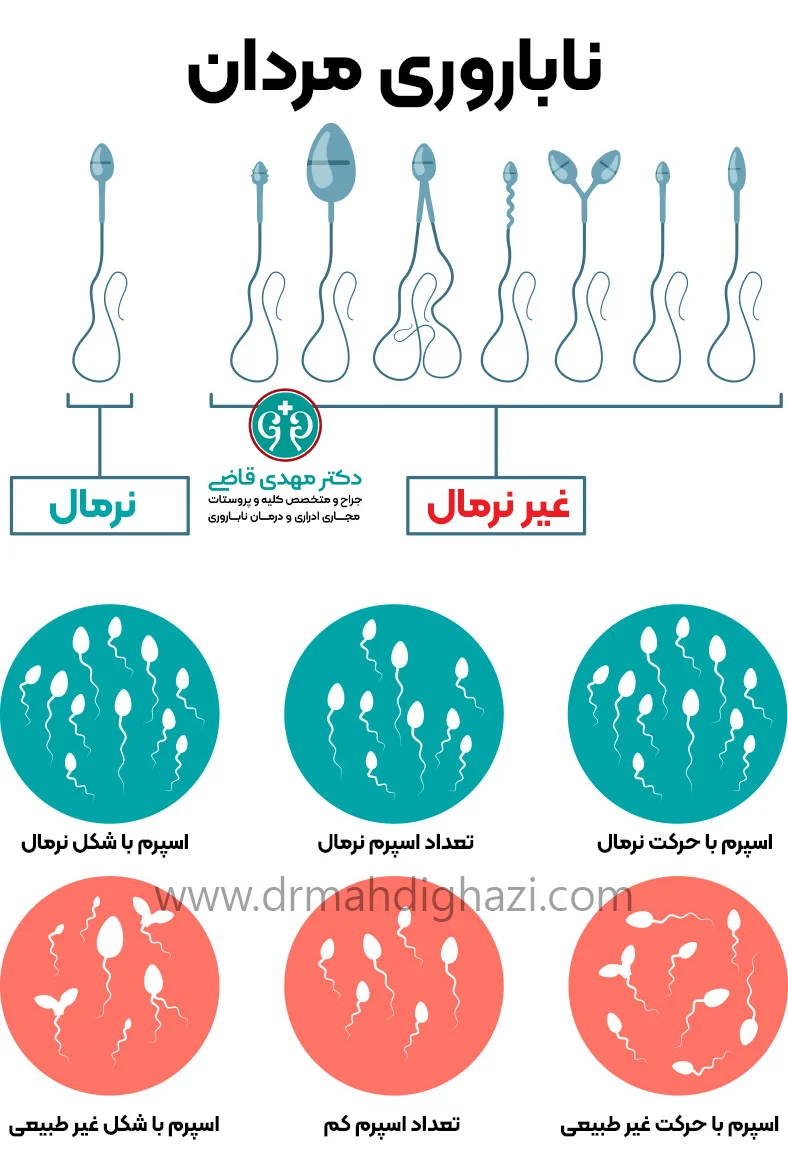
In this test, a semen sample is examined to evaluate sperm quality and quantity. This test includes the following measurements:
Sperm count (sperm per milliliter of semen)
Sperm count directly affects fertility potential. A low sperm count can indicate problems with sperm production.Sperm motility
Sperm motility refers to the sperm's ability to move and swim. Sperm with good motility can pass through the female reproductive tract and reach the egg. Reduced sperm motility can affect fertility.Sperm morphology (shape and structure)
Evaluating sperm structure is important for identifying structural abnormalities. Abnormal sperm may not be able to fertilize an egg properly.Semen volume
Semen volume can also affect fertility because it may include factors that help nourish and support sperm.Assessment of oxidative stress
In some cases, oxidative stress in semen may also be measured. Oxidative stress can damage sperm DNA and reduce sperm quality.
Varicocele grading
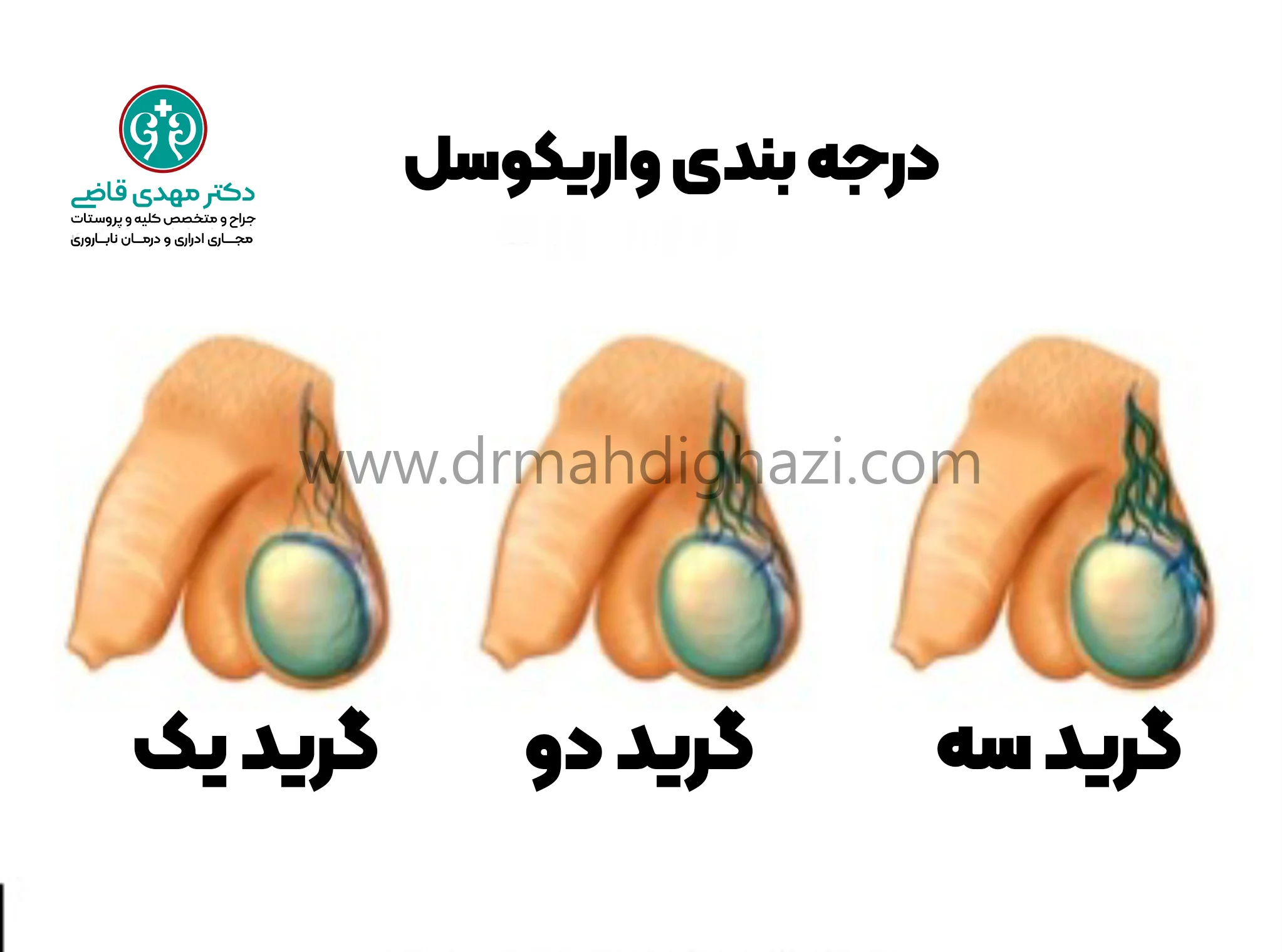
Varicocele is divided into three grades based on severity and the visibility of dilated veins:
Grade one:
In this grade, dilated veins are palpable only during straining or standing. At rest, these veins are usually not palpable.
Grade two:
In this grade, dilated veins are palpable on physical examination at rest, without the need for straining or standing.
Grade three:
In this grade, the dilated veins are large enough to be visible through the scrotum. This condition may be clearly identified on visual examination.
An isolated right-sided varicocele is relatively rare. If present, kidney ultrasound is needed to make sure there is no specific cause such as a malignancy in the right kidney. This additional evaluation is necessary to rule out or identify other problems such as kidney tumors.
When does varicocele treatment become necessary?
In many cases, varicocele may not require treatment or surgery, especially if it has not caused unwanted cosmetic changes, pain, or fertility disorders.
However, when varicocele is associated with infertility, pain, or testicular wasting and atrophy, treatment is necessary. The goal of treatment is to close the damaged veins and direct blood flow to healthy veins.
Varicocele treatment is necessary in the following situations:
Reduced testicle size
If the affected testicle has become smaller than the opposite testicle, varicocele treatment is needed. This reduction in size may be a sign of reduced testicular function.Pain and discomfort
Treatment is needed if there is significant pain or swelling in the testicles. This pain may be chronic or severe and may affect the patient's quality of life.Abnormal semen test results (infertility)
Treatment becomes necessary if fertility has been affected or is likely to be affected in the future. Reduced sperm quality or count on repeated tests is a sign of this disorder.
If semen analysis shows reduced sperm quality, count, or motility, varicocele surgery may be considered. The more severe the varicocele, the greater the chance of improved sperm quality after treatment.Secondary varicocele
In rare cases, varicocele may be a sign of kidney or testicular tumors, especially when it appears suddenly and on the right side. In this situation, the patient should promptly undergo more detailed evaluation and surgery. Although fewer than 10% of new, sudden varicoceles are signs of a tumor, this possibility should not be ignored.
For people who do not need surgery, sperm quality should be monitored every few months. This follow-up is especially necessary for people who have varicocele but whose fertility has not yet been affected. If a person is married and has children, varicocele surgery may not be necessary unless pain or other clinical symptoms are present.
Varicocele treatment
The appropriate method for treating varicocele should be selected based on the patient's clinical condition, the surgeon's experience and expertise, and available facilities.
Each treatment method has its own advantages and disadvantages, and the final decision should be made after careful consultation with a urologist and full review of the benefits and drawbacks of each method.
Below, we describe the surgical methods for varicocele:
Supportive treatments
When varicocele has limited clinical symptoms and has not affected the patient's quality of life or fertility, conservative treatments may be used. These methods include:
Use of pain relievers
If the patient feels only mild pain, nonsteroidal anti-inflammatory drugs (NSAIDs) such as ibuprofen may help.Use of tight underwear
Some patients can control varicocele symptoms by using firm underwear or scrotal supports.
These methods are usually used as short-term measures, and when symptoms become more severe or an effect on fertility is seen, surgical treatment is recommended.
Open surgery
Open surgery is one of the most common methods of treating varicocele and is divided into three main types:
Inguinal varicocelectomy
This method involves making an incision in the inguinal region (groin). Through this incision, the surgeon reaches the enlarged veins and blocks them. This is one of the common and effective methods and has shown good results in improving fertility.Subinguinal varicocelectomy
In this method, the incision is made slightly lower than in the inguinal approach and near the base of the penis. This method provides better access to the veins and reduces the risk of injury to the testicular artery and lymphatic vessels.Retroperitoneal varicocelectomy
In this method, also known as the Palomo technique, the incision is made higher in the abdominal area. The varicocele veins are tied near their exit from the kidneys. This method is usually used in selected cases and is less common today.
Each of these methods has its own advantages and disadvantages, but in general, open surgeries are recognized as a standard and effective method for treating varicocele.
Laparoscopic surgery
Laparoscopic surgery is another treatment method for varicocele. It is less invasive and involves making several small incisions in the abdomen to insert a camera and surgical instruments. Using these instruments, the surgeon blocks the enlarged veins.
Advantages
This method has advantages such as less postoperative pain, faster return to normal activities, and a lower infection rate.Disadvantages
Laparoscopic surgery requires special expertise and equipment, and risks related to general laparoscopy, such as injury to large blood vessels or internal organs, may exist.
Varicocele embolization
Embolization is a less invasive method performed by interventional radiologists. In this method, a catheter is inserted into the venous system through a large vein, usually the femoral or jugular vein, and guided to the testicular veins. Blocking materials such as sclerosants are then injected to stop venous blood flow.
Advantages
This method is performed under local anesthesia, and the patient can return home the same day. Embolization is also usually associated with less pain and does not carry the risks of traditional surgery.Disadvantages
The success of this method depends on the physician's skill and the technique used. The chance of varicocele recurrence with this method is also slightly higher than with open or laparoscopic surgery.
Microsurgical varicocelectomy
Microsurgical varicocelectomy is recognized as the most precise and effective surgical method for treating varicocele.
In this method, the surgeon uses an operating microscope to block the testicular veins with very high precision. This method is usually performed through a subinguinal incision.
Advantages
Microsurgery has the lowest rate of side effects such as injury to the testicular artery or lymphatic system. Its success rate is also very high, and the risk of varicocele recurrence is lower than with other methods.Disadvantages
This method requires special expertise and equipment and may take longer. The cost of microsurgery is also usually higher than other methods.
Complications of varicocele surgery
Varicocele surgery, as one of the common treatment methods for varicocele, is effective in improving symptoms and increasing fertility in patients. However, like any other surgical procedure, it can be associated with complications.
Awareness of these complications and proper management are essential for patients and physicians.
In this section, we provide a complete and comprehensive review of varicocele surgery complications based on reliable urology sources.
Varicocele recurrence
One of the most common complications of varicocele surgery is recurrence. This complication may occur because the enlarged veins were not tied off sufficiently or because new veins formed.
Recurrence rates vary among surgical methods. In open inguinal and subinguinal surgeries, recurrence has been reported at 10-15%, whereas with microsurgical techniques this rate decreases to less than 1-2%.
If varicocele recurs, repeat surgery or less invasive methods such as embolization are usually needed.
Hydrocele
Hydrocele is a collection of fluid around the testicles that can occur after varicocele surgery. This complication usually develops because of injury to lymphatic vessels during surgery.
Hydrocele is more common with open surgical methods, especially the Palomo technique, and its rate has been reported at up to 7-10%. With microsurgical methods, because a microscope is used and precision is greater, this rate decreases to about 1%.
In mild cases, hydrocele may resolve over time without any specific treatment. In severe cases, however, fluid drainage or surgery to repair the hydrocele may be needed.
Injury to the testicular artery
Injury to the testicular artery is a rare but serious complication of varicocele surgery that can reduce blood supply to the testicle and lead to testicular atrophy (decreased size).
This complication occurs in open surgeries and is also more common in laparoscopic methods. In microsurgical methods, use of the operating microscope significantly reduces the risk of injury to the testicular artery.
If the testicular artery is injured, surgical repair may be necessary, although in some cases the injury may be irreversible and lead to testicular atrophy.
Infection and bleeding
Infection and hematoma formation (blood collection under the skin) are general complications of any surgery and can also occur after varicocele surgery.
The rate of infection and hematoma after varicocele surgery is relatively low and is usually reported in less than 1-2% of cases. These complications can usually be prevented with proper surgical techniques and postoperative care.
Treatment of infection includes antibiotics and, when necessary, drainage of the hematoma. Severe bleeding may require surgical intervention to control the bleeding.
Injury to other veins
During varicocele surgery, veins around the surgical field and the inguinal region may be injured. These injuries can cause bleeding and hematoma formation.
This complication is usually rare, and its rate depends on the surgical technique and the surgeon's experience.
Treatment includes controlling bleeding during surgery and, when necessary, draining the hematoma after surgery.
Chronic pain
Chronic pain may develop in some patients after varicocele surgery. This pain can result from injury to small nerves in the surgical area or from chronic inflammation.
Chronic pain has been reported in about 5-10% of patients after surgery.
Treatment of chronic pain may include pain relievers, physical therapy, or, in rare cases, further surgical interventions.
Care after varicocele surgery
Care after varicocele surgery plays a very important role in speeding recovery and reducing the chance of complications.
These care measures help patients pass through the postoperative period with the least discomfort and the greatest chance of success.
The most important points and recommendations for care after varicocele surgery are reviewed below:
Rest and activity restriction
After surgery, adequate rest, especially during the first few days, is essential. The patient should avoid heavy activity and intense exercise. Lifting heavy objects, running, and intense physical activity can place extra pressure on the surgical site and cause bleeding or hematoma formation.
Patients are usually advised to avoid heavy activity for at least two weeks. Return to normal activities should be gradual and done in consultation with the physician.
Pain management
Mild to moderate pain after surgery is normal. The urologist usually prescribes pain relievers to control pain. Regular use of these medicines helps with pain control and patient comfort.
Nonsteroidal anti-inflammatory drugs (NSAIDs) are usually enough to control pain. If needed, the physician may prescribe stronger pain relievers.
Swelling control
Mild swelling in the surgical area after the operation is normal. A cold compress can be used to reduce swelling and speed recovery.
Place a cold compress on the surgical area every 20 minutes for 10-15 minutes at a time. This helps reduce swelling and prevent hematoma formation.
Hygiene and wound care
Keeping the surgical area clean is very important for preventing infection. The surgical site should be kept clean and dry.
The dressing should be changed regularly according to the physician's instructions. If discharge, redness, or abnormal swelling is seen at the surgical site, the patient should see a physician.
Usually after a few days, the patient can take a shower, but should avoid soaking in water, such as taking a bath or swimming, until the physician permits it.
Wearing appropriate clothing
Using firm and appropriate underwear can help reduce pain and swelling. These garments support the scrotum and reduce discomfort.
It is recommended to use this type of clothing for several weeks after surgery.
Follow-up and postoperative examinations
Follow-up examinations after surgery are necessary to evaluate healing and make sure complications have not occurred. The urologist may order tests to evaluate sperm status.
The first follow-up visit is usually performed 1-2 weeks after surgery. Later examinations are determined based on the patient's needs and test results.
Avoiding sexual activity
To prevent pressure on the surgical area and reduce the chance of pain or other complications, avoiding sexual activity for several weeks is recommended.
Urologists usually recommend avoiding sexual activity for at least 2-3 weeks after surgery. Return to sexual activity should be done in consultation with the physician and after full recovery.
Nutrition and hydration
Eating healthy foods and drinking enough fluids help speed recovery. Avoiding heavy and fatty foods during the first days after surgery is recommended.
Follow-up after surgery and improvement in infertility
Follow-up after varicocele treatment plays a vital role in evaluating surgical success and improvement in the patient's fertility. These follow-ups allow physicians to carefully assess the effects of surgery on fertility and other aspects of health and take necessary steps when needed.
After surgery, the patient usually needs several follow-up examinations. These examinations are usually performed at defined intervals, for example 3 to 6 months after surgery. During these visits, the urologist evaluates the patient's general condition, sperm quality, and any possible complications.
Semen analysis is the most important part of these follow-ups. This test evaluates sperm count, motility, and shape.
Improvement in sperm quality is usually seen a few months after surgery, but final results may not appear until up to one year after the operation.
The effect of varicocele surgery on infertility depends on several factors. One of the most important factors is the severity of varicocele before surgery.
People with more severe grades of varicocele usually see greater improvement in sperm quality and therefore fertility.
The patient's age and the length of time since varicocele was diagnosed also affect results.
Younger people usually respond better to surgery.
Research has shown that about 70% of men who undergo varicocele surgery see improvement in sperm quality. Also, about 40 to 60% of couples whose infertility is caused by varicocele are able to achieve natural pregnancy after surgery. These figures may vary depending on each patient's condition.
In addition to fertility, varicocele surgery may have positive effects on other aspects of testicular function. For example, some patients experience reduced pain and improved testosterone levels.
However, some patients may not see enough improvement in sperm quality after surgery. In these cases, physicians may recommend other treatment methods.
It is also important for patients to have realistic expectations about surgical outcomes and to know that improved fertility depends on many factors and may take time.
Overall, regular follow-up after surgery is very important for evaluating treatment success and making sure varicocele has not returned and no new complications have developed.
These follow-ups help physicians and patients manage recovery in the best possible way and take additional steps to preserve and improve fertility when needed.
Summary
Varicocele is a common condition in men that can have serious effects on fertility and sexual health.
This condition usually develops in the left testicle because of defects in venous valves, leading to swelling and twisting of the veins.
Symptoms of varicocele include pain and discomfort in the testicles, reduced testicle size, and lower sperm quality, which can lead to infertility.
Varicocele is diagnosed through physical examination and Doppler ultrasound, and treatment is necessary when severe symptoms or fertility problems are present.
Treatment methods include surgery and embolization, which help improve blood flow and reduce symptoms. Although varicocele does not always require treatment, medical intervention is needed when it causes discomfort, infertility, or reduced testicle size.
Varicocele cannot be completely prevented, but maintaining a healthy lifestyle and avoiding excessive pressure on the abdomen and testicles may reduce the risk.
Frequently asked questions
Actions & related links
Doctors for this topic in Mashhad
See all doctors: Best Varicocele Doctors & Surgeons in Mashhad




About the author
Urologic Surgeon
دکتر مهدی قاضی, Urologic Surgeon in Mashhad. Articles on this site are written and reviewed under the supervision of the Urology Building's physicians.
View profile & bookRelated articles
All articlesWhat Is Polycystic Kidney Disease? (Fetal and Adult PKD)
دکتر مهدی قاضی · June 26, 2026
What Is a Renal Cortical Cyst? Symptoms, Diagnosis, and Treatment
دکتر مهدی قاضی · June 26, 2026
Kidney Transplant: Cost, Blood Type Compatibility, and Surgical Method
دکتر مهدی قاضی · June 26, 2026
What Is Pyelonephritis? Kidney Infection Symptoms, Diagnosis, and Treatment
دکتر مهدی قاضی · June 26, 2026
Comments
11 comments