 Tap to zoom
Stress Urinary Incontinence (SUI): Symptoms, Diagnosis, and Treatment
Stress urinary incontinence (SUI) is a common urinary problem, especially in women. Learn about its symptoms, causes, diagnosis, and effective treatment options.
- نویسنده
- دکتر مهدی قاضی
- Published on
- June 26, 2026
- Reading time
- 5 min read
- Last updated
- Updated: September 4, 2026
Stress urinary incontinence (SUI) is one of the most common urinary problems and affects many people, especially women, at different stages of life. In this article, we review the symptoms, diagnosis, and treatment methods for stress urinary incontinence and offer ways to prevent and manage this condition.
The Role of the Bladder and Its Normal Function
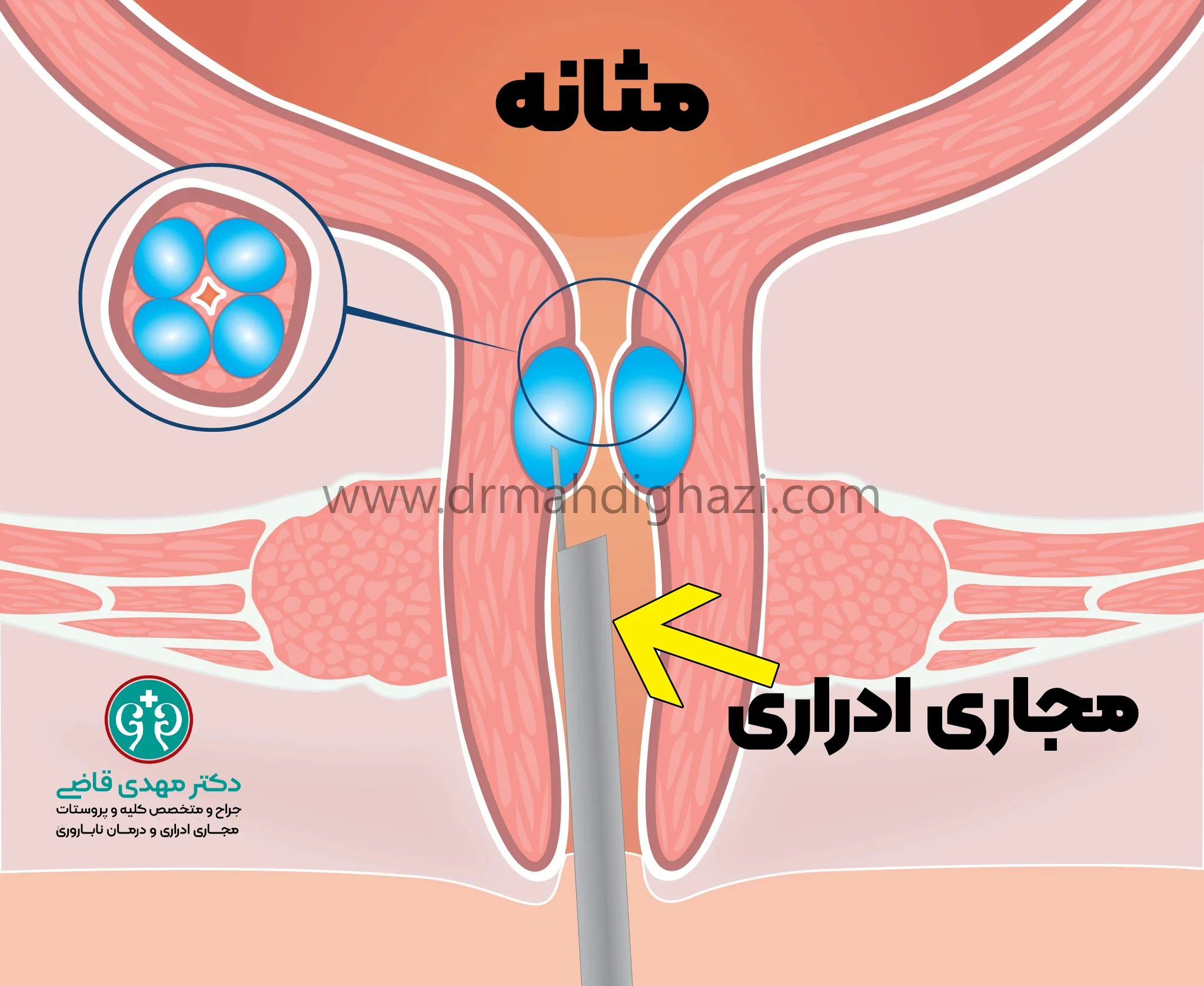
The main role of the bladder is to store and control urine. The bladder is made of elastic tissue that stretches as it fills, and it also contains muscle fibers that contract when emptying is needed. The urethra is the tube that carries urine out of the body. It is surrounded by sphincter muscles, which tighten and close the urethra firmly when they contract. The fascia and pelvic floor muscles help keep the bladder and urethra in place within the pelvis.
When we are ready to urinate, the brain sends a signal to the bladder muscle to contract (squeeze). At the same time, the urethral sphincter muscles relax and open. These actions allow urine to pass through the urethra and empty the bladder.
What Is Urinary Incontinence?
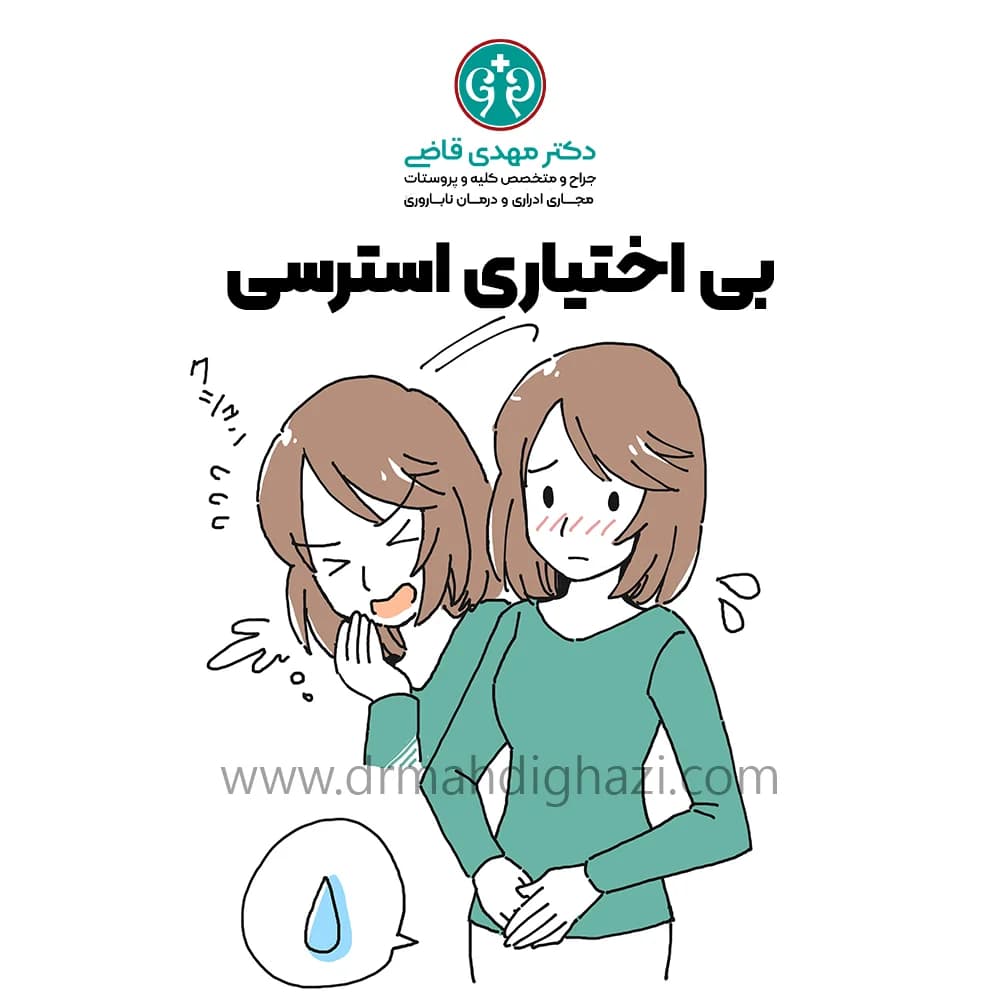
Urinary incontinence is a condition in which control over urine release is lost. There are two main types of urinary incontinence:
Stress urinary incontinence (SUI): when urine leaks during activities that increase pressure on the bladder. Examples include coughing, sneezing, or laughing.
Overactive bladder (OAB): when a person suddenly feels an urgent need to go to the bathroom and empty the bladder. This occurs because of spontaneous, sudden bladder contractions.
The Difference Between Stress Urinary Incontinence (SUI) and Overactive Bladder (OAB)
The main difference between stress urinary incontinence and overactive bladder is the organ involved. Stress urinary incontinence (SUI) is a problem related to the urethra; in other words, the urethral valve, or sphincter, does not have enough strength to hold urine. In overactive bladder, the problem is in the bladder itself, and bladder contractions are stronger than normal.
The number of people with stress urinary incontinence may be higher than we imagine. About 1 in every 3 women experiences this problem at some point in life. Men can also develop this type of incontinence, but it is less common in men. Men may develop it after surgery or because of injuries from accidents. For more information on this topic, we recommend reading Urinary Incontinence in Men.
Symptoms of Stress Incontinence
Stress urinary incontinence (SUI) is one of the most common types of urinary incontinence. It occurs mainly in women, but men may also experience it. This condition happens when pressure on the bladder increases and causes involuntary urine leakage. The main symptoms of stress urinary incontinence include:
Urine leakage during physical activities: urine leaks involuntarily during activities that increase intra-abdominal pressure, such as running, jumping, lifting heavy objects, or even bending.
Urine leakage when coughing, sneezing, or laughing: many people with SUI notice that urine leaks when they cough, sneeze, or laugh.
Urine leakage when changing position: sudden changes in body position, such as standing up from sitting or lying down, can cause urine leakage.
Urine leakage during sexual intercourse: some people may leak urine during sexual intercourse, which can cause embarrassment and dissatisfaction.
Discomfort and embarrassment: involuntary urine leakage may cause embarrassment and anxiety about being in public. This can negatively affect social life and quality of life.
Changes in daily activities: people with SUI may limit their daily activities to prevent urine leakage. This may include avoiding exercise, limiting fluid intake, or even avoiding social activities.
Overall, the symptoms of stress urinary incontinence can significantly affect daily life. Fortunately, with accurate diagnosis and appropriate treatment, this condition can be managed and improved.
Diagnostic Methods
Diagnosis of stress urinary incontinence includes evaluation of the person's history and medical background, physical examination, and different tests:
History and medical background: the severity and onset of symptoms, factors that affect disease severity, previous medical conditions, and their impact on the person's life are assessed.
Physical examination: in women, this includes examination of the abdomen, internal pelvic organs, vagina, and rectum. In men, it includes examination of the abdomen, prostate, and rectum. The strength of the pelvic floor muscles and bladder sphincter is also evaluated.
Tests
Several tests may be ordered to confirm stress urinary incontinence and rule out other causes of urine leakage, including:
Urinalysis (Urinalysis): a urine sample is tested to check for urinary tract infection or blood in the urine.
Bladder ultrasound (Bladder scan): used to show bladder structure and bladder diseases and to assess how much urine remains after voiding.
Cystoscopy (Cystoscopy): use of an endoscope to look inside the bladder in order to rule out more serious urinary tract problems.
Urodynamic tests (Urodynamic tests): tests that show how the bladder, sphincters, and urethra function and help identify the cause of urine leakage.
Treatment Methods
Treatment methods for stress urinary incontinence include lifestyle changes, pelvic floor exercises, use of absorbent pads, medication-based treatments, and surgery:
Lifestyle Changes
Weight loss and quitting smoking: weight loss and quitting smoking may reduce urine leakage.
Bladder training: using a scheduled bathroom routine may be helpful.
Pelvic Floor Exercises
Kegel exercises: these exercises can strengthen the urethral sphincter and pelvic floor muscles and are useful for both women and men.
Absorbent Pads
Using absorbent pads or adult diapers: these can help as a quick or long-term solution. Absorbent products are available in different forms and sizes.
Medication-Based Treatments
Medications: if lifestyle changes are not effective, the doctor may prescribe medication. Medications for overactive bladder can help reduce urine leakage, but there is no approved medication for stress incontinence.
Surgical Treatments
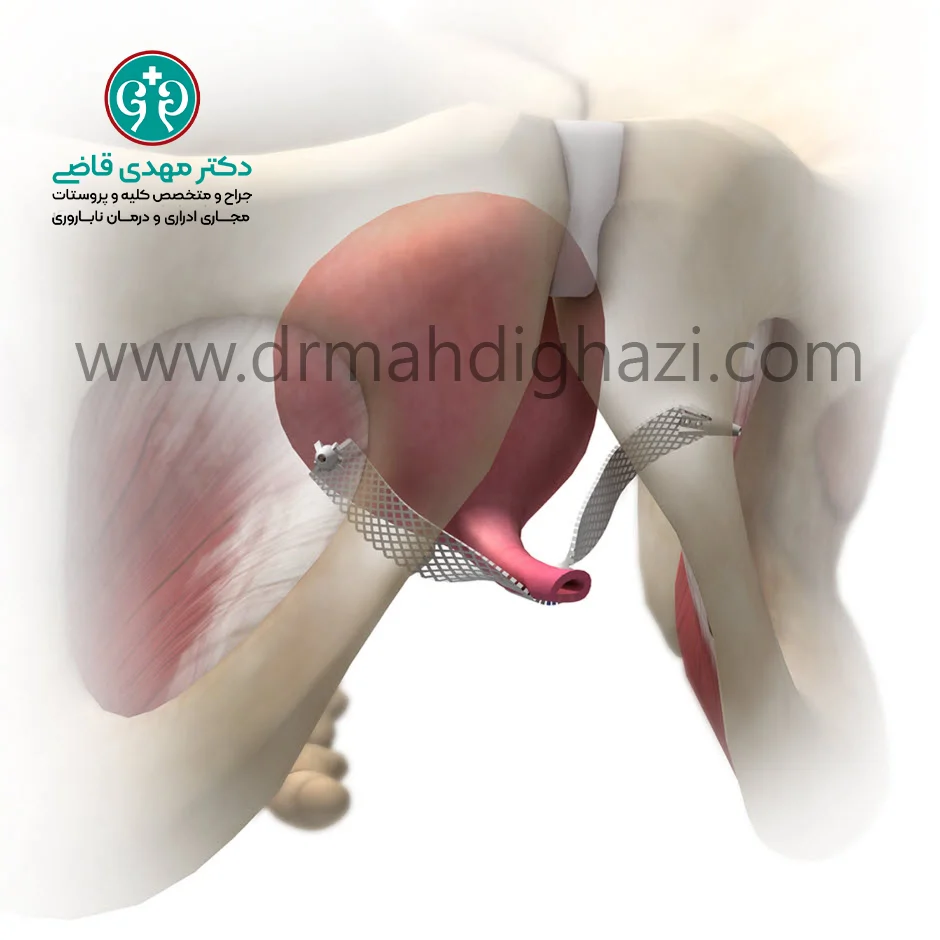
Female sling
Midurethral sling: in this method, a soft, permanent mesh tape is placed under the middle part of the urethra to support it more firmly during strenuous activity.
Pubovaginal sling: this is a type of support loop for the bladder neck. The tissue used to create the sling is taken from the patient's abdominal wall (fascia) or from donated tissue (bovine or cadaveric tissue).
Sling TVT: the mesh is placed around the pubic bone and fixed to the groin areas.
Male sling
In this method, a soft mesh tape is placed under the urethra through an incision between the scrotum and the anus.
This tape supports the urethra and sphincter by pressing the urethra upward and helps prevent urine leakage.
Bladder neck suspension (colposuspension) by the Burch method
This method lifts the bladder neck toward the pelvic bone using permanent sutures.
In this major surgery, an incision is made in the abdominal wall (muscles and skin) to reach the deeper areas of the pelvis.
Because the incision is made through the abdomen, recovery takes longer than with a less invasive urethral sling.
This procedure can be performed laparoscopically, which reduces recovery time after surgery.
Injection of urethral bulking agents
This option is used to treat female stress urinary incontinence by bulking the urethral lining and narrowing the urethral opening.
Modern bulking agents are permanent materials injected into the tissues around the urethra and sphincter muscle up to the bladder neck. They help the urethra close naturally and prevent urine leakage.
This method is currently not used for men.
Artificial urinary sphincter (AUS)
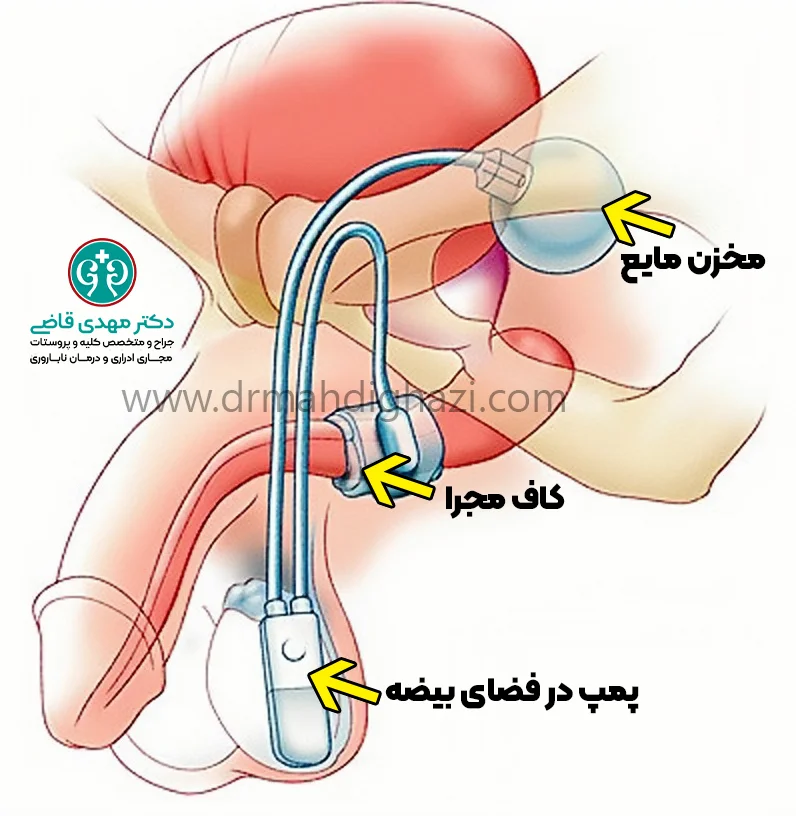
The usual method for treating male stress urinary incontinence is implantation of a device called an artificial urinary sphincter (AUS) around the urethra. In some cases, women may also be referred for this method, but because other surgical options exist for women, it is rarely used for them.
The artificial urinary sphincter (AUS) has three parts:
An artificial urinary sphincter that contains a fluid-filled cuff and is placed around the urethra.
A fluid-filled balloon that connects to the cuff and regulates the pressure inside the cuff. It is placed in the lower abdomen.
A pump placed in the scrotum for men (or the labia majora for women) is used to open and close the cuff. The patient can easily control this pump.
At rest, the artificial urinary sphincter (AUS) cuff is closed to prevent urine leakage. When the person decides to empty the bladder, they activate the pump to move fluid out of the cuff. This opens the cuff, allowing urine to pass through the urethra and the bladder to empty. This method can completely treat urinary incontinence in about 70 to 80 percent of men or significantly improve urinary control. If there is a history of radiotherapy, scar tissue and adhesions around the urethra, or other serious bladder problems, this method may not be suitable for some patients.
Products and Assistive Devices
For some people, incontinence products and devices can be helpful. Some of these products and devices include:
Urinary condom for men
Absorbent products (pads, adult diapers, tampons)
Pessary for women
Penile clamps for men
Portable toilets
After Surgery
One of the best ways to prevent recurrence of stress urinary incontinence is to perform Kegel exercises. Weight control and avoiding activities that may put pressure on the abdomen and pelvis are also useful.
Conclusion
Stress urinary incontinence is common but treatable. Accurate diagnosis and appropriate treatment methods can help improve quality of life for affected people. Pelvic floor exercises, lifestyle changes, and, when necessary, medical and surgical treatments can be effective. Paying attention to bladder hygiene and health and consulting a specialist are key points in managing this condition.
Frequently Asked Questions
Actions & related links
Doctors for this topic in Mashhad
See all doctors: Best Urologists for Women in Mashhad




About the author

Urologic Surgeon
دکتر مهدی قاضی, Urologic Surgeon in Mashhad. Articles on this site are written and reviewed under the supervision of the Urology Building's physicians.
View profile & bookRelated articles
All articlesWhat Is Polycystic Kidney Disease? (Fetal and Adult PKD)
دکتر مهدی قاضی · June 26, 2026
What Is a Renal Cortical Cyst? Symptoms, Diagnosis, and Treatment
دکتر مهدی قاضی · June 26, 2026
Kidney Transplant: Cost, Blood Type Compatibility, and Surgical Method
دکتر مهدی قاضی · June 26, 2026
What Is Pyelonephritis? Kidney Infection Symptoms, Diagnosis, and Treatment
دکتر مهدی قاضی · June 26, 2026
Comments
1 comments