
 Tap to zoom
Treatment of genital warts in Men: Review and Comparison of Treatment Methods
Learn about treatment options for male genital warts, symptoms, diagnosis, PCR testing, and when to see a urologist.
- نویسنده
- دکتر مهدی قاضی
- Published on
- June 26, 2026
- Reading time
- 5 min read
- Last updated
- Updated: September 4, 2026
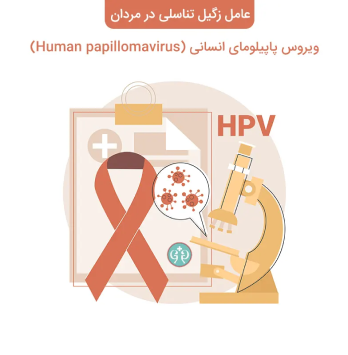
This condition is the most common sexually transmitted viral infection. genital warts are growths that appear on the genital area, cervix, anus and rectum, and sometimes around the mouth. They are caused by human papillomavirus (HPV), which can be transmitted through vaginal sex, anal sex, contact with contaminated surfaces, and, rarely, oral sex. People usually become aware of the virus in their body when they notice visible symptoms in the genital area.
Therefore, the presence of any growth does not necessarily mean that you have this condition. Diagnosing warts requires the appropriate tests and evaluations, as well as a visit to a urologist, so the best treatment method can be selected for the patient. In this article, we explain treatment methods for genital warts in men.
Laser, cryotherapy and surgical removal of genital warts (HPV) Genital warts treatment for men in Mashhad
Specialized treatment of genital warts in men at an equipped center, provided by experienced physicians using current medical equipment and treatment methods.

Book appointment
What factors determine the type of genital warts treatment?
Warts do not always require treatment, especially if they are not bothersome. The main reasons to treat wart lesions are to improve troublesome symptoms such as burning, itching, bleeding, pain, vaginal discharge, pain during intercourse, or dissatisfaction with the appearance of the penis. A doctor may recommend treatment for large warts. However, it is important to remember that removing warts does not mean the virus has been eliminated from the body. The best approach to treating genital warts depends on the following:
Number of warts
Location of the warts
Medical history, including immune deficiency disorders
The patient’s and treating physician’s choice and preference
Symptoms of genital warts in men
If you have any of the following symptoms, you should see a specialist physician:
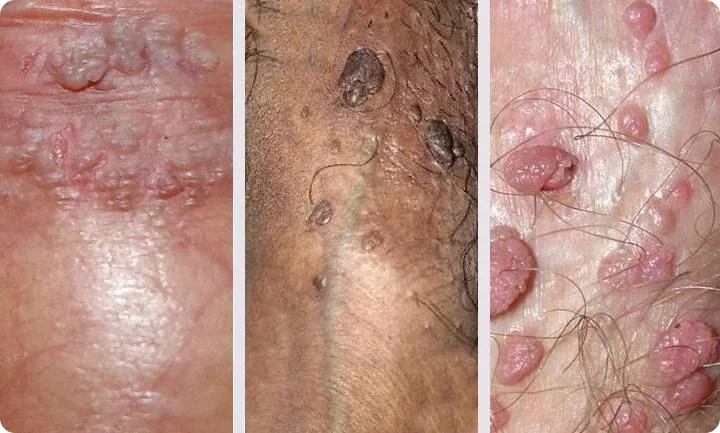
One or more painless growths or lumps, light or dark in color, around the vagina, penis, or anus
Itching or bleeding from the anus
Seeing blood spots in underwear or bleeding at the end of urination
Any persistent deviation in the normal urine stream
Having a sexual partner who has genital warts, even if you have no signs of warts.
Diagnosis of genital warts in men
A doctor can usually diagnose genital warts by examining and looking at these growths; the diagnosis is based on the physician’s familiarity with these lesions.
Appointments related to Laser, cryotherapy and surgical removal of genital warts (HPV) Genital warts treatment for men in Mashhad
Open the public booking path to review times and related information.
Book appointment
About 90% of genital warts are caused by HPV types 6 and 11, but infection with other virus types may also be present at the same time.
The source is often difficult to identify because the incubation period of the disease, when infection is present without symptoms, can range from three weeks to 8 months. New lesions may also represent recurrence of earlier undiagnosed warts, so a new wart in a couple does not necessarily mean an outside sexual relationship.
You should know that, except in rare cases, men generally do not need testing to determine whether the viral type is benign or malignant, because identifying the virus type that caused the warts and finding types 16 and 18 ultimately will not affect your treatment plan. However, HPV types 16 and 18 are especially important in women because these two types carry a high risk of cervical cancer, so follow-up should be more serious when these virus types are present.
Biopsy of genital warts
Sometimes, when the diagnosis of the lesion is not completely clear to the physician, the lesions are very small, or malignancy is suspected, a biopsy of the lesions is needed either before removal or immediately after they are removed.
Q&A — Laser, cryotherapy and surgical removal of genital warts (HPV) Genital warts treatment for men in Mashhad
General questions are shown on the destination page after review.
Book appointment
During the visit, the doctor will take a complete medical history and will usually ask you or your sexual partner questions to plan future treatment and assess the future risk of this condition. These questions may cover the number of sexual partners, types of sexual activity, symptoms, medical and medication history, smoking, and your emotional and mental health status.
Note: The doctor usually examines growths around the genital and anal areas, sometimes using magnification, and simply showing a photo of the lesion may lead to diagnostic error.
The doctor may examine the affected areas, including inside the vagina and anus. This is because involvement inside the anus or urinary tract may later require endoscopy of that area. You may never find a definitive answer to how you acquired the warts or how long you have had the infection. In general, infection with warts occurs between 3 weeks and 8 months before they appear on the skin.
PCR test for genital warts
genital warts are a sexually transmitted infection recognized as a public health challenge worldwide. Accurate and rapid diagnosis of this condition is critical and requires advanced diagnostic methods. One effective and sensitive method for diagnosing genital warts is the laboratory PCR test, or Polymerase Chain Reaction.
PCR testing for genital warts uses specific primers for the viral L1 gene. This method has high sensitivity but lower specificity, so false-positive results may occur. With this method, the viral genome is amplified and high-risk and low-risk HPV types are identified. DNA extraction from the sample followed by amplification increases the amount of DNA associated with genital warts. Because PCR is highly sensitive, it can detect even small warts; however, results must be interpreted carefully.
Steps for performing a PCR test to diagnose genital warts
PCR testing for genital warts is performed in the following steps:
1. Sampling: Sampling from the wart site is the most important step in PCR testing. The sample is usually taken from different materials such as urine, blood, or semen.
2. DNA extraction: After the sample is collected, the DNA in it is extracted. This step is performed using specific techniques, producing clean DNA suitable for PCR testing.
3. Amplification (increasing the copy number): In this step, special enzymes in the PCR device are used to increase the number of specific DNA samples associated with genital warts. This step continues until enough copies are obtained for diagnosis.
4. Diagnosis of genital warts: After the DNA content has been amplified, it is analyzed using different techniques such as gel electrophoresis or other molecular methods. The result of this analysis indicates whether genital warts are present in the sample.
Treatment of genital warts in men
In general, there are two categories of treatment for genital warts: medicines and methods that destroy wart tissue, and medicines that help eliminate warts by acting on the immune system. Small, few warts can be treated with topical treatments such as creams and lotions. For larger warts, creams and ointments usually do not work, and methods such as freezing (cryotherapy), laser, and electrosurgery are used for them.
Of course, malignancy is very uncommon, especially in men, but if a wart becomes malignant, it must be removed with appropriate margins and depth. The doctor must make sure that the wart and the surrounding tissue that has become malignant have been completely removed from the body.
1. Topical treatment: lotion or cream
In general, there are two categories of medicines for genital warts: medicines that destroy wart tissue, and medicines that help eliminate warts by acting on the immune system.
You can usually apply these creams and lotions to genital warts yourself, but when the warts are dark and firm, treatment may take several weeks or even several months. This type of treatment may cause pain, burning, irritation, or local burns, so you should receive the necessary instructions before starting it.
When the involved area is larger than 4 centimeters, this method must be used under the supervision of medical staff who are familiar with this treatment approach.
Medicines that destroy wart tissue:
Podophyllin
Podophyllin (Podophyllum resin) is a plant-derived solution that stops cell division and destroys wart tissue. This treatment is prescribed by a doctor, and the person should wash the podophyllin solution off the lesions one to four hours later. Before using the solution, the target area should be dry, and no more than half a cc of the medicine should be applied at each session. Treatment is generally repeated for four to six weeks until the warts are removed. Podophyllin is not used during pregnancy and can cause side effects such as pain, mild skin inflammation, or even deep skin ulcers.
Trichloroacetic acid
This acidic solution is commonly used to destroy wart tissue, and the patient should generally be instructed carefully by a doctor or nurse. The person can use the solution once a week for four to six weeks, or until the warts clear well. This solution can also be used during pregnancy. To use it, first cover the healthy tissue around the wart with zinc oxide ointment, then use a cotton swab to moisten the wart with a small amount of acid and let it dry until a white color appears on the tissue. Side effects of trichloroacetic acid include pain and burning. Studies have shown a clearance rate of about 70% with this method. Large, thick lesions may not respond because the acid may not penetrate the entire lesion.
Fluorouracil
It is a pyrimidine antimetabolite that interferes with DNA synthesis and leads to cell death. Its use is contraindicated in pregnancy. One disadvantage of topical FU is that patients often cannot tolerate it because of burning, pain, inflammation, edema, or painful ulcers. For these reasons, topical FU has a limited role in initial wart treatment. This medicine is injected intradermally as a gel directly under the wart. Injections are given once a week for up to six weeks. A 65% clearance rate has been reported after an average of four treatments. Side effects include local pain, burning, and ulceration.
Medicines that work through the immune system:
Imiquimod
Imiquimod is a cream that locally stimulates the immune system so the body can clear genital warts. It is recommended to wash the hands well before and after applying the cream. The cream should be rubbed well onto the previously cleaned and dried area at bedtime, then washed off with soap and water after 6 to 10 hours. Sexual intercourse should be avoided while the cream is on the skin. Imiquimod cream is generally used three times a week for four to six consecutive months. The average wart clearance rate with this method is about 40%. Mild redness and inflammation are common side effects of imiquimod, although the appearance of this reaction suggests that the medicine has been active.
Interferons
Interferons can be effective if injected into the lesion. Injections are given two to three times per week for three weeks and repeated after 3 to 4 months. A topical gel form is also available in some countries. Common side effects of interferon injections include flu-like symptoms, decreased appetite, fatigue, and pain.
Interferon is never recommended as first-line treatment. In special situations where surgical and medical treatments have not been sufficiently successful, interferon may ultimately be used to remove lesions.
2. Surgical methods
Freezing (cryo)
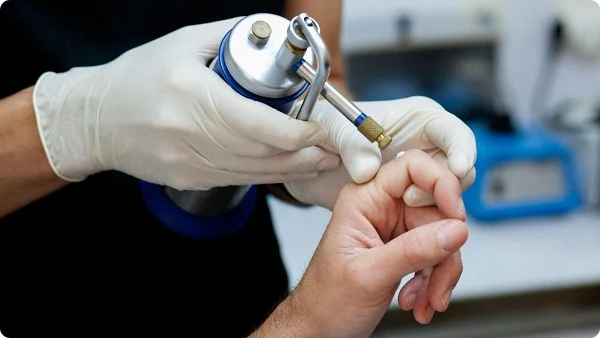
One successful and convenient treatment for removing warts that are not firm is freezing, using liquid nitrogen or nitrous oxide. Your doctor may recommend freezing, also called cryotherapy or cold treatment. Keep in mind that this treatment may not be effective in some people and some warts may remain, especially when there are multiple warts, because freezing has only a 40% to 60% success rate for firm and multiple warts. You may need repeated treatment or several treatments at different times, and these treatments may take weeks or months. Side effects may include skin inflammation and irritation, blisters, and wounds.
Electrosurgery
Some lesions are treated by cauterization, or electrosurgery. In this method, the doctor removes lesions that are generally dark or firm and may not respond to cryotherapy or other methods, using electrocautery and local anesthesia. This method produces smoke that, in very rare cases reported worldwide, may be infectious for the doctor, but the risk is not significant. The advantage of this method is that it is more effective than other methods, can clear lesions well in one session, and can be performed as an outpatient procedure in the office. These treatments are used when:
The warts do not respond adequately to medical treatments.
Warts are in the vagina, urethra, or anus.
Medication alone is not sufficient because the area involved is extensive.
Areas where precancerous changes are seen in addition to warts.
After treatment with surgical methods, pain relievers such as acetaminophen can be used if pain occurs. A warm bath may also help reduce pain.
Loose clothing is recommended to help prevent possible infection.
Sexual intercourse is not prohibited after the wound sites have healed.
Evidence shows that using condoms during sexual intercourse speeds the healing process.
Cryotherapy and electrosurgery have similar side effects, such as skin inflammation, burning sensation, blistering, and ulceration of the area. Both methods are generally performed under local anesthesia.
3. Surgical excision
Surgical removal of lesions is generally not performed except in special cases where separated tissue is needed for histologic diagnosis. Under local anesthesia, the tissue is removed with scissors or a surgical blade, and its base is cauterized with electrocautery. Possible side effects of surgical treatment include pain, scar tissue, and infection.
4. Laser
Laser beam energy is used to destroy wart tissue. Carbon dioxide laser is the most common type. This method is performed under local anesthesia or mild general anesthesia. Laser treatment of warts is generally used when a large area of skin is involved. Its side effects include scar tissue, pain, or changes in skin pigment, sometimes described as skin lightening.
5. Ultrasonic aspiration
The ultrasonic aspirator technique (CUSA) uses ultrasound waves to fragment and aspirate wart tissue. This method allows layers of wart tissue to be removed without damaging the underlying tissue.
6. Vaccination
Universal vaccination in developed countries is provided free of charge at young ages, near adolescence, with the goal of reducing genital cancers in the community. Vaccination generally ends before age 26, but depending on the patient’s circumstances, a doctor may recommend this vaccine even up to age 45 for people such as men who have sex with men or women who are at high risk of exposure to the virus.
The bivalent HPV vaccine protects people against cancer-causing viral types, generally types 16 and 18. More than 40 different types of genital warts have been identified so far, so after vaccination, even with the 9-valent Gardasil vaccine, infection with other virus types is still possible. After physician evaluation, vaccination is generally recommended for women, although it is also better to prescribe it for men who have multiple sexual partners during their lifetime.
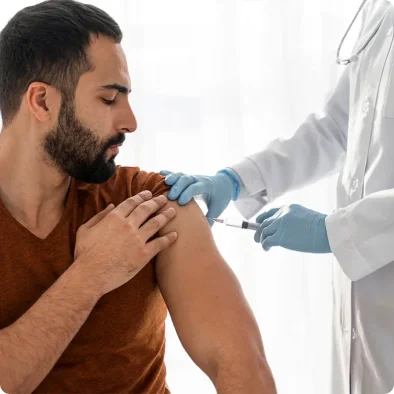
Doctors usually use electrosurgery, surgical excision, or laser to remove warts. In cryotherapy and electrosurgery, the success rate is 100%.
Effect of vitamins C and E on genital warts
According to recent research, blood levels of vitamins C and E have not shown any clear relationship with the chance of developing genital warts. Daily high intake of these vitamins has also clearly not reduced infection with the wart virus.
In the treatment of genital warts, taking vitamins C and E has also not helped improve the condition or meaningfully shorten the disease course, although more extensive research is needed.
Preventing skin warts
genital warts are generally transmitted through sexual contact, although contact with contaminated surfaces can also cause infection. Condom use greatly reduces the risk of genital warts but does not reduce it to zero. When people undergo procedures such as laser hair removal, tattoos, any surgery on the genital area, or even use a bodybuilding gym, they should make sure the tools have been properly sterilized and have not been in contact with an infected person’s skin.
Preventing transmission of the genital warts virus
Use a condom when you have anal or vaginal sex. If the virus is present on the skin, covering the opening at the tip of the urethra with a condom can help reduce transmission to some extent.
You should also avoid sexual intercourse during genital warts treatment and vaccination.
Frequently asked questions
Actions & related links
Doctors for this topic in Mashhad
See all doctors: Best Male Genital Warts Doctors in Mashhad




About the author

Urologic Surgeon
دکتر مهدی قاضی, Urologic Surgeon in Mashhad. Articles on this site are written and reviewed under the supervision of the Urology Building's physicians.
View profile & bookRelated articles
All articlesWhat Is Polycystic Kidney Disease? (Fetal and Adult PKD)
دکتر مهدی قاضی · June 26, 2026
What Is a Renal Cortical Cyst? Symptoms, Diagnosis, and Treatment
دکتر مهدی قاضی · June 26, 2026
Kidney Transplant: Cost, Blood Type Compatibility, and Surgical Method
دکتر مهدی قاضی · June 26, 2026
What Is Pyelonephritis? Kidney Infection Symptoms, Diagnosis, and Treatment
دکتر مهدی قاضی · June 26, 2026
Comments
41 comments