 Tap to zoom
Kidney Stones: Causes, Symptoms, Diagnosis, Treatment, and Prevention
Kidney stones are hard mineral and salt deposits that form in the kidneys or urinary tract. Learn about causes, symptoms, diagnosis, treatment, complications, and prevention.
- نویسنده
- دکتر مهدی قاضی
- Published on
- June 26, 2026
- Reading time
- 5 min read
- Last updated
- Updated: June 27, 2026
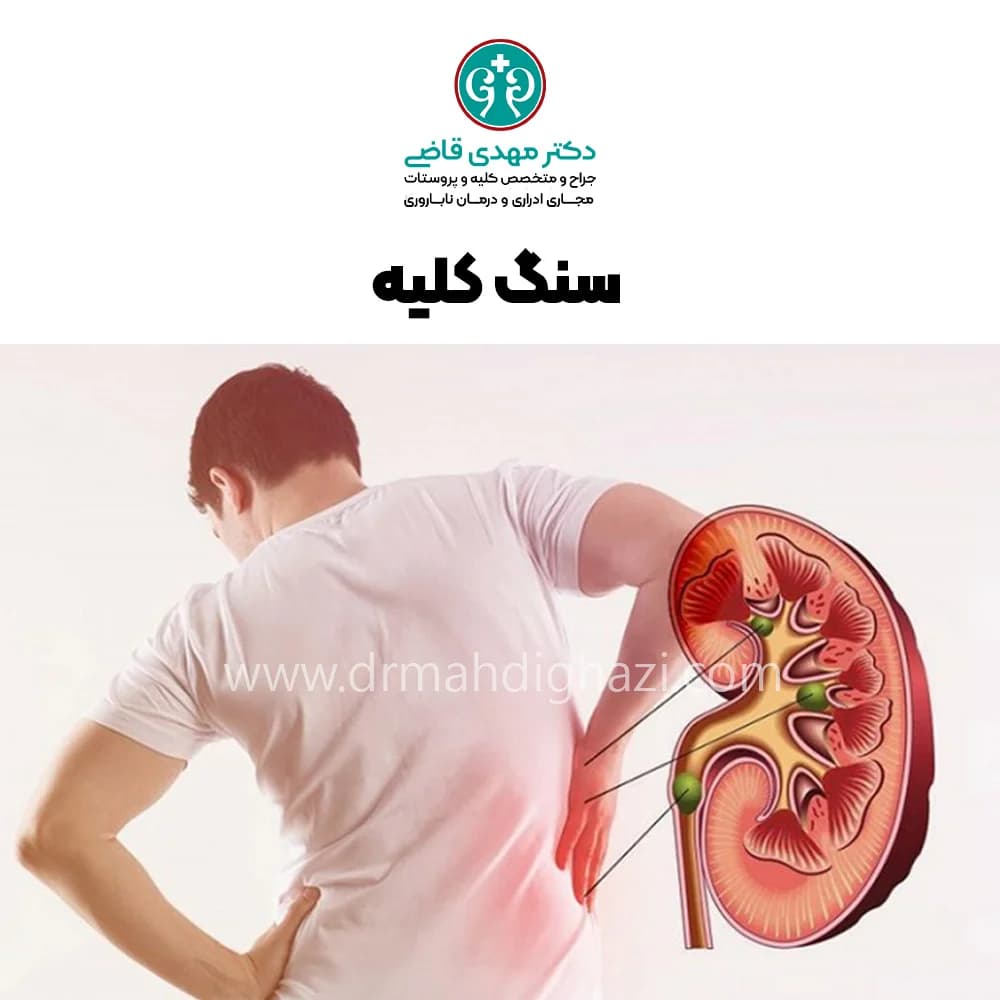
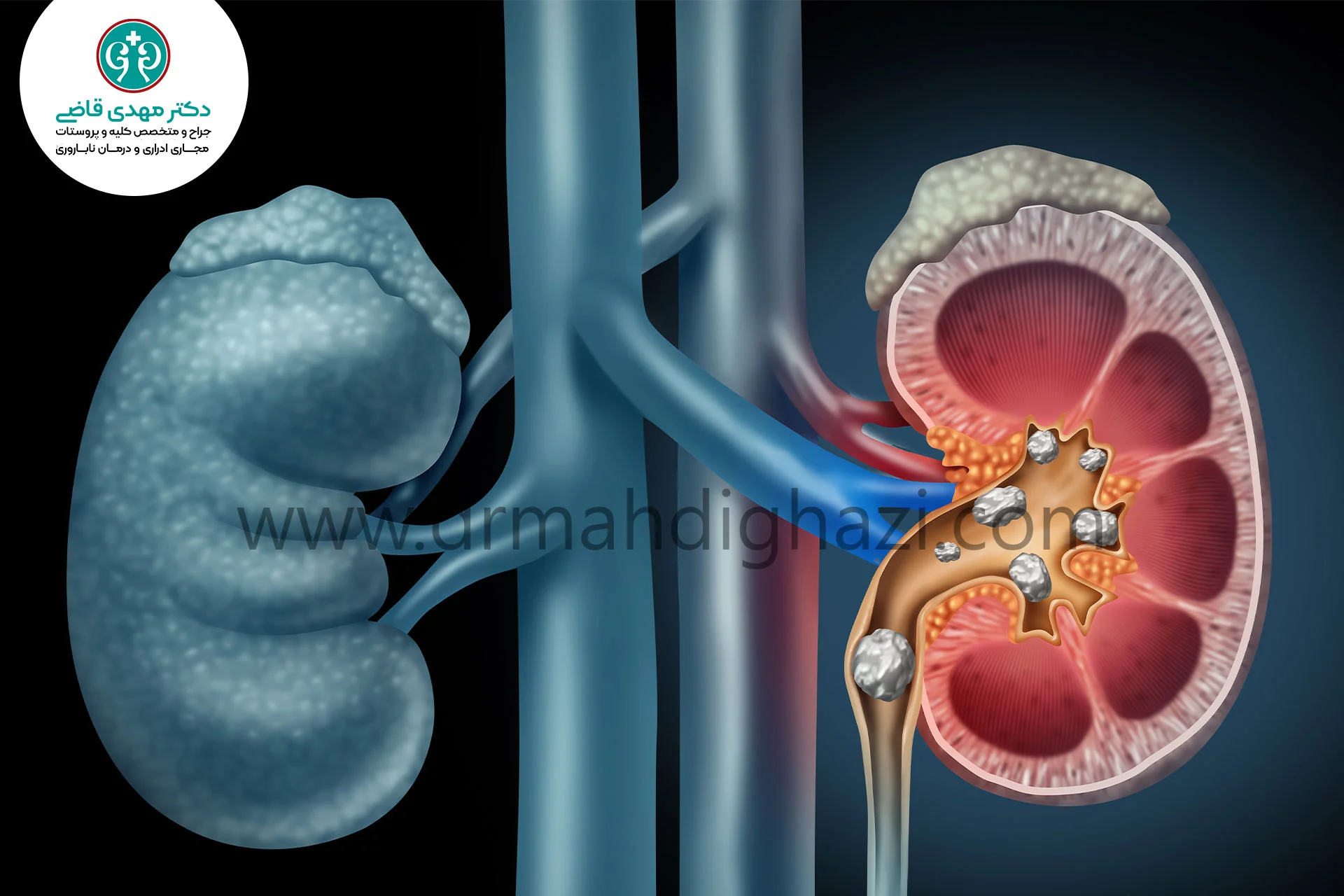
Kidney stones (nephrolithiasis) are solid masses that form inside the kidneys or urinary tract. They develop from minerals and salts found in urine.
These stones can vary in size, from microscopic stones that may be detected only by specific tests to stones several centimeters in diameter that can cause obstruction and severe pain.
Kidney stones may form in one kidney or both kidneys, and depending on their size, chemical composition, and location in the urinary tract, they can affect a person's health in different ways.
Kidney stones are an important and common condition that affects millions of people worldwide each year. The problem not only causes severe pain and discomfort, but can also lead to serious complications such as urinary tract infections, kidney damage, and even kidney failure.
In general, kidney stones are among the most common medical problems and are most prevalent between the ages of 30 and 60; about 1 in 10 people develops a kidney stone.
They are seen more often in men than in women, and factors such as obesity, diabetes, and high blood pressure can increase their severity.
Given the high prevalence of this condition and its potential effects on health, a deeper understanding of the causes, symptoms, diagnosis, treatment, and prevention of kidney stones is essential.
In many cases, kidney stones may remain asymptomatic, but when symptoms occur they can markedly affect the patient's quality of life.
Factors involved in kidney stone formation
Kidney stones are a common medical problem that can form for many reasons. Understanding the different factors that can lead to these stones helps with effective prevention and treatment.
Factors involved in kidney stone formation include dehydration, an unhealthy diet, chronic diseases, genetic factors, and use of certain medications.
Age and sex
Men develop kidney stones more often than women. This difference may be related to physiological and hormonal differences between the sexes. Most cases occur between ages 20 and 50, although stones can occur at any age.
Dehydration and persistent thirst
One of the main causes of kidney stone formation is dehydration. When the body does not receive enough water, urine becomes more concentrated and the level of minerals and salts in it increases. This higher concentration can lead to crystal formation and eventually stones. People are generally advised to drink at least 2-3 liters of water per day to reduce mineral concentration in the urine and lower the chance of stone formation. Inadequate water intake, especially in hot climates or when a person sweats heavily, can increase the risk of kidney stones.
Diet
Diet plays an important role in kidney stone formation. High salt intake can increase calcium excretion in the urine, which can lead to calcium stones. High intake of animal protein, such as red meat and processed meat products, can also increase uric acid levels in the urine and lead to uric acid stones. Oxalate-containing foods such as tea, chocolate, spinach, and rhubarb can combine with calcium in the urine and form calcium oxalate stones. Adjusting the diet and reducing intake of these foods can therefore help prevent kidney stones.
Chronic diseases
Chronic diseases can increase the risk of kidney stone formation. For example, diabetes and high blood pressure can impair kidney function and lead to stones. In these conditions, changes in mineral and salt metabolism can contribute to kidney stone formation. Inflammatory bowel diseases can also alter the absorption of calcium and other minerals and increase stone risk. Careful control and management of these diseases can help prevent kidney stones.
Genetic factors
Genetic predisposition also plays an important role in kidney stone formation. People with a family history of kidney stones are at higher risk. This is because certain genes can affect mineral and salt metabolism and increase the likelihood of stone formation. Research has shown that heredity can have a substantial effect on kidney stone risk, especially when several family members have had the condition.
Bariatric surgery and urinary tract infections
Bariatric procedures such as gastric bypass can change metabolism and mineral absorption, which may increase the risk of kidney stone formation. In addition, urinary tract infections can promote stone formation by changing the urinary environment and creating conditions that favor stones. Prompt and complete treatment of urinary tract infections and consultation with a physician about possible complications of bariatric surgery can help prevent these problems.
Excessive sugar and salt intake
Excessive sugar and salt intake can increase urinary excretion of minerals including calcium and oxalate. Extra sugar and salt in the diet can raise the concentration of these minerals in urine and create favorable conditions for kidney stone formation. Reducing dietary sugar and salt can help lower the risk of kidney stones and maintain kidney health.
Certain medications
Some medications may increase the risk of developing kidney stones. These include:
Aspirin
Long-term aspirin use can create urine conditions that may contribute to kidney stone formation.
Anticoagulants
Anticoagulant medications can change the chemical composition of urine and increase stone risk.
Diuretics
These medications, used to treat limb swelling and high blood pressure, can change urinary mineral levels and increase the risk of stones.
Some antibiotics
Antibiotics can affect the balance of minerals in the body and contribute to kidney stone formation.
Some antiviral medications
Medications used to treat viral diseases such as AIDS may contribute to kidney stone formation by altering urine composition.
Some anti-seizure medications
Anti-seizure medications can cause metabolic changes that increase the risk of kidney stone formation.
High uric acid (gout) and high blood calcium (hyperparathyroidism)
Elevated uric acid levels in the blood, as occur in gout and similar disorders, can lead to uric acid stones.
Hyperparathyroidism, which raises the blood calcium level, can also lead to calcium stones in the kidneys.
Managing and treating these metabolic disorders can help prevent kidney stones.
Congenital kidney diseases and other conditions
Congenital kidney diseases, such as structural abnormalities of the kidneys, can increase the risk of kidney stone formation. Some rare diseases and genetic disorders can also lead to kidney stones.
Early diagnosis and appropriate treatment of these conditions can help reduce the risk of kidney stone formation.
Types of kidney stones
Kidney stones are classified into several types according to their composition, each with different features and causes. Below, we introduce the types of kidney stones and their characteristics.
Calcium oxalate stones
This is the most common type of kidney stone and usually forms in acidic urine. Calcium oxalate is a chemical compound found in many foods. When oxalate and calcium levels in urine increase, these two substances combine and form calcium oxalate crystals. The crystals can stick together and form larger stones.
Calcium phosphate stones
These stones are less common and usually form in alkaline urine. Increased phosphate levels in urine can cause calcium phosphate stones. This type is usually seen in people with metabolic disorders or specific diseases that increase phosphate levels in urine.
Uric acid stones
These stones form in people who have high levels of uric acid in the urine. Uric acid is the end product of purine breakdown, and purines are found in animal proteins. High intake of animal protein can raise uric acid levels and increase the risk of uric acid stones. These stones usually form in acidic urine and may be associated with gout or conditions that cause excess uric acid production.
Struvite stones
These stones are usually caused by urinary tract infections. Bacteria that cause urinary tract infections can produce enzymes that raise ammonia levels and urine pH. This higher pH can lead to struvite stones, which are often large and complex and can cause obstruction.
Cystine stones
These stones are rare and are caused by a genetic disorder called cystinuria, which leads to excessive excretion of the amino acid cystine in urine. Cystine does not dissolve easily in urine and can form cystine stones. These stones are usually diagnosed in childhood or adolescence and can cause serious urinary tract problems.
Signs and symptoms of kidney stones
Kidney stones usually cause no symptoms in the early stages and may be found incidentally during tests performed for other conditions. However, when stones become large enough to obstruct the kidney collecting system or irritate and inflame the urinary tract, noticeable symptoms occur.
Ureteral stones, which lie in the ureter, the tube that connects the kidneys to the bladder, usually cause more obvious symptoms during passage because they obstruct and irritate the ureter. These stones can cause ureteral obstruction and therefore lead to severe pain and other symptoms.
Ultimately, the symptoms of kidney stones depend on factors such as stone size, location, and the degree of obstruction or irritation in the urinary tract.
Below, we review the most common symptoms of passing a kidney stone.
Severe pain (renal colic)
Sudden, severe pain in the lower back or flank that radiates to the lower abdomen and groin is one of the hallmark features of kidney stones.
This pain is usually caused by movement of the stone through the urinary tract. As the stone moves, it can irritate the walls of the urinary tract and cause severe pain.
Pain may worsen with daily activities and, in some cases, may prevent the person from carrying out routine tasks.
Kidney pain usually occurs intermittently and with variable intensity, and it may be felt as colic that starts and stops suddenly.
Blood in the urine (hematuria)
Blood in the urine may indicate injury or irritation of the urinary tract caused by a stone. It may be microscopic, visible only under a microscope, or macroscopic, visible to the naked eye. Hematuria is often accompanied by severe pain and burning and can be one of the main symptoms of kidney stones.
In some cases, bleeding can change urine color to red, pink, or brown; in other cases, blood is seen only as small streaks in the urine.
Urinary tract infections
Recurrent urinary tract infections can indicate a stone in the urinary tract. Stones can cause obstruction and bacterial accumulation in the urinary tract, leading to infection.
Symptoms of urinary tract infections include burning during urination, frequent urination, and dark or foul-smelling urine.
These symptoms are usually accompanied by fever, chills, and pain in the abdomen or lower back. If urinary tract infections are not treated promptly, they can lead to more serious problems such as pyelonephritis (kidney infection).
General symptoms
Other symptoms that may accompany kidney stones include nausea, vomiting, fever, and chills.
These symptoms usually suggest infection or severe inflammation and require urgent treatment.
Nausea and vomiting may result from severe pain and the body's response to it.
Fever and chills are usually signs of infection and may require antibiotic treatment.
Symptoms caused by obstruction
Kidney stones, especially when they are larger or located in the urinary tract, can cause obstruction.
Obstruction can lead to intermittent severe pain around the abdomen and flanks, transient chronic flank pain, and pain in the groin and genital area.
If stones cause severe obstruction, pressure may rise in the kidneys and cause severe, persistent pain in the affected area.
Symptoms of ureteral stones
Ureteral stones can cause symptoms that differ from kidney stones. They usually obstruct and irritate the ureter, causing severe pain in the back and flank, urinary problems such as burning and pain during urination, changes in the color and odor of urine, and other discomfort.
Complications of kidney and ureteral stones
Kidney and ureteral stones can cause serious and varied complications that affect kidney health and the urinary system. The following section reviews these complications and how they affect kidney function:
Obstruction of urine flow
One important complication of kidney and ureteral stones is obstruction of urine flow.
Stones can cause complete or partial blockage of the urinary tract, which has substantial effects on kidney function.
Complete obstruction of urine flow from the kidney can reduce filtration of waste products and gradually lead to kidney damage.
If this obstruction continues for more than 48 hours, it can lead to irreversible kidney damage.
This damage may lead to reduced kidney function or kidney failure, requiring complex treatments such as dialysis or kidney transplantation.
Complications caused by prolonged obstruction
If ureteral stones do not pass after four weeks and continue to block urine flow, the risk of serious complications increases.
These complications include reduced kidney function, urinary tract infections, and narrowing of the ureter.
Prolonged obstruction can cause urine to accumulate in the kidneys, predisposing to severe kidney infection (chronic pyelonephritis) and loss of kidney function.
Severe kidney infections can lead to critical illness and even death, especially if rapid and effective treatment is not provided.
Urinary tract infections
Kidney and ureteral stones can obstruct the urinary tract and create an environment suitable for bacterial growth.
This leads to recurrent urinary tract infections, which may be accompanied by symptoms such as burning during urination, urinary frequency, dark or foul-smelling urine, and fever. In severe cases, infection can involve kidney tissue and cause pyelonephritis (kidney infection), which requires urgent treatment.
Damage to kidney tissue
This damage is one of the complications of kidney stones; in other words, it may occur while a stone is still inside the kidney and has not moved toward the ureter. Large stones or stones that cause prolonged obstruction can damage kidney tissue.
This damage may lead to reduced kidney function or kidney failure.
Kidney failure means severe reduction or complete loss of kidney function and may require complex, ongoing treatment.
Chronic pain and reduced quality of life
Severe pain from ureteral stones, known as renal colic, can significantly affect a person's quality of life.
This pain, which is usually associated with stone movement in the ureter and irritation of the urinary tract walls, can prevent daily activities and reduce work capacity and social activity.
Persistent chronic pain can also lead to psychological problems, including anxiety and depression.
Special risks during pregnancy
During pregnancy, kidney stones can cause specific problems.
Hormonal changes and increased urine volume may cause or worsen kidney stones.
Choosing appropriate treatment during pregnancy is also limited; therefore, protecting the health of both mother and fetus is very important when treating kidney stones.
Diagnosis of kidney stones
Diagnosing kidney stones involves a set of methods and tests that help physicians identify the type and location of stones and choose the best treatment for the patient.
In general, these methods help identify stones, determine the extent of damage, and plan appropriate treatment.
Medical history and physical examination
The first step in diagnosing kidney stones is taking a history and reviewing the patient's medical background. The physician asks about symptoms, family history, and past medical history to gather important information.
The physical examination includes checking the back and flank for tenderness and assessing other signs such as fever and hematuria (blood in the urine).
This examination can help the physician identify kidney stones and determine disease severity.
Urinalysis
Urinalysis is one of the key tools for diagnosing kidney stones. It is performed to check for blood, infection, and mineral levels in the urine. It can also provide information about the chemical composition of urine and the likelihood of stone formation.
The presence of urinary crystals in this test may indicate a risk of kidney stone formation.
Blood tests
Blood tests are performed to assess kidney function and measure mineral and uric acid levels in the blood.
Elevated calcium, phosphate, or uric acid levels can indicate a risk of kidney stone formation.
Blood testing also helps assess kidney function and may reveal other problems associated with kidney stones.
Imaging
Imaging is one of the most important methods for diagnosing kidney stones and includes several techniques:
CT scan
CT scanning is one of the most accurate methods for detecting kidney stones. It can identify even small stones and determine their size and location with high precision.
Ultrasound
Ultrasound is a noninvasive and safe method that can provide detailed information about stone size and location. It is especially suitable for pregnant women and children younger than 16 years.
X-ray
In some cases, abdominal and pelvic X-rays are used to visualize stones. To improve image clarity, this method may be combined with contrast injection (IVP).
Nuclear kidney scan
In selected cases, a nuclear scan is used to evaluate kidney function and identify stones.
Stone composition analysis
If stones are passed, they are analyzed to determine their chemical composition and plan appropriate treatment. This test can help identify the type of stone and the cause of its formation and can help prevent recurrence.
Treatment of kidney stones
Treatment of kidney stones depends on stone size and location, symptoms, and the patient's overall health.
In many cases, kidney stones are small enough to pass naturally from the body.
However, larger stones or stones that cause pain and other problems require specific treatment.
Kidney stone treatments are divided into two broad categories: nonsurgical treatments and surgical treatments.
Below, we review nonsurgical methods and common treatments for kidney stones.
Nonsurgical treatments
Drinking plenty of water
One of the first and most effective approaches for small kidney stones is increasing water intake. Drinking at least 2-3 liters of water per day can increase urine flow and help pass small stones. This lowers mineral concentration in the urine and facilitates stone movement through the urinary tract.
Medications
Drug treatments used to reduce pain and help stones pass include:
Pain relievers
Pain medications are used to reduce pain caused by kidney stones. They can relieve pain and improve the patient's quality of life.
Alpha blockers
These medications can relax the muscles of the urinary tract and help stones move. Tamsulosin is one example.
Nonsteroidal anti-inflammatory drugs (NSAIDs)
These medications, such as diclofenac, are commonly prescribed to relieve severe renal colic pain. They are more effective than ordinary analgesics.
Dietary changes
Dietary changes can help reduce mineral concentration in the urine and prevent new stones from forming:
Reducing salt intake
High salt intake can increase calcium in the urine, leading to calcium stone formation.
Reducing animal protein intake
High intake of animal protein can increase uric acid levels in the urine, which can lead to uric acid stones.
Reducing oxalate-rich foods
Foods such as tea, chocolate, spinach, and rhubarb contain oxalate and can combine with calcium in the urine to form calcium oxalate stones.
Specific medications
In some cases, specific medications are prescribed to prevent new stones from forming:
Thiazides
These medications are used to reduce calcium levels in the urine.
Allopurinol
This medication is prescribed to reduce uric acid levels in the blood and urine and can help prevent new stones from forming.
Home remedies for kidney stones
For small stones that may cause pain but are small enough to pass without intervention, general recommendations include:
Regular physical activity
Exercise can help stones move and pass.
Drinking enough water
Maintaining adequate hydration can help pass stones.
Adding lemon juice to water
Lemon juice may help reduce the risk of kidney stone formation.
Avoiding carbonated drinks
Carbonated drinks may contribute to kidney stone formation.
Reducing salt intake
Lower salt intake can help reduce the risk of stone formation.
If kidney stones cause chronic, prolonged pain, your physician may refer you to a hospital for further treatment.
In these cases, medication may be prescribed to help the stone pass.
Calcium-channel blockers or alpha blockers may be prescribed.
Nonsteroidal anti-inflammatory drugs (NSAIDs) and, if needed, opioid medications such as morphine may also be used to control severe pain.
Follow-up and care
Passage of a ureteral stone may take 1-3 weeks. Patients whose stone has not passed or whose symptoms continue should have the stone checked regularly to ensure that their kidneys remain healthy.
Regular follow-up continues for up to three weeks unless one of the following is present:
The patient cannot control the pain.
The stone is large and unlikely to pass.
The person has a solitary kidney.
Patients with safety-sensitive occupations such as pilots
Children who have large kidney or ureteral stones
Signs of serious infection or severe obstruction in the kidney drainage pathway develop.
In these situations, more definitive interventions such as lithotripsy are needed.
Surgical treatments for kidney stones
If kidney stones are too large to pass naturally from the body or cause pain and other problems, surgical intervention may be needed.
Different surgical methods are available for treating kidney stones, depending on stone size and location, the patient's condition, and available facilities.
The following section reviews common surgical methods for kidney stones:
Extracorporeal shock wave lithotripsy (ESWL)
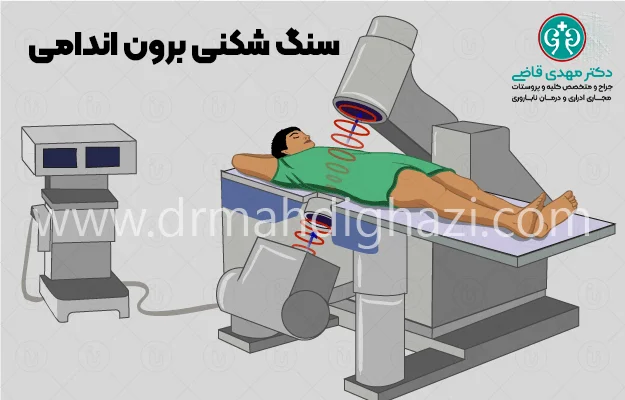
Extracorporeal shock wave lithotripsy (ESWL) is a noninvasive method in which shock waves are used to break stones into smaller fragments.
These fragments can then pass more easily in the urine.
This method is usually effective for stones smaller than 2 cm and does not require hospitalization.
However, several treatment sessions may be needed, and it may not be suitable for stones larger than 1.5 cm or for cystine and calcium oxalate stones.
This method may be somewhat painful for patients and usually requires pain medication.
Ureteroscopy
In ureteroscopy, a thin, long instrument called a ureteroscope is passed through the urethra into the body.
This instrument allows the physician to view the stone, break it into smaller pieces, and then remove it.
This method is usually suitable for stones located in the urinary tract and requires general anesthesia.
In some cases, a laser may be used to fragment the stones.
It is especially effective for mid and lower ureteral stones.
Percutaneous nephrolithotomy (PCNL)
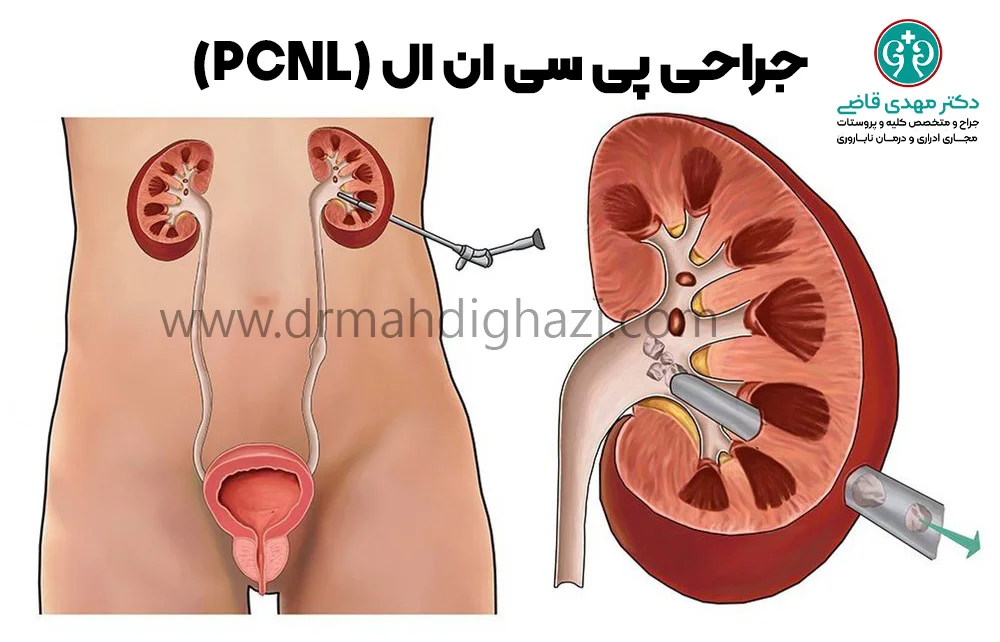
Percutaneous nephrolithotomy (PCNL) is a surgical procedure used to remove stones larger than 2 cm or stones located in difficult areas of the kidney.
In this method, a small incision is made in the back over the kidney area, and a nephroscope is inserted into the kidney through it.
The stones are fragmented with special instruments and removed from the body. This procedure is performed under general anesthesia and usually requires hospitalization.
In this procedure, a double-J stent may be placed to prevent ureteral obstruction and help stone fragments pass in the days after surgery.
A tube (drain or nephrostomy) may also be placed at the surgical incision site in the kidney.
Open surgery
Open kidney stone surgery is not common and is usually performed only in complex cases or when other methods have failed.
In this method, stones are removed directly from the kidney or urinary tract.
This method involves larger incisions and a longer hospital stay and is used only when other treatments are not appropriate.
Laparoscopic surgery
Laparoscopic surgery is a minimally invasive method for treating urinary stones and is especially suitable for large stones or stones in difficult kidney locations.
In this method, the surgeon uses several small abdominal incisions, a thin camera, and special instruments to see and treat the stones.
This method has many advantages, including less pain and discomfort after the operation, faster recovery, and small wounds that leave less visible scarring.
Laparoscopic surgery is especially suitable for stones larger than 2 cm or stones located in difficult areas of the kidney.
This method may be associated with complications such as infection or bleeding, so follow-up and regular visits with the physician after surgery are essential.
Retrograde intrarenal surgery (RIRS) for kidney stones
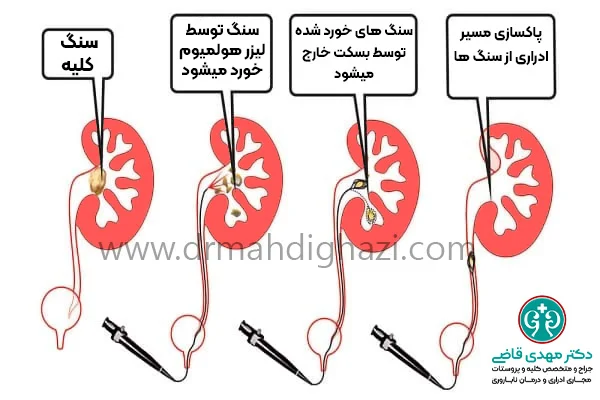
Retrograde intrarenal surgery (RIRS) is a relatively newer method used in selected cases:
Kidney stones resistant to shock wave therapy.
Lower-pole kidney stones that have not passed after extracorporeal lithotripsy.
Large and scattered stones that are not suitable for PCNL.
Large ureteral stones that have not responded to other treatments.
Residual stones in the kidneys after other methods were only partly successful.
In this method, kidney tissue is injured less, and the surgeon passes through the bladder using a scope and laser, such as a holmium laser, to fragment and remove the stones.
The cost of this method may be higher than PCNL, but its benefits are usually significant.
These methods depend on the physician's choice and the patient's condition, and the most appropriate treatment is selected according to stone size and location, the patient's overall health, and other factors.
Complications of lithotripsy and surgery
Complications of lithotripsy and surgery for urinary stones can be varied and complex, especially when stones are large or located in difficult areas.
These complications depend on several factors, including the treatment method, stone location and composition, the patient's anatomical abnormalities, associated diseases, and stone size.
Sepsis, or widespread infection in the blood
One serious complication is sepsis, or infection that has spread into the bloodstream, which may occur when a urinary tract infection is present at the same time.
This condition can be dangerous and life-threatening, especially with invasive treatments and in patients with a weakened immune system.
Ureteral blockage
Ureteral obstruction by residual stone fragments is another potential complication. This can cause urinary tract obstruction and serious problems with kidney function.
Ureteral obstruction may occur because stone particles or infected tissue remain and may require additional measures to resolve it.
Physical injury to the ureter
Physical injury to the ureter may occur because surgical or lithotripsy instruments directly contact the ureteral walls.
This injury can lead to pain, bleeding, and the need for additional treatment to heal procedure-related damage.
Urinary tract infection
Urinary tract infection is a common complication, especially after invasive treatments or when proper hygiene is not maintained.
Urinary tract infection may occur because bacteria enter the urinary tract during the procedure or as a result of postoperative changes in the urinary environment.
Bleeding and pain after surgery
Bleeding and pain are also common complications that may occur after surgery or lithotripsy.
Bleeding may come from the operative site or urinary tract, and pain may result from inflammation or tissue injury.
Failure of lithotripsy
In some cases, stones are not completely broken up or not made small enough to pass easily, which may make repeat treatment or another method necessary.
Overall, recognizing these complications and preventing them through appropriate care and regular follow-up can help reduce risks and improve treatment outcomes.
Recurrent kidney stones
Recurrent kidney stones are a common problem in the management of urinary disease.
About half of people who have had one kidney stone will experience the problem again within the next five years.
Major reasons for recurrent kidney stones include:
Unhealthy diet
Diets high in protein, low in fiber, high in salt, and high in sugar can contribute to new stone formation.
Inactive lifestyle
Lack of physical activity can increase the risk of kidney stone formation.
Family history
People with a family history of kidney stones are more likely to have recurrence.
Chronic urinary diseases
A history of recurrent kidney or urinary tract infections can increase the chance of stone recurrence.
History of kidney stones at a young age
People who had a kidney stone before age 25 are at higher risk.
Diagnostic testing is essential for managing and preventing recurrent kidney stones.
These tests include:
Blood tests
Analysis of passed stone composition
24-hour urine test
Imaging tests
These evaluations help physicians choose effective prevention and treatment methods and prevent new stones from forming.
Prevention of kidney stones
To prevent recurrent kidney stones, a combination of dietary changes, management of underlying diseases, and use of specific medications is necessary.
Although diet and adequate fluid intake are an important part of prevention, specific medications may be needed in some cases:
Thiazide diuretics
Such as hydrochlorothiazide, for patients who have calcium stones and high urinary calcium excretion. These medications are more effective when urinary sodium excretion is low.
Potassium citrate
It is useful for people with calcium, uric acid, or cystine stones, or with low urinary citrate excretion. These medications alkalinize the urine and create an environment that helps prevent uric acid and cystine crystals from forming.
Allopurinol
Used to lower uric acid levels and prevent uric acid and calcium stones.
Acetohydroxamic acid
In addition to antibiotic treatment, it is used to prevent recurrent struvite stones, and removal of residual stones with lithotripsy is recommended.
Cystine-binding thiol drugs
Such as D-penicillamine, used to prevent recurrent cystine stones when other methods have failed.
Vitamin supplements
Excessive use should be reduced because it may increase the risk of stone recurrence.
Herbal medicines
Their effectiveness has not yet been fully studied.
Preventing recurrent kidney stones with home measures
Drinking enough water
At least 2-3 liters of water per day helps dilute the urine and reduce mineral concentration. Water is the healthiest and best option, but drinks such as tea and coffee also count.
Adding lemon juice
Avoiding carbonated drinks
Reducing salt and sugar intake
Vigorous exercise
Managing underlying diseases
By following these measures and using preventive medications when indicated, recurrent kidney stones can be effectively prevented and kidney health maintained.
Summary
Kidney stones are a common and painful medical problem that form for various reasons, including dehydration, an unhealthy diet, and genetic factors.
The main symptoms of kidney stones include severe back and flank pain, blood in the urine, and recurrent urinary tract infections.
Diagnosis is made through urinalysis, blood tests, and imaging studies such as ultrasound and CT scan.
A range of treatments is available for kidney stones, from medications and dietary changes to surgery and lithotripsy.
Kidney stone prevention is possible with adequate water intake, an appropriate diet, and management of chronic diseases.
Timely and appropriate treatment can prevent serious complications such as urinary tract infections and kidney failure.
Awareness of the symptoms, causes, and available treatments for kidney stones can improve quality of life for affected people and provide useful information for preventing recurrence.
With a more accurate understanding of this condition and the necessary preventive and treatment measures, more serious problems can be avoided and kidney health can be preserved.
Frequently Asked Questions
What is a kidney stone?
A kidney stone is a solid mass formed from minerals and salts in the kidneys.
What are the main causes of kidney stone formation?
Dehydration, an unhealthy diet, chronic diseases, genetic factors, and use of certain medications are among the main causes of kidney stones.
How can kidney stones be prevented?
Drinking enough water, reducing salt and sugar intake, and following a balanced diet can help prevent kidney stones.
What are the symptoms of kidney stones?
Severe pain in the back and flank, blood in the urine, and recurrent urinary tract infections are common symptoms of kidney stones.
How are kidney stones diagnosed?
Kidney stones are diagnosed through urinalysis, blood tests, and imaging such as ultrasound and CT scan.
What treatments are available for kidney stones?
Kidney stone treatments include medications, dietary changes, and in more severe cases surgery and lithotripsy.
Are kidney stones dangerous?
If untreated, kidney stones can cause serious complications such as urinary tract infections and kidney failure.
Can kidney stones occur in children?
Yes. Although less common, kidney stones can also form in children.
Can exercise help pass a kidney stone?
Regular exercise and physical activity can help improve urine flow and reduce the risk of kidney stone formation.
Does caffeine cause kidney stones?
Excessive caffeine intake can cause dehydration and increase the risk of kidney stone formation.
Do dairy products cause kidney stones?
Moderate dairy intake generally does not cause problems because of its calcium content, but excessive intake may increase the risk of calcium stones.
How can kidney stone pain be reduced?
Pain medications, drinking plenty of water, and applying warm packs to the painful area may help reduce pain.
Can a kidney stone disappear on its own?
Small stones may pass without specific treatment, but larger stones require medical intervention.
Do kidney stones cause infertility?
Kidney stones do not directly cause infertility, but urinary problems can affect sexual health.
Does vitamin C cause kidney stones?
Excessive vitamin C intake can increase oxalate levels in urine and raise the risk of kidney stone formation.
Does protein intake cause kidney stones?
High intake of animal protein can increase uric acid levels in urine and lead to uric acid stones.
Does drinking lemon juice help pass kidney stones?
Lemon juice, because it contains citrate, may help prevent kidney stone formation.
Are kidney stones dangerous during pregnancy?
Kidney stones during pregnancy can be dangerous and require prompt care and treatment.
How can recurrent kidney stones be prevented?
Regular water intake, an appropriate diet, and control of risk factors can help prevent recurrent kidney stones.
Are kidney stones associated with diabetes?
Yes. Diabetes can increase the risk of kidney stone formation.
Are kidney stones more common in men?
Yes. Kidney stones are more common in men than in women.
Does salt intake cause kidney stones?
High salt intake can increase urinary calcium excretion and lead to calcium stone formation.
Does drinking tea cause kidney stones?
Drinking large amounts of tea, because of its oxalate content, can increase the risk of kidney stones.
Are kidney stones hereditary?
Yes. Genetic predisposition plays an important role in kidney stone formation.
What surgical methods are used to treat kidney stones?
Surgery includes several methods, such as nephrolithotomy, ureteroscopy, laparoscopy, and open surgery to remove larger stones.
What is shock wave lithotripsy and how is it performed?
Lithotripsy is a noninvasive method that uses shock waves to break kidney stones into smaller pieces so they can pass more easily.
Can kidney stones cause urinary tract infection?
Yes. Kidney stones can cause obstruction and create an environment suitable for bacterial growth, leading to urinary tract infection.
How are kidney stones diagnosed during pregnancy?
Kidney stones during pregnancy are usually diagnosed with ultrasound to avoid harmful radiation.
Are there medications that help pass kidney stones?
Yes. Medications such as alpha blockers can help stones pass more easily, and other medications can help prevent new stones from forming.
Actions & related links
Doctors for this topic in Mashhad
See all doctors: Best Kidney Stone Doctors in Mashhad




About the author

Urologic Surgeon
دکتر مهدی قاضی, Urologic Surgeon in Mashhad. Articles on this site are written and reviewed under the supervision of the Urology Building's physicians.
View profile & bookRelated articles
All articlesWhat Is Polycystic Kidney Disease? (Fetal and Adult PKD)
دکتر مهدی قاضی · June 26, 2026
What Is a Renal Cortical Cyst? Symptoms, Diagnosis, and Treatment
دکتر مهدی قاضی · June 26, 2026
Kidney Transplant: Cost, Blood Type Compatibility, and Surgical Method
دکتر مهدی قاضی · June 26, 2026
What Is Pyelonephritis? Kidney Infection Symptoms, Diagnosis, and Treatment
دکتر مهدی قاضی · June 26, 2026
Comments
2 comments