
 Tap to zoom
Kidney Atrophy: Can a Small Kidney Be Dangerous?
Kidney atrophy means gradual loss of kidney tissue and nephron function. Learn causes, symptoms, diagnosis, treatment options, risks, and prevention.
- نویسنده
- دکتر مهدی قاضی
- Published on
- June 26, 2026
- Reading time
- 5 min read
- Last updated
- Updated: June 26, 2026
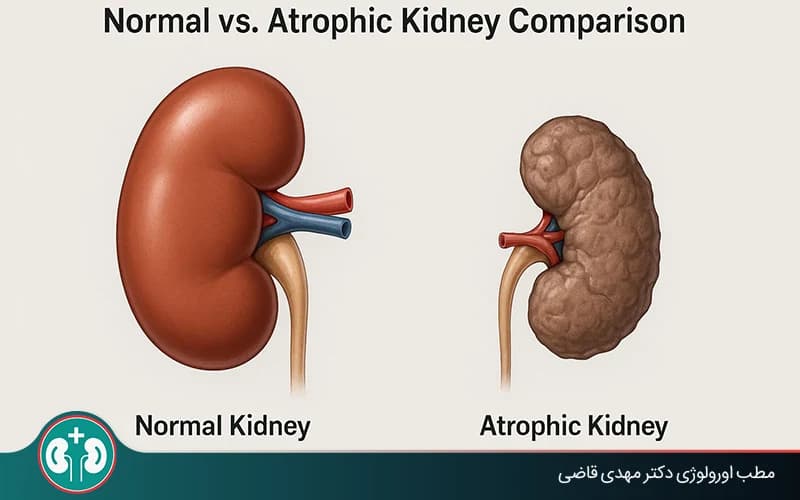
A small kidney (kidney atrophy) means that kidney tissue gradually thins and the number of nephrons (the main blood-filtering units) decreases. As a result, the kidney no longer has enough capacity to clean the blood and regulate body fluids.
Spontaneous kidney atrophy It is not an independent disease; Rather, it is the result of an underlying disease such as High blood pressure, diabetes, chronic kidney infections, urinary tract obstruction, or vascular disorders is Kidney atrophy in many cases slowly and No sign It progresses and therefore may go undiagnosed for a long time.
Kidney and ureteral stone treatment: ESWL, laser and PCNL Kidney stone lithotripsy in Mashhad
Note: To improve care quality and patient satisfaction, appointments are triaged by reason for visit. Each physician sees patients within the relevant urology subspecialty.
Book appointment
This disease does not cause death; But if it is not managed; It can cause kidney failure and the need for dialysis and kidney transplant. In the following, we will talk about the nature of the disease, its causes, timely diagnosis of the disease, and ways to manage it. Stay with us.
What is kidney atrophy?
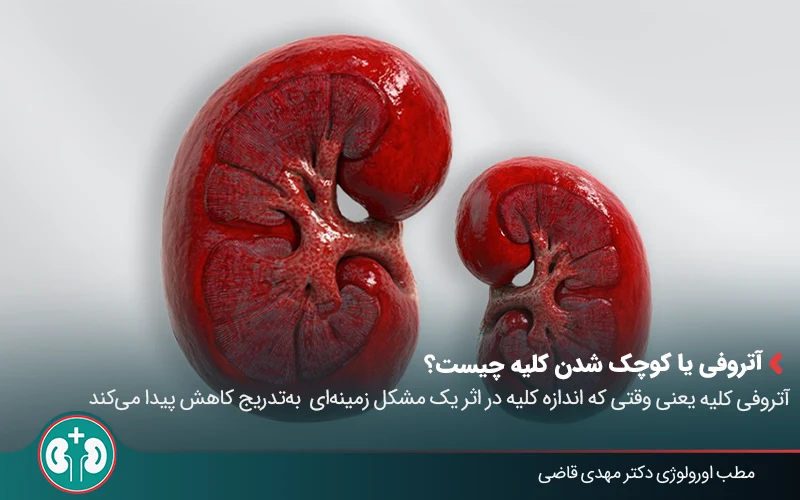
Atrophy or shrinking of the kidney is when the size of the kidney gradually decreases. In simpler terms, the kidney begins to deteriorate due to an underlying problem. This problem is not a congenital malformation and is caused during life by diseases such as high blood pressure, diabetes, long-term obstruction of the urinary tract, frequent kidney infections or vascular problems.
These background problems cause Gradual loss of kidney nephrons they become Nephrons are the small units responsible for blood purification. As the number of nephrons decreases, the kidney's ability to eliminate waste products, regulate water and salt in the body, and control blood pressure decreases. At the same time, the volume of the kidney parenchyma (active and efficient tissue of the kidney) also decreases and in imaging, the kidney is seen smaller than normal.
Appointments related to Kidney and ureteral stone treatment: ESWL, laser and PCNL Kidney stone lithotripsy in Mashhad
Open the public booking path to review times and related information.
Book appointment
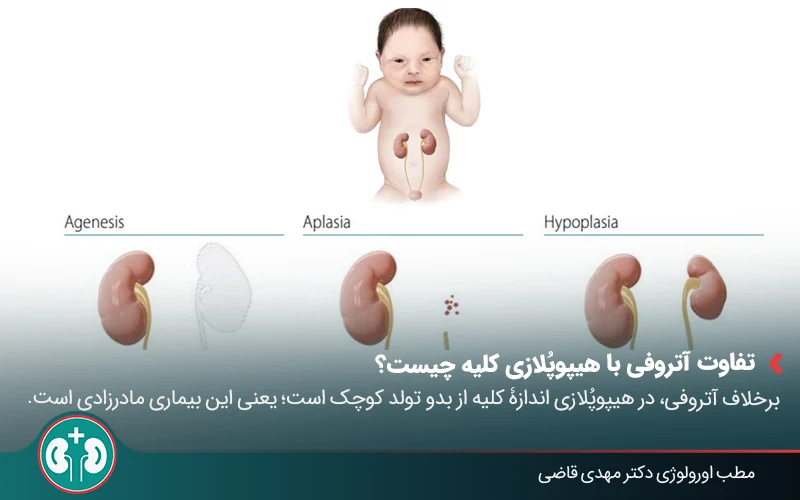
What is the difference between atrophy and hypoplasia of the kidney?
Many patients confuse kidney atrophy with renal hypoplasia, while these two conditions are fundamentally different in origin.
Kidney hypoplasia: this disease is a congenital problem; It means that a person has a kidney that is smaller than normal since birth, because the number of kidney cells and units was less from the beginning. In this case, the kidney never reaches its normal size.
kidney atrophy: In atrophy, the kidney size is initially normal; But due to disease or reduced blood supply, kidney nephrons are destroyed and the kidney gradually shrinks. For this reason, atrophy is a gradual and acquired process, not congenital.
Q&A — Kidney and ureteral stone treatment: ESWL, laser and PCNL Kidney stone lithotripsy in Mashhad
General questions are shown on the destination page after review.
Book appointment
Note: kidney atrophy may involve one kidney or both kidneys; However, left kidney shrinkage is slightly more common.
Why is left kidney shrinking more common?
Some clinical studies indicate that atrophy of the left kidney is slightly more common. One of the most important reasons for this is the difference in the vascular anatomy of the left kidney. The left renal vein has a longer path than the right side, and its passage through the abdominal vessels can make it more difficult to drain blood from the kidney in some situations.
Such conditions may affect kidney blood supply in the long term. However, what is important is to diagnose the underlying cause of kidney shrinkage and start treatment in time, not just the side involved.
Note: Although atrophy of the left kidney is more common, this has not yet been fully proven and therefore cannot be generalized to all people.
What are the normal dimensions of the kidney?
Comparing the size of the kidney in imaging (especially ultrasound) with its normal size is a simple and the most important method for early diagnosis of kidney problems. The normal size of kidney length in different groups is as follows:
Normal kidney size for men: The length of each kidney is usually between 10 and 12 cm.
Normal kidney size in women: Kidney size in women may be slightly smaller than men, but still in the same range of 10 to 12 cm.
Kidney size in children: Kidney size in children depends on their age, height and weight and gradually increases with body growth.
Kidney size in the elderly: Renal shrinkage in the elderly usually occurs mildly and gradually and is part of the natural aging process of the kidney tissue. This change is usually not a sign of disease, unless it is accompanied by decreased kidney function or clinical symptoms.
If the size of the kidney in imaging is less than 10 cm or has a significant decrease compared to previous examinations, you should definitely see a urologist. Of course, a size smaller than 10 cm alone is not a sign of disease; But it may be caused by renal parenchymal atrophy or chronic kidney damage.
complications and risks; Is kidney shrinkage fatal?
No, this disease is not always fatal. How dangerous it is depends on 2 points:
One kidney or both kidneys are involved
What is the status of healthy kidney function?
If only one kidney is atrophied and the other kidney is healthy and active, it usually does not pose a serious threat to the person. Because in these conditions, a healthy kidney can perform most of the functions of blood purification, fluid regulation and electrolyte control by itself. With regular medical follow-up and care of the remaining kidney, will be He lived a normal life for many years with a healthy kidney.
The risks of kidney shrinkage arise when both kidneys are shrunk. In this situation, the person gradually enters the stage of chronic kidney failure (CKD). If this process continues, the person may suffer from kidney failure. In this case, the body will no longer be able to eliminate toxins and excess fluids, and the patient will need dialysis or a kidney transplant.
In the following, we will examine the complications of kidney atrophy in more detail

1. Cardiovascular diseases
People with chronic kidney disease are 2 to 3 times more prone to heart attacks and strokes than healthy people. The cause of this is related to blood pressure disorders, chronic inflammation and metabolic changes.
2. pulmonary edema (accumulation of water in the lungs)
When the kidneys are unable to remove excess fluid from the body, water accumulates in the tissues and in severe cases can reach the lungs and cause shortness of breath.
3. anemia
A healthy kidney produces a hormone called erythropoietin, which is essential for making red blood cells. When kidney atrophy occurs, the production of this hormone decreases and the person suffers from anemia, chronic fatigue and general weakness.
4. sexual disorders
Decreased kidney function sometimes causes hormonal imbalance, which itself leads to decreased libido and erectile dysfunction in men.
What disease causes the kidney to shrink?
As we said before, kidney shrinkage is usually not an independent disease and is often the result and complication of underlying diseases that have damaged the kidney tissue over time. These diseases cause atrophy in two ways:
Decreased blood supply and oxygen supply to the kidney;
Direct and gradual damage to kidney tissue (nephrons).
In the following, we will talk more about diseases and conditions that lead to kidney atrophy.
1. Blood and genetic diseases
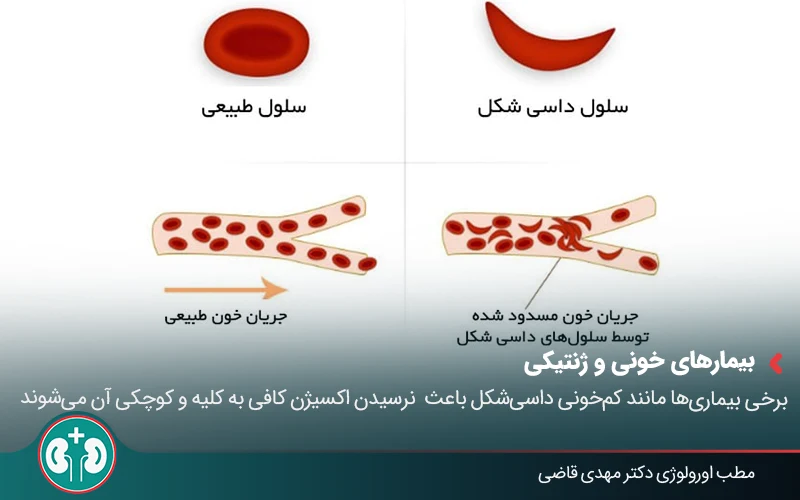
Some blood and genetic diseases cause tissue ischemia (insufficient oxygen reaching the kidney tissue) and after that gradual destruction of nephrons and kidney shrinking. One of the most important of these diseases sickle cell anemia is
In this disease, red blood cells lose their normal shape and become stiff and sickle-shaped. These cells block the delicate capillaries of the kidney and cause blood flow disturbance, local damage and eventually kidney atrophy.
2. Vascular problems and blood pressure
Vascular disorders are one of the most common causes of kidney shrinkage, especially in the elderly. Among the most important of these disorders, the following can be mentioned:
A) Renal artery stenosis
In this case, the main artery supplying blood to the kidney is narrowed or blocked by a fatty plaque or blood clot. Its result is a decrease in blood supply and gradual breakdown of kidney tissue.
b) Defective cycle of blood pressure
High blood pressure can damage kidney vessels and cause atrophy; On the other hand, atrophied kidney also leads to blood pressure disorder. If this vicious cycle is not treated, the kidney damage worsens.
c) Arteriosclerosis (hardening of the arteries)
Aging, diabetes and smoking are among the factors that cause hardening and narrowing of the walls of the arteries. As a result, the oxygen supply to the kidney decreases and the person suffers from chronic ischemia (one of the main causes of atrophy).
3. Urinary tract obstruction
Any factor that causes a long-term disturbance in the normal flow of urine can damage the kidney and even cause atrophy. Obstruction of ducts causes atrophy in the following order:
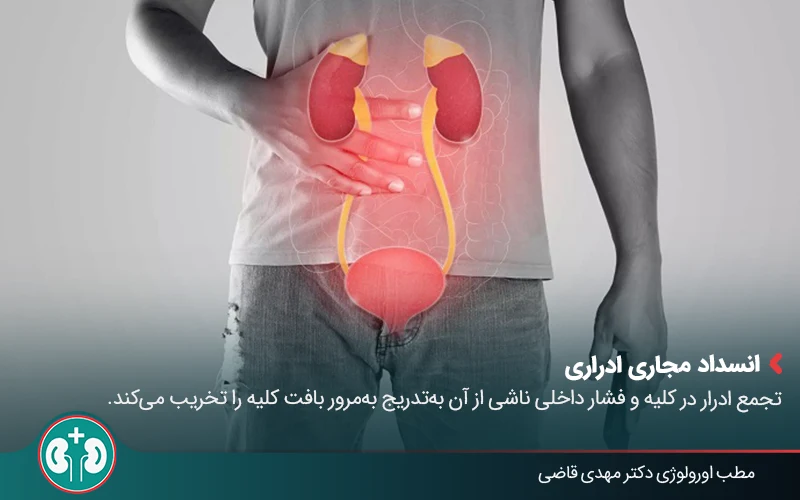
A) Accumulation of urine in the kidney
Obstruction caused by stones, tumors or prostate enlargement causes urine to collect in the kidney and increase the pressure inside it.
b) Chronic physical stress
This pressure gradually destroys the kidney tissue and if the treatment is not done on time, the person will suffer from kidney atrophy.
4. Kidney stones not passed
Kidney stone is one of the factors that neglecting it will lead to the following problems:
Gradual enlargement of the stone: Stones that are not passed may grow and damage the inner tissue of the kidney.
Antler stones: These stones fill the internal space of the kidney (calyces) and by creating blockages and frequent infections, they are considered one of the important causes of advanced kidney atrophy.
5. Frequent and chronic infections
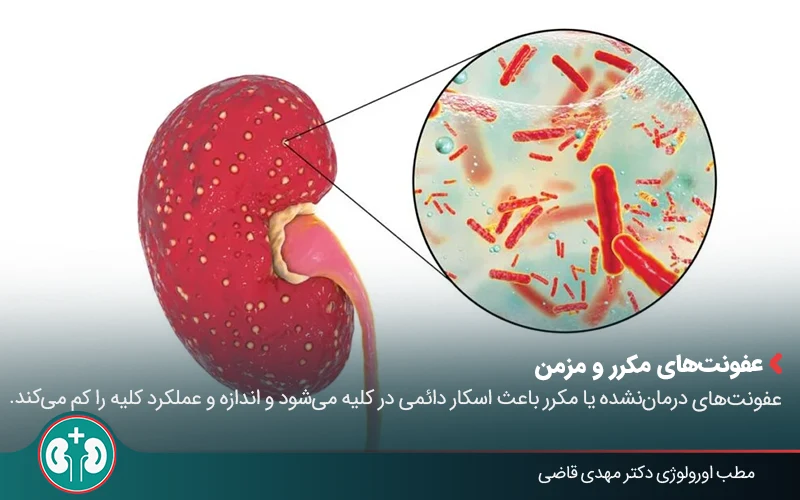
Untreated or recurrent infections play a major role in the destruction of kidney tissue. Kidney infection (pyelonephritis) is a type of bacterial infection that causes permanent scarring in the kidney. These scars replace healthy tissue and gradually reduce the size and function of the kidney.
What are the symptoms of kidney failure?
One of the characteristics of atrophy is that it usually has no obvious symptoms in the early stages. For this reason, many patients realize the problem when the disease has progressed and the kidney has lost a significant part of its function.
Symptoms in advanced stages
When the ability of the kidneys to filter is reduced and the waste materials in the body are increased, the following symptoms usually appear:
Frequent urination, especially at night: This symptom is caused by a disturbance in the regulation of water and solutes by the kidney.
Constant sleepiness and fatigue: This symptom occurs due to the accumulation of toxins in the blood and disorder in the nervous system.
Muscle cramps: Disturbance of the balance of electrolytes, especially calcium and potassium, cause muscle cramps.
Itchy skin: This symptom is very common in the advanced stages of kidney disease and usually occurs due to the increase of waste materials in the blood.
Edema (swelling) of hands and feet: This happens due to the kidney's inability to excrete excess fluids. This swelling is usually seen in the ankles, legs and sometimes around the eyes.
Local pains in the sides or back: These pains are usually not severe and sudden and may be aggravated by activity or infection.
Unilateral atrophy usually has no specific symptoms, which makes the patient live without symptoms for years. In fact, unilateral atrophy is often diagnosed incidentally.
If a person has a history of high blood pressure, diabetes, frequent urinary tract infections, or vascular problems, they should be periodically examined by a doctor, even if they have no symptoms. Early diagnosis is the most important factor in preventing the progression of kidney diseases

Diagnosis of kidney shrinkage
It is not possible to diagnose kidney atrophy with just a simple test. For accurate diagnosis, in addition to testing, the doctor usually uses ultrasound or other imaging methods.
1. Urine test
A urine test is one of the first prescriptions of a doctor to check kidney damage, and it usually checks the following factors:
proteinuria (Proteinuria): The presence of albumin in many cases indicates damage and problems in the function of kidney filters (glomerules).
ratio of albumin to creatinine (uACR): This factor is an important indicator for measuring kidney damage, and its normal value should be less than 30 mg per 1 gram of urine. Its high level is a possible sign of chronic kidney damage.
Dipstick test: This test is a quick screening method in which the test strip changes color when it comes in contact with urine and determines the presence of protein or blood in the urine.
2. blood test
Blood test results assess the kidney's filtering capacity, not its size. Among the most important factors of the blood test, the following can be mentioned:
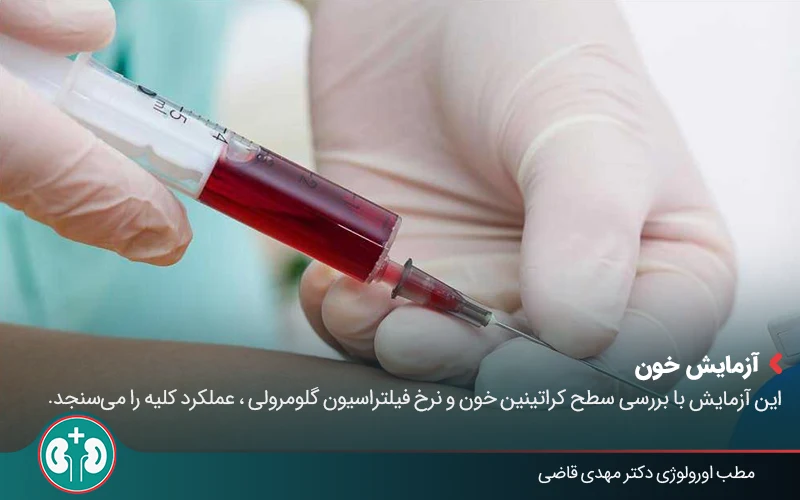
Serum creatinine: Creatinine is a waste product that must be excreted by the kidneys. Its increase means that the whole body has lost its natural elimination ability.
glomerular filtration rate (GFR): This factor is the most important numerical index that shows kidney function:
more than 60: It means that everything has an acceptable performance;
less than 60: indicates chronic kidney disease (CKD);
less than 15: It means that the person has kidney failure and needs dialysis or transplantation.
A person may have a low GFR, but still have a normal kidney size, or vice versa; Therefore, this number should always be interpreted in conjunction with imaging. GFR less than 60 must be stable for at least 3 months to be reliable.
3. Imaging
Imaging plays an important role in the definitive diagnosis of kidney atrophy, because it is the only way to directly examine the size and structure of the kidney. Depending on the patient's condition, one of the following methods or all three are used to check the condition of the kidneys:
Kidney ultrasound: Ultrasound is usually the first line of diagnosis for kidney atrophy. This method, while not radiation, can determine the length of the kidney and the thickness of the parenchyma.
CT scan (CT Scan): The purpose of this work is to examine kidney stones, cysts and tumors and ductal obstruction more closely. If the CT scan requires a contrast material, it should be done with caution in patients with kidney failure.
CT angiography: This method is used when the doctor suspects renal artery stenosis or vascular problems. This method gives the doctor a precise view of the condition of blood supply to the kidneys.
Can kidney atrophy be treated?
Unfortunately, kidney atrophy cannot be treated; But in some cases it is manageable. The lost tissue of the kidney cannot be returned; That is, in kidney atrophy, the nephrons that are destroyed are not rebuilt. In many patients, the progression of kidney atrophy can be stopped or significantly slowed down to prevent complete failure and dialysis.
In the management of kidney atrophy, the following three goals are pursued:
Maximum preservation of residual kidney function;
treat or control the underlying cause;
Prevention of serious complications such as kidney failure and heart problems.

1. drug therapy
Drug therapy is the main method of managing kidney atrophy. The goal of drug treatment is not to restore lost tissue; Rather, the main focus of treatment is to treat the underlying cause of the disease and preserve the remaining kidney function. The selection of drugs is based on the cause of atrophy, the level of kidney function and associated diseases.
A) blood pressure control
To control blood pressure, drugs that inhibit blood pressure and water regulation system or RAAS (renin-angiotensin-aldosterone) play an important role. This group of drugs includes the following:
Angiotensin-converting enzyme inhibitors (ACE inhibitors);
Angiotensin receptor blockers (ARBs).
These drugs protect the kidney by reducing the pressure inside the kidney filtration units (glomerules), reducing protein excretion in the urine (proteinuria) and slowing down the progression of damage and destruction of kidney tissue.
b) Management of chronic kidney diseases
Some new drugs slow down the process of kidney function decline. Among these drugs, the following can be mentioned:
Inhibitors SGLT2: These drugs were initially introduced to treat diabetes, but valid studies have shown that they can slow the progression of kidney disease and protect kidney tissue even in non-diabetic patients.
Medicines nsMRA: This drug group plays a complementary role in kidney protection by reducing inflammation and fibrosis (kidney tissue stiffness and scarring) and is usually used in selected patients along with other kidney protective drugs.
If kidney atrophy is associated with active or recurrent urinary tract infection, treatment of the infection should be started promptly. Because the delay in the treatment can cause a new permanent scar in the kidney tissue and intensify the atrophy process.
2. Dialysis
Dialysis It becomes necessary when the kidney atrophy is bilateral, the kidney function has reached less than 15%, and the kidneys are no longer able to excrete toxins and excess fluids.
Dialysis mechanically purifies the blood and removes waste materials, toxins and excess water from the body. Dialysis is a temporary replacement of kidney function and is not a definitive treatment for failure.
3. kidney transplant
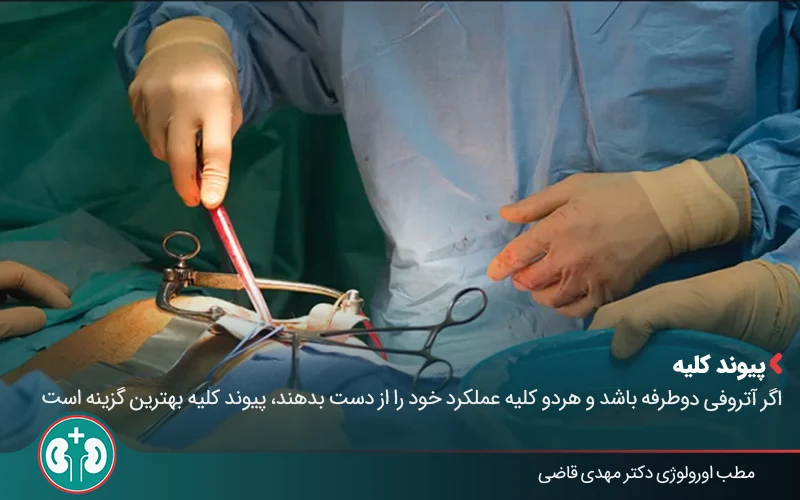
In bilateral and advanced atrophy kidney transplant It is the best and most definite option. Kidney transplantation has more advantages than dialysis, including longer life span, higher quality of life, less food and time restrictions, and relative return to normal life.
The lifespan of a transplanted kidney if it is from a living donor is about 20 years on average, and if it is from a brain dead donor, it is about 12 years on average.
prevention of complications and risks of atrophy; Living with one kidney
When a person has kidney atrophy (either unilateral or bilateral), the most important principle is to protect the remaining kidney function. Any new damage to the kidney can bring the patient one step closer to complete failure. For this reason, prevention is as important as treatment at this stage. We will discuss this issue further.
1. Diet for kidney atrophy
The diet of those suffering from kidney atrophy should be such that the pressure on the kidney is reduced. In this regard, pay attention to the following points:
A) Balanced consumption of light proteins
High consumption of protein increases nitrogenous waste products and forces the kidneys to work harder. In addition, choosing the type of protein is also important; Try to cut back on red meat and use lighter protein sources like egg whites and fish instead.
B) control of phosphorus in the blood
An increase in phosphorus in the blood causes calcium deposits in the arteries, bone damage and exacerbation of kidney disease. If the result of your blood test shows an abnormal amount of phosphorus, it is better to reduce the consumption of foods such as high-fat dairy products, soft drinks and processed and industrial foods.
c) Blood potassium control
Increased blood potassium increases the risk of serious heart disorders. If your blood test shows an abnormal amount of potassium, you should reduce the consumption of certain foods such as bananas, oranges, potatoes, and tomatoes.
d) reducing salt consumption
Too much salt, while raising blood pressure, causes fluid retention and edema (swelling) and increases kidney damage.

2. Caution in sports and physical activities
Although physical activity and exercise are useful for kidney patients, the type of exercise is also very important; So those with kidney atrophy should remember this golden rule: no violent contact sports.
Prohibited sports: In sports such as wrestling, football, hockey and martial arts, there is a risk of hitting the sides and kidneys. Note that even a severe stroke can compromise the functioning of the only functioning kidney.
High-risk sports: Sports such as horse riding and rock climbing are not prohibited; But they are high risk.
Safe sports: Regular walking, light cycling, swimming (in a safe environment), and gentle aerobic and stretching exercises improve circulation, control blood pressure, and help kidney health.
Prevention of kidney atrophy

100% prevention of kidney atrophy is not always possible; Especially in genetic or congenital cases. However, in most cases, the risk of kidney shrinkage can be significantly reduced. The following are among the most important preventive measures:
1. Control of underlying diseases
Diabetes and high blood pressure are the two main causes of gradual kidney vascular damage; Therefore, it is necessary to control blood sugar and blood pressure in order to prevent the destruction of renal vessels and to prevent the destruction of kidney tissue.
2. Avoiding arbitrary use of medicine
Long-term and arbitrary use of nonsteroidal anti-inflammatory painkillers (NSAIDs) such as ibuprofen, naproxen, and gelophene can damage kidney tissue; This issue is more important especially in the elderly or people with underlying diseases.
3. Regular screening
Annual blood and urine tests are mandatory for diabetic patients, people with high blood pressure, the elderly, and people with a family history of kidney disease. These examinations lead to the early identification of kidney dysfunction; That is, before the onset of atrophy.
4. Lifestyle modification
Lifestyle has a direct role in kidney health; Therefore, it is necessary to pay attention to the following points:
Quit smoking, as smoking reduces blood flow and aggravates kidney vascular damage.
5. Reduce the consumption of alcoholic beverages.
Watch your weight and try to have regular physical activity.
Drink enough water. Chronic dehydration can lead to the formation of kidney stones, blockage of the urinary tract and gradual damage to the kidney.
final word
kidney atrophy or kidney shrinking means gradual deterioration of kidney tissue. This usually happens gradually and as a result of underlying diseases such as diabetes, high blood pressure, urinary obstruction or chronic infections. This disease is usually asymptomatic in the early stages, but if it progresses, it can lead to kidney failure.
Of course, kidney atrophy does not necessarily mean dialysis or end of life. Early diagnosis and correct management of underlying diseases make most patients live a carefree life for years. It should be noted that dialysis and kidney transplantation are required only when the atrophy is bilateral and the kidney failure has reached the final stages.
The final point is that regular follow-up and basic care are the most powerful tools for maintaining kidney health, and with timely action, the disease can be controlled and serious complications can be prevented.
Frequently asked questions
Actions & related links
Doctors for this topic in Mashhad
See all doctors: Best Urologists in Mashhad




About the author

Urologic Surgeon
دکتر مهدی قاضی, Urologic Surgeon in Mashhad. Articles on this site are written and reviewed under the supervision of the Urology Building's physicians.
View profile & bookRelated articles
All articlesWhat Is Polycystic Kidney Disease? (Fetal and Adult PKD)
دکتر مهدی قاضی · June 26, 2026
What Is a Renal Cortical Cyst? Symptoms, Diagnosis, and Treatment
دکتر مهدی قاضی · June 26, 2026
Kidney Transplant: Cost, Blood Type Compatibility, and Surgical Method
دکتر مهدی قاضی · June 26, 2026
What Is Pyelonephritis? Kidney Infection Symptoms, Diagnosis, and Treatment
دکتر مهدی قاضی · June 26, 2026
Comments
0 comments
No comments yet. Be the first to share your thoughts.