 Tap to zoom
What Is IVF? A Guide to In Vitro Fertilization
In vitro fertilization (IVF) is an assisted reproductive treatment for infertility. Learn who may use IVF, steps, risks, egg retrieval, fertilization, embryo transfer, and success factors.
- نویسنده
- دکتر مهدی قاضی
- Published on
- June 26, 2026
- Reading time
- 5 min read
- Last updated
- Updated: June 28, 2026
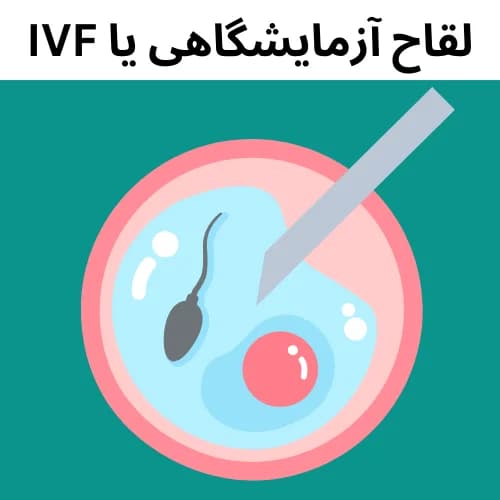
In vitro fertilization, or IVF, is an assisted reproductive treatment for couples in whom other infertility treatments have not been successful.
IVF can also be used to prevent the transmission of genetic problems from parents to children.
During in vitro fertilization, mature eggs are collected from the ovaries and fertilized with sperm in the laboratory, and then one or more of the fertilized eggs (blastocytes) are placed in the uterus.
A full cycle of IVF takes about 2 to 3 weeks. Sometimes these steps are divided into different parts and the process may be longer.
In vitro fertilization is the most effective type of infertility treatment that leads to the production of an embryo and its implantation in the uterus by fertilization of sperm and egg in laboratory conditions.
In general, this group of treatments is called assisted reproductive technology.
Who can use IVF?
IVF can be done using the couple's own eggs and sperm, or it can be done with eggs, sperm, or embryos from a donor (known or unknown).
In some cases, a surrogate (the person in whose womb the embryo is implanted) is used.
A person's chance of having a healthy baby using IVF depends on many factors such as age and the cause of infertility.
If more than one embryo is placed in the uterus, it can lead to a multiple pregnancy.
Reasons for using IVF
Infertility of unknown cause
Sometimes tests cannot find the cause of a person's infertility.
Genetic disorders
If the parents have a genetic disorder and there is a possibility of passing it on to the child, the doctor may recommend IVF. This method is called pre-implantation genetic diagnosis. After the eggs are harvested and fertilized, the egg cells are checked for specific genetic problems and defective embryos are not implanted. However, not all genetic diseases can be diagnosed before embryo implantation.
Desire to preserve fertility due to cancer or other diseases
Cancer treatments such as radiation therapy or chemotherapy can harm fertility. If a person plans to start cancer treatment, IVF may be a way to have a child in the future. Eggs can be collected from the ovaries and frozen for later use, or eggs can be fertilized and then frozen for future use.
Fetus carrier or surrogate
People who do not have an efficient uterus or for whom pregnancy has serious risks, may rent the uterus. This person is also called a fetus carrier. In this case, the wife's eggs are fertilized with the person's own sperm, but the resulting embryos are placed in the uterus of another person.
Risks of IVF
IVF can increase the possibility of certain problems. These risks include the following:
stress
IVF can be physically, emotionally and financially draining.
Complications of egg extraction
After taking drugs to stimulate the growth of follicles in the ovaries, each of which contains an egg, the egg collection is done, which is called oocyte retrieval (egg retrieval). To remove the eggs, a long and thin needle is inserted into the ovaries through the vagina under ultrasound guidance. Needles can cause bleeding, infection, or damage to the bowel, bladder, or blood vessels.
Anesthesia can also have some risks.
Ovarian hyperstimulation syndrome
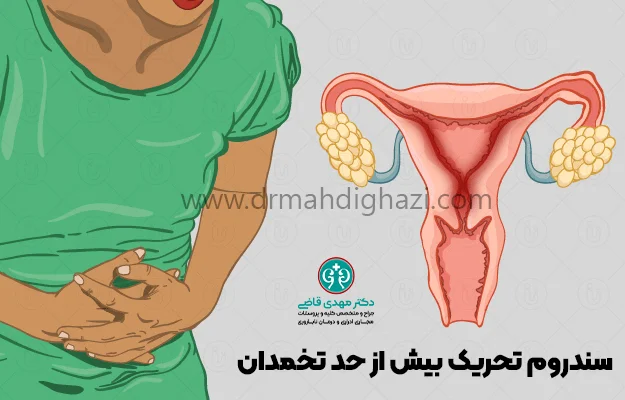
In this condition, the ovaries become swollen and painful. This may be caused by fertility injections and medicines such as human chorionic gonadotropin (HCG) used to stimulate ovulation before IVF. Symptoms often last up to one week and include mild abdominal pain, bloating, upset stomach, vomiting, and diarrhea. Rarely, some people develop a severe form of ovarian hyperstimulation syndrome, which can cause rapid weight gain and shortness of breath.
abortion
Miscarriage rates for people who conceive using IVF with fresh embryos are similar to those who conceive naturally—about 15% for pregnant women in their 20s and more than 50% for those over 40. This amount increases with the age of the woman.
Ectopic pregnancy
In this situation, the early egg or embryo often mistakenly implants in the fallopian tubes and not the uterus itself. The fetus cannot survive outside the womb and it is not possible to continue the pregnancy in this condition. A small percentage of people who use IVF experience an ectopic pregnancy.
multiple births
IVF (in vitro fertilization) increases the chances of multiple pregnancy. A multiple pregnancy carries a higher risk of high blood pressure, gestational diabetes, premature birth, low birth weight, and birth defects than a singleton pregnancy.
Congenital defects
Maternal age is the main risk factor for birth defects. But assisted reproductive technologies such as IVF may slightly increase the risk of the baby developing heart, digestive or other conditions, and more research is needed in this area.
Premature birth and low birth weight
Research shows that IVF slightly increases the risk of premature or low birth weight babies.
cancer
Some early studies suggested that certain drugs used to stimulate egg growth may be associated with developing a certain type of ovarian tumor. But more recent studies do not support these findings.
Preparation for IVF
To start the IVF process, a reputable infertility clinic must be selected. The success of an infertility office depends on factors such as the age of the patients, medical records and treatment approaches of the office.
Screening tests
Before starting IVF, screening tests are necessary. These tests include the following:
Ovarian reserve test
This blood test checks the number of eggs in the body.
Semen analysis
This test checks the number, shape and movement of sperm.
Infectious disease screening
Couples are screened for diseases such as HIV.
Embryo transfer practice
It is done to determine the depth and shape of the uterus and prepare for embryo transfer.
Examination of the uterus
Before starting IVF, the inside of the uterus is checked using sonohysteroscopy. In this method, liquid enters the uterus through a thin plastic tube and then an ultrasound is performed. A diagnostic hysteroscopy may also be performed to view the inside of the uterus more closely.
Stages of IVF
1. Stimulation of the ovaries
After completing the preparatory steps, an IVF cycle lasts about 2 to 3 weeks. It may take more than one cycle to become fertile. The stages of a course include the following:
Stimulation of the ovaries
A woman may receive hormone shots that help develop more than one egg in a cycle. These ampoules may contain follicle-stimulating hormone (FSH), luteinizing hormone (LH), or both.
Helping eggs to mature
A hormone called human chorionic gonadotropin (HCG) or other drugs help the eggs mature and get ready to be released from the follicles.
Postpone ovulation
Medicines are prescribed to prevent premature release of eggs.
Preparation of the inner lining of the uterus
The doctor may prescribe progesterone hormone supplements on the day of ovulation or when the embryo is placed in the uterus. These drugs increase the possibility of the fertilized egg sticking to the uterine wall.
2. Ovulation
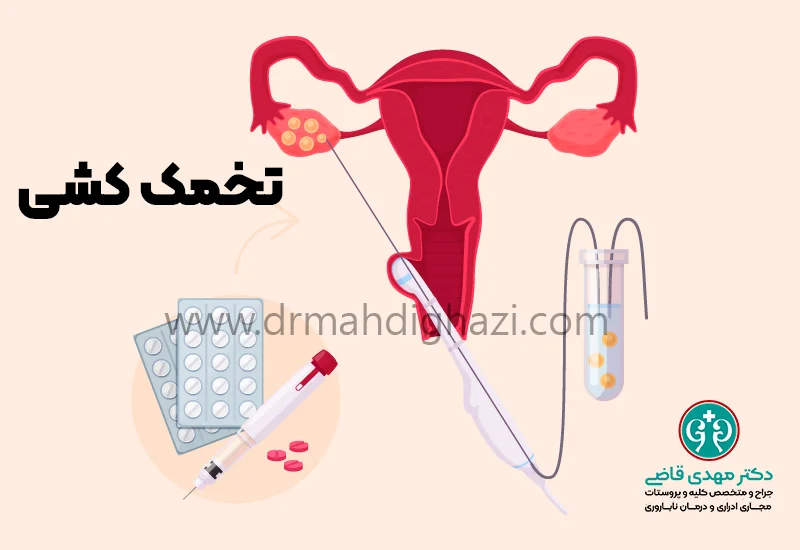
For ovulation, 1 to 2 weeks of ovarian stimulation is needed. To determine the egg readiness time, the following may be done:
Vaginal ultrasound:
Ovarian imaging is used to track growing follicles.
blood test
: It is done to check the response of the ovaries to stimulating drugs. The level of estrogen hormone increases with the growth of follicles and the level of progesterone remains low until after ovulation.
The reasons for canceling the IVF cycle
Sometimes, the IVF cycle is canceled before the eggs are collected for the following reasons:
Insufficient growth of follicles.
Premature ovulation.
Overgrowth of follicles that increases the risk of Ovarian Hyperstimulation Syndrome.
Occurrence of other medical problems.
In case of cancellation of the IVF course, the type and amount of drugs used will change.
3. Egg recovery
This procedure is done to collect eggs from one or both ovaries in the doctor's office or office. This operation is performed 34 to 36 hours after the last injection of hormonal medicine and before ovulation.
Egg retrieval method
An ultrasound machine is placed in the vagina to find follicles. Then, a thin needle is inserted into the follicles with the help of ultrasound through the vagina to collect the eggs (egg aspiration with transvaginal ultrasound). If access to the ovaries through the vagina is not possible, abdominal ultrasound is used to guide the needle.
Egg collection
The eggs are removed from the follicles through a needle connected to a suction device. Several eggs are released in about 20 minutes. Mature eggs are placed in a fluid that helps them grow and then mix with sperm to create an embryo.
4. Extraction of sperm
If the husband’s sperm is used, a semen sample should be collected on the morning of egg retrieval, or sperm should have been collected and frozen beforehand. Most often, a semen sample is collected. If the person cannot ejaculate or there is no sperm in the semen, other methods such as testicular needle aspiration or surgery are used. Donor sperm can also be used. In the laboratory, sperm are separated from the semen.
5. Fertilization
There are two common ways to fertilize eggs with sperm:
Conventional insemination (IVF): Healthy sperm and mature eggs are mixed and kept in an incubator.
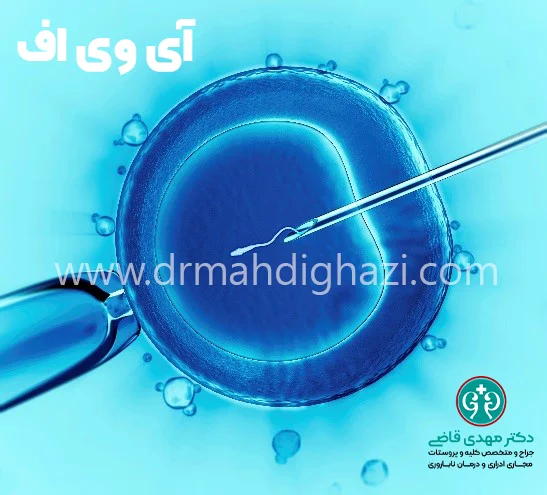
Intracytoplasmic sperm injection (ICSI): A single healthy sperm is injected directly into each mature egg. ICSI is used when sperm quality or count is a problem, or when fertilization attempts in previous IVF cycles have failed.
Auxiliary methods
In certain circumstances, other methods may be recommended before the embryos are placed in the uterus:
Assisted hatching(Assisted Hatching):
About 5 to 6 days after fertilization, the embryo emerges from the thin layer surrounding it. This process allows the embryo to attach to the uterine wall. If the person is older or has had failed IVF attempts, a small opening is made in the embryo membrane just before placement in the uterus to help the embryo exit the membrane and attach to the uterine wall; this is called assisted hatching.
Assisted hatching is also useful for frozen eggs or embryos.
Preimplantation genetic testing(Preimplantation Genetic Testing):
The embryos are allowed to grow in an incubator until they reach a stage where a small sample can be taken. This sample is tested to investigate genetic diseases or evaluate chromosomal structures. Only embryos that contain healthy genes or chromosomes are transferred to the uterus. This test cannot completely eliminate the risk, and prenatal testing may still be recommended.
6. Embryo transfer
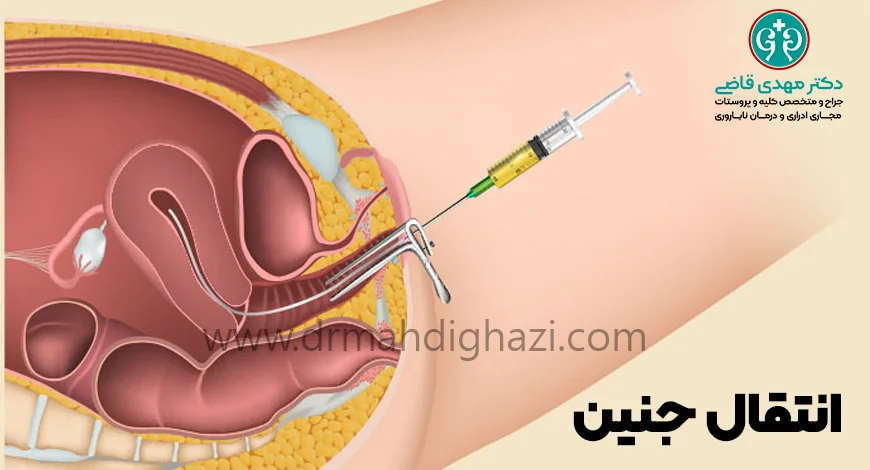
Placing one or more embryos in the uterus is a procedure performed in a doctor's office or practice. This is usually done 2 to 6 days after the eggs are collected.
Embryo transfer method
A long, thin and flexible tube called a catheter is inserted into the uterus through the vagina and cervix. A syringe containing one or more embryos in a small amount of liquid is connected to the end of the catheter, and using the syringe, the embryos are placed in the uterus.
The result of embryo transfer
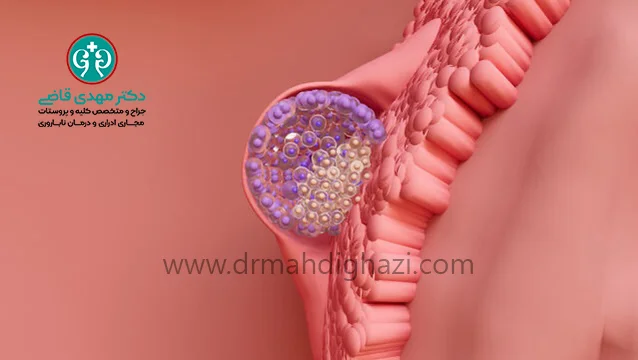
If this procedure is successful, an embryo will attach to the uterine wall about 6 to 10 days after ovulation.
After IVF
After embryo transfer, you can return to your daily activities. However, the ovaries may still be enlarged, so vigorous activity or sex may cause discomfort.
side effects
Common side effects after IVF include:
The discharge of a small amount of clear liquid or blood immediately after the operation.
Breast tenderness due to high estrogen levels.
Mild bloating.
mild cramps
constipation
If pain or severe bleeding from the vagina is observed after the embryo transfer, the IVF center should be contacted immediately. An examination may be needed to check for side effects such as infection, ovarian torsion, or ovarian hyperstimulation syndrome.
Outcome and success of IVF
At least 12 days after embryo transfer, a blood test is done to determine whether the person is pregnant or not. In case of pregnancy, the mother is referred to a gynecologist for prenatal care. If pregnancy has not occurred, the use of progesterone is stopped and most likely a period will occur within a week. If you do not have a period or have unusual bleeding, you should contact your doctor. If the couple is planning to try another round of IVF, the doctor may suggest measures to increase the chances of pregnancy in the next round.
Probability of success
The probability of giving birth to a healthy baby after using IVF depends on various factors, including:
mother's age
The younger the mother's age, the more likely she is to get pregnant and give birth to a healthy baby using her own eggs in IVF. People aged 40 and older are often advised to use donor eggs to increase the chances of success.
Fetus status
Transfer of more developed embryos is associated with higher pregnancy rates, but not all embryos survive the development process.
Fertility history
People who have given birth before are more likely to get pregnant using IVF than people who have never given birth. The success rate is lower for people who have already tried IVF several times but did not conceive.
Egg storage
Having an average egg reserve increases the chance of pregnancy using IVF. People with severe endometriosis are less likely to get pregnant with IVF than those with unexplained infertility.
lifestyle
Lifestyle factors also affect the chances of IVF success:
smoking
It can reduce the chances of success. People who smoke collect fewer eggs in IVF and may have more miscarriages.
obesity
It can reduce the possibility of pregnancy and giving birth to a baby.
Alcohol, drug use, high caffeine intake, and some medicines: can be harmful.
Summary
In vitro fertilization (IVF) is one of the most advanced and effective methods of infertility treatment, which includes the stages of ovarian stimulation, egg retrieval, fertilization in the laboratory, and transfer of the embryo to the uterus. This process gives people who are facing fertility problems a chance to experience parenthood. The success of IVF depends on several factors such as age, reproductive health status, and the techniques used. Although this method comes with some complications and challenges, but with proper care and medical guidance, many of these problems can be managed.
Possible complications of IVF include overstimulation of the ovaries, multiple pregnancy, and risks from surgery. However, medical advances and new technologies in this field have significantly increased the success rate.
By providing detailed and scientific information about the different stages of IVF, factors affecting success, and possible complications, this article can help infertile couples make informed decisions and take better advantage of this method. In addition, the recommendations given to increase the chances of success and manage complications can be a useful guide for couples during the treatment process.
Frequently asked questions
Actions & related links
Doctors for this topic in Mashhad
See all doctors: Best Male Infertility Doctors in Mashhad




About the author

Urologic Surgeon
دکتر مهدی قاضی, Urologic Surgeon in Mashhad. Articles on this site are written and reviewed under the supervision of the Urology Building's physicians.
View profile & bookRelated articles
All articlesWhat Is Polycystic Kidney Disease? (Fetal and Adult PKD)
دکتر مهدی قاضی · June 26, 2026
What Is a Renal Cortical Cyst? Symptoms, Diagnosis, and Treatment
دکتر مهدی قاضی · June 26, 2026
Kidney Transplant: Cost, Blood Type Compatibility, and Surgical Method
دکتر مهدی قاضی · June 26, 2026
What Is Pyelonephritis? Kidney Infection Symptoms, Diagnosis, and Treatment
دکتر مهدی قاضی · June 26, 2026
Comments
0 comments
No comments yet. Be the first to share your thoughts.