 Tap to zoom
What Is a Hernia? Types, Causes, Diagnosis, and Surgery
A hernia occurs when tissue or part of an organ pushes through a weak area in the surrounding muscle or abdominal wall. Learn the types, warning signs, diagnosis, and treatment options.
- نویسنده
- دکتر مهدی قاضی
- Published on
- June 26, 2026
- Reading time
- 5 min read
- Last updated
- Updated: June 27, 2026
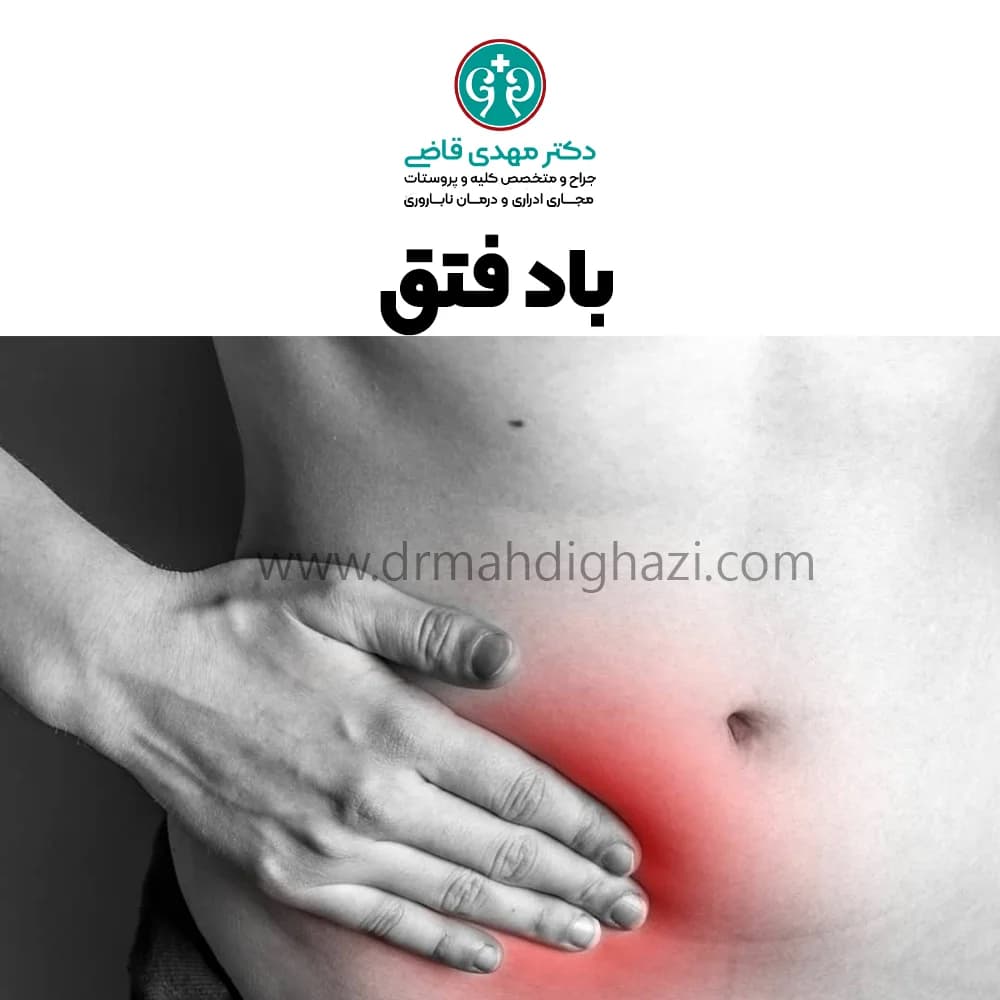
A hernia occurs when part of an organ or internal body tissue moves out of its normal position and pushes into a nearby area because the surrounding wall is weak or loose.
This displacement is often visible as swelling or a bulge.
In many cases, a hernia causes only mild symptoms, and a person may not feel any pain at all, but they usually notice swelling or a bulge at the hernia site.
This bulge, which may be in the abdomen or groin, may go back into place when lying down or with gentle pressure; however, activities such as coughing, lifting heavy objects, or straining can make it more noticeable.
Some people confuse this condition with problems such as varicocele, although these two conditions have important differences. The rest of this article explains hernia in more detail and clarifies how it differs from varicocele.
A hernia may be present from birth or may appear in adulthood because of factors such as increased pressure inside the abdomen.
This increased pressure may result from different causes, including constipation, lifting heavy objects, or even severe chronic coughing.
In some congenital cases, a hernia forms because of weakness in the abdominal wall or incomplete closure of body cavities during fetal development, and it may worsen over a person’s lifetime.
One of the most important points about a hernia is that it does not go away on its own and may cause more serious problems over time.
One such problem is interruption of blood flow to part of the involved tissue, which can lead to tissue death or bowel obstruction.
In this situation, a person may develop symptoms such as sudden severe pain, vomiting, and nausea. These symptoms suggest an emergency and require immediate medical care.
For example, if a groin hernia is not treated in time, it can lead to bowel obstruction and may require urgent surgery.
Although surgery for hernia repair is usually successful, it may be associated with complications such as infection, bleeding, or injury to nearby tissues.
In some cases, long-term pain in the surgical area and the possibility of hernia recurrence may also occur.
For this reason, timely diagnosis and treatment of a hernia are very important, because delaying treatment can lead to more serious complications. If you notice symptoms such as an unusual bulge in the abdomen or groin, it is best to see a doctor as soon as possible and follow the recommended diagnostic and treatment steps.
Causes of hernia
A hernia occurs when part of an organ or internal tissue protrudes through a weak point in the muscle wall or surrounding tissues and presses into another area. Several factors can contribute to this condition:
Congenital muscle weakness
Genetic background can also contribute to weakness of the abdominal muscles and increase the likelihood of developing a hernia. If one family member has had a hernia, other family members may also be more likely to develop one. These hernias are usually known as indirect hernias and often appear in childhood or young adulthood.
Increased pressure inside the abdomen
Any activity that increases pressure inside the abdomen can weaken the abdominal wall and cause a hernia. Lifting heavy objects, straining during bowel movements, pregnancy, and even severe or chronic coughing are among these factors. Respiratory diseases such as asthma can contribute to this pressure by causing chronic cough.
Premature birth
Babies who are born prematurely are at higher risk of hernia because their abdominal muscles and protective tissues have not fully developed.
Aging and muscle weakness
With aging, the muscles and connective tissues of the body naturally become weaker, which increases the risk of hernia. This is seen especially in older adults.
Obesity or excess weight
Excess body weight can place additional pressure on the abdominal muscles and increase the likelihood of hernia.
History of surgery or injury
Areas that have previously undergone surgery or have been injured may be weaker and at higher risk for hernia formation.
What are the symptoms of a hernia?
Hernia symptoms can vary depending on the location and severity, but several common signs are seen in most types. One of the main symptoms is a bulge or swelling in the area where tissue has moved out of its normal position. This bulge may be more obvious when the person is standing, coughing, or straining.
Pain or discomfort in the hernia area, especially when lifting heavy objects, bending, or straining, is another common symptom of hernia.
The pain may be described as heaviness, burning, or a pulling sensation. In some cases, the person may feel pressure or discomfort without severe pain.
Other hernia symptoms may include:
Swelling in the groin
Especially with inguinal hernias, a bulge may appear in the groin or even in the scrotum.Abdominal pain
This pain may increase especially after eating or after intense physical activity.A feeling of weakness or heaviness
Some people may feel heaviness or weakness in the hernia area.Digestive symptoms
If part of the bowel becomes trapped in the hernia, the person may develop constipation, difficulty passing gas, or even bowel obstruction.Sudden severe pain
This symptom may indicate that the hernia has become trapped, known as a strangulated hernia, with loss of blood flow to the tissue. This requires urgent medical treatment.
Symptoms can differ depending on the hernia location. For example, in diaphragmatic hernias, where abdominal contents press into the chest, the person may develop breathing problems.
Early diagnosis of a hernia is very important, because without treatment it may lead to serious complications such as bowel obstruction or impaired blood supply, which may require emergency surgery.
Types of hernia
As noted above, a hernia can affect different areas of the body and has several types depending on its location. These types are explained below.
Groin hernia (inguinal hernia)
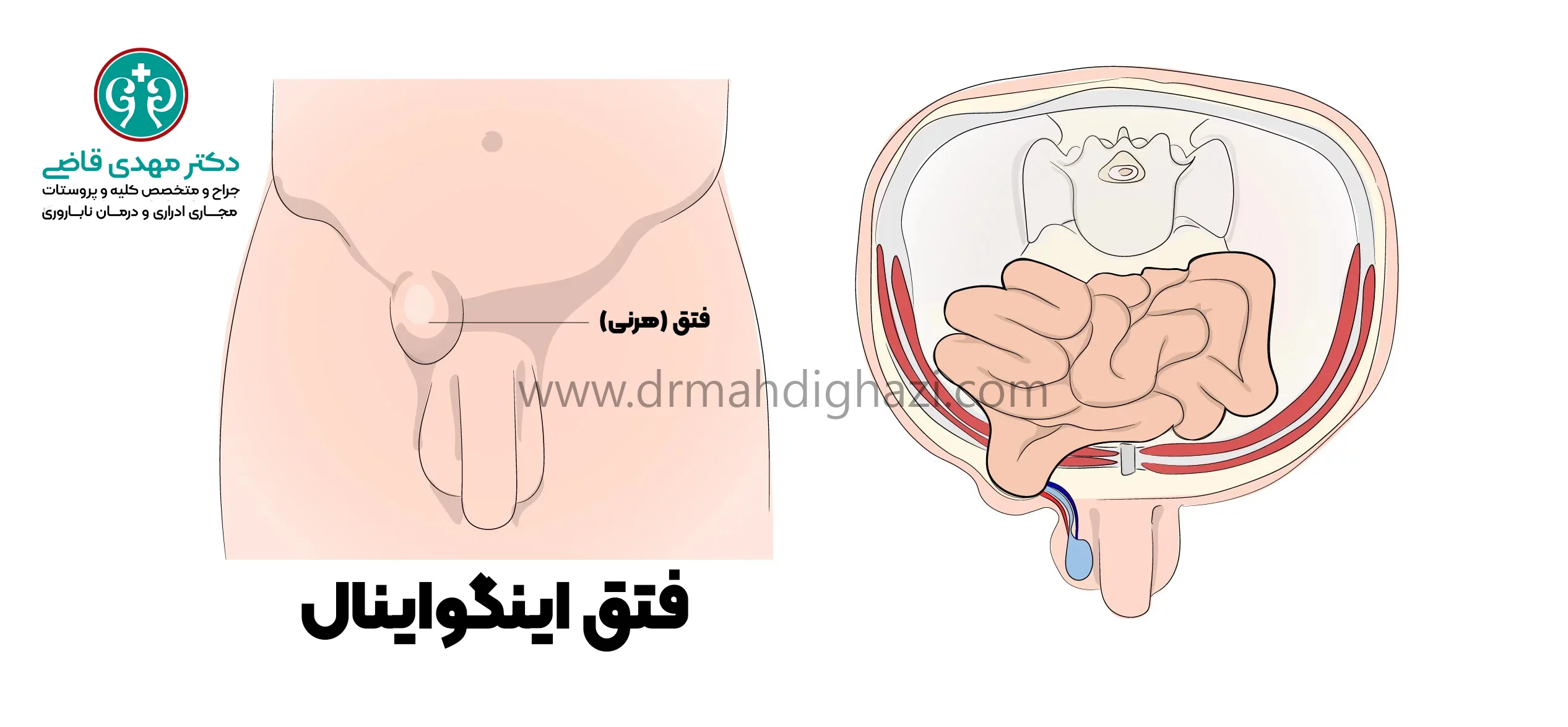
This is the most common type of hernia and occurs more often in men. In this condition, part of the intestine or fatty tissue passes through a weak point in the abdominal wall and enters the inguinal canal. Inguinal hernias are seen in two forms: direct and indirect.
Direct inguinal hernia
This type of hernia occurs more often in older adults and is mainly caused by gradual weakness of the abdominal wall muscles, especially in an area called Hesselbach’s triangle (Hesselbach's Triangle). This triangle is a weak area in the muscular wall of the abdomen that is prone to direct hernias.
In a direct inguinal hernia, part of the abdominal contents, usually fatty tissue or intestine, passes directly through a weak point in the front abdominal wall and enters the inguinal canal. This hernia passes directly through the abdominal muscles; therefore, direct inguinal hernia usually occurs in older people because of general weakening of the muscle wall due to aging or repeated pressure.
Features of direct inguinal hernia:
It often occurs on both sides of the body.
The hernia usually becomes more visible when pressure is placed on the abdomen, such as during coughing or lifting heavy objects.
Unlike an indirect hernia, it does not pass through the inguinal canal in the same way; rather, it goes through the weak area of the abdominal wall.
A direct hernia is less likely to cause obstruction or strangulation because it has a shorter path, and the hernia contents are often only abdominal fat; the intestines are less commonly involved in this type of hernia.
Indirect inguinal hernia
Indirect inguinal hernia is more common and is usually caused by a congenital defect in the inguinal canal. During fetal development, the inguinal canal should close, but in some cases this does not happen or happens incompletely, creating a pathway for a hernia. In this type, abdominal contents, usually small intestine, pass through the inguinal canal and into the canal, and sometimes even into the scrotum in men.
Features of indirect inguinal hernia:
It is often seen in infants and children, although it may remain without symptoms until adulthood.
It is more common in men because the male inguinal canal is larger and contains the spermatic cord.
In infancy, it may appear as a bulge in the groin or testicle area.
This type of hernia is usually prone to incarceration and strangulation because the bowel lies within a long, narrow pathway and its blood supply may be cut off. In that situation, urgent surgery is required.
Femoral hernia
This type of hernia is less common and is seen more often in women, especially older women. In this condition, part of fatty tissue or bowel protrudes through the femoral canal and creates a bulge near the upper thigh.
This type of hernia has a higher risk of becoming trapped or strangulated, meaning obstruction and loss of blood supply, and it usually requires urgent surgery.
Umbilical hernia

Umbilical hernia is seen especially in infants and children and occurs when part of the bowel or fatty tissue protrudes through a weak area around the navel.
In most children, this type of hernia improves without surgery. In adults, however, factors such as obesity or pregnancy may lead to this type of hernia, and surgery may be needed.
Incisional hernia
This type of hernia develops after abdominal surgery and occurs when part of internal tissue protrudes through the surgical incision site. Factors such as wound infection or incomplete healing can contribute to this type of hernia. Surgery is usually needed to repair an incisional hernia.
Diaphragmatic hernia
In this type of hernia, part of the stomach moves through an opening in the diaphragm into the chest cavity. It is divided into two types:
Sliding hernia: This is the most common type, in which part of the stomach and esophagus move into the chest and then slide back.
Paraesophageal hernia: This is a rarer and more dangerous type, because part of the stomach remains permanently in the chest and there is a risk of obstruction and strangulation.
Diaphragmatic hernia usually causes symptoms such as acid reflux and heartburn, and in more serious cases surgery may be required.
Epigastric hernia
An epigastric hernia occurs when part of fatty tissue protrudes through a weak area of the abdominal wall between the navel and the chest. This type of hernia may be small and symptom-free, but it can sometimes cause pain or discomfort and may require surgery for repair.
Sports hernia
A sports hernia is not actually a true hernia; it is an injury to the soft tissues of the groin that is seen more often in athletes. These injuries usually occur because of intense physical activity and stretching or tearing of muscles and tendons. Treatment depends on the severity of the injury and may include physical therapy or surgery.
Strangulated hernia (Strangulated Hernia)
Any hernia that cuts off blood flow to tissue is known as a strangulated hernia. This is a medical emergency. If it is not treated quickly, it can lead to tissue death and severe complications. Symptoms include severe pain, fever, nausea, and vomiting, and urgent surgery is required.
How hernia is examined and diagnosed
Different methods are used to diagnose a hernia, and the appropriate method depends on the hernia type, its location, and the patient’s symptoms. Physical examination is usually the first step, but if the hernia is more complex or more detailed imaging is needed, methods such as ultrasound, CT scan, or MRI may be used.
The diagnostic methods commonly used for hernia are explained below:
Physical examination
This is the first and simplest step in diagnosing a hernia. The doctor examines and feels the suspicious area, looking for a bulge or swelling that becomes more obvious when the patient strains, coughs, or stands. The examination is usually performed while standing or lying down, and the doctor may ask the patient to strain or cough so the hernia becomes more visible.
Ultrasound
Ultrasound is a very useful tool for diagnosing hernia, especially abdominal and inguinal hernias. By using sound waves to create images of the inside of the body, it can identify a hernia in soft tissues. Ultrasound is especially suitable for children and pregnant women, who may not be candidates for other imaging methods.
CT scan (CT Scan)
CT scan is a more advanced method that provides more detailed images of the inside of the body. It is used to diagnose hernias that do not have obvious symptoms or occur in less common areas of the body, such as diaphragmatic hernia. CT scan is especially useful when deeper evaluation and more detail about internal structures are needed.
MRI
MRI is also an advanced imaging method that uses magnetic waves to provide highly detailed images of tissues and organs.
This method is particularly useful when more complex hernias, such as sports hernias or hernias involving injury to muscles and tendons, need to be evaluated.
MRI can accurately identify the location and extent of injury.
X-ray radiography (X-ray)
X-ray radiography is not used directly to diagnose a hernia, but it can help identify complications such as bowel obstruction or a strangulated hernia, meaning a hernia that has cut off blood flow.
In some cases, the doctor uses this method to assess associated findings such as obstruction or other injuries.
Endoscopy
Endoscopy is one of the methods used to diagnose diaphragmatic hernia or hernias related to the digestive tract. In this method, a small camera attached to a thin tube is passed into the body through the mouth or anus to view internal problems.
Endoscopy is especially useful when hiatal hernia or severe reflux is suspected.
Esophageal manometry
This method is used mainly to diagnose hiatal hernia and related complications such as gastroesophageal reflux. Manometry measures the pressure and function of the esophageal muscles and can help identify abnormalities that may have been caused by the hernia.
Other diagnostic tests
In certain special cases, the doctor may use other methods such as sialography to evaluate hernias related to the salivary glands, or proctology examination to assess rarer hernias such as anal hernia. These tests help diagnose the type and location of the hernia more accurately.
Treatment of different types of hernia
Hernia treatment depends on the type, size, and severity of symptoms. Hernias usually do not heal on their own, and in most cases surgery is the only complete treatment.
Treatment methods are generally divided into two groups: nonsurgical methods and surgical methods.
Both methods are explained in detail below.
Nonsurgical methods
When the hernia is small and causes few symptoms, or when surgery is risky for the patient because of age or other medical conditions, nonsurgical treatments may be considered. These methods include:
Using a hernia truss
This supportive device helps control the hernia bulge. A hernia belt reduces pressure on the affected area and can lessen discomfort, but it does not cure the hernia. It is used for temporary management and may be suitable for people who cannot undergo surgery for different reasons.
Lifestyle changes
Simple lifestyle changes may help prevent a hernia from worsening. These changes include:
Weight loss to reduce pressure on the abdominal wall.
Avoiding heavy lifting and strenuous activities that increase pressure on the abdomen.
A suitable diet that helps prevent constipation and straining during bowel movements.
Managing chronic cough by treating underlying conditions such as asthma or lung disease.
Medications
In cases of hiatal or diaphragmatic hernia associated with acid reflux, the doctor may prescribe medicines that reduce stomach acid. These medicines control symptoms but do not cure the hernia.
Hernia surgery methods
Surgery is often the best and most effective treatment for a hernia. In most cases, surgery is performed when the hernia causes pain, discomfort, or risks such as strangulation, meaning loss of blood flow to the hernia area. Surgical methods for hernia treatment include:
Open hernia surgery
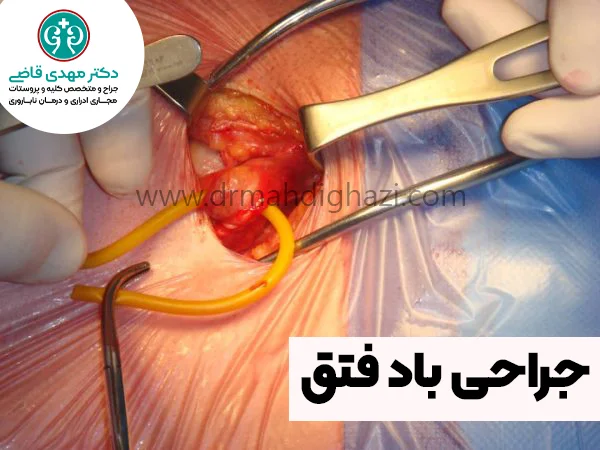
In this method, a large incision is made over the hernia so the doctor can return the hernia to its proper position. The weak area of the abdominal wall is then strengthened with stitches or mesh to prevent the hernia from coming back.
This surgery takes 1 to 2 hours and may take longer depending on the type and complexity of the hernia.
Open surgery is performed under general anesthesia, meaning the patient is completely asleep during the operation.
In some cases, spinal anesthesia is used; the patient remains awake, but part of the body is numb. Recovery usually takes 4 to 6 weeks, and the patient may stay in the hospital for one or two days after surgery.
Possible complications include infection, long-term pain in the surgical area, and hernia recurrence, although recurrence is less common than with non-mesh repairs. Recovery is also longer with this method than with minimally invasive methods such as laparoscopy.
Laparoscopic hernia surgery
In laparoscopic surgery, the surgeon inserts special instruments through several small incisions and repairs the hernia with the help of a camera that displays the inside of the body on a screen.
In this method, the weak area is also reinforced with stitches or mesh. Laparoscopic surgery usually takes 1 to 2 hours and is performed under general anesthesia. The patient is fully asleep during the surgery.
Recovery is shorter than with open surgery, and the patient can usually return to daily activities after a few days. In general, however, heavy activity should be avoided for about 2 to 3 weeks. Possible complications include injury to internal organs while instruments are inserted, infection, and temporary pain.
However, pain and scarring after laparoscopic surgery are less than after open surgery, and patients usually recover faster.
Robotic hernia surgery
In this method, which is similar to laparoscopy, the surgeon uses a robotic system to control surgical instruments more precisely. The robotic system allows the surgeon to make incisions and repairs with greater accuracy. This surgery usually takes 1 to 2 hours and is performed under general anesthesia.
Recovery after robotic surgery is also similar to laparoscopic surgery: the patient can return to daily activities within a few days and should avoid heavy activity for about 2 to 3 weeks. Possible complications include injury to internal organs, infection, and, rarely, equipment malfunction. Because of the high precision of this method, however, related risks are lower, and postoperative pain and scarring are usually more limited.
Mesh repair surgery
Use of mesh is common in many hernia surgeries, whether open or laparoscopic. The mesh is placed over the weak area to strengthen the abdominal wall and help prevent recurrence. This surgery usually requires more time than repairs without mesh because mesh placement must be precise.
In open and laparoscopic methods, recovery depends on the type of surgery and mesh placement, but recovery is usually faster with mesh and the risk of recurrence is lower. Possible complications include infection, inflammation, and chronic pain in the mesh area. Rarely, the body may reject the mesh or the mesh may not stay properly in place, requiring another surgery.
Emergency treatment for hernia
In some cases, a hernia may become strangulated, meaning blood flow to the hernia area is cut off. This is a medical emergency that requires immediate surgery. Emergency surgery is performed to repair the hernia and restore blood supply to the affected area.
During this surgery, the hernia area is opened first, and the doctor restores blood flow by returning the compressed organs to their proper position. If part of the bowel or tissue has died because of lack of blood supply, that part must be removed.
This surgery may take 2 to 3 hours and, depending on the extent of injury, is performed under general anesthesia.
Recovery after emergency surgery depends on the severity of the injury and may require several days in the hospital. Full recovery may take several weeks, and the patient should avoid heavy activity for a period of time.
Possible complications include infection, the need to remove part of the bowel, and complications related to tissue necrosis.
If timely action is not taken, serious risks such as severe infection and even death may occur.
Care after hernia surgery
After hernia surgery, certain care steps are necessary to support faster recovery and prevent complications. Important postoperative care points include:
Rest and daily activities
Adequate rest is necessary after surgery. Although rest is important, the patient should try to do light activity such as slow walking from the first day after surgery to improve blood circulation and help prevent blood clots.
Heavy activities, including lifting heavy objects and high-impact exercise, should be limited for at least 4 to 6 weeks after surgery.
Pain management
The doctor usually prescribes pain medicines to help reduce postoperative pain. In addition to medication, a cold compress can be used on the surgical area to reduce pain and swelling.
Pain is usually more intense during the first few days and then gradually decreases.
Wound care
The surgical area should be kept clean and dry. If the surgical site is dressed, the dressing should be changed on schedule according to the doctor’s instructions. If any signs of infection appear, such as redness, swelling, or pus from the wound, the patient should contact a doctor promptly.
Using appropriate supportive clothing
Wearing supportive clothing such as snug underwear or a surgical support garment is recommended. These garments help reduce pain and swelling and provide more support to the surgical area.
Special snug underwear can apply appropriate pressure to the surgical area and may help reduce the likelihood of hernia recurrence. Wearing these garments is recommended especially during daily activities for several weeks after surgery.
Preventing constipation
Constipation can place significant pressure on the surgical area and may cause pain or even damage the stitches.
A high-fiber diet, including fruits, vegetables, whole grains, and plenty of fluids, helps prevent constipation. If needed, the doctor may prescribe a mild laxative.
Avoiding severe coughing and sneezing
If the patient coughs or sneezes, they should try to reduce pressure on the abdomen.
Using a pillow to support the abdomen while coughing or sneezing can help prevent pressure on the surgical area.
Body position and sleep care
During the first days after surgery, it is better to avoid sleeping on the operated area.
Using extra pillows to remain semi-upright while sleeping can help reduce pressure in the abdomen and decrease pain.
Medication follow-up and medical visits
Taking prescribed medicines regularly, including pain relievers and antibiotics if needed, is very important.
The patient should take medicines as directed by the doctor and report any unusual symptoms. Follow-up visits after surgery are also necessary to check healing.
Avoiding driving
The patient should avoid driving until they have fully regained movement and control and surgical pain has decreased. The doctor usually allows driving after a few days to a few weeks, depending on the patient’s condition.
Return to work
Depending on the type of job and level of physical activity, return to work may take from a few days to a few weeks. People with physically demanding jobs should rest longer, while those with light office jobs may be able to return after one or two weeks.
Hernia prevention
Preventing hernia requires a set of measures that can strengthen the abdominal muscles, reduce pressure on this area, and prevent weakness of the abdominal wall. Although some hernias are unavoidable because of genetic or congenital factors, the following steps can reduce the risk of hernias caused by excessive pressure or muscle weakness:
Maintaining a healthy weight
Eating a high-fiber diet and preventing constipation
Strengthening the abdominal and core muscles
Avoiding severe coughing and sneezing
Quitting smoking
Taking care of surgical wounds
Treating predisposing diseases and conditions promptly
Using supportive garments in special situations
Summary
Hernia is a common problem among people of different ages and can occur for many reasons, including muscle weakness, increased pressure inside the abdomen, obesity, and physical injury. The main symptoms include a bulge or swelling in the affected area and pain related to it. In most cases, hernias do not heal on their own and require medical intervention, usually surgery. Different surgical methods, such as open surgery and laparoscopy, are available, each with its own advantages and disadvantages.
Timely diagnosis and treatment of hernia are very important, because lack of treatment can lead to serious complications such as bowel obstruction or loss of blood flow to tissues. After surgery, appropriate care is essential for faster healing and prevention of recurrence. Preventive steps such as maintaining a healthy weight, strengthening the abdominal muscles, and avoiding heavy lifting can greatly reduce the risk of hernia.
Frequently asked questions
Actions & related links
Doctors for this topic in Mashhad
See all doctors: Best Hernia Surgeons in Mashhad




About the author

Urologic Surgeon
دکتر مهدی قاضی, Urologic Surgeon in Mashhad. Articles on this site are written and reviewed under the supervision of the Urology Building's physicians.
View profile & bookRelated articles
All articlesWhat Is Polycystic Kidney Disease? (Fetal and Adult PKD)
دکتر مهدی قاضی · June 26, 2026
What Is a Renal Cortical Cyst? Symptoms, Diagnosis, and Treatment
دکتر مهدی قاضی · June 26, 2026
Kidney Transplant: Cost, Blood Type Compatibility, and Surgical Method
دکتر مهدی قاضی · June 26, 2026
What Is Pyelonephritis? Kidney Infection Symptoms, Diagnosis, and Treatment
دکتر مهدی قاضی · June 26, 2026
Comments
13 comments