 Tap to zoom
Bladder Stones: Causes, Symptoms, Diagnosis, Treatment, and Prevention
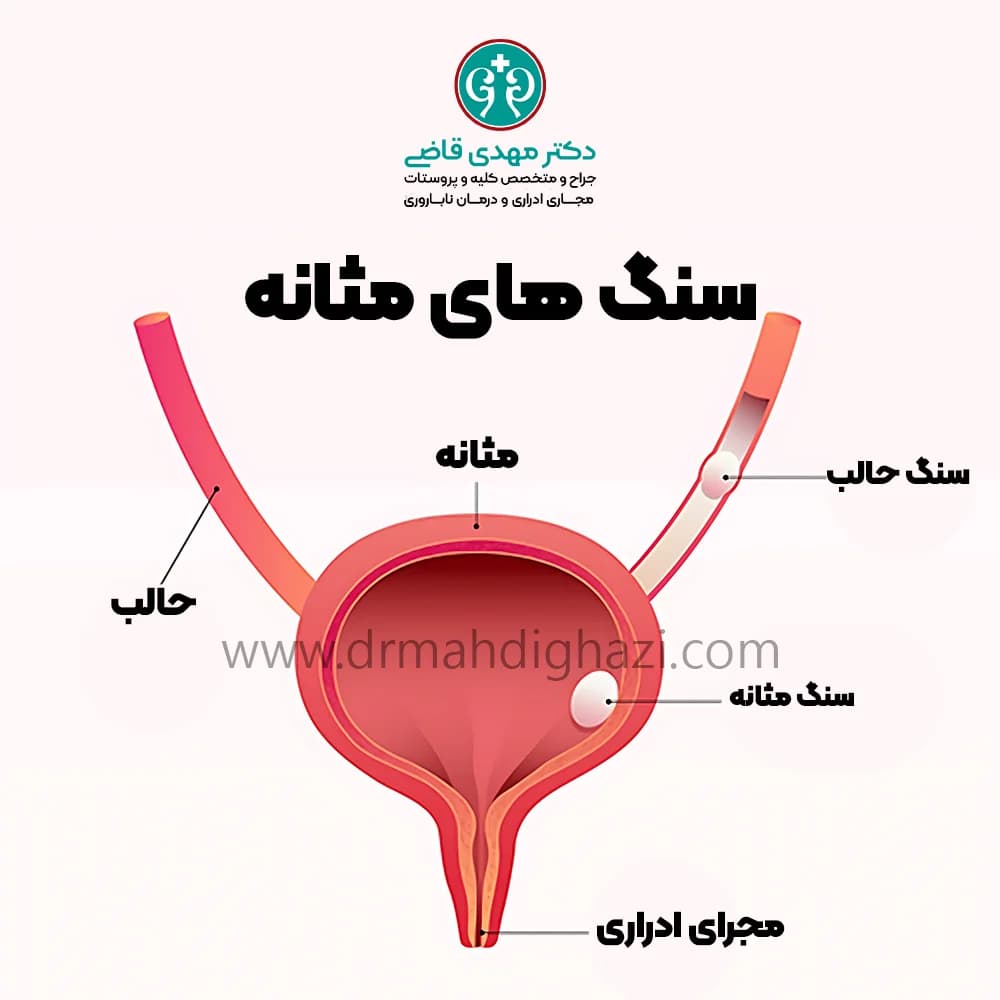
Bladder stones are urinary stones often linked to incomplete bladder emptying, dehydration, infection, prostate enlargement, or urinary obstruction.
- نویسنده
- دکتر مهدی قاضی
- Published on
- June 26, 2026
- Reading time
- 5 min read
- Last updated
- Updated: June 29, 2026
Bladder stones are a common type of urinary stone, seen especially in older men and in people with chronic urinary tract obstruction. These stones can vary widely in size and composition, and they are often made of calcium oxalate crystals.
The prevalence of bladder stones varies across regions of the world and depends on factors such as age, sex, socioeconomic status, and access to health care. In developed countries, because of better access to medical care and prevention of urinary tract infections, bladder stones are less common.
By contrast, prevalence is higher in developing countries and rural areas where access to safe water and health services is more limited.
Studies show that the global prevalence of urinary stones, including bladder stones, has increased in recent decades.
For example, a large study across 203 countries showed that the number of urinary stone cases increased by 48.57% from 1990 to 2019.
This increase may be related to several factors, including changes in lifestyle, diet, and rising obesity rates.
Statistically, older men are at higher risk of developing bladder stones. In many cases, work-related factors such as farm work, especially when accompanied by limited access to safe water and appropriate food, may also increase the risk.
In this article, we review the causes of bladder stones in detail and explain how they are diagnosed. We also discuss treatment options, including noninvasive methods, laser treatment, lithotripsy, and surgery. In addition, we cover important prevention points and lifestyle changes that may reduce the risk of stone formation. At the end, we answer frequently asked questions about bladder stones to provide practical, complete information.
What are the symptoms of bladder stones?
In the early stages, symptoms of bladder stones may be subtle and often go unnoticed until the stone irritates or obstructs the bladder. As the stone grows or changes position, clearer clinical symptoms can appear, such as lower abdominal pain, changes in urination pattern including frequency, weak stream, or a feeling of incomplete bladder emptying, blood in the urine, and even foul-smelling urine.
Recurrent urinary tract infections caused by irritation or stone-related injury are also important signs of this condition.
Timely and accurate diagnosis of these symptoms by a urologist is important so that appropriate treatment can help prevent more serious complications.
Symptoms of bladder stones can range from mild to severe and include the following:
Lower abdominal pain
This pain is usually felt in the lower abdomen and may worsen during urination. It may be intermittent and can occur after physical activity or prolonged sitting.
Urinary problems
Common symptoms include frequent urination, an urgent need to urinate, weak urine flow, and a feeling that the bladder has not emptied completely. These problems can occur when a stone obstructs the urinary passage.
Blood in the urine (hematuria)
The presence of blood in the urine is an important symptom of bladder stones and may be mild or severe. It usually occurs because stones injure the bladder wall or urinary tract.
Cloudy urine
Bladder stones can make the urine cloudy. This usually occurs because of blood, pus, or minerals in the urine and may be associated with urinary tract infection.
Foul-smelling urine
A stone in the bladder can cause unpleasant urine odor, especially when the stones have led to infection. Infection may produce pus and other substances that create a foul smell in the urine.
Recurrent urinary tract infections
Bladder stones can lead to recurrent urinary tract infections. These infections may cause symptoms such as burning with urination, fever, and foul-smelling urine.
Difficulty passing urine
Some patients may feel that the bladder does not empty completely or may have an interrupted urine stream. This can occur especially if the stone moves inside the bladder.
These symptoms require careful evaluation and diagnosis by a urologist, because they may also indicate other bladder or urinary tract diseases.
How do bladder stone symptoms differ in men and women?
Bladder stone symptoms in men and women often overlap, but some notable differences may be seen because of anatomical differences and underlying factors.
In men, bladder stone symptoms are often associated with urinary problems caused by prostate enlargement or urethral obstruction.
In men, bladder stone symptoms usually appear as follows:
Pain and pressure in the lower abdomen
Pain and discomfort in the lower abdomen may worsen while urinating.Frequent urination and weak stream
A constant urge to urinate, reduced urine stream strength, and incomplete bladder emptying.Blood in the urine (hematuria)
Hematuria usually occurs because of injury to the bladder wall or urinary tract.Difficulty starting or stopping urination
A stop-start or interrupted urine stream may result from partial obstruction of the urinary passage.
In women, bladder stone symptoms may be less specific, but several important signs can still occur.
In women, bladder stone symptoms usually appear as follows:
Frequent urination and an urgent need to empty the bladder
Frequent urination may occur because the bladder does not empty completely.Pain or discomfort in the lower abdomen
Pain may be less severe than in men.Burning during urination
Burning with urination may be caused by irritation of the bladder wall or urinary tract infection.Changes in urine color and odor
Blood or pus in the urine and an unpleasant odor may occur, sometimes with recurrent infections.
Symptoms of passing a bladder stone usually begin with lower abdominal pain, which often worsens during urination. Blood may also appear in the urine if the stone injures bladder tissue. Affected people may have frequent urination or an urgent need to urinate, and they may have difficulty emptying the bladder completely. In some cases, movement of the stone inside the bladder causes chronic pain in the pelvic or genital area, and fever may occur if infection develops.
What causes bladder stones?
Bladder stones form when minerals accumulate in the bladder, usually when the bladder does not empty completely. Urine that remains in the bladder can gradually leave deposits, and if this continues, small bladder stones can slowly become larger and more numerous.
This process may have several causes, the most important of which are listed below:
Enlarged prostate
In older men, enlarged prostate can compress the urethra and disrupt normal urine flow, leaving some urine in the bladder and causing bladder stones over time.
Bladder nerve injury (neurogenic bladder)
In people with neurogenic bladder, the nerves that control the bladder lose normal function because of spinal cord injury or neurologic diseases such as multiple sclerosis or spinal injury, making complete bladder emptying difficult. This causes urine retention and stone formation.
Long-term catheter use
Catheters, which are tubes used to drain urine, may not always help the bladder empty completely and can allow urine to remain in the bladder, leading to stone formation.
Recurrent urinary tract infections
Recurrent urinary infections can change the chemical composition of urine and create conditions for stone formation.
Structural bladder problems
Conditions such as bladder diverticulum, meaning pouch-like outpouchings in the bladder wall, or cystocele, meaning bladder prolapse toward the vagina in women, can interfere with complete bladder emptying and lead to stones.
Bladder augmentation surgery
In some cases, surgeries performed to increase bladder capacity raise the risk of bladder stone formation.
Dehydration
Inadequate fluid intake can concentrate the urine. Concentrated urine contains higher levels of minerals that can form crystals and become stones.
Unhealthy diet
High intake of foods rich in sugar, salt, or fat can negatively affect bladder health and increase the risk of stone formation.
Metabolic disorders
Diseases such as gout can increase uric acid levels in the urine, which may lead to uric acid stones.
History of urinary stones
People who have previously had kidney stones or other urinary stones are at higher risk of developing bladder stones.
Use of certain medications
Some medications can change mineral levels in the urine and increase the likelihood of stone formation.
Pelvic radiotherapy
Radiation therapy to the pelvis can damage the bladder wall and lead to inflammation and stone formation.
Parasitic infections
In some regions of the world, parasitic infections such as schistosomiasis can irritate and inflame the bladder, which contributes to stone formation.
How bladder stones are diagnosed
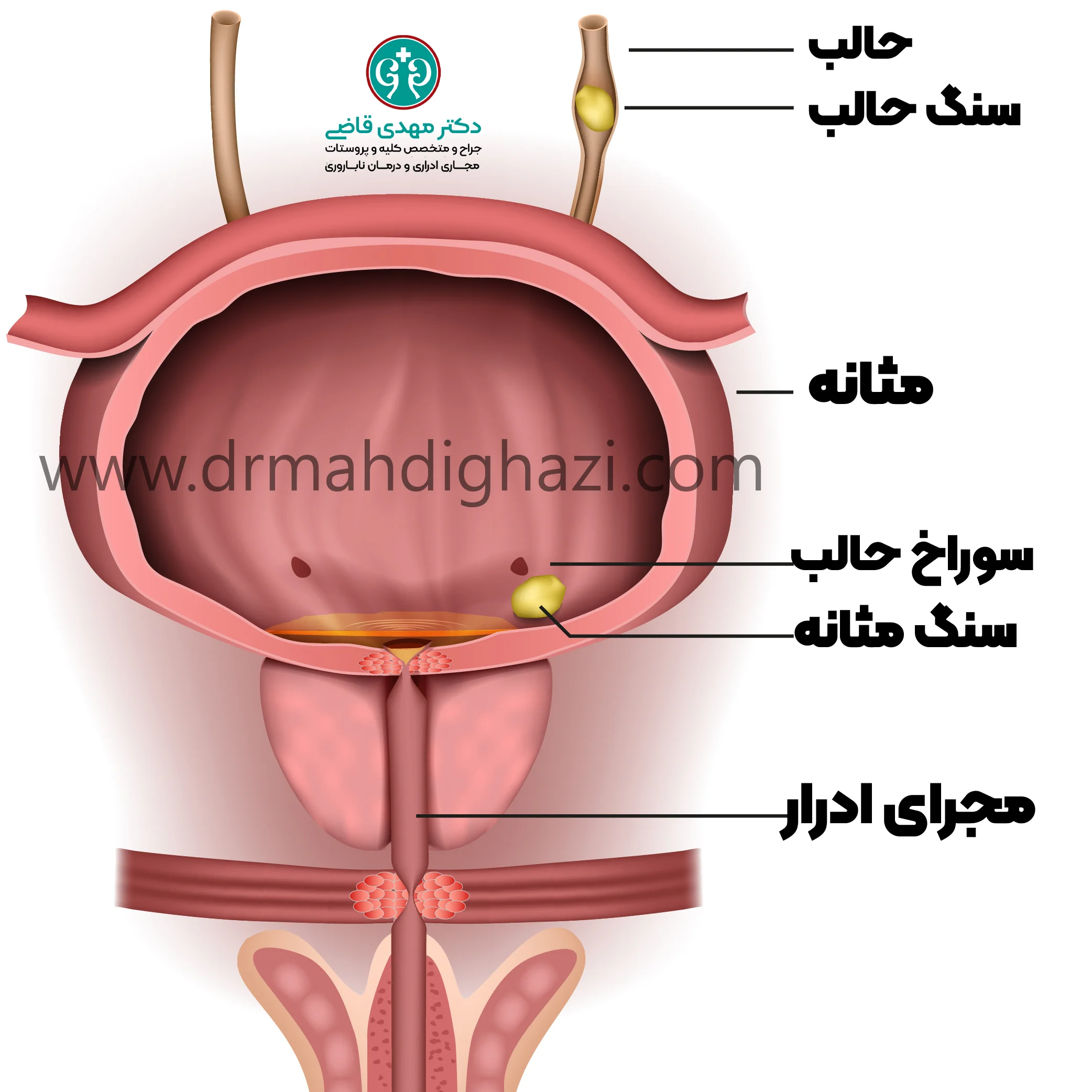
Diagnosis of bladder stones (cystolithiasis) is usually made through a combination of clinical and imaging methods. Common diagnostic methods include the following:
Urinalysis
This test is used to check for the presence of blood, bacteria, white blood cells, or crystals in the urine. The presence of a urinary tract infection (UTI) and a low urine pH may support the presence of bladder stones.
Blood tests
Although they are less often used directly to diagnose bladder stones, blood tests can provide information about levels of calcium, uric acid, and other minerals that may be associated with stone formation.
Ultrasound
Ultrasound is often used as the first-line diagnostic method for bladder stones. It is noninvasive and can identify stones accurately.
CT scan
If ultrasound alone cannot adequately demonstrate the stones or a definitive diagnosis is needed, a non-contrast CT scan is used, which helps identify stones and possible obstructions more precisely.
X-ray imaging
This method is sometimes used to detect calcium-containing stones, although it is less accurate than CT and is usually used as a complementary method.
Intravenous pyelogram (IVP)
In this method, a contrast agent is injected into a vein, and X-ray images are then taken of the kidneys, ureters, and bladder to identify bladder stones and any obstruction in the urinary system. Although this method was used more frequently in the past and has now largely been replaced by CT, it is still useful in certain specific cases.
Cystoscopy
In this method, a thin tube with a camera, called a cystoscope, is inserted through the urethra into the bladder so that the stones can be seen directly. This method aids in accurate diagnosis and even simultaneous treatment (removal of the stones).
Modern imaging methods such as CT and ultrasound are considered the primary methods for diagnosing bladder stones because they are noninvasive and highly accurate, whereas cystoscopy is usually performed for more uncertain cases or when a therapeutic intervention is needed.
What is the treatment for bladder stones?
Today, thanks to scientific and technological advances in urology, the treatment of bladder stones has become a key issue in the management of affected patients. Selecting the appropriate treatment method, depending on the size, location, and number of stones as well as the patient's clinical condition, is particularly important, because the ultimate goal is to eliminate symptoms, improve bladder function, and prevent future complications.
Below, we introduce the various treatment approaches, ranging from noninvasive methods such as hydration therapy and laser therapy to minimally invasive and open surgical procedures.
Hydration therapy for passing bladder stones
For small bladder stones, one of the simplest and least invasive methods is to drink plenty of fluids to increase urine volume and facilitate the passage of stones out of the bladder. This method can be especially effective in patients whose bladder is able to empty completely. Important points for the successful use of hydration therapy include:
Complete bladder emptying: This method is effective only if the bladder empties completely. In patients who have reduced emptying efficiency due to problems such as urethral obstruction or impaired bladder function, hydration therapy is not recommended.
Stone size: Hydration therapy is mainly suitable for small stones, because larger stones may require more specialized interventions.
Regular fluid intake: It is generally recommended that the patient drink between 2 and 3 liters of water per day, although this amount should be adjusted based on the patient's physical condition and the physician's advice. Drinking water regularly throughout the day helps prevent urine retention and increases the effectiveness of this method.
Medical supervision: Before increasing fluid intake, especially in patients with kidney or heart problems, consultation with a physician is essential to prevent possible complications.
Given the advantages of hydration therapy as a natural, low-cost method without serious side effects, it can be part of a comprehensive treatment plan for bladder stones and, in some cases, reduce the need for surgical intervention.
Endoscopic breaking of bladder stones (cystolitholapaxy)
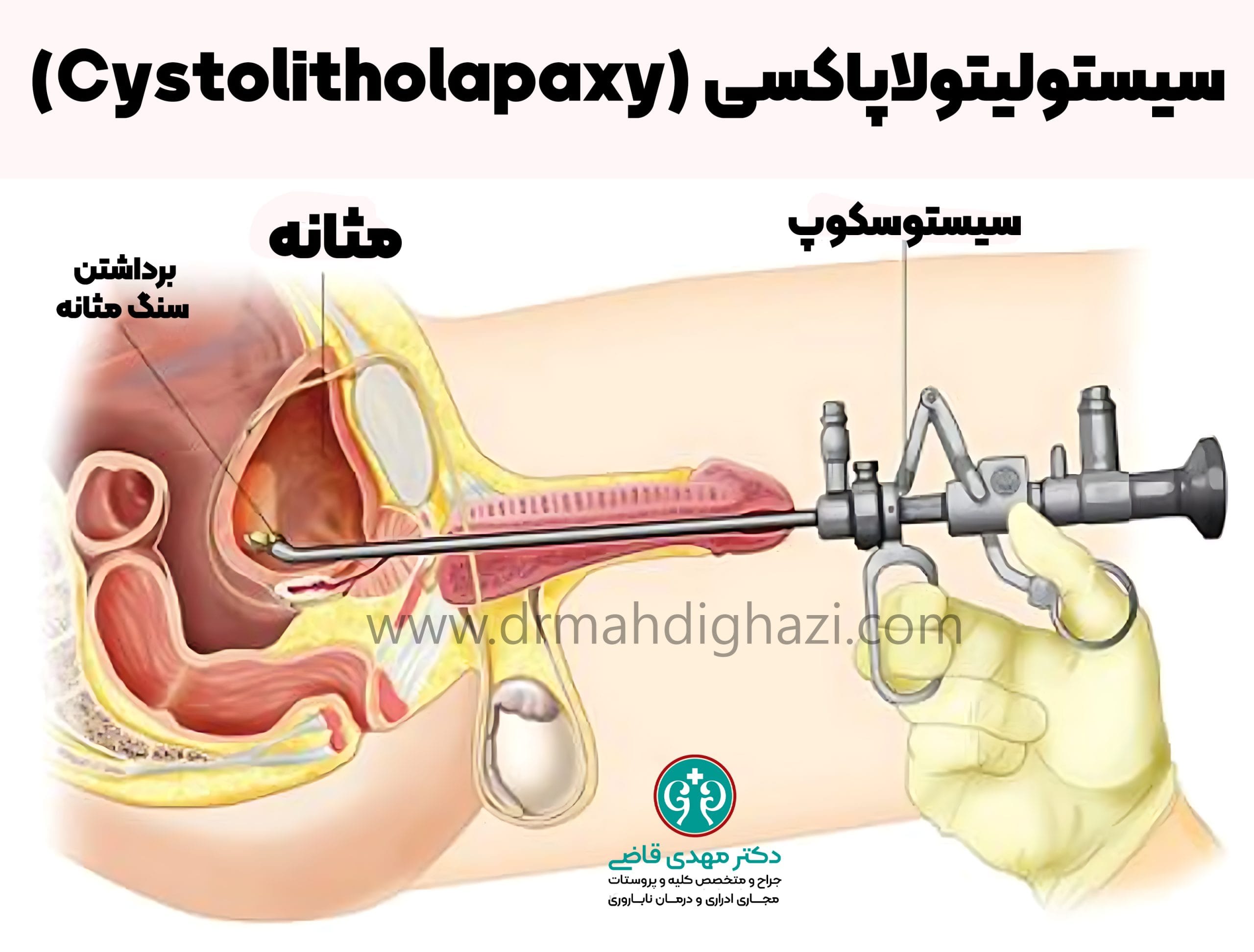
Cystolitholapaxy, also known as “endoscopic breaking of bladder stones” or “crushing bladder stones using a cystoscope,” is one of the most common surgical methods for treating bladder stones. In this method, a cystoscope (a tube-shaped instrument with a camera) is inserted into the bladder through the urethra to allow direct access to the stones. Using advanced technologies such as laser, ultrasound waves, or mechanical lithotrites, the stones are broken into smaller fragments and then removed from the bladder by suction.
This procedure is usually performed under general or local anesthesia; the choice of anesthesia depends on the patient's condition and the characteristics of the stones. Notable advantages of endoscopic breaking of bladder stones include fewer surgical complications, a shorter recovery time, and a faster return of the patient to daily activities. However, as with other surgical methods, risks such as infection, bleeding, or inadvertent injury to the bladder wall may occur in rare cases; therefore, careful medical monitoring and regular follow-up after the procedure are particularly important.
Percutaneous endoscopic breaking of bladder stones (suprapubic cystolitholapaxy)
Percutaneous Suprapubic Cystolitholapaxy, also known as suprapubic endoscopic breaking of bladder stones, is a surgical method used mainly for children or for adults who have very large stones. In this method, instead of passing the instrument through the urethra, a small incision is made in the lower abdomen and bladder to provide direct access to the inside of the bladder.
After the incision is made, endoscopic instruments equipped with advanced technologies are used to break the stones into smaller fragments, and the broken pieces are then removed from the bladder by suction. This procedure is usually performed under general anesthesia and is particularly useful when there are large stones that less invasive methods cannot resolve.
Advantages of suprapubic endoscopic breaking of bladder stones include reduced injury to the urethra, direct access to large stones, and the possibility of faster patient recovery. However, as with other surgical methods, risks such as infection, bleeding, or injury to adjacent tissues may occur in rare cases; therefore, this procedure should be performed under the careful supervision of a specialist physician and in well-equipped centers.
Open bladder stone surgery (open cystostomy)
Open Cystostomy, in other words open bladder surgery, is an invasive method recommended in cases where the bladder stones are very large or the patient has significant prostate problems. In this method, instead of using the urethra, a relatively large incision is made in the abdomen and bladder to provide direct access to the inside of the bladder and allow complete removal of the stones.
This method is usually chosen when other, less invasive methods cannot resolve the problem. In addition, open bladder surgery is often performed as part of other complex surgical interventions, such as prostate removal or correction of bladder diverticula. Although the recovery period after this method is longer than with endoscopic methods and the patient may experience more pain and discomfort, this method is considered necessary in cases where the patient's condition does not allow the use of less invasive methods.
Laser treatment of bladder stones
Laser treatment of bladder stones, as a modern and minimally invasive approach to treating this condition, uses advanced laser technology to provide a precise and reliable process for breaking up and fragmenting the stones.
In this method, the physician first enters the bladder using an endoscope and identifies the exact location of the stone. A laser-carrying optical fiber is then guided into the bladder so that laser energy can be applied in a concentrated manner to the stone. This energy breaks the stone into smaller fragments, allowing them to be passed naturally through the urinary tract.
Because of the high precision of this technique, damage to the surrounding healthy tissue is minimized, and patient recovery is faster and accompanied by less pain and fewer complications than with traditional surgical methods.
Lithotripsy with sound waves
Shock wave lithotripsy, as a noninvasive method for treating bladder stones, uses sound waves. In this method, the size, location, and composition of the stone are first determined using precise imaging (such as X-ray or ultrasound). The patient is then positioned appropriately, and the shock wave generator directs high-energy sound waves in a focused manner toward the stone. After striking the stone, these waves weaken its structure and break the bladder stones into fragments so that they can be passed through the urinary tract.
A notable feature of shock wave lithotripsy is the safety of the waves; the wave energy is focused precisely on the stone and does not affect the surrounding healthy tissue, so that the bladder stones are broken without causing harm to the body.
Treating the underlying causes of bladder stones
After bladder stones are removed, the underlying cause of stone formation must be identified and treated to prevent recurrence. For example:
Enlarged prostate: medication or surgery may be needed to reduce the complications of an enlarged prostate.
Neurogenic bladder: adjusting the type of catheter or changing the treatment method.
Bladder diverticula: if a diverticulum is present, surgery may be needed to remove these structures.
The appropriate treatment method for each patient is selected based on the size, number, and location of the bladder stones, as well as the patient's general health status. With a correct diagnosis and selection of the appropriate method, the likelihood of successful treatment is very high.
Any type of surgery carries risks such as infection and bleeding. After surgery, the patient usually stays in the hospital for one to several days and may need a catheter. Follow-up visits are very important to ensure complete removal of the stones and to prevent their recurrence.
Preventing the formation of bladder stones
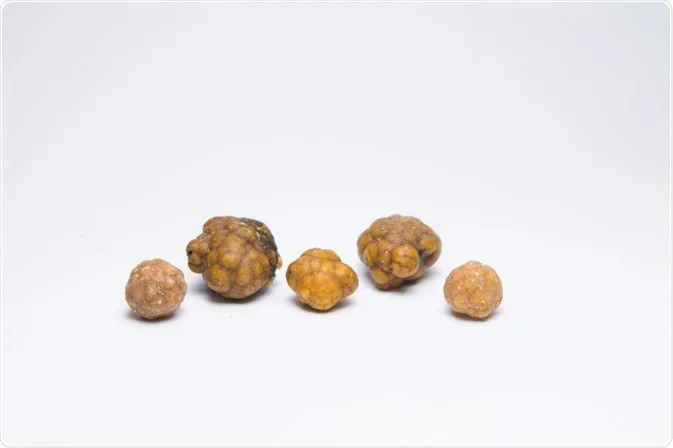
After a careful review of the symptoms, causes, and treatment methods for bladder stones, prevention is considered a key strategy for managing and reducing the risk of recurrence of this problem. In this section, we examine scientific, evidence-based strategies for preventing the formation of bladder stones.
Research shows that consistent lifestyle changes, careful dietary adjustment, and management of risk factors, including underlying diseases, can significantly reduce the likelihood of bladder stone formation.
For example, increasing water intake to dilute the urine, limiting the consumption of salt and animal protein, and maintaining careful personal hygiene are among the measures that have a positive effect in preventing bladder stones.
Below, we describe effective measures for preventing the formation of bladder stones:
1. Analyzing the composition of the bladder stone to prevent recurrence
Analyzing the chemical composition of bladder stones plays an important role in preventing the formation of more stones in the future. After a stone is removed or passed, the samples are analyzed in specialized laboratories to determine the exact composition of the constituent materials, such as calcium, uric acid, and other compounds. The results enable physicians to prevent the recurrence of bladder stones by providing precise recommendations on dietary adjustment and lifestyle changes.
For example, if the analysis shows that the bladder stone is of the calcium type, the urologist may limit the intake of salt and high-calcium food sources and recommend increasing water intake to lower the urine concentration and minimize the likelihood of mineral deposition.
This approach, in addition to helping correctly identify the type of stone, lays the groundwork for developing preventive programs and improving urinary tract health.
2. Adequate fluid intake to prevent bladder stone formation
Adequate water intake is one of the most important measures for preventing the formation of bladder stones. Increasing water intake dilutes the urine and reduces the concentration of substances such as calcium, phosphate, and uric acid, which play a role in the formation of crystals and ultimately bladder stones. In addition, drinking enough fluids improves kidney function and helps eliminate waste products more effectively.
According to the recommendations of reputable organizations such as the American Urological Association (AUA) and the National Kidney Foundation (NKF), adults should drink at least 2 to 3 liters of water per day to ensure a urine volume sufficient to prevent the formation of bladder stones. In addition to the amount of water consumed, the pattern of fluid intake is also important; drinking water at regular intervals rather than a large volume at once helps maintain a steady urine flow and prevents the accumulation of minerals in the bladder.
Of course, water needs vary depending on individual circumstances such as the level of physical activity, the ambient temperature, and the person's health status. People who live in hot environments or engage in intense physical activity should increase their water intake to prevent the urine from becoming concentrated and increasing the risk of urinary stone formation.
3. Preventing recurrent urinary tract infections
Recurrent urinary tract infections are one of the key factors in the formation of bladder stones, especially struvite stones (magnesium ammonium phosphate).
These types of stones are often caused by bacterial infections, because some bacteria raise the level of ammonium in the urine and create an environment favorable for stone formation.
To reduce the risk of urinary tract infections and thereby prevent the formation of related stones, the following points are recommended:
Maintaining personal hygiene
Proper washing of the genital area and avoiding irritants such as scented products can help reduce the entry of bacteria into the urinary tract.Complete bladder emptying
Urine remaining in the bladder creates a favorable environment for bacterial growth. People with incomplete bladder emptying (such as those with neurogenic bladder disorders or an enlarged prostate) should follow appropriate treatment strategies under a physician's supervision.Adequate fluid intake
Drinking water throughout the day increases urine volume and flow, which helps flush bacteria from the urinary tract and prevents their growth.Prompt treatment of urinary tract infections
If a urinary tract infection occurs, prompt diagnosis and treatment with appropriate antibiotics under the supervision of a urologist is essential. Failure to treat it in a timely manner can make the infection chronic and increase the risk of infective stone formation in the bladder.
Based on the recommendations of the American Urological Association (AUA) and the Centers for Disease Control and Prevention (CDC), preventing recurrent infections is not only essential for the overall health of the urinary tract but also plays an important role in reducing the risk of forming infection-related stones.
4. Managing underlying diseases to prevent bladder stone formation
Some chronic diseases can disrupt the body's mineral balance and increase the risk of bladder stone formation. These diseases include gout, diabetes, kidney diseases, and metabolic disorders such as hyperparathyroidism.
The effect of gout on bladder stone formation
In patients with gout, the level of uric acid in the blood and urine increases. This condition can lead to the formation of uric acid stones, which often form in an acidic urine environment. Controlling uric acid levels through appropriate medications, dietary adjustment (reducing the intake of animal protein and purines), and adequate fluid intake can reduce the risk of forming these stones.
Diabetes and the increased risk of urinary stones
Type 2 diabetes can cause bladder stones by changing the composition of the urine and increasing the concentration of crystal-forming substances such as calcium and uric acid. Managing blood sugar, modifying the diet, and taking medications prescribed by a physician are among the key strategies for reducing this risk.
Kidney diseases and metabolic disorders
Kidney failure and functional disorders can lead to reduced urine volume and increased deposition of minerals in the bladder.
Hyperparathyroidism (excessive parathyroid hormone) increases the excretion of calcium in the urine and raises the likelihood of forming calcium stones. Treating this disease with medications that regulate calcium levels or, in some cases, surgery on the parathyroid gland can help reduce stone formation.
Recommended measures for controlling underlying diseases :
Regular monitoring of blood and urine tests to check the levels of minerals and metabolites
Taking medications prescribed by a physician to control chronic diseases
An appropriate diet that limits the intake of salt, animal protein, and purine-rich foods
Adequate hydration to prevent the urine from becoming concentrated and to facilitate the elimination of waste products
According to the recommendations of the National Kidney Foundation (NKF) and the American Urological Association (AUA), proper management of underlying diseases is considered one of the main strategies for reducing the risk of bladder stone formation and other urinary problems.
5. Beneficial foods for preventing bladder stone formation
Diet is one of the key factors in preventing bladder stones. Reducing the intake of foods that may raise the levels of minerals and crystals in the urine can be effective. For example:
Reducing salt intake
Excessive salt intake can increase calcium in the urine and raise the risk of forming calcium stones. Limiting the consumption of salty and processed foods is recommended.Limiting the intake of animal protein
High intake of animal protein (such as red meat and fish) can increase the level of uric acid in the urine and raise the risk of forming uric acid stones.Increasing the intake of fiber and vegetables
A diet rich in fiber and vegetables can help reduce the risk of forming urinary stones. Leafy vegetables and magnesium-containing foods help improve kidney function and mineral balance.
6. Physical activity and movement reduce the likelihood of bladder stone formation
The effect of physical activity on reducing the risk of bladder stone formation
Physical inactivity and a sedentary lifestyle are among the factors that increase the risk of bladder stone formation. Insufficient activity can reduce urine flow, increase the likelihood of urinary retention, and lead to the accumulation of minerals in the bladder, ultimately creating conditions favorable for stone formation.
The role of exercise in improving urinary tract function
Regular exercise increases blood flow to the kidneys and bladder and improves the function of these organs. Physical activity can also:
Accelerate the process of eliminating waste products from the body.
Facilitate more complete emptying of the bladder.
Prevent urine stasis and an increase in the concentration of minerals in the bladder.
The link between obesity and bladder stone formation
Obesity is considered a risk factor for urinary stones. Overweight people usually have higher levels of uric acid in their blood and urine, which can increase the likelihood of forming uric acid stones. Regular physical activity helps control weight and prevents the metabolic problems associated with bladder stone formation.
The best exercises for reducing the risk of bladder stones
Light and moderate physical activities such as walking, cycling, swimming, and yoga can help improve kidney and bladder function. In addition to enhancing blood circulation, these exercises help regulate the body's metabolism and reduce inflammation associated with urinary diseases.
7. Preventing urinary retention reduces bladder stone formation
Urinary retention is one of the main factors in the formation of bladder stones. People who, due to underlying conditions such as enlarged prostate, neurogenic bladder disorders, or long-term catheter use develop urinary retention are more susceptible to this complication. Urine remaining in the bladder increases the concentration of minerals and leads to the formation of deposits, which ultimately results in bladder stones.
Benign prostatic hyperplasia (BPH) is one of the common problems in older men; by blocking the bladder outlet, it makes urination difficult. Under such conditions, the likelihood of bladder stone formation increases. Men who experience symptoms of frequent urination, weak stream, or urinary retention should see a physician so that appropriate medical or surgical treatment can prevent complications such as bladder stone formation.
In addition, in patients who require continuous use of a urinary catheter, following hygiene and care principles can prevent the accumulation of deposits and the formation of bladder stones. Measures such as:
Regular catheter replacement to reduce the likelihood of infection and mineral deposition
Ensuring complete bladder emptying through correct catheter adjustment
Drinking enough fluids to prevent the urine from becoming concentrated and forming stones
Strategies for reducing the risk of urinary retention:
To prevent bladder stones in people at risk of urinary retention, it is recommended to:
See a physician if symptoms of enlarged prostate appear, in order to receive appropriate treatment
Empty the bladder completely with the help of methods such as the Credé maneuver or the use of medications that improve bladder function
Manage underlying conditions such as diabetes and neurogenic bladder disorders
The importance of periodic check-ups for people with a history of bladder stones
People who have a history of bladder stones or are at high risk of this complication should undergo regular medical evaluation. Performing periodic tests such as urinalysis, ultrasound, or CT can help with early diagnosis and the prevention of complications.
According to the recommendations of the World Health Organization (WHO) and the National Institute of Diabetes and Digestive and Kidney Diseases (NIDDK), these patients should undergo a medical evaluation at least once a year. In high-risk cases, such as people with metabolic diseases, diabetes, or an enlarged prostate, these visits should be carried out at shorter intervals. The physician can prevent the recurrence of stones by adjusting the diet, managing underlying diseases, and prescribing medication if necessary.
Conclusion
Bladder stones are a common urinary tract problem that can cause pain, frequent urination, burning, and, in severe cases, recurrent infections and urinary tract obstruction. This condition is usually caused by incomplete bladder emptying, chronic infections, prostate problems, the presence of a foreign body, and certain metabolic diseases.
It is diagnosed through urinalysis, ultrasound, CT, and cystoscopy.
Treatment varies depending on the size and type of the stone and includes drinking plenty of fluids, drug therapy, lithotripsy with laser or sound waves, and, in some cases, surgery.
To prevent bladder stones, it is recommended to drink enough water throughout the day, reduce the amount of salt and animal protein in the diet, and ensure complete bladder emptying.
In addition, regular check-ups are essential for people who are at higher risk.
If symptoms such as pain during urination, a change in urine color, or a feeling of incomplete emptying are observed, seeing a physician is recommended.
Frequently asked questions
Actions & related links
Doctors for this topic in Mashhad
See all doctors: Best Prostate Specialists in Mashhad




About the author

Urologic Surgeon
دکتر مهدی قاضی, Urologic Surgeon in Mashhad. Articles on this site are written and reviewed under the supervision of the Urology Building's physicians.
View profile & bookRelated articles
All articlesWhat Is Polycystic Kidney Disease? (Fetal and Adult PKD)
دکتر مهدی قاضی · June 26, 2026
What Is a Renal Cortical Cyst? Symptoms, Diagnosis, and Treatment
دکتر مهدی قاضی · June 26, 2026
Kidney Transplant: Cost, Blood Type Compatibility, and Surgical Method
دکتر مهدی قاضی · June 26, 2026
What Is Pyelonephritis? Kidney Infection Symptoms, Diagnosis, and Treatment
دکتر مهدی قاضی · June 26, 2026
Comments
0 comments
No comments yet. Be the first to share your thoughts.