 Tap to zoom
What Is Acute Kidney Failure? Symptoms, Treatment Stages, and Diet
- نویسنده
- دکتر مهدی قاضی
- Published on
- June 26, 2026
- Reading time
- 5 min read
- Last updated
- Updated: June 26, 2026
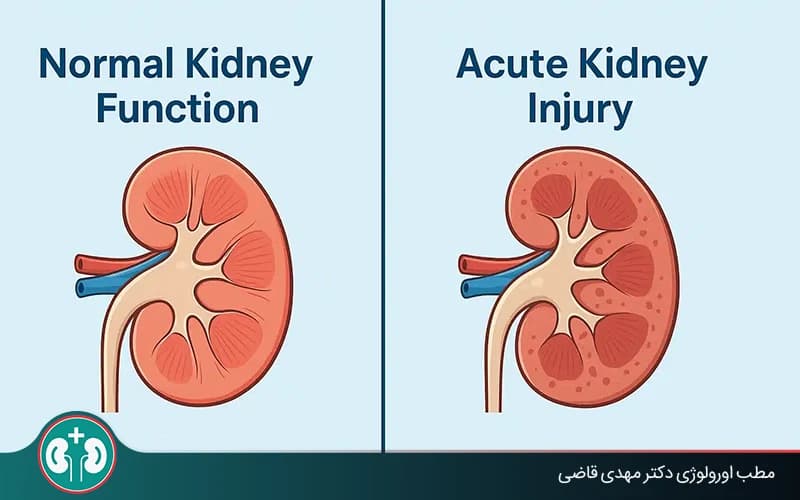
acute kidney failure or Acute Kidney Injury (AKI) When the function of the kidneys suddenly decreases. In these conditions, kidneys can no longer effectively remove waste from blood or maintain balance of fluids and electrolytes.
This disorder may go through hours to a few days It is created and is a medical emergency.
Kidney and ureteral stone treatment: ESWL, laser and PCNL Kidney stone lithotripsy in Mashhad
Note: To improve care quality and patient satisfaction, appointments are triaged by reason for visit. Each physician sees patients within the relevant urology subspecialty.
Book appointment
In many patients, however In case of rapid diagnosis and appropriate treatment of the underlying cause Kidney function can return completely or relative to normal.
When is the risk of acute kidney failure
Doctors usually suspect acute kidney failure when there is one of the following criteria:
Increased blood creatine at least 0.3 mg/dL (A warm in a dB) During the course 48 clock
Increased creatine to 1.5 equal or greater than the basic amount 7 Day of Day
Reduced urine volume to less than 0.5 ml per kilogram of body weight per hour At least 6 The clock continues
These criteria are defined by international guidelines for acute kidney failure detection and help the doctor evaluate the severity and speed of disease progression.
Appointments related to Kidney and ureteral stone treatment: ESWL, laser and PCNL Kidney stone lithotripsy in Mashhad
Open the public booking path to review times and related information.
Book appointment
What is the difference between acute and chronic kidney failure

All of them Generally, two types acute and Chronic chronic chronic divided in terms of view Speed of incidence, cause, disease and reversible rate They have important differences with each other.
1. ACUTE KIDNEY FAILURE (AKI)
Acute kidney failure is said to a sudden reduction in kidney function, which may arise within hours to a few days. In this case, the kidneys cannot properly repel waste or maintain the balance of fluids and electrolytes in the body.
Severe failure is associated with symptoms such as the following:
Q&A — Kidney and ureteral stone treatment: ESWL, laser and PCNL Kidney stone lithotripsy in Mashhad
General questions are shown on the destination page after review.
Book appointment
Reduced urine volume
swelling or face
Extreme fatigue and weakness
Shortness of breath (due to fluid accumulation)
nausea or confusion
Heart rhythm disorders (usually due to increased blood potassium)
From the most common causes of acute kidney failure can be pointed to the following:
Extreme infections and latersis
Severe reduction in blood volume or blood pressure drop
Sudden injuries (disturf, burns, heavy surgeries)
Taking certain medications or toxic substances for all
In many patients, acute kidney failure reversible With rapid diagnosis and proper treatment of the underlying cause, kidney function can improve.
2. CHRONIC KIDNEY FAILURE (CKD)
Chronic kidney failure gradually and progressively It usually develops over the months or years; in this disease, the function of the kidneys is reduced and the damage caused is often caused by damage permanent It is.
The most common causes of chronic kidney failure are the words:
diabetes
High blood pressure
Gloria disease
inherited kidney diseases
Some chronic systemic diseases
WITH THE PROGRESSION OF CKD, KIDNEY TISSUE GRADUALLY SUFFERS Fiber (Founding) This process will result in a permanent decrease in the number of healthy people and an irreversible decline in kidney function. If not controlled, the disease can lead to complete kidney failure and the need for dialysis or transplants.
THE MAIN DIFFERENCE BETWEEN AKI AND CKD IN SHORT
AKI: A sudden start, often reversible, requires immediate treatment
CKD: Slow progress, usually irreversible, requires long-term control
Signs and symptoms of acute kidney failure
acute kidney failure in many cases – especially in the early stages – Without a clear sign And often only through Blood tests and urine reviews It is diagnosed. For this reason, regular monitoring of kidney function in high-risk people or hospital hospital patients is of great importance.
In the early stages, usually creatine and blood They find it even when the patient doesn’t have a clear sign.
Signs of acute kidney failure with disease progression
As acute kidney failure progresses, the following symptoms may appear:
Changes in the volume of urine (reduction of urine or full cut)
swelling of legs, face or stomach due to the accumulation of fluid
Extreme fatigue and sudden weakness
nausea and vomiting
confusion, confusion, or decreased focus
Bad breath or metallic taste in the mouth (a combination of accumulation of waste)
Shortness of breath or chest pain (in effect of excess fluid load or hybrid effects)
A sudden increase in blood pressure due to water retention and sodium retention
Severe symptoms such as seizures, low levels of alertness and continuous sex
IN HOSPITAL HOSPITAL PATIENTS, ESPECIALLY IN THE SPECIAL CARE DEPARTMENT (ICU) Regular control of blood creatine and careful monitoring of urine volume It plays a key role in early detection of acute kidney failure and start treatment time.
Important Warning: Ignoring symptoms of acute kidney failure can be a risk Permanent damage of the kidneys If any of these symptoms are observed, quick visits to the doctor are essential.

What are the common causes of acute kidney failure
Acute kidney failure can be caused by different reasons. Some of these causes are directly related to kidney tissue damage and others are linked to reasons that Blood flow or urine withdrawal from the kidneys.
In general, the causes of acute kidney failure are divided into three main categories:
1. Causes of prerenal AKI
Pronal causes are told to problems that cause Reduce blood flow and oxygen to all They become. This category The most common cause of acute kidney failure It is considered.
The most important causes of pre-domination are the following:
Low water in the body (hygien, vomiting, excessive sweating)
Heavy bleeding and reduced blood volume
Hypovolemic or septic shock
Heart failure and reduced blood pumping power
A severe drop in blood pressure
In this situation, if the blood is not amended on time, kidney damage may be removed from a reversible state.
2. Causes of kidney (Intrinsic AKI)
In this group, direct damage kidney tissue They enter. Common causes can be cited as:
Acute tubular necrosis
The sudden damage of kidney cells, usually caused by prolonged reduction in blood flow or the use of toxic substances and medications for the kidneys.
acute glumerolone
The sudden inflammation of glutamols (blood filter units in the kidneys)
Acute interlocutor
The inflammation of the space between kidney pipes that often occurs in response to medications or infections.
Extreme viral infections
Some viruses, including Koid-19, can cause kidney damage directly or indirectly.
Taking drugs from minoxidCo
Like:
Non-inflammatory drugs (NSAIDs)
Some antibiotics
Materials used in imaging (especially in prolonged consumption or in high-risk patients)
3. Postrenal AKI
Causes of renals are created when The flow of urine from the kidneys It becomes. This blockage can occur anywhere in the urine path.
Common causes are expressions:
kidney stone or stone
benign prostatic hyperplasia (non-cancerous prostate enlargement)
Blocking tumors (such as bladder or prostate cancer)
blockage of blood clot
Rapid detection and removal of blockages in these cases play an important role in preventing permanent kidney damage.

People are prone to acute kidney failure
In addition to the direct factors of the creation. acute kidney failure, some people because of Physical conditions, age, or former underlying diseasesMore than others are exposed to this problem. Identifying these groups is an important role Prevention, regular monitoring and early detection He has severe kidney failure.
High-risk groups are:
1. The elderly
Generally in the elderly More common than other age groups is by increasing age, kidney function naturally decreases and their ability to adapt to acute stress is lower.
2. People with diabetes or high blood pressure
These diseases with damage to kidney vessels increase the risk of acute kidney failure, especially if there is chronic kidney damage.
3. People with former heart disease
Heart failure and a reduction of over ten hearts can reduce the blood flow of the kidneys and cause acute kidney failure.
4. HOSPITAL PATIENTS, ESPECIALLY AT ICU
Shock, severe infection (Spsis), heavy surgeries and taking certain medications in these patients significantly increases the risk of acute kidney damage.
5. Pregnant women with high-risk conditions
Disorders such as preeclampsia, severe bleeding or gestational infections can lead to acute kidney failure in rare cases.
6. obese individuals or with metabolic syndrome
Obesity indirectly and through increased diabetes risk, high blood pressure and heart disease increases the likelihood of acute kidney failure.
How does acute kidney failure diagnose

acute kidney failure detection is usually based on Now, a clinical examination and a set of tests It is done. Depending on the condition of the patient, the doctor may use a few diagnostic procedures simultaneously or stages.
Main methods of acute kidney failure detection
The main methods of acute kidney failure detection include a set of clinical tests and reviews that help the doctor to diagnose a sudden decrease in kidney function and its cause correctly.
1. Blood tests
THE MOST IMPORTANT DIAGNOSTIC INDICATOR OF ACUTE KIDNEY FAILURE IS TO INCREASE BLOOD CREATINE LEVELS. GROWING UP (BUN) IS ALSO COMMONLY SEEN AND PROVIDES ADDITIONAL INFORMATION ABOUT THE SEVERITY OF KIDNEY DYSFUNCTION.
2. Measure the size of the urine
Severe reduction in urinary volume (Oliguria) or urinating cut (Onuria) is one of the most important signs of acute kidney failure and plays a key role in diagnosing and monitoring the disease.
3. urine test (Urinalysis)
A urine review can help diagnose the type of failure. The presence of things like blood, protein, cells or abnormal cylinders can indicate kidney damage.
4. A full ultrasound and urinary tract
Ultrasound is a noninvasive and safe method used to check the blockage of urinary tracts, size and structure of kidneys, especially in suspected cases of post-nal failure.
5. CT scans
CT scans are only requested at certain times, such as doubting complex blockages, stone or traumatic injuries, and are not routinely applied to acute kidney failure detection.
6. A kidney biopsy
In rare and complex cases where the cause of failure is not specified in common ways or suspected specific kidney diseases, kidney biopsy may be done.
Note: If you need CT scans, this review is preferably without injection We're the guardian It is done.
The material is a substance used to make images clearer in some imagings and because it is repelled through the kidneys, it can exacerbate kidney damage in patients with acute kidney failure.
How is acute kidney failure treatment
The treatment of acute kidney failure is determined depending on the cause of the cause and severity of the damage. In many cases, quick and appropriate measures can prevent permanent kidney damage.
The doctor usually focuses on four main axes, the most important of which is to remove or control the underlying cause of the disease; for example, low-hydration compensation, treatment of infections, modify blood pressure or control heart problems. On the other hand, maintaining the remaining function of the kidney is of great importance and involves actions such as avoiding harmful medications for all (hutoxins), regulating and controlling the amount of fluid and continuous monitoring of kidney function.
Another axis of treatment is to prevent the progression of kidney damage. This goal is followed by regular monitoring of blood and urine tests and taking the necessary support measures to prevent injury escalation and keep the patient’s conditions as stable as possible.
1. MANAGING COMPLICATIONS FROM AKI Fluid therapy and drug treatment
This phase of treatment involves hypercalemia control (increased blood potassium), metabolic acid and the accumulation of fluids and the creation of swelling; problems that can seriously threaten the patient’s lives if they are not controlled.
In acute kidney failure treatment, the doctor uses different medicinal and supportive methods due to the mood of the patient. The goal of these treatments is to maintain the remaining function of the kidneys, modify liquid disorders and electrolytes, and prevent severe complications.
The main treatments for acute kidney failure include a set of targeted measures that, according to the cause of the disease, the severity of the patient’s kidney and present general damage to prevent the progression of damage and maintain kidney function.
1- Fluid therapy (IV fluids) or limit of fluids
In case of low blue or low blood pressure, proper serum injection improves kidney blood flow and regulates body water. In the event of excessive fluid retention, limiting fluid intake helps control swelling and pressure on the kidneys.
2 The urine (Diuretic)
For patients who have enough fluids, diuretics can increase the amount of urine and reduce the accumulation of body fluids. Taking diuretic in low-water or low-pressure patients may worsen kidney damage.
Control of blood potassium levels
To prevent heart arrhythmias from hypercalemia.
Control of blood pressure
Prevent further damage to the kidneys and maintain proper blood flow.
Antibiotics or Corton
If an infection or underlying disease such as glomerulonephritis, they are used to treat the underlying cause. Choosing the medication should be due to kidney function and avoiding venoxic medications.
Calcium and carbonless supplements
In certain cases where severe metabolic acid or electrolyte disorder exists, they are used to correct calcium levels and acid balance.
Type of treatment | Target treatment |
|---|---|
Treatment or restriction of fluids | Low blue reform or control of fluid retention |
Diuretics | Increased urine volume and reduce pressure on all |
Control of potassium | Preventing heart arrhythmias |
Control of blood pressure | Maintain kidney blood flow and prevent further damage |
Antibiotic or Corton | Treatment for a cause without further injury to all |
Calcium and carbonless supplements | Control of acid and correct electrolyte disorder |
2. dialysis
In cases where acute kidney failure is severe and medical and supportive treatments can’t control the complications and symptoms of the disease, the doctor may do dialysis He knows it essential. The aim of dialysis in this position involves:
Remove collected waste in the blood, such as Or and creatine
Extensive bodily fluids to prevent swelling, limbic Edema and shortness of breath
Repair electrolyte disorders, especially increased potassium, which can cause dangerous heart arrhythmias
Control of severe symptoms such as nausea, itching, decreased alertness or seizure levels.

In terms of treatment, dialysis is performed in two forms:
1. Provisional dialysis (Vanium):
It continues in acute kidney failure until the recovery of kidney function, and is interrupted in many patients after the removal of the underlying factor.
2. Long-term dialysis:
If kidney damage is irreversible or kidney function does not improve, the patient may need long-term dialysis.
Types of dialysis in terms of the method
Dialysis is done in terms of blood equality and waste disposal in various ways, depending on the patient’s conditions, the severity of kidney failure and the general state of the body.
Hemodialysis
THE MOST COMMON METHOD OF DIALYSIS IS IN ACUTE KIDNEY FAILURE. IN THIS PROCEDURE, THE BLOOD GOES OUT OF THE BODY, PASSES THROUGH THE SPECIAL FILTER OF THE DIALYSIS MACHINE, AND RETURNS TO THE BODY AFTER REMOVING WASTE AND REGULATING ELECTROLYTES. HEMODIALYSIS IS USUALLY PERFORMED IN PATIENTS, ESPECIALLY IN THE SPECIAL CARE (ICU).
Peritoneal Dialysis
In this method, the inside of the stomach functions as natural filters. Although the use of osteotic dialysis is less common in acute kidney failure, in some cases – such as children or patients with volatile homodynamics – can be used as an alternative method.
Time to start dialysis
The decision to start dialysis in acute kidney failure is not based solely on the number of creatine or aur, but the doctor will examine a set of clinical symptoms and dangerous disorders simultaneously.
The most important criteria that indicate that the patient needs dialysis are:
resistant hyperkalemiaHigh blood potassium that is not controlled by medicinal treatment and can lead to heart arrhythmias
severe metabolic acidDangerous reduction of blood pH that does not respond to conventional treatments
The signSymptoms such as seizures, ancephaalopathy, or amyonic procardia
The size addedThe accumulation of fluids, especially the lung that does not respond to diuretics
Disorder in the functioning of vital organsLike heart conflict, brain or lungs from kidney failure.
Important points:
In most patients with acute kidney failure, dialysis is an action temporary It is and cut off by improving kidney function.
However, if the kidney damage is irreversible, dialysis is recyclable permanent It will continue to be provided if possible.
3. All the links
In rare cases, severe kidney failure is damaged completely irreversible The patient needs constant dialysis All the links as The final treatment option It is recommended to restore kidney function.
Care after discharge and follow tests
After recovering from acute kidney failure, careful follow-up and daily care play a vital role in maintaining kidney function and preventing re-harm.
Proper change of kidney patients
Proper diet compliance helps reduce kidney load and prevent complications. Common recommendations include:
Control the amount of protein to reduce crop production
Limiting potassium, sodium and phosphorus to prevent electrolyte disorders
Provide sufficient energy to prevent muscle catabolism
Setting fluid intake based on the amount of urine and doctor’s recommendation.
Restricted and limited food:
authorized | Limited / prohibited |
|---|---|
Low fruits of potassium (apple, peach, grapes, berries) | Fruits of Perpetam (music, orange, avocado) |
Quality Protein: Eggs, Skinless Eggs,cooked Fish | High-fat red meat, canned products, sausages and Kalbas. |
Drink water according to your doctor | High intake of fluids in patients with fluid retention (dem) |
cooked and cooked vegetables (after wet) | raw vegetables or high potassium such as spinach and potatoes |
cereal without bras, white rice, white bread | Sold cereals with high phosphorous and potassium |
Predicting the disease and complications of acute kidney failure
Even if kidney function returns to normal after acute failure, patients are still exposed to long-term complications. This risk is especially in people who have underlying diseases such as diseases diabetes or High blood pressure They have more, more.
Among the common complications can be noted:
Increased risk of cardiovascular diseaseIncludes heart failure, heart attack and other cardiovascular problems
progress to chronic kidney failure (CKD) The likelihood of permanent reduction in kidney function in the future
More sensitivity to venoxic medicationsDrugs that may damage the kidneys
Reducing the ability of the kidneys to regulate fluids and electrolytes: Increased risk of fluid retention or electrolyte disorders.
The collection
Acute kidney failure is an emergency condition that A sudden reduction in kidney function He has it with him. Early detection through Blood tests and urine And identifying alarming symptoms provides the possibility of beginning timely treatment and in many cases prevents permanent damage.
The treatment method should Due to the underlying cause Selected, but the goal always includes Control of underlying factors and prevent complications from acute kidney failure It is.
Finally Continual medical pursuit and lifestyle reform It plays a key role in maintaining kidney health and preventing disease from returning.
Common Questions
Actions & related links
Doctors for this topic in Mashhad
See all doctors: Best Urologists in Mashhad




About the author

Urologic Surgeon
دکتر مهدی قاضی, Urologic Surgeon in Mashhad. Articles on this site are written and reviewed under the supervision of the Urology Building's physicians.
View profile & bookRelated articles
All articlesWhat Is Polycystic Kidney Disease? (Fetal and Adult PKD)
دکتر مهدی قاضی · June 26, 2026
What Is a Renal Cortical Cyst? Symptoms, Diagnosis, and Treatment
دکتر مهدی قاضی · June 26, 2026
Kidney Transplant: Cost, Blood Type Compatibility, and Surgical Method
دکتر مهدی قاضی · June 26, 2026
What Is Pyelonephritis? Kidney Infection Symptoms, Diagnosis, and Treatment
دکتر مهدی قاضی · June 26, 2026
Comments
0 comments
No comments yet. Be the first to share your thoughts.