
 برای بزرگنمایی لمس کنید
سیستیت هموراژیک چیست و چطور درمان میشود؟
- نویسنده
- دکتر مهدی قاضی
- تاریخ انتشار
- ۱۳ مهر ۱۴۰۴
- زمان مطالعه
- ۶ دقیقه مطالعه
- آخرین بهروزرسانی
- بهروزرسانی: ۲۹ تیر ۱۴۰۵
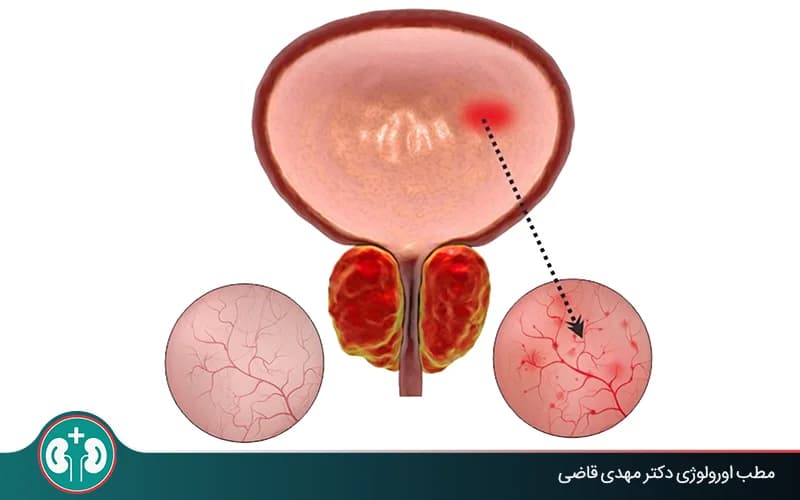
سیستیت هموراژیک (Hemorrhagic Cystitis)، نوعی التهاب خفیف تا شدید در دیوارۀ داخلی مثانه است که باعث خونریزی ادراری قابل مشاهده با چشم (هِماچوری ماکروسکوپی) میشود.
این بیماری بر اثر داروها و روشهای درمان سرطان و عوامل عفونی ایجاد میشود و بهدلیل شدت خونریزی، نیازمند کنترل، تشخیص و درمان اورژانسی است.
در این مطلب به شما میگوییم علائم سیستیت هموراژیک چیست و بعد روشهای تشخیص و درمان آن را مرور میکنیم. همراه ما باشید.
عفونت مثانه، مثانهٔ بیشفعال، بیاختیاری و تومور مثانه درمان بیماریهای مثانه در مشهد
توجه : بر اساس علت مراجعه و به منظور افزایش کیفیت و رضایتمندی بیماران , پزشکان این مجموعه در حوزه مرتبط بیماران را ویزیت میکنند.

رزرو نوبت
علائم سیستیت هموراژیک
علائم این بیماری بسته به شدت آسیب مثانه و میزان خونریزی میتواند خفیف یا شدید و خطرناک باشد؛ در هر دو صورت، بیمار به رسیدگی پزشکی نیاز دارد.
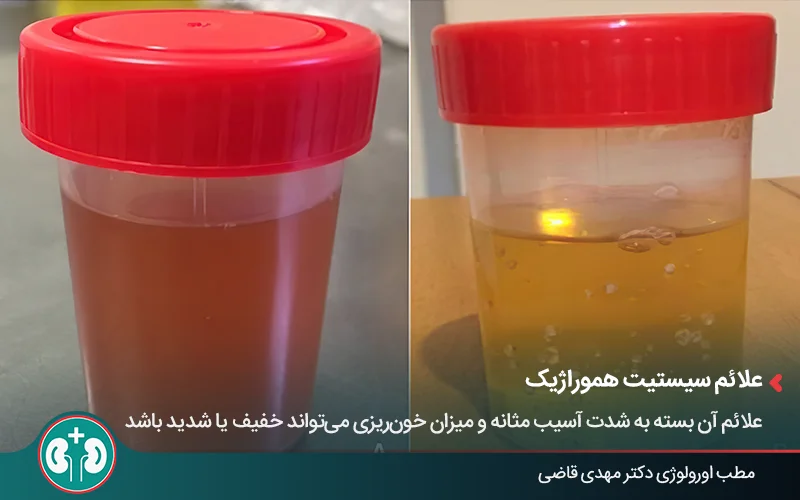
خونریزی واضح ادراری (هماچوری ماکروسکوپیک): تغییر رنگ ادرار و احتمال وجود لختهخون؛
علائم ناشی از التهاب: سوزش، تکرر و فوریت ادراری؛
نشانههای انسداد مجرا یا احتباس ادرار: احساس عدم تخلیه کامل مثانه، درد شدید؛
علائم مربوط به خونریزی شدید: احساس سرگیجه، ضعف شدید یا از حال رفتن.
تفاوت علائم التهاب سادۀ مثانه (سیستیت) با سیستیت هموراژیک چیست؟
هِماچوری (Hematuria) و شدت آن مهمترین تفاوت بین علائم التهاب مثانۀ ساده و سیستیت هموراژیک است:
التهاب سادۀ مثانه ممکن است باعث خون در ادرار شود؛ اما اغلب مقدار خون آنقدر ناچیز است که فقط با میکروسکوپ مشخص میشود؛ به چنین مواردی «هماچوری میکروسکوپیک» میگویند.
سیستیت هموراژیک با «هماچوری ماکروسکوپیک» همراه است؛ یعنی رنگ ادرار به وضوح تغییر میکند (صورتی یا قرمز روشن - قهوهای تیره) و حتی ممکن است لختهخون نیز در ادرار دیده شود.
دلایل بروز سیستیت هموراژیک مثانه چیست؟
این بیماری عوامل متعددی دارد که در ۲ گروه عفونی و غیرعفونی قرار میگیرند. در اغلب موارد، بیماری از نوع غیرعفونی است و بر اثر شیمیدرمانی و پرتودرمانی ایجاد میشود؛ عامل عفونی نیز ویروس، باکتری یا قارچ است. باتوجه به علت عارضه، ممکن است بیماری بعد از ۴۸ ساعت، چند هفته و حتی چند سال ایجاد شود.
دلایل بیماری سیستیت هموراژیک چیست؟ | |||
|---|---|---|---|
نوع سیستیت هموراژیک | علت | سرعت بروز علائم | بازۀ زمانی معمول |
غیرعفونی | شیمیدرمانی و داروهای مرتبط | زودهنگام | ۴۸ ساعت |
پرتودرمانی | دیرهنگام | میانگین ۳۵ ماه | |
پیوند مغز استخوان | دیرهنگام | تا ۲ الی ۳ ماه پس از پیوندگیری | |
عفونی | ویروس BK | دیرهنگام | دارای دوران نهفتگی | در بیماران ضعف ایمنی و کسانی که پیوند دریافت میکنند و داروهای سرکوب ایمنی مصرف میکنند فعال میشود. |
شیمیدرمانی و داروهای مرتبط
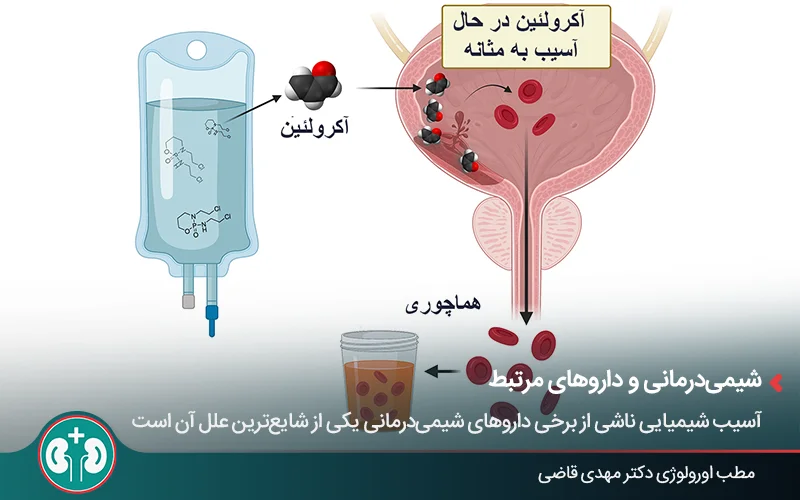
آسیب شیمیایی ناشی از برخی داروهای شیمیدرمانی یکی از شایعترین علل سیستیت هموراژیک است. بهطور خاص، داروهایی مانند سیکلوفًسفامید (Cyclophosphamide) و ایفًسفامید (Ifosfamide)، از عوامل اصلی این عارضه هستند. این داروها پس از ۴۸ ساعت و طی کردن مراحل زیر باعث خونریزی مثانه شوند:
داروها در کبد تجزیه میشوند و مادهای سمی به نام آکرولِئین (Acrolein) تولید میشود.
آکرولئین از راه خون به دستگاه ادراری و در نهایت به مثانه میرسد؛ درنتیجه، دیوارۀ داخلی مثانه در معرض این مادۀ سمی قرار میگیرد.
آکرولئین با آسیب زدن به DNA سلولها باعث مرگ سلولی (نِکروز - Necrosis) میشود. نتیجۀ این فرایند التهاب، زخم و خونریزی شدید دیوارۀ مثانه است.
پرتودرمانی
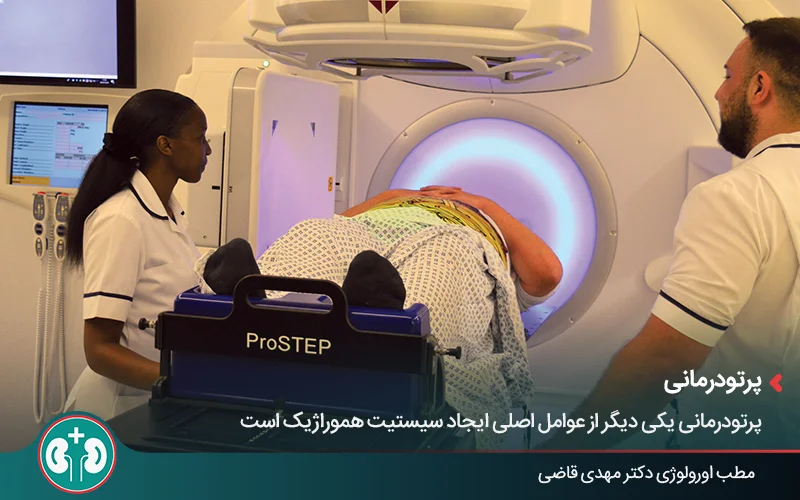
پرتودرمانی یکی دیگر از عوامل اصلی ایجاد سیستیت هموراژیک است و طی فرایند زیر باعث خونریزی مداوم دیوارۀ مثانه میشود:
آسیب اولیه: پرتوها پوشش داخلی رگهای خونی مثانه را تخریب میکنند؛
کاهش خونرسانی: این آسیب باعث التهاب مزمن، انسداد تدریجی عروق و در نهایت ایسکمی (ایستخون - ischemia) میشود؛ در نتیجه، اکسیژن کمی به مثانه میرسد؛
تشکیل عروق غیرطبیعی: برای جبران کمبود خونرسانی، رگهای جدیدی در دیوارۀ مثانه ایجاد میشوند که ساختاری غیرطبیعی و شکننده دارند.
خونریزی: این عروق شکننده بهسادگی پاره میشوند و مثانه دچار خونریزی مداوم میشود.
در مقالهای از نشریۀ اورولوژی کانادا (۲۰۲۲) که توسط پژوهشگران دپارتمان اورولوژی دانشگاه توماس جفرسون نوشته شده، آمده است: «درصورتیکه علت بیماری پرتودرمانی باشد، علائم آن اغلب با تأخیر بروز میکند و زمان آن بهطور میانگین، ۳۵ ماه پس از درمان گزارش شده است.»
عفونتهای ویروسی و باکتریایی
در میان دلایل عفونی سیستیت هموراژیک، ویروسها شایعترین و مهمترین عامل هستند؛ بهویژه در بیمارانی با سیستم ایمنی ضعیف مانند دریافتکنندگان پیوند.
ویروس BK که عامل اصلی است، در بدن بسیاری از افراد بهصورت نهفته وجود دارد. این ویروس پس از سرکوب سیستم ایمنی فعال شده و در سلولهای پوششی مثانه (urothelial cells) تکثیر میشود. فعالیت این ویروس عوارضی مثل تخریب بافت مثانه و خونریزی دارد.
باکتریها و قارچها نیز میتوانند عامل بیماری باشند؛ اما نقش آنها بسیار کمتر است. خونریزی ناشی از باکتری و ابتلا به سیستیت هموراژیک قارچی هر دو بهندرت اتفاق میافتند؛ بهخصوص سیستیت هموراژیک قارچ، که معمولاً در بیماران نقص ایمنی یا افرادی که کاتتر طولانی دارند دیده میشود.
تعدادی از عوامل عفونی دیگر:
آدنوویروس (Adenovirus)؛
باکتری اشریشیا کُلی (E. coli)؛
قارچ کاندیدا (Candida).
پیوند مغز استخوان
خود «پیوند مغز استخوان» بهطور مستقیم عامل این بیماری نیست؛ اما بیمار دریافتکنندۀ سلولهای پیوندی در معرض سایر عوامل ایجاد «سیستیت هموراژیک» قرار میگیرد:
فعال شدن ویروسهای نهفته (مانند ویروس BK) در اثر داروهای سرکوب ایمنی.
شیمیدرمانی یا پرتودرمانی.
روشهای تشخیص سیستیت هموراژیک چیست؟
برای تشخیص دقیق سیستیت هموراژیک، پزشکان باید سایر بیماریهای احتمالی را رد کنند و علت اصلی خونریزی را تشخیص دهند. این کار طی یک فرایند چند مرحلهای انجام میشود و شامل «ارزیابی اولیۀ بیمار، آزمایشهای خون و ادرار، تصویربرداری و سیستوسکوپی» است.
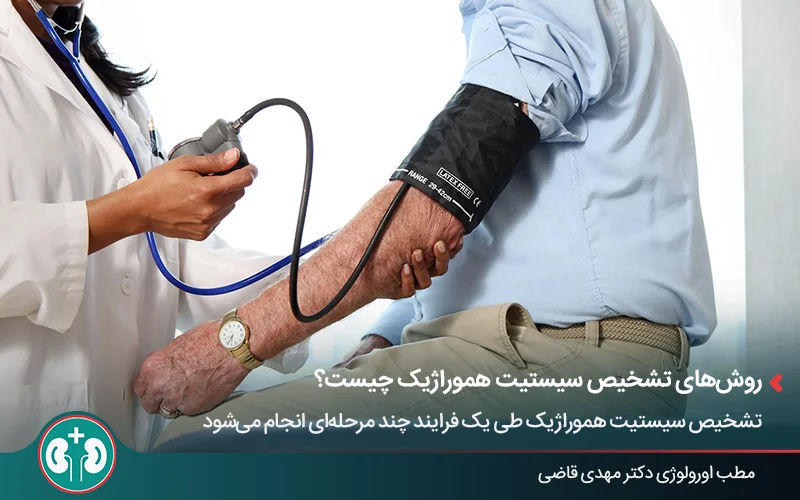
ارزیابی اولیه
پزشک ابتدا دربارۀ سوابق پزشکی بیمار، مخصوصاً سابقۀ شیمیدرمانی، پرتودرمانی یا پیوند سلولهای بنیادی سؤال میپرسد. همچنین، معاینه فیزیکی نیز برای ارزیابی درد و وضعیت کلی انجام میشود.
در شرایط حاد، هدف اصلی این ارزیابی «پایداری وضعیت گردش خون بیمار» است، زیرا خونریزی شدید میتواند زندگی فرد را به خطر بیندازد. برای این کار موارد زیر بررسی میشوند:
فشار خون؛
ضربان قلب؛
بررسی هِموگلوبین و هِماتوکریت برای ارزیابی میزان خون ازدسترفته.
آزمایش خون
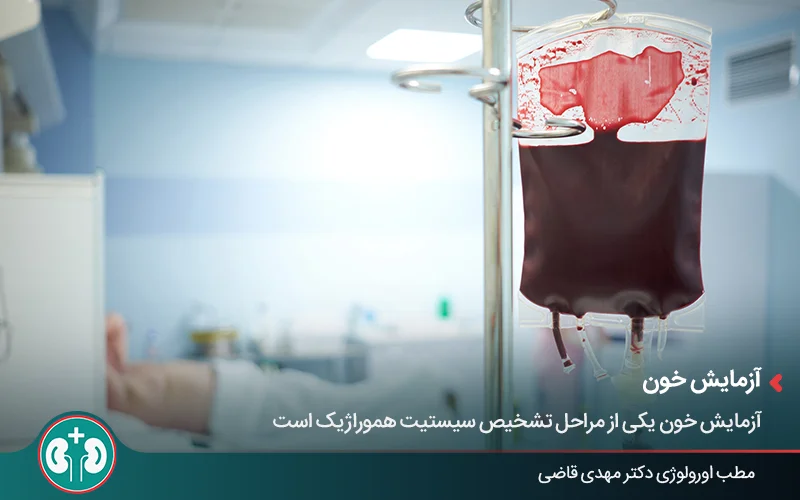
در فرایند تشخیص سیستیت هموراژیک، آزمایش خون ۲ هدف اصلی دارد:
ارزیابی شدت خونریزی: با آزمایش «شمارش کامل خون» (CBC) دو شاخص مهم بررسی میشود: میزان هِموگلوبین (پروتئین گلبول قرمز) و هِماتوکریت (نسبت درصد گلبول قرمز در خون). این آزمایش مشخص میکند که آیا بیمار بهدلیل کمخونی ناشی از خونریزی به دریافت خون نیاز دارد یا خیر.
رد کردن اختلالات خونی و عوامل احتمالی دیگر: با شمارش پلاکتها و تستهای انعقاد خون مانند PT و PTT (بررسی سرعت انعقاد) پزشک متوجه میشود آیا عواملی مثل کمبود پلاکت، بیماری هموفیلی یا داروهای ضدانعقاد خون باعث خونریزی شدهاند یا خیر.
انواع آزمایش ادرار
آزمایش ادرار شدت هماچوری را نشان میدهد و گزینههای دیگری مثل خونریزی کلیه را رد میکند. همچنین نتایج آزمایش سیتولوژی ادرار به شناسایی عوامل احتمالی دیگر مثل سرطان مثانه کمک میکند.
تصویربرداری
با استفاده از روشهای تصویربرداری مثل سونوگرافی و سیتی اوروگرام (CT Urogram)، پزشک احتمال دلایل دیگر هماچوری، مثل سنگ ادراری یا خونریزی کلیهها و حالب را بررسی میکند.
سیستوسکوپی
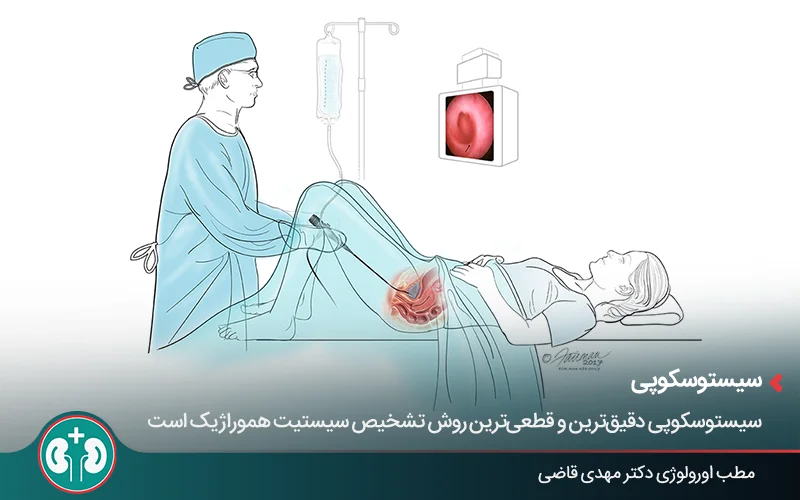
سیستوسکوپی دقیقترین و قطعیترین روش تشخیص سیستیت هموراژیک است و به پزشک اجازه میدهد داخل مثانه را ببیند، شدت آسیب را بررسی کند و همزمان، در صورت نیاز با سوزاندن رگها برای درمان اقدام کند. فهرست زیر شامل مهمترین مواردی است که طی سیستوسکوپی بررسی میشود:
التهاب و قرمزی؛
ورم مخاط؛
بافت شکننده که با کمترین تماس خونریزی کند؛
نقاط خونریزی فعال؛
عروق خونی غیرطبیعی و گشادشده؛
وجود سنگ یا تومور مثانه.
روشهای مدیریت و درمان سیستیت هموراژیک چیست؟
مدیریت موفق این بیماری نیازمند یک رویکرد قدمبهقدم است. این فرایند با کمتهاجمیترین روشهای درمان شروع میشود و در صورت نیاز با گزینههای تهاجمی ادامه پیدا میکند.
۱. اقدامات اولیه و حمایتی
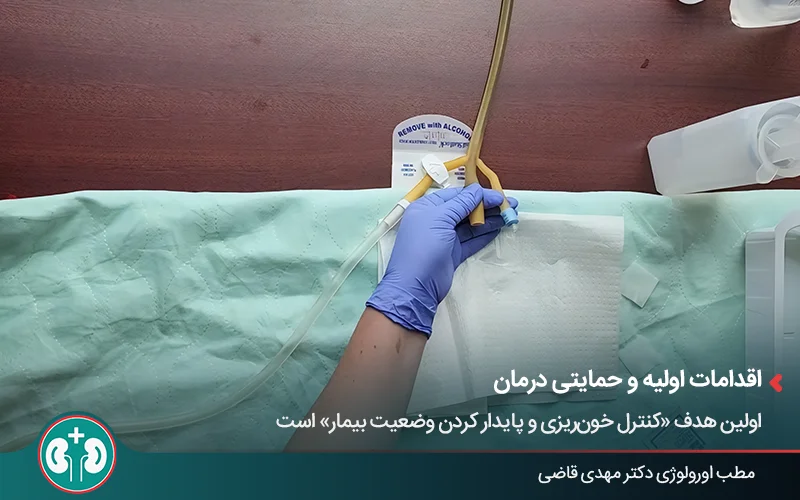
اولین هدف «کنترل خونریزی و پایدار کردن وضعیت بیمار» است؛ بنابراین این مرحله از درمان شامل اقدامات زیر میشود:
مراقبتهای حمایتی: گام اول پایدار کردن وضعیت گردش خون بیمار است. این کار شامل «تزریق مایعات وریدی، تزریق خون و اصلاح هرگونه اختلال انعقادی» است.
تخلیۀ مثانه و خروج لختهها: برای برطرف کردن احتباس ادراری یا پیشگیری از آن، مثانۀ بیمار با استفاده از نوعی سوند تخلیه میشود.
شستشوی مداوم مثانه: بعد از تخلیه، مثانه را به وسیلۀ سوند سهراه مداوم شستشو میدهند تا لختۀ جدید ایجاد نشود.
۲. مداخلات جراحی
اگر اقدامات اولیه مؤثر نبود و خونریزی همچنان ادامه داشت پزشک با روش سیستوسکوپی و تحت بیهوشی، ۲ اقدام مهم انجام میدهد:
تخلیۀ لختهخونهای باقیمانده؛
سوزاندن رگهای منشأ خونریزی.
۳.شستشوی داخل مثانه با محلول دارویی
اگر سیستوسکوپی و سوزاندن رگها نیز موثر نبود، در مرحلۀ بعد مواد شیمیایی خاصی مستقیم به داخل مثانه تزریق میشوند تا خونریزی را بهصورت شیمیایی مهار کنند.
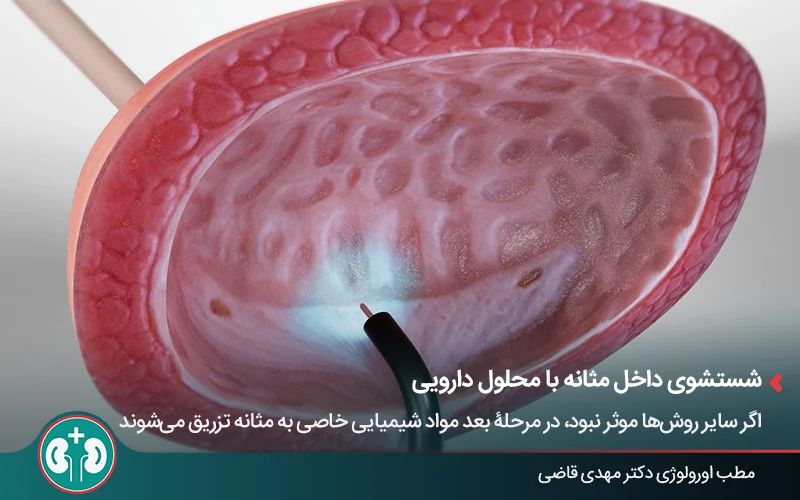
آلوم (Alum) باعث میشود ترکیبات پروتئینی مختلفی در محل خونریزی رسوب کنند. این رسوبات پروتئینی لایۀ محافظی ایجاد میکند و جلوی خونریزی را میگیرد.
نیترات نقره (Silver Nitrate) عملکردی مشابه آلوم دارد.
فُرمالین (Formalin) بهدلیل اثرات سوزاننده و شدید، بهعنوان آخرین راهحل برای رفع خونریزیهای بسیار شدید و مقاوم به درمان در نظر گرفته میشود. این دارو ممکن است باعث عوارضی جدی، مانند کاهش دائمی ظرفیت مثانه شود.
۴. روشهای ترمیمی و مکمل
اکسیژندرمانی پرفشار یک روش غیرتهاجمی و ترمیمی است که بیشترین تأثیر را در موارد ناشی از پرتودرمانی دارد. این روش در کنترل خونریزی حاد بیاثر است و در خونریزیهای مزمن، با هدف «ترمیم تدریجی بافت مثانه» انجام میشود.
۵. راهکارهای موارد مقاوم به درمان
در سیستیت حاد هموراژیک، زمانی که خونریزی به درمانهای دیگر پاسخ نمیدهد، پزشکان سراغ گزینههای تهاجمیتر میروند.
آنژیوآمبولیزاسیون (Angioembolization)
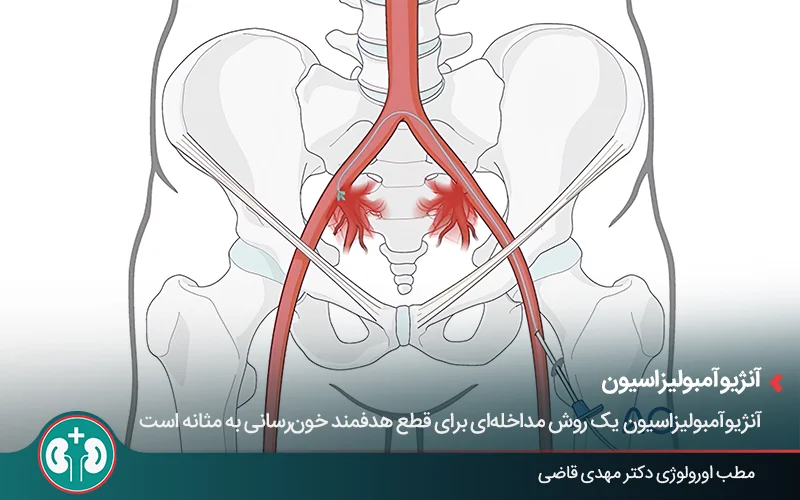
آنژیوآمبولیزاسیون یک روش مداخلهای برای قطع هدفمند خونرسانی به مثانه است و برای رفع خونریزی شدید و موضعی عروق مثانه کاربرد دارد.
برای رفع این خونریزی، متخصص رادیولوژی لولهای نازک (کانتر) را وارد شریان میکند و به نقطۀ خونریزی میرساند؛ سپس با تزریق مواد آمبولیزان (مسدودکننده) شریان آسیبدیده را مسدود میکند تا خونریزی قطع شود.
نِفروستومی (Nephrostomy)
این یک اقدام موقت برای محافظت از کلیهها است و برای تخلیۀ فشار و پیشگیری از آسیب کلیه بهکار میرود. زمانی که مثانه پر از لخته شده و وضعیت بیمار ناپایدار است، پزشک لولههایی را مستقیماً از طریق پوست وارد کلیهها میکند تا ادرار تخلیه شود. این شرایط تا زمانی ادامه پیدا میکند که درمانها پاسخ دهند و وضعیت بیمار پایدارتر شود.
سیستِکتومی (Cystectomy - برداشتن مثانه)
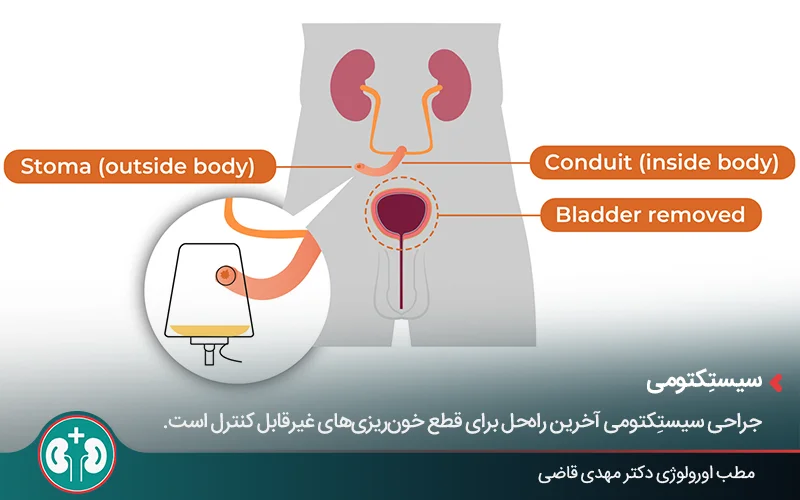
این جراحی آخرین راهحل برای قطع خونریزیهای غیرقابل کنترل است. در این جراحی مثانه بهطور کامل برداشته میشود تا منبع اصلی خونریزی حذف شود.
آیا روشی برای پیشگیری از سیستیت هموراژیک وجود دارد؟
پیشگیری از سیستیت هموراژیک به علت زمینهای آن بستگی دارد. در حال حاضر، فقط عوارض ناشی از شیمیدرمانی تا حدی قابل پیشگیریاند و برای سایر علل اصلی مانند پرتودرمانی یا عفونتهای ویروسی، روش قطعی وجود ندارد.
روشهای پیشگیری
برای بیمارانی که قرار است داروهای شیمیدرمانی خاصی مانند سیکلوفُسفامید (Cyclophosphamide) و ایفُسفامید (Ifosfamide) دریافت کنند، دو روش پیشگیری بهطور همزمان استفاده میشود:
12: آمپول مِسنا (Mesna) برای پیشگیری از سیستیت هموراژیک
۱. داروی مِسنا (Mesna): این دارو مانند یک پادزهر برای مادۀ سمی آکرولئین (acrolein) عمل میکند. این دارو بهصورت وریدی یا خوراکی، درست قبل یا همزمان با شیمیدرمانی مصرف میشود و آکرولئین موجود در ادرار را غیرفعال میکند.
۲. هیدراتاسیون شدید: در این روش، مایعات فراوان، عمدتاً از طریق تزریق سرم وریدی، به بیمار داده میشود تا غلظت مواد سمی در مثانه کمتر شود و همچنین با دفع مکرر ادرار، سریعتر از بدن دفع شود.
میزان اثربخشی
مِسنا تأثیر قابل توجهی دارد؛ اما همچنان ممکن است شیمیدرمانی باعث سیستیت هموراژیک شود. طبق گزارش منبعی که قبلا به آن اشاره کردیم، در شرایطی که بیمار از درمان استاندارد امروزی برخوردار باشد، با مصرف مِسنا، ریسک ابتلا به سیستیت هموراژیک معمولاً کمتر از ۱۰٪ خواهد بود.
چه زمانی باید به پزشک مراجعه کنیم؟
سیستیت هموراژیک در موارد شدید ممکن است زندگی فرد را به خطر بیندازد؛ به همین دلیل هرگونه خونریزی قابل مشاهده در ادرار یک نشانۀ جدی و نیازمند مراجعه به پزشک است.
از سوی دیگر، مهمترین موارد در کنترل این بیماری «پایداری گردش خون و علائم حیاتی» و «اطمینان از تخلیۀ مثانه» هستند؛ بنابراین علائمی که نشاندهندۀ اختلال در این دو مورد باشند زنگ خطر محسوب میشوند. مانند:
ناتوانی در دفع ادرار؛
سرگیجه؛
رنگپریدگی؛
از حال رفتن.
افرادی که سابقۀ شیمیدرمانی، پرتودرمانی یا پیوند مغز استخوان دارند باید با جدیت و فوریت بیشتری علائم این بیماری را پیگیری کنند.
جمعبندی
«سیستیت هموراژیک» نوعی التهاب مخاط دیوارۀ مثانه است و باعث خونریزی این عضو میشود؛ طوری که رنگ ادرار بهوضوح تغییر میکند (هماچوری ماکروسکوپیک) و حتی ممکن است تهدیدکنندۀ حیات شود. این عارضه اغلب در پی شیمیدرمانی، پرتودرمانی یا عفونتهای ویروسی ایجاد میشود و درمان آن از اقدامات ساده تا جراحیهای پیچیده متغیر است.
تشخیص بهموقع نقش مهمی در پیشگیری از عوارضی جدی مانند نارسایی کلیه یا پارگی مثانه دارد و به تیم درمانی فرصت میدهد تا از مؤثرترین و کمتهاجمیترین روشها برای کنترل بیماری استفاده کنند. بنابراین شناخت علائم هشداردهندۀ این بیماری اهمیت بالایی دارد.
سوالات متداول
سیستیت هموراژیک چیست و چه تفاوتی با التهاب ساده مثانه دارد؟
سیستیت هموراژیک نوعی التهاب مثانه است که با خونریزی همراه میشود. در این وضعیت، دیوارۀ داخلی مثانه دچار آسیب و التهاب شده و خون در ادرار مشاهده میشود. برخلاف التهاب سادۀ مثانه که معمولاً فقط با سوزش یا تکرر ادرار همراه است، در سیستیت هموراژیک ممکن است ادرار تیره یا حاوی لختههای خون باشد.
چه عواملی باعث بروز سیستیت هموراژیک میشوند؟
علتهای مختلفی میتوانند موجب این بیماری شوند. از مهمترین آنها میتوان به داروهای شیمیدرمانی مانند سیکلوفسفامید، پرتودرمانی در ناحیۀ لگن، عفونتهای ویروسی (بهویژه در بیماران با ضعف سیستم ایمنی) و تماس مثانه با مواد شیمیایی تحریککننده اشاره کرد. این عوامل باعث آسیب و التهاب در مخاط مثانه میشوند.
آیا داروها یا شیمیدرمانی میتوانند عامل ایجاد آن باشند؟
بله. داروهای شیمیدرمانی مانند سیکلوفُسفامید و ایفوسفامید از مهمترین علل سیستیت هموراژیک هستند. این داروها در بدن به موادی تجزیه میشوند که میتوانند دیوارۀ مثانه را تحریک و باعث خونریزی شوند. در بیماران دریافتکنندۀ این داروها، پزشک معمولاً برای پیشگیری از این عارضه دارویی محافظ به نام مِسنا (Mesna) و مایعات فراوان تجویز میکند.
سیستیت هموراژیک در چه افرادی شایعتر است؟
این بیماری بیشتر در بیمارانی دیده میشود که شیمیدرمانی یا پرتودرمانی انجام میدهند، بهویژه کسانی که پیوند مغز استخوان یا اعضا داشتهاند. همچنین افرادی با ضعف سیستم ایمنی یا مبتلا به عفونتهای ویروسی فعال، در معرض خطر بیشتری قرار دارند.
علائم شایع سیستیت هموراژیک چیست؟
مهمترین علامت، وجود خون در ادرار است که گاهی بهصورت لخته نیز دیده میشود. سایر علائم شامل سوزش و درد هنگام ادرار، تکرر و فوریت ادرار، درد یا فشار در ناحیۀ پایین شکم و گاهی انسداد مثانه بهدلیل تجمع لختههاست. شدت علائم در افراد مختلف متفاوت است.
آیا وجود خون در ادرار همیشه به معنی سیستیت هموراژیک است؟
خیر. خون در ادرار میتواند به دلایل مختلفی مانند سنگ کلیه، عفونت، تومور یا التهاب ساده ایجاد شود. اگر همراه با خونریزی، علائم التهاب مثانه و سابقۀ مصرف داروهای خاص یا پرتودرمانی وجود داشته باشد، احتمال سیستیت هموراژیک مطرح میشود و باید توسط پزشک بررسی شود.
سیستیت هموراژیک چگونه تشخیص داده میشود؟
تشخیص با بررسی شرح حال، معاینه، آزمایش ادرار و در صورت نیاز سیتوسکوپی (مشاهدۀ داخل مثانه با دوربین) انجام میشود. در بیماران پیوندی یا دارای ضعف ایمنی، بررسی وجود ویروسهایی مانند BK ویروس نیز اهمیت دارد. هدف از این ارزیابیها تشخیص علت دقیق خونریزی و انتخاب درمان مناسب است.
درمان سیستیت هموراژیک چگونه انجام میشود و آیا درمان قطعی دارد؟
درمان بستگی به شدت بیماری و علت آن دارد. در موارد خفیف، افزایش مصرف مایعات و داروهای حمایتی کافی است. در موارد شدیدتر، بیمار ممکن است نیاز به بستری، شستوشوی مداوم مثانه، کنترل خونریزی با داروهای داخل مثانه و گاهی درمان ضدویروسی داشته باشد. در بیشتر بیماران با درمان بهموقع، بیماری بهخوبی کنترل میشود.
چه زمانی ممکن است بیمار نیاز به بستری پیدا کند؟
اگر خونریزی شدید باشد یا لختهها مانع تخلیه ادرار شوند، بیمار باید بستری شود تا مثانه شستوشو داده و لختهها تخلیه شوند. در این شرایط هدف اصلی، جلوگیری از انسداد مثانه و آسیب به کلیهها است.
چگونه میتوان از بروز یا عود سیستیت هموراژیک پیشگیری کرد؟
در بیماران در معرض خطر، اقدامات پیشگیرانه اهمیت زیادی دارد. نوشیدن مایعات فراوان، مصرف داروی محافظ مسنا در زمان شیمیدرمانی، تخلیۀ منظم مثانه و کنترل عفونتها از جمله راهکارهای مؤثر هستند. همچنین استفاده از روشهای پرتودرمانی هدفمند میتواند خطر بروز این عارضه را کاهش دهد.
اقدامها و مسیرهای مرتبط
پزشکان مرتبط با این موضوع در مشهد
مشاهدهٔ همهٔ پزشکان: بهترین دکتر عفونت ادراری و بیاختیاری ادرار مشهد




دربارهٔ نویسنده

جراح و متخصص اورولوژی
دکتر مهدی قاضی، جراح و متخصص اورولوژی در مشهد. مقالات این سایت زیر نظر پزشکان ساختمان اورولوژی دکتر قاضی نوشته و بازبینی میشوند.
مشاهدهٔ پروفایل و نوبتدهیمطالب مرتبط
همه مطالباگر سنگ کلیه در مجاری ادراری باشد چه میشود؟
دکتر مهدی قاضی · ۷ دی ۱۴۰۴
علائم دفع سنگ کلیه چیست و چه زمانی باید به پزشک مراجعه کنیم؟
دکتر مهدی قاضی · ۲۵ آذر ۱۴۰۴
عمل افتادگی مثانه | لاپاراسکوپی، واژینال، عمل باز
دکتر مهدی قاضی · ۲۲ آذر ۱۴۰۴
همه چیز درباره بیماری سیستیت؛ علل، تشخیص و درمان
دکتر مهدی قاضی · ۱۶ تیر ۱۴۰۰
دیدگاهها
0 دیدگاه
هنوز دیدگاهی ثبت نشده است. اولین نفری باشید که نظر میدهد.