 برای بزرگنمایی لمس کنید
زندگی با یک کلیه (خطرات، روش، امید بهزندگی) | مطب دکتر قاضی
- نویسنده
- دکتر مهدی قاضی
- تاریخ انتشار
- ۱۰ اسفند ۱۴۰۴
- زمان مطالعه
- ۶ دقیقه مطالعه
- آخرین بهروزرسانی
- بهروزرسانی: ۲۹ تیر ۱۴۰۵
زندگی با یک کلیه به معنای محدودیت در کیفیت یا طول عمر نیست. تککلیه بودن میتواند ناشی از نقص مادرزادی، برخی بیماریهای کلیه، آسیب یا جراحی باشد، اما بدن توانایی بالایی در تطبیقپذیری دارد.
در افراد تک کلیه، حجم و عملکرد کلیه افزایش مییابد و میتواند عملکرد طبیعی را حتی با یک کلیه ادامه دهد و تعادل همودینامیک را حفظ کند. بااینحال، کلیۀ باقیمانده نیازمند مراقبت آگاهانه است.
بهطور کلی، بیشتر افراد با یک کلیه زندگی سالم و طولانی دارند؛ اما به شرط رعایت اصول پایش و محافظت مستمر. در ادامۀ این راهنما، دلایل، پیامدها و مهمترین راهکارهای مراقبتی را بهطور جامع و تخصصی بررسی میکنیم و به دغدغههای رایج زندگی با یک کلیه پاسخ میدهیم. با ما همراه باشید.


آیا یک کلیه برای زندگی طبیعی کافی است؟
بله. در بیشتر موارد، داشتن یک کلیهٔ سالم کاملاً برای یک زندگی طبیعی، فعال و طولانیمدت کافی است. افراد زیادی در سراسر دنیا با یک کلیه زندگی میکنند، بدون اینکه محدودیت جدی در فعالیتهای روزمره یا کاهش محسوسی در طول عمرشان تجربه کنند.
دلیل این سازگاری قابلتوجه، توانایی بدن در تطبیق با شرایط جدید است. زمانی که یکی از کلیهها وجود نداشته باشد، کلیهٔ باقیمانده بهتدریج بزرگتر و کارآمدتر میشود؛ فرآیندی که در پزشکی به آن هیپرتروفی جبرانی گفته میشود. این سازگاری باعث میشود عملکرد کلیهٔ باقیمانده به شکل مؤثری افزایش پیدا کند.
مطالعات علمی نشان میدهند که پس از این تطبیق، کلیهٔ باقیمانده میتواند حدود ۶۵ تا ۷۵ درصد از کل ظرفیت فیلتراسیون دو کلیه سالم را بر عهده بگیرد. به همین دلیل، در اغلب افراد، تصفیه خون و تعادل مایعات بدن بهدرستی حفظ میشود (PubMed).
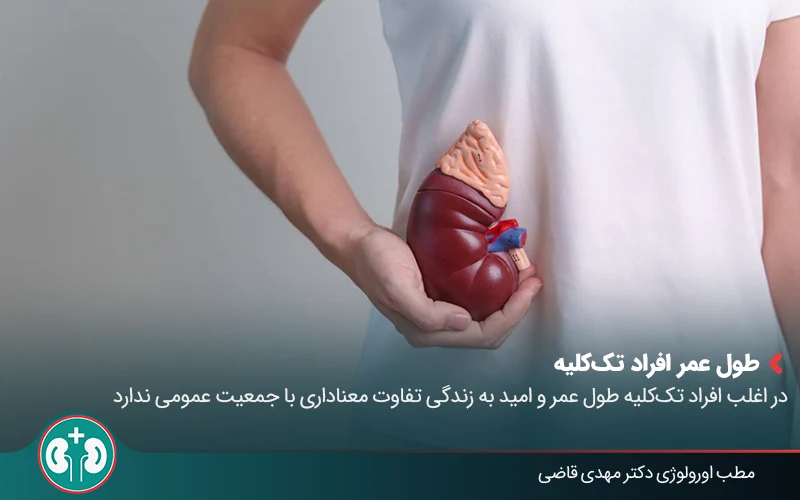
بر همین اساس، تحقیقات گسترده نشان دادهاند که طول عمر و امید به زندگی در افرادی که یک کلیهٔ سالم دارند، معمولاً تفاوت معناداری با جمعیت عمومی ندارد؛ بهویژه زمانی که مراقبتهای لازم و سبک زندگی سالم رعایت شود.
آمار امید به زندگی و طول عمر افراد تککلیه
شواهد علمی نشان میدهند که در اغلب افراد تککلیه (بهویژه اهداکنندگان زنده کلیه سالم)، طول عمر و امید به زندگی تفاوت معناداری با جمعیت عمومی ندارد یا حتی بهتر است. همانطور که National Kidney Foundation در مستندات خود آورده است، در صورت سالمبودن کلیهٔ باقیمانده، طول عمر تحت تاثیر قرار نخواهد گرفت.
همچنین طبق مطالعات بلندمدت (مانند مطالعه سوئدی Fehrman-Ekholm et al)، اهداکنندگان کلیه حتی پس از ۲۰ سال پیگیری یا بیشتر، افزایش معناداری در مرگومیر نسبت به افراد عادی نشان ندادهاند و در برخی موارد بقای بهتری داشتهاند.
بهطور کلی، با مراقبت منظم و پایش سالانه (اندازهگیری فشار خون، eGFR و آلبومینوری)، زندگی طولانی و باکیفیت کاملاً قابل انتظار است.
دلایل تککلیه بودن
از نظر پزشکی، علت تک کلیه بودن میتواند مادرزادی یا اکتسابی باشد. همچنین باید بین دو مفهوم مهم تفاوت قائل شویم:
تککلیهٔ آناتومی: فرد واقعاً فقط یک عدد کلیه دارد.
تککلیهٔ عملکردی: دو کلیه وجود دارد، اما فقط یکی عملکرد مؤثر دارد.
این تفکیک برای درک دقیقتر انواع تک کلیه ضروری است و در جدول زیر، مهمترین موارد مادرزادی و اکتسابی بهصورت خلاصه مقایسه شدهاند:
علت | نوع تککلیه | شیوۀ ابتلا |
|---|---|---|
آژنزی کلیه | آناتومی | مادرزادی |
دیسپلازی کلیه | عملکردی | مادرزادی |
نفرکتومی توتال یا اهدای کلیه | آناتومی | اکتسابی |
در ادامه، هر مورد را دقیقتر بررسی میکنیم.
آژنزی کلیه (Agenesis)
آژنزی کلیه یکی از علل اصلی تککلیه بودن است و نوعی نقص مادرزادی کلیه محسوب میشود. در این وضعیت، در دوران جنینی بافت متانفریک (ساختار اولیه تشکیلدهندۀ کلیه) در یک سمت اصلاً شکل نمیگیرد؛ در نتیجه فرد با کلیه منفرد مادرزادی متولد میشود.
شیوع آن حدود ۱ در ۲۰۰۰ تولد و در پسران شایعتر است. بیشتر مواردِ آژنزی کلیه بدون علامت هستند و معمولاً بهصورت تصادفی در سونوگرافی بارداری یا تصویربرداریهای بعدی تشخیص داده میشوند. بسیاری از این افراد سالها از وضعیت خود بیاطلاع میمانند و زندگی طبیعی دارند.
دیسپلازی کلیه
در دیسپلازی کلیه، فرد با دو کلیه به دنیا میآید اما یکی از آنها به دلیل ساختار بافتیِ غیرطبیعی، عملکرد کافی ندارد. این کلیه عملاً به یک کلیه غیرفعال تبدیل میشود.
با گذشت زمان، کلیهٔ معیوب دچار آتروفی شده و فرآیند کوچک شدن کلیه رخ میدهد؛ گاهی در تصویربرداریهای بعدی بهسختی قابل مشاهده است. این وضعیت ابتدا تککلیهٔ عملکردی محسوب میشود، اما در موارد پیشرفته ممکن است از نظر عملی شبیه تککلیهٔ آناتومی شود.
جراحی نفرکتومی توتال و اهدای کلیه
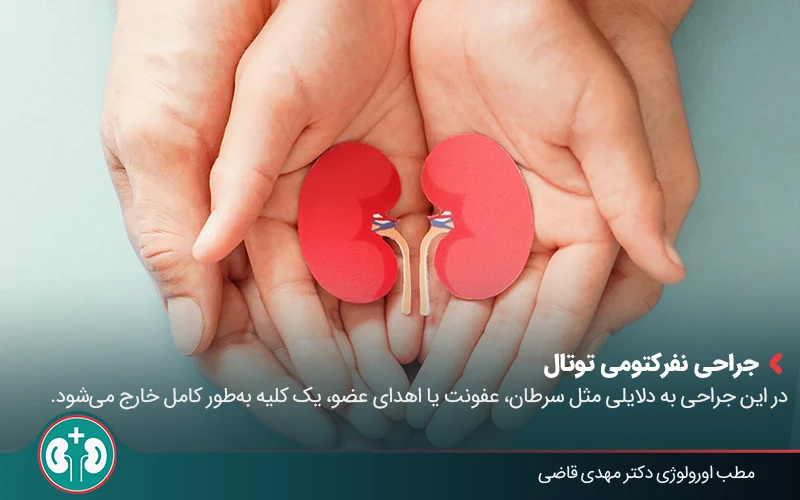
نفرکتومی به معنای برداشتن کلیه از طریق جراحی است. در نفرکتومی توتال، یک کلیه بهطور کامل خارج میشود و فرد از نظر آناتومی تککلیه میشود. مهمترین دلایل آن عبارتاند از:
آسیب شدید ناشی از ضربه؛
انسداد مزمن یا عفونت شدید مقاوم به درمان؛
اهدای کلیه به بیمار نیازمند پیوند.
در نفرکتومی پارشیال فقط بخشی از کلیه برداشته میشود و بافت باقیمانده همچنان عملکرد دارد؛ بنابراین این افراد تککلیه محسوب نمیشوند. تنها نفرکتومی توتال منجر به تککلیهٔ آناتومیک میشود.
پیامدهای احتمالی تککلیه بودن
داشتن یک کلیه سالم در اغلب موارد مانع زندگی طبیعی و فعال نمیشود. پیشآگهی در افرادی که تنها یک کلیه سالم و با عملکرد مناسب دارند، عموماً بسیار مطلوب است. بیشتر این افراد سالهای طولانی را بدون مشکلِ قابلتوجهی سپری میکنند و در میان آنها عوارض جدی شیوع پایینی دارد.
البته، از آنجایی که این افراد کلیۀ دیگری ندارند، در برابر عواملی مانند افزایش فشار خون، عفونتهای شدید، آسیبهای مستقیم به کلیه یا برخی بیماریهای زمینهای آسیبپذیرترند. زیرا اگر کلیۀ باقیمانده آسیب ببیند، گزینۀ دیگری برای جبران وجود ندارد. بنابراین، برای پیشگیری از بروز آسیبهای احتمالی، باید پایش منظم و مراقبت دقیقتری صورت گیرد.
در ادامه، مهمترین پیامدهای بالقوه زندگی با یک کلیه را بهصورت دقیقتر بررسی میکنیم.
عوارض
در اغلب افراد، زندگی با یک کلیه با عارضه جدی همراه نیست و تأثیر قابلتوجهی بر کیفیت یا طول عمر ندارد. اگر کلیهٔ باقیمانده سالم باشد، بیشتر افراد زندگی طبیعی دارند. با این حال، چون این کلیه بهتنهایی کل بار تصفیه خون را بر عهده میگیرد (هیپرفیلتراسیون جبرانی)، احتمال بروز برخی تغییرات وجود دارد که معمولاً خفیفاند و با پایش منظم قابلکنترل هستند.
شایعترین عوارض احتمالی عبارتند از:
فشار خون بالا: رایجترین پیامد احتمالی است. ممکن است فشار خون کمی بالاتر از حد طبیعی باشد، اما در بیشتر موارد خفیف است و با کنترل نمک، اصلاح سبک زندگی و در صورت نیاز دارو، بهخوبی مدیریت میشود.
دفع پروتئین در ادرار (پروتئینوری یا آلبومینوری): به دلیل فشار بیشتر روی واحدهای تصفیهکننده کلیه (گلومرولها)، ممکن است مقدار کمی پروتئین وارد ادرار شود. این وضعیت اغلب خفیف است و در صورت تشخیص زودهنگام، با درمان دارویی مناسب قابلکنترل است.
کاهش خفیف عملکرد کلیه: در برخی افراد، نرخ فیلتراسیون گلومرولی (GFR) ممکن است طی سالها اندکی کاهش یابد. این کاهش معمولاً آهسته و بدون اثر جدی بر سلامت عمومی است، بهویژه اگر فشار خون و سبک زندگی بهخوبی مدیریت شود.
عوارض احتمالی در بارداری: طبق پژوهش منتشرشده در مجله Pediatric Nephrology احتمال فشار خون بارداری در زنانی که یک کلیه دارند حدود ۲٫۴ تا ۲٫۵ برابر بیشتر از جمعیت عادی گزارش شده است. به همین دلیل، مشاوره پیش از بارداری و پایش دقیق در طول بارداری توصیه میشود.
این عوارض در افرادی که کلیهٔ سالم دارند شایع نیست و ممکن است هرگز رخ ندهد؛ بسیاری از افراد تککلیه هیچیک از این مشکلات را تجربه نمیکنند.

آسیبپذیری افراد تککلیه در برابر خطرات
بیشترِ افرادِ دارای یک کلیۀ سالم زندگی طبیعی دارند، اما چون اندام جایگزین وجود ندارد، هر آسیب احتمالی میتواند پیامد جدیتری داشته باشد. عواملی که برای افراد عادی تقریباً بدون عارضهاند، در افراد تککلیه نیازمند دقت و احتیاط بیشتری هستند. رعایت چند اصل ساده میتواند خطرات را به حداقل برساند.
۱. احتیاط در مصرف داروهای ضدالتهاب غیراستروئیدی (NSAIDs)
داروهایی مانند ایبوپروفن، ناپروکسن و آسپرین با دوز بالا میتوانند جریان خون کلیه را کاهش دهند و در طولانیمدت به آسیب کلیوی منجر شوند. در صورت نیاز به مصرف مسکن، باید با پزشک مشورت کنید.
۲. تنظیم دوز داروها بر اساس عملکرد کلیۀ باقیمانده
پزشک باید بداند که بیمار تککلیه است تا دوز برخی داروها از جمله بعضی آنتیبیوتیکها، داروهای قلبی یا دیابت را بر اساس سطح GFR تنظیم کند تا فشار اضافی به کلیۀ باقیمانده وارد نشود.
۳. احتیاط در تصویربرداری با مادۀ حاجب
مواد حاجب مورد استفاده در سیتیاسکن یا MRI ممکن است برای کلیۀ باقیمانده سمی باشند. پیش از انجام این آزمایشها، اطلاعرسانی به پزشک و تأمین آب کافی بدن (هیدراتاسیون) ضروری است.
۴. پرهیز از ورزشهای پُربرخورد
ورزشهایی که احتمال ضربۀ مستقیم به ناحیۀ کمر یا شکم در آنها وجود دارد مانند بوکس، کشتی یا فوتبال حرفهای، میتوانند خطر آسیب به کلیۀ باقیمانده را افزایش دهند. در صورت انجام این فعالیتها، استفاده از محافظ ورزش مخصوص توصیه میشود، هرچند خطر را بهطور کامل حذف نمیکند.
خیر؛ اما مستلزم تصمیمگیری آگاهانه است. با اطلاعرسانی به پزشک، پایش منظم عملکرد کلیۀ باقیمانده و رعایت اصول احتیاطی، میتوان از کلیۀ باقیمانده بهخوبی محافظت کرد و ریسکها را به حداقل رساند.
آیا در آینده به دیالیز نیاز خواهم داشت؟
اگر کلیۀ باقیمانده سالم باشد و مراقبت منظم انجام شود، احتمال نیاز به دیالیز بسیار پایین است. اکثر افراد هرگز به مرحله نارسایی کامل کلیه (ESRD) نمیرسند و اگر کاهش عملکرد رخ دهد، معمولاً خفیف، تدریجی و طی سالها اتفاق میافتد و کیفیت زندگی یا طول عمر را تحت تأثیر قرار نمیدهد.
عوامل افزایشدهنده ریسک:
فشار خون بالا یا دیابت کنترلنشده؛
عفونتهای مکرر یا آسیبهای مستقیم به کلیه؛
مصرف طولانیمدت داروهای مضر برای کلیه (مثل NSAIDs)؛
چاقی و رژیم غذایی ناسالم؛
عدم پایش منظم عملکرد کلیه و آزمایشهای مربوط به پروتئینوری.
اگر این عوامل کنترل شوند، شانس نیاز به دیالیز پایین است. دیالیز تنها زمانی ضروری میشود که کلیۀ باقیمانده کاملاً از کار بیفتد؛ اتفاقی که در اکثر افراد تککلیه سالم رخ نمیدهد. با مراقبت منظم، رژیم غذایی مناسب و اجتناب از عوامل آسیبزا، میتوان سالها بدون نگرانی از نارسایی کلیه زندگی کرد.

راههای مراقبت از کلیه
حالا که با فیزیولوژی، دلایل و پیامدهای تککلیه بودن آشنا شدید، وقت آن است که روی راههای عملی برای محافظت از کلیۀ باقیمانده تمرکز کنیم. این مراقبتها اقداماتی ساده، علمی و مشابه توصیههای کلی برای سلامت کلیه در افراد عادی هستند.
در ادامه به نکات تغذیهای، ورزش و سبک زندگی، و پایش پزشکی میپردازیم تا بتوانید عملکرد طولانیمدت کلیهتان را حفظ و از عوارض احتمالی پیشگیری کنید.
۱. مدیریت تغذیه
اکثر افرادی که زندگی با یک کلیه را تجربه میکنند، نیاز به رژیم خاص و محدودکنندهای ندارند و میتوانند از رژیم متعادلِ مشابه افراد با دو کلیهٔ سالم بهره داشته باشند. تمرکز باید روی عادتهای سالم باشد تا فشار روی کلیۀ باقیمانده کاهش یابد:
نمک: مصرف نمک را محدود کنید تا فشار خون کنترل شود و بار گلومرولی کاهش یابد. حداکثر ۱ قاشق چایخوری در روز توصیه میشود.
پروتئین: مصرف متعادل کافی است. از رژیمهای پُرپروتئین (مانند رژیمهای سنگین بدنسازی) پرهیز کنید؛ اما محدودیت شدید پروتئین نیز توصیه نمیشود و فقط در صورت پروتئینوری یا دستور پزشک لازم است.
مایعات: باید هیدراته بمانید تا فیلتراسیون مواد زائد راحتتر دفع شوند و خطر سنگ کلیه کاهش یابد. رنگ ادرار زرد کمرنگ یا شفاف نشانه کافی بودن آب است.
گریپفروت: اگر کلیۀ پیوندی دارید، از مصرف گریپفروت یا آب آن پرهیز کنید تا با داروهای سرکوبکننده ایمنی تداخل ایجاد نکند.
۲. ورزش و سبک زندگی
ورزش منظم به سلامت قلب، کنترل وزن و کاهش فشار روی کلیه کمک میکند:
فعالیت بدنی: حداقل ۱۵۰ دقیقه در هفته فعالیت متوسط مثل پیادهروی سریع، دوچرخه، شنا، باغبانی انجام دهید و از ورزشهای پربرخورد پرهیز کنید.
مدیریت وزن: وزنتان را در محدوده سالم نگه دارید تا فشار خون و بار روی کلیه افزایش نیابد.
۳. پایش پزشکی: آزمایشهای دورهای
مهمترین بخش مراقبت، نظارت منظم است تا هر تغییر عملکرد کلیه به موقع شناسایی و مدیریت شود:
چکاپ سالانه: ویزیت پزشک عمومی یا نفرولوژیست، درصورت بروز فشار خون بالا، کاهش eGFR یا دفع پروتئین فاصلۀ بین پیگیری باید کوتاهتر باشد.
eGFR: نرخ فیلتراسیون گلومرولی تخمینی بر اساس سطح کراتینین سرم خون و با درنظرگرفتن سن، جنس و … محاسبه میشود و شاخص اصلی ارزیابی عملکرد کلیه است
uACR: نسبت آلبومین به کراتینین در ادرار برای تشخیص زودهنگام پروتئینوری یا آلبومینوری که میتواند میتواند نشانه شروع آسیب باشد.
فشار خون: پایش حداقل سالی یکبار و کنترل از طریق داروهای مناسب در صورت بالابودن. زیرا افراد دارای تککلیه در معرض خطر بالاتر پرفشاری خون در درازمدت هستند.
با این چکآپها و مراقبتها، میتوانید اطمینان داشته باشید که کلیۀ باقیمانده سالم و تحت کنترل است و هر مشکلی زود مدیریت میشود.

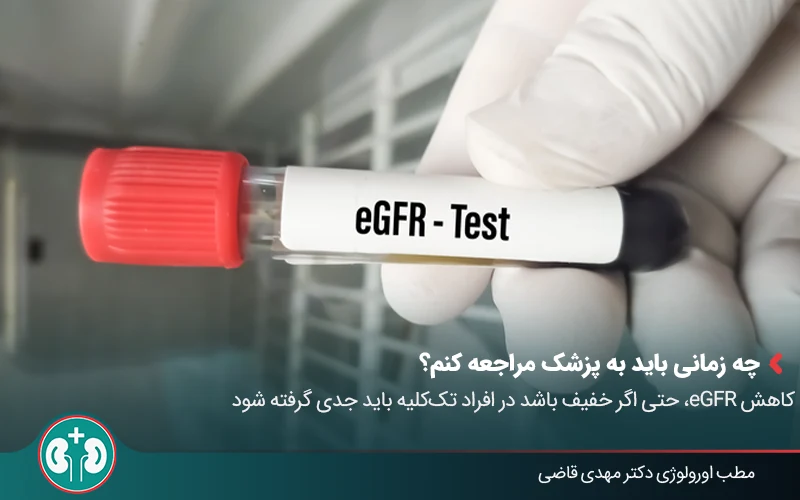
چه زمانی باید به پزشک مراجعه کنم؟
علاوه بر چکآپ سالانه شامل آزمایش eGFR، uACR و فشار خون، شناخت علائم هشداردهنده بسیار مهم است. بروز هر یک از این علائم میتواند نشانه مشکل در عملکرد کلیۀ باقیمانده باشد و درصورت مشاهدۀ آنها باید به پزشک مراجعه کنید. زیرا تشخیص زودهنگام اغلب به مدیریت راحتتر مشکل کمک میکند.
علائم هشدار که نیاز به مراجعه فوری دارند:
ورم اندامها (اِدِم): تورم ناگهانی یا مداوم در پا، مچ، دست یا صورت.
ادرار خونی (هماچوری): خون قابل مشاهده یا تغییر رنگ ادرار به صورتی، قرمز یا قهوهای.
کدر شدن ادرار: ادرار تیره، کفآلود یا کدر که ممکن است نشانه عفونت یا پروتئینوری باشد.
فشار خون غیرقابل کنترل: فشار بسیار بالا که با داروهای معمول کنترل نمیشود.
تغییر ناگهانی حجم ادرار: کاهش شدید (کمادراری) یا افزایش غیرعادی حجم ادرار.
این علائم میتوانند ناشی از عفونت، آسیب، فشار خون بالا یا کاهش عملکرد کلیه باشند و نباید نادیده گرفته شوند.
هشدار بر اساس eGFR، طبق استانداردهای CKD:
eGFR کمتر از ۶۰ ml/min/1.73 m² (برای حداقل ۳ ماه): کاهش عملکرد کلیه در مرحله G3. نیاز به پیگیری دقیقتر، کنترل شدیدتر فشار خون و چکآپ مکرر دارد.
eGFR کمتر از ۳۰ ml/min/1.73 m²: مرحله پیشرفته نارسایی کلیه (G4–G5) و معمولاً باید برای مدیریت درمان یا آمادهسازی مراحل بعدی، فوراً به نفرولوژیست یا اورولوژیست ارجاع داده شود.
حتی کاهش خفیف eGFR در افراد تککلیه باید جدی گرفته شود، چون حاشیه ایمنی کمتر است و نمیتوان ریسک کرد.
اگر هر یک از این علائم یا نتایج آزمایش را مشاهده کردید، منتظر چکآپ بعدی نمانید و سریعاً با پزشک تماس بگیرید. اقدام بهموقع میتواند تفاوت قابل توجهی را در مسیر کنترل و درمان ایجاد کند.
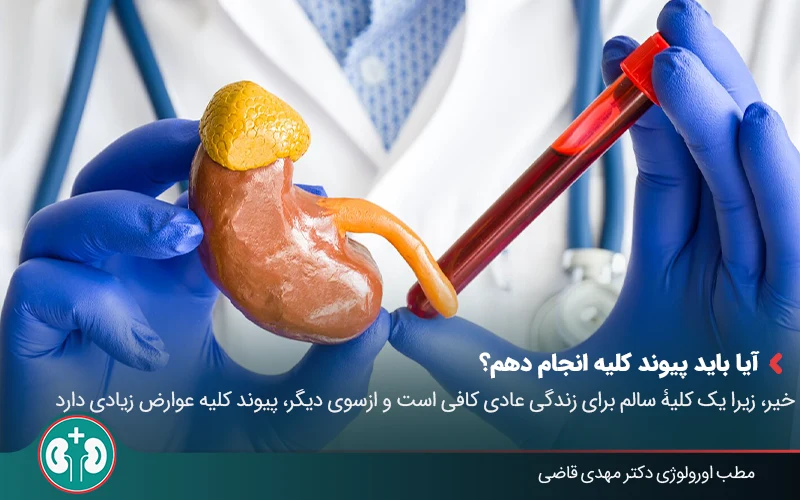
آیا باید پیوند کلیه انجام دهم؟
خیر، در اغلب موارد نیازی به پیوند کلیه نیست. یک کلیه سالم میتواند به خوبی دو کلیه کار کند و برای زندگی طولانی و باکیفیت کافی است. بسیاری از افراد با تککلیه، چه مادرزادی و چه پس از اهدا یا نفرکتومی، زندگی کاملاً طبیعی دارند و هرگز به مرحلهای نمیرسند که نیاز به دیالیز یا پیوند پیدا کنند.
از سوی دیگر، پیوند کلیه، جراحی سنگینیست که با عوارض قابلتوجهی همراه است:
نیاز به داروهای سرکوبکننده ایمنی مادامالعمر با ریسک عفونت و عوارض جانبی.
خطر رد پیوند حتی با داروهای ایمنی.
دوره نقاهت طولانی و نظارت دقیق مادامالعمر.
برای کسی که کلیۀ موجودش هنوز کار میکند، پیوند غیرضروری و حتی پرخطر است. پیوند تنها زمانی گزینه درمانی است که کلیه باقیمانده کاملاً از کار بیفتد. در نتیجه، تا زمانی که کلیۀ شما سالم است، بهترین و ایمنترین راه، مراقبت از همان کلیه باقیمانده است.
جمعبندی و ۵ نکته کلیدی برای مراقبت از کلیه
تککلیه بودن میتواند مادرزادی باشد (مثل آژنزی یا دیسپلازی) یا اکتسابی (برداشتن کلیه به دلیل آسیب، سرطان یا اهدا). خبر خوب این است که عملکرد یک کلیۀ سالم برای زندگی معمولی کافی است و اکثر افراد با مراقبت مناسب زندگی طبیعی و طولانی دارند؛ بنابراین نیازی به دیالیز یا پیوند نخواهید داشت.
کلیۀ باقیمانده باید کار بیشتری انجام دهد، بنابراین رعایت چند نکتۀ عملی میتواند ریسک عوارض احتمالی مانند فشار خون بالا، پروتئینوری یا کاهش تدریجی عملکرد را به حداقل برساند:
۱. فشار خون خود را زیر ۱۳۰/۸۰ نگه دارید و آن را بهطور منظم پایش کنید.
۲. از مصرف خودسرانۀ NSAIDها (مسکنهایی مانند ایبوپروفن و ناپروکسن) پرهیز کنید.
۳. روزانه بهاندازۀ کافی آب بنوشید تا ادرار زرد کمرنگ باشد.
۴. حداقل سالی یکبار آزمایش خون و ادرار برای بررسی عملکرد کلیه انجام دهید.
۵. در فعالیتهای پرخطر از کلیۀ باقیمانده در برابر ضربه محافظت کنید.
با رعایت این نکات ساده، میتوانید سلامت کلیۀ خود را حفظ و از نارسایی پیشگیری کنید و با اطمینان زندگی روزمره را ادامه دهید. همیشه در صورت سوال یا نگرانی، با متخصص نفرولوژی یا اورولوژی مشورت کنید.
سوالات متداول
۱. آیا با یک کلیه میشه زندگی کرد؟
بله. در بیشتر موارد، داشتن یک کلیهٔ سالم کاملاً برای یک زندگی طبیعی، فعال و طولانیمدت کافی است. زیرا یک کلیه می تواند خود را با نیازهای بدن تطبیق دهد و بزرگتر شود.
۲. چگونه از کلیه خود محافظت کنیم؟
احتیاط در مصرف داروهای ضدالتهاب غیراستروپیدی، تنظیم دوز دارو براساس میزان عملکرد کلیه، احتیاط در تصویربرداری با مادۀ حاجب و پرهیز از ورزشهای پُربرخورد.
۳. آیا افراد دارای یک کلیه نیاز به دیالیز دارند؟
اگر کلیۀ باقیمانده سالم باشد و مراقبت منظم انجام شود، احتمال نیاز به دیالیز بسیار پایین است. خیر، اگر کلیۀ باقیمانده سالم باشد و مراقبت منظم انجام شود، احتمال نیاز به دیالیز بسیار پایین است. یک کلیۀ سالم بهتنهایی کافی است و میتواند سموم بدن را تصفیه کند.
۴. آیا داشتن یک کلیه باعث کوتاه شدن عمر میشود؟
خیر، تحقیقات گسترده نشان دادهاند که طول عمر و امید به زندگی در افرادی که یک کلیهٔ سالم دارند، معمولاً تفاوت معناداری با جمعیت عمومی ندارد؛ بهویژه زمانی که مراقبتهای لازم و سبک زندگی سالم رعایت شود.
۵. آیا ورزش کردن برای افراد دارای یک کلیه خطرناک است؟
ورزش سبک خطری نندارد و حتی براب سلامت عمومی و کلیه مفید است؛ اما باید از ورزشهای پربرخورد اجتناب کنید؛ زیرا درصورت آسیب کلیه، کلیۀ دیگری وجود ندارد.
۶. آیا رژیم غذایی خاصی برای افراد دارای یک کلیه توصیه میشود؟
خیر، این افراد نیاز به رژیم خاص و محدودکنندهای ندارند و میتوانند از رژیم متعادلِ مشابه افراد با دو کلیهٔ سالم داشته باشند. تمرکز باید روی عادتهای غذایی سالم باشد؛ مثل نوشیدن مایعات کافی و مصرف متعادل پروتئین و نمک.
۷. زندگی با یک کلیه چه خطراتی دارد؟
ازآنجاییکه این کلیه بهتنهایی کل بار تصفیه خون را بر عهده میگیرد، احتمال بروز برخی تغییرات وجود دارد که معمولاً خفیف و قابلکنترلاند؛ مثل فشار خون بالا، دفع پروتئین در ادرار، کاهش خفیف عملکرد کلیه و احتمال فشار خون بارداری.
۸. علل تک کلیه بودن چیست؟
دلایل مادرزادی مثل دیسپلازی و آژنزی کلیه و دلایل اکتسابی مثل عمل نفرکتومی (بهخاطر سرطان، عفونت یا آسیب) یا اهدای کلیه.
۹. فردی که یک کلیه دارد، چند وقت یک بار باید به پزشک مراجعه کند؟
اگر نتیجۀ بررسی های سالانه طبیعی نبود یا علائم آسیب کلیوی مثل ورم اندامها، ادرار خونی، کدر شدن ادرار، فشار خون غیرقابل کنترل، یا تغییر ناگهانی حجم ادرار را تجربه کردید.
۱۰. اگر فردی فقط با یک کلیه سالم متولد شود، چه اتفاقی میافتد؟
معمولا مشکلی پیش نمیآید. بیشتر موارد بدون علامت هستند و معمولاً بهصورت تصادفی در سونوگرافی بارداری یا تصویربرداریهای بعدی تشخیص داده میشوند.
۱۱. آیا یک کلیه اهدایی می تواند به اندازه دو کلیه کار کند؟
بله، بدن توانایی بالایی در تطبیقپذیری دارد. کلیهٔ تکی بهتدریج بزرگتر و کارآمدتر میشود؛ فرآیندی که در پزشکی به آن هیپرتروفی جبرانی گفته میشود. این سازگاری باعث میشود عملکرد کلیه به شکل مؤثری افزایش پیدا کند.
اقدامها و مسیرهای مرتبط
پزشکان مرتبط با این موضوع در مشهد
مشاهدهٔ همهٔ پزشکان: بهترین دکتر و متخصص اورولوژی مشهد




دربارهٔ نویسنده
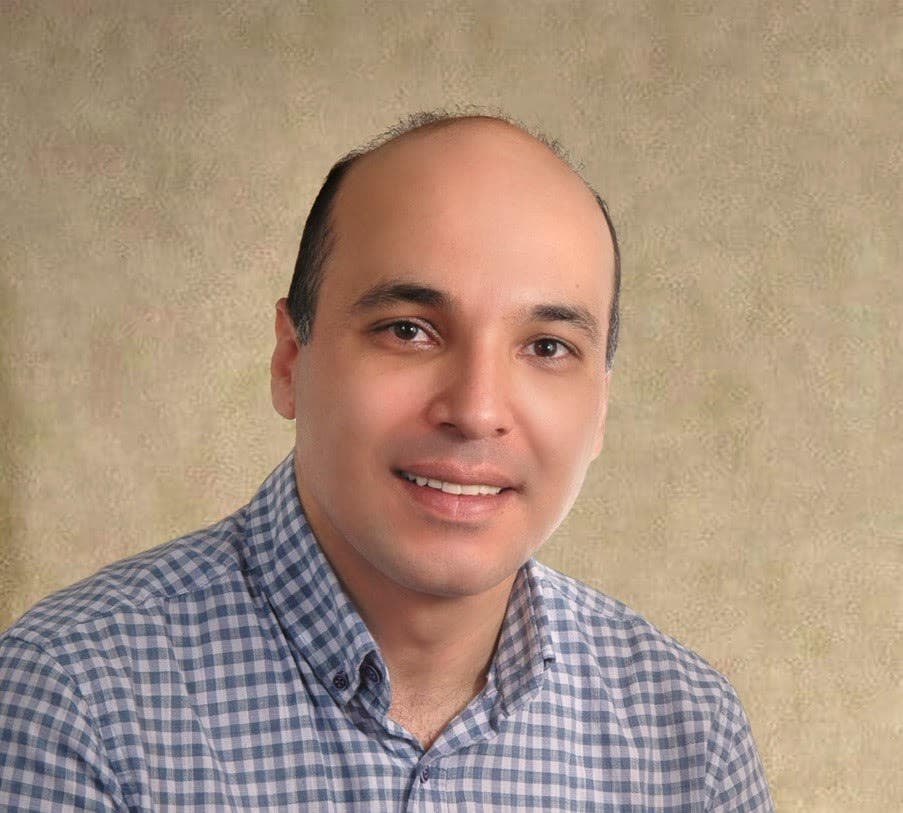
جراح و متخصص اورولوژی
دکتر مهدی قاضی، جراح و متخصص اورولوژی در مشهد. مقالات این سایت زیر نظر پزشکان ساختمان اورولوژی دکتر قاضی نوشته و بازبینی میشوند.
مشاهدهٔ پروفایل و نوبتدهیمطالب مرتبط
همه مطالبپیلونفریت چیست؟ علائم عفونت کلیه، تشخیص و درمان
دکتر مهدی قاضی · ۲۹ اسفند ۱۴۰۴
آتروفی کلیه ( آیا کوچک شدن کلیه باعث مرگ میشود؟)
دکتر مهدی قاضی · ۲۸ اسفند ۱۴۰۴
پیوند کلیه در کودکان و نوزاد (نتایج، عوارض، عمر کلیه پیوندی)
دکتر مهدی قاضی · ۲۵ اسفند ۱۴۰۴
اندازۀ طبیعی کلیهها چند میلیمتر است؟
دکتر مهدی قاضی · ۲۳ اسفند ۱۴۰۴
دیدگاهها
0 دیدگاه
هنوز دیدگاهی ثبت نشده است. اولین نفری باشید که نظر میدهد.